Blog Post Title: At-Home Insemination 101: A Guide for Prospective Parents
Summary:
At-home insemination, also known as home insemination, is a method of conceiving a child without the use of a sperm donor or medical assistance. It involves the process of manually placing sperm into the vagina in hopes of fertilizing an egg and achieving pregnancy. This method is becoming increasingly popular among prospective parents who are looking for a more personal and cost-effective way to start a family. In this blog post, we will guide you through the basics of at-home insemination and provide you with all the information you need to know before embarking on this journey.
What is At-Home Insemination?
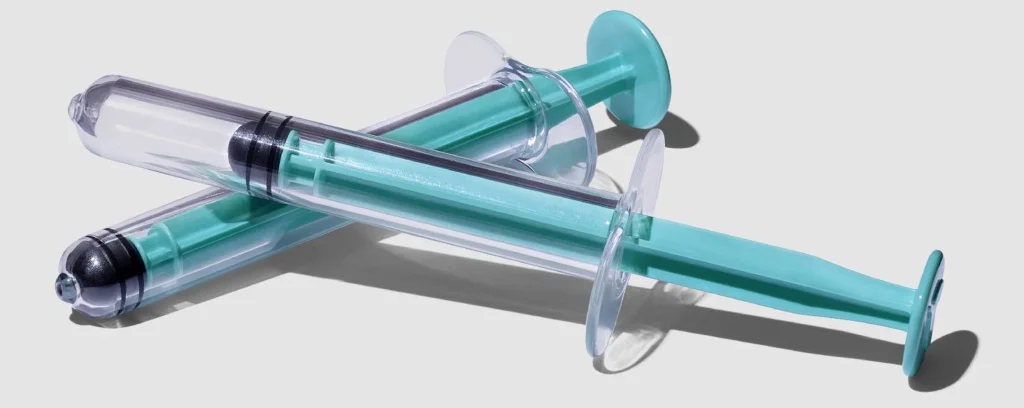
At-home insemination is a DIY method of conception that can be done in the comfort and privacy of your own home. It involves the use of a syringe or a cervical cap to deposit semen into the cervix or vagina. This process can be done with the help of a partner or a friend, or it can be done solo. While it is not as common as other forms of conception, such as in vitro fertilization (IVF) or intrauterine insemination (IUI), at-home insemination can be a great option for those who want to have more control over the process.
Why Choose At-Home Insemination?
There are a few reasons why some prospective parents may choose at-home insemination over other methods of conception. One of the main reasons is the cost factor. IVF and IUI can be expensive, and not everyone has the financial means to go through these procedures. At-home insemination is a more affordable option, as it does not require any medical assistance.
Another reason is the convenience and privacy that at-home insemination provides. Many prospective parents prefer to carry out this process in the comfort of their own home, without the need for medical appointments or procedures. This method also allows for more personal involvement in the conception process, as the sperm can come from a partner or a known donor.
Steps to At-Home Insemination
Step 1: Tracking Ovulation
Before starting the insemination process, it is important to track your ovulation. This can be done through various methods, such as tracking your basal body temperature, using ovulation predictor kits, or monitoring your cervical mucus. Knowing when you are ovulating will help you time the insemination correctly and increase your chances of pregnancy.
Step 2: Collecting and Preparing the Sperm
The next step is to collect the sperm. This can be done through masturbation or using a sperm collection device, such as a cervical cap or a menstrual cup. It is important to collect the sperm as close to the time of insemination as possible, as sperm can survive for a limited amount of time outside the body.
Once the sperm is collected, it needs to be prepared for insemination. This can be done by placing the sperm in a sterile container and keeping it at body temperature until it is ready to be used. Some people also choose to use sperm-friendly lubricants to help with the process.

At-Home Insemination 101: A Guide for Prospective Parents
Step 3: Insemination
The actual insemination process involves depositing the sperm into the vagina or cervix. This can be done using a syringe or a cervical cap. If using a syringe, fill it with the prepared sperm and gently insert it into the vagina or place it at the opening of the cervix. If using a cervical cap, place the sperm inside the cap and insert it into the vagina, making sure it is placed over the cervix.
Step 4: Resting
After the insemination, it is recommended to stay lying down for 15-20 minutes to allow the sperm to reach the cervix. Some people also choose to use a menstrual cup to keep the sperm close to the cervix for a longer period.
Step 5: Waiting for Results
The two-week wait after insemination can be nerve-wracking, but it is important to wait until you miss a period or take a pregnancy test to determine if the insemination was successful. If you are not pregnant, you can repeat the process in the next cycle.
Things to Consider Before Trying At-Home Insemination
While at-home insemination may seem like a simple and convenient method, there are a few things to keep in mind before trying it.
Firstly, it is important to have open and honest communication with your partner or donor. Discussing expectations, boundaries, and any potential risks is crucial before starting the insemination process.
Secondly, it is important to understand that at-home insemination does not guarantee pregnancy. It may take multiple attempts before achieving a successful pregnancy, and even then, there is no guarantee.
Lastly, it is recommended to consult with a healthcare provider before trying at-home insemination, especially if you have any underlying health conditions that may affect your fertility.
Conclusion
At-home insemination can be a great option for prospective parents who want to take a more personal and cost-effective approach to starting a family. By tracking ovulation, collecting and preparing sperm, and following the proper steps, at-home insemination can be a successful method of conception. However, it is important to consider all the factors and have realistic expectations before trying this method. Consulting with a healthcare provider and having open communication with your partner or donor can also help make the process smoother.
SEO metadata: