Tag: fertility

  • The Role of Support: Building a Strong Network for Home Insemination

    The Role of Support: Building a Strong Network for Home Insemination

    Home insemination, also known as self-insemination, is becoming an increasingly popular option for individuals and couples who are looking to start a family. This method involves using at-home insemination kits or donor sperm to try and conceive without the assistance of a medical professional. While it may seem like a simple process, home insemination requires a strong support system in order to be successful. In this blog post, we will explore the role of support in building a strong network for home insemination and how it can make all the difference in this journey.

    The Importance of Support in Home Insemination

    Going through the process of home insemination can be overwhelming and emotionally taxing. Having a strong support system can provide much-needed comfort, encouragement, and reassurance during this time. It is important to have people who understand and support your decision to pursue home insemination, whether it be your partner, family, or friends. They can offer a listening ear, practical advice, and help alleviate any fears or doubts you may have.

    Support from other individuals who have gone through the process of home insemination can also be invaluable. They can provide first-hand knowledge and experience, as well as offer tips and advice on what worked for them. Joining online support groups or connecting with others through forums can provide a sense of community and belonging, especially for those who may not have a strong support system in their personal lives.

    Building a Strong Support System

    In order to build a strong support system for home insemination, it is important to communicate openly and honestly with those closest to you. This can be a sensitive and personal topic, but sharing your journey with your partner, family, and friends can help them understand and support you better. It is also important to set boundaries and let them know what kind of support you need from them.

    For those who may not feel comfortable sharing this journey with their loved ones, seeking support from a professional therapist or counselor can also be beneficial. They can provide a safe and non-judgmental space to talk about your feelings and concerns, and offer guidance on how to cope with any challenges that may arise during the process.

    Support from Healthcare Professionals

    While home insemination can be done at home, it is still important to seek guidance from healthcare professionals. They can provide information on the best methods for home insemination and offer tips on timing and tracking ovulation. It is also important to have regular check-ups and screenings to ensure that you are healthy and ready for pregnancy.

    logo of mosie baby featuring a heart and leaf design in blue, pink, and green colors

    The Role of Support: Building a Strong Network for Home Insemination

    In addition, healthcare professionals can also provide emotional support and guidance, as well as referrals to fertility specialists if needed. It is important to have a good relationship with your healthcare provider and feel comfortable discussing your plans for home insemination with them.

    Tips for Finding Support

    Finding support for home insemination may seem daunting, but there are many resources available to help build a strong network. Here are some tips for finding support during this journey:

    1. Join online support groups or forums specifically for individuals or couples pursuing home insemination. These platforms can provide a sense of community and support from others who are going through a similar experience.

    2. Connect with others in your local area who are also pursuing home insemination. This can be done through social media groups, meetup groups, or even through your healthcare provider.

    3. Seek support from a therapist or counselor who specializes in fertility and family planning. They can offer a safe and non-judgmental space to discuss your feelings and concerns.

    4. Attend fertility support groups or workshops in your community. These can provide valuable information and resources, as well as the opportunity to connect with others who are also on the same journey.

    5. Lean on your partner, family, and friends for emotional support. It is important to communicate openly and honestly with them and let them know how they can support you during this time.

    In conclusion, the role of support in home insemination cannot be underestimated. Having a strong support system can make all the difference in this journey, providing emotional, practical, and medical support. Building a network of support may take some effort, but it is an important step in increasing the chances of success and having a positive experience during home insemination.

    SEO metadata:

  • The Legal Side of Home Insemination: What You Need to Know

    Home insemination, also known as DIY insemination, is a method of achieving pregnancy without traditional medical intervention. This process involves using donor sperm to inseminate oneself at home. While this may seem like a simple and cost-effective option for individuals or couples trying to conceive, there are legal considerations that need to be taken into account. In this blog post, we will discuss the legal side of home insemination and what you need to know before embarking on this journey.

    The first thing to understand is that laws and regulations around home insemination vary by country and state. It is essential to research and understand the laws in your specific location before proceeding with home insemination. Some countries have strict regulations around sperm donation and home insemination, while others have more relaxed laws.

    In the United States, home insemination falls under the category of assisted reproductive technology (ART). This means that it is subject to the same regulations as other forms of assisted reproduction, such as in-vitro fertilization (IVF). It is crucial to note that these regulations are in place to protect the rights of all parties involved, including the donor, recipient, and potential child.

    One of the most critical legal considerations when it comes to home insemination is the use of donor sperm. In most states, a sperm donor is not automatically considered the legal father of a child conceived through home insemination. However, this can vary, and it is essential to understand the laws in your state. In some cases, if the donor is known, they may have to go through a legal process to relinquish their parental rights.

    Another important factor to consider is the use of a known donor versus an anonymous donor. A known donor is someone who is known to the recipient, such as a friend or family member. In contrast, an anonymous donor is someone who is not known to the recipient, usually through a sperm bank. Using a known donor can have legal implications, as they may have parental rights and responsibilities. It is crucial to discuss and document these issues before proceeding with home insemination.

    Aside from the legal implications of using donor sperm, there are also potential legal issues surrounding the actual insemination process. In some states, it is illegal for anyone other than a licensed medical professional to perform insemination procedures. This means that home insemination may not be legally allowed in certain areas. It is essential to research and understand the laws in your state to avoid any legal repercussions.

    guide and materials for using Mosie Baby fertility kit on a textured surface

    The Legal Side of Home Insemination: What You Need to Know

    In addition to state laws, it is also crucial to consider any federal regulations that may apply. For example, the FDA has specific guidelines for the use of donor sperm, including screening for infectious diseases and labeling requirements. It is essential to follow these guidelines to ensure the health and safety of all parties involved.

    One aspect of home insemination that often goes overlooked is the issue of child support. In some cases, the donor may be legally required to provide financial support for the child. This is especially true in cases where the donor is known and has not gone through the proper legal channels to relinquish their parental rights. It is crucial to discuss this issue and document any agreements with the donor before proceeding with home insemination.

    Another legal consideration to keep in mind is the use of at-home insemination kits. While these kits may seem convenient and easy to use, they may not be FDA-approved and may not meet the necessary safety standards. It is essential to research and carefully consider the products you use for home insemination to avoid any potential legal or health risks.

    In addition to legal considerations, there are also ethical and moral considerations to keep in mind. Home insemination raises questions about the rights and well-being of the child, the donor, and the recipient. It is crucial to have open and honest conversations about these issues before proceeding with home insemination.

    In conclusion, home insemination can be a viable option for individuals or couples trying to conceive, but it is essential to understand and follow the legal guidelines and regulations in your area. It is crucial to research and discuss these issues with all parties involved to ensure the rights and well-being of everyone involved. Home insemination can be a beautiful and fulfilling journey, but it is essential to navigate it with caution and awareness of the legal implications.

    Summary:

    Home insemination, also known as DIY insemination, is a process of achieving pregnancy without traditional medical intervention. While it may seem like a simple and cost-effective option, there are legal considerations to keep in mind. Laws and regulations around home insemination vary by country and state, and it is crucial to research and understand the laws in your specific location. Key legal considerations include the use of donor sperm, the difference between a known and anonymous donor, state and federal regulations, child support, and the use of at-home insemination kits. It is also essential to have open and honest discussions about the ethical and moral implications of home insemination. Overall, it is crucial to navigate the process of home insemination with caution and awareness of the legal implications to ensure the rights and well-being of all parties involved.

  • Maximizing Fertility: How to Prepare Your Body for Home Insemination

    Maximizing Fertility: How to Prepare Your Body for Home Insemination

    Home insemination has become a popular option for individuals and couples who are looking to start a family. It offers a more affordable and convenient alternative to traditional fertility treatments. However, in order to increase the chances of success with home insemination, it is important to prepare your body beforehand. In this blog post, we will discuss the steps you can take to maximize your fertility and increase the likelihood of a successful home insemination.

    1. Consult with a Fertility Specialist

    Before embarking on the journey of home insemination, it is important to consult with a fertility specialist. They can assess your overall health and provide valuable insights on how to prepare your body for the process. They may also suggest certain tests or procedures to identify any underlying fertility issues that may affect the success of home insemination.

    2. Maintain a Healthy Weight

    Being either underweight or overweight can have a negative impact on fertility. Women who are underweight may experience irregular periods or even stop ovulating altogether. On the other hand, women who are overweight may have difficulty conceiving due to hormonal imbalances. Therefore, it is important to maintain a healthy weight through a balanced diet and regular exercise.

    3. Track Your Ovulation

    Timing is crucial when it comes to home insemination. Knowing when you are ovulating is key in determining the most fertile time for conception. There are various methods to track ovulation, such as using ovulation predictor kits, tracking basal body temperature, or monitoring changes in cervical mucus. By tracking your ovulation, you can plan for insemination during your most fertile days.

    4. Boost Your Fertility with Supplements

    Certain supplements have been found to improve fertility in both men and women. For women, folic acid, iron, and vitamin D are important for reproductive health. For men, supplements such as zinc, vitamin C, and CoQ10 have been linked to increased sperm quality and quantity. However, it is important to consult with a healthcare professional before taking any supplements to ensure they are safe for you.

    5. Maintain a Healthy Diet

    Mosie Baby pregnancy test kit with two tests and packaging, featuring a mint green color scheme.

    Maximizing Fertility: How to Prepare Your Body for Home Insemination

    A balanced and nutritious diet is important for overall health and fertility. It is recommended to consume a variety of fruits, vegetables, whole grains, and lean proteins. Foods rich in antioxidants, such as berries and leafy greens, can also improve fertility. On the other hand, it is important to limit or avoid foods high in trans fats and processed sugars, which have been linked to decreased fertility.

    6. Reduce Stress

    Stress can have a negative impact on fertility by disrupting hormonal balance and ovulation. Therefore, it is important to find ways to manage stress and relax. This can include activities such as yoga, meditation, or spending time outdoors. It may also be helpful to speak with a therapist or counselor if stress is significantly impacting your daily life.

    7. Practice Good Hygiene

    Maintaining good hygiene is important for fertility as well. This includes keeping the genital area clean and avoiding harsh products that can disrupt the pH balance. It is also recommended to avoid douching, as it can wash away healthy bacteria and increase the risk of infection.

    8. Consider Alternative Therapies

    Some people have reported success with alternative therapies such as acupuncture, massage, or herbal remedies for improving fertility. While the effectiveness of these methods may vary, they may be worth exploring as part of your preparation for home insemination.

    9. Communicate with Your Partner

    Having open and honest communication with your partner is crucial during this process. It is important to discuss your feelings, concerns, and expectations. This can help alleviate stress and create a supportive and positive environment for home insemination.

    10. Be Patient and Positive

    Lastly, it is important to remember that the journey to conceiving can be a long and challenging one. It is important to be patient and positive, as stress and negative emotions can hinder fertility. Stay optimistic and trust in your body and the process.

    In conclusion, preparing your body for home insemination involves a combination of factors, including consulting with a fertility specialist, maintaining a healthy lifestyle, tracking ovulation, and managing stress. By taking these steps, you can increase your chances of success and make your home insemination journey a more positive and enjoyable experience.

  • Home Insemination vs. Clinical Insemination: Making the Right Choice for You

    Summary:
    When it comes to starting a family, there are various options available for couples who may struggle with natural conception. Two popular methods are home insemination and clinical insemination. Home insemination involves the couple performing the insemination process themselves in the comfort of their own home, while clinical insemination is performed by a medical professional in a clinical setting. Both methods have their own advantages and disadvantages, and it is important for couples to carefully consider which option is best for them. In this blog post, we will discuss the differences between home insemination and clinical insemination, as well as some factors to consider when making the right choice for you and your partner.

    Home Insemination:
    Home insemination, also known as self-insemination, is the process of a couple using a syringe or fertility kit to insert semen into the woman’s vagina or cervix at home. This method is often chosen by couples who prefer a more intimate and private experience, as well as those who may not have access to clinical insemination due to financial or geographical constraints. Home insemination also allows couples to have more control over the timing and process of insemination, as they can do it in the comfort of their own home and at their own pace.

    However, home insemination also has its limitations. It requires a high level of preparation and precision, as the couple needs to carefully follow instructions and timing in order to increase the chances of success. There is also a risk of infection or injury if the process is not done correctly. Additionally, home insemination may not be suitable for couples with certain fertility issues, such as low sperm count or blocked fallopian tubes.

    Clinical Insemination:
    Clinical insemination, also known as artificial insemination, is a medical procedure that involves a doctor or fertility specialist inserting prepared semen directly into the woman’s uterus or cervix. This method is usually done in a clinical setting, such as a fertility clinic or doctor’s office. It is often recommended for couples who have been struggling with infertility, as it allows for a more controlled and monitored process to increase the chances of conception.

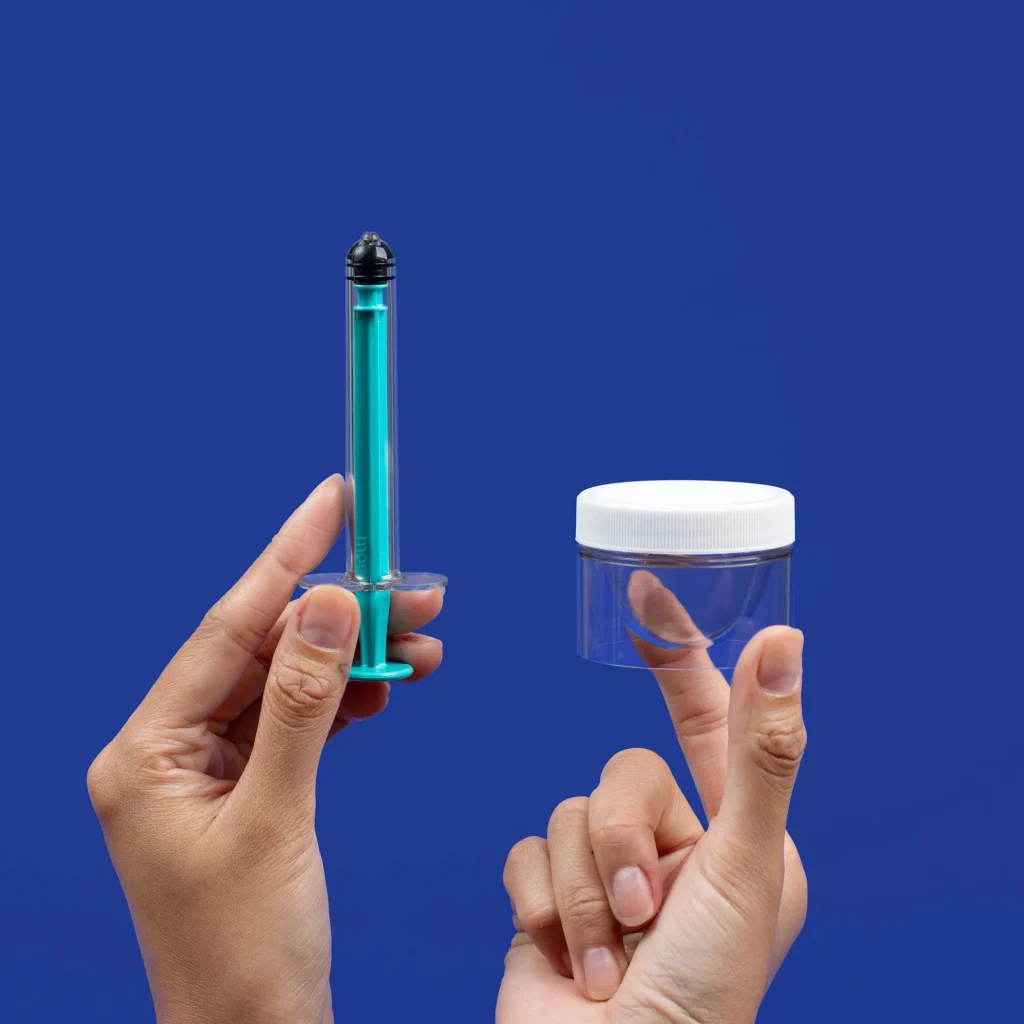
    home insemination kit components: a syringe and a collection container against a blue background.

    Home Insemination vs. Clinical Insemination: Making the Right Choice for You

    One of the main advantages of clinical insemination is the higher success rates compared to home insemination. This is due to the use of advanced techniques, such as sperm washing, to select and prepare the healthiest sperm for insemination. It also allows for the detection and treatment of any underlying fertility issues that may be hindering conception. However, clinical insemination can be a more expensive option, and it may require multiple visits to the clinic for monitoring and procedures.

    Factors to Consider:
    When deciding between home insemination and clinical insemination, there are several important factors to take into consideration. These include the couple’s personal preferences, their fertility history, and their financial situation. Some couples may prefer the privacy and convenience of home insemination, while others may feel more comfortable with the expertise and technology used in clinical insemination.

    It is also important to consult with a medical professional before making a decision, as they can provide valuable insights and recommendations based on the couple’s specific situation. Additionally, it is important to keep in mind that neither home insemination nor clinical insemination guarantee success, and it may take multiple attempts for conception to occur.

    In conclusion, both home insemination and clinical insemination have their own advantages and disadvantages, and the decision ultimately depends on what works best for each individual couple. It is important to carefully consider all factors and seek professional guidance before making a decision. With patience, communication, and proper preparation, couples can increase their chances of starting a family through either method.

  • Planning for Parenthood: How Home Insemination Can Help You Start a Family

    Blog Post Title: Planning for Parenthood: How Home Insemination Can Help You Start a Family

    Parenthood is one of the most rewarding and fulfilling experiences in life. However, for some couples, conceiving a child may not be as simple as they had hoped. In recent years, more and more couples have turned to alternative methods of conception, such as home insemination, to start their families. In this blog post, we will explore the benefits of home insemination and how it can help you on your journey towards parenthood.

    What is Home Insemination?

    Home insemination, also known as artificial insemination, is a process in which sperm is manually inserted into the cervix or uterus of a woman in order to fertilize an egg. This method can be done at home with the use of a syringe or a specialized kit, or it can be performed by a healthcare professional in a clinical setting.

    Benefits of Home Insemination

    1. Cost-Effective

    One of the main benefits of home insemination is its affordability. In comparison to other fertility treatments such as in vitro fertilization (IVF), home insemination is significantly less expensive. This is especially beneficial for couples who may not have the financial resources to pursue other options.

    2. Privacy and Comfort

    Conceiving a child can be an intimate and personal experience for couples. With home insemination, the process can be done in the comfort and privacy of your own home, without the need for frequent visits to a doctor’s office. This can help reduce the stress and pressure that can come with undergoing fertility treatments.

    3. Increased Control and Flexibility

    Home insemination also gives couples more control and flexibility over the timing and frequency of attempts to conceive. Unlike clinical procedures, which may require specific appointments and schedules, home insemination can be done at any time that is convenient for the couple.

    4. No Need for Sperm Donor

    In contrast to other assisted reproduction methods, home insemination allows for the use of the male partner’s sperm. This can be a more desirable option for couples who want to conceive a child using their own genetic material.

    Baby wearing a blue shirt with "made with Love" text, surrounded by colorful floral and butterfly designs.

    Planning for Parenthood: How Home Insemination Can Help You Start a Family

    5. Natural and Non-Invasive

    Home insemination is a natural and non-invasive way of conceiving a child. It does not require the use of drugs or hormones, which can have potential side effects. This makes it a more appealing option for couples who prefer a more natural approach to fertility treatments.

    How to Perform Home Insemination

    Performing home insemination is a relatively simple process. You will need a syringe or a home insemination kit, which can be purchased online or at a fertility clinic. The steps involved are as follows:

    1. Collect the sperm: The male partner will need to ejaculate into a sterile cup or container.

    2. Prepare the sperm: The sperm can be collected and prepared for insemination by using a syringe or a home insemination kit.

    3. Insert the sperm: Using the syringe or the kit, insert the sperm into the cervix or uterus of the female partner.

    4. Remain in a horizontal position: After the sperm has been inserted, it is recommended for the female partner to remain in a horizontal position for about 20-30 minutes to increase the chances of conception.

    5. Repeat the process: Home insemination may need to be repeated multiple times in order to increase the chances of conception.

    It is important to note that home insemination may not be suitable for all couples. It is always recommended to consult with a healthcare professional before attempting this method.

    In conclusion, home insemination is a cost-effective, private, and non-invasive method of conception that offers increased control and flexibility to couples. It is a viable option for couples who are struggling with fertility issues and are looking for a more natural approach to starting a family. If you are considering home insemination, be sure to research and consult with a healthcare professional to determine if it is the right option for you.

    Summary:

    In this blog post, we discussed the benefits of home insemination as an alternative method of conception for couples who are struggling with fertility issues. Home insemination offers affordability, privacy, control, and naturalness, making it a desirable option for couples looking to start a family. We also provided a brief overview of the steps involved in performing home insemination. However, it is always recommended to consult with a healthcare professional before attempting this method.

  • Insemination at Home: Tips and Tricks for a Stress-Free Experience

    Title: Insemination at Home: Tips and Tricks for a Stress-Free Experience

    Insemination at home has become a popular choice for couples and individuals who are trying to conceive. This method allows for a more comfortable and relaxed environment, as well as more control over the process. However, it can also come with its own set of challenges and uncertainties. In this blog post, we will discuss tips and tricks to make the experience of insemination at home stress-free and successful.

    1. Educate Yourself

    The first step to a stress-free insemination at home experience is to educate yourself about the process. There are various methods of insemination, including intrauterine insemination (IUI) and intracervical insemination (ICI). It is essential to understand the differences between these methods and which one is best for you. Consult with your doctor or fertility specialist to understand your options and choose the method that is most suitable for your situation.

    2. Prepare Your Body

    Preparing your body for insemination is crucial for a successful and stress-free experience. This includes maintaining a healthy diet, exercising regularly, and avoiding alcohol and smoking. It is also advisable to take prenatal vitamins to ensure your body is getting the necessary nutrients for conception.

    3. Track Your Ovulation

    Timing is crucial when it comes to insemination. It is essential to know when you are ovulating to increase the chances of conception. There are various methods to track ovulation, including using ovulation predictor kits, tracking your basal body temperature, and monitoring your cervical mucus. By understanding your ovulation cycle, you can plan for insemination at the most fertile time.

    4. Create a Comfortable Environment

    Creating a comfortable environment is essential for a stress-free insemination experience. Choose a quiet and private room in your home where you feel relaxed. Dim the lights, put on some calming music, and make sure the temperature is comfortable. You can also use scented candles or aromatherapy oils to create a soothing atmosphere.

    5. Gather Your Supplies

    at-home insemination kit with syringes, collection cups, and instructions on a pink background

    Insemination at Home: Tips and Tricks for a Stress-Free Experience

    Having all the necessary supplies on hand will make the insemination process smoother and less stressful. Some of the essential items include a sterile syringe, a collection cup, a speculum, and a mirror (optional). It is also helpful to have a timer or watch to keep track of the timing during the insemination process.

    6. Involve Your Partner

    Insemination at home is not just a physical process, but an emotional one as well. It is essential to involve your partner in the process and make them feel included. This can help to ease any stress or anxiety that either of you may be feeling. Your partner can assist in preparing the supplies, tracking ovulation, and providing emotional support during the insemination.

    7. Take Your Time

    Rushing through the insemination process can add unnecessary stress and reduce the chances of success. It is essential to take your time and follow the instructions carefully. Make sure you are relaxed and comfortable before proceeding with the insemination. A rushed and tense environment can hinder the process and decrease the chances of conception.

    8. Try Different Positions

    While there is no scientific evidence that certain positions increase the chances of conception, some women have found that trying different positions during insemination can be helpful. Some recommended positions include lying on your back with your hips elevated, or using a pillow under your hips to tilt them upwards. Experiment with different positions to find what works best for you.

    9. Stay Positive

    The journey to conception can be an emotional rollercoaster, and insemination at home is no exception. It is crucial to stay positive and have faith in the process. Stress and negative thoughts can have a significant impact on fertility, so try to stay calm and relaxed throughout the process. Surround yourself with supportive and positive people who can uplift you during this time.

    10. Seek Professional Help

    If you have been trying to conceive for a while with no success, it may be time to seek professional help. A fertility specialist can provide guidance and support, as well as perform necessary tests to determine any underlying issues that may be hindering conception. They can also offer alternative methods such as in vitro fertilization (IVF) if needed.

    In conclusion, insemination at home can be a stress-free and successful experience with the right preparation and mindset. Educate yourself, prepare your body, create a comfortable environment, involve your partner, take your time, try different positions, stay positive, and seek professional help if needed. Remember to be patient and have faith in the process, and with the right approach, you may soon be on your way to starting or growing your family through insemination at home.

  • The Role of Ovulation in Home Insemination and How to Track It

    Blog Post: The Role of Ovulation in Home Insemination and How to Track It

    Ovulation is a crucial process in a woman’s reproductive cycle, in which a mature egg is released from the ovary and travels down the fallopian tube, ready to be fertilized by a sperm. For couples who are trying to conceive, tracking ovulation is essential to increase the chances of successful fertilization. But what about same-sex couples or single women who are using home insemination to start a family? Can ovulation tracking still play a role in their journey to parenthood? In this blog post, we will discuss the importance of ovulation in home insemination and how to track it effectively.

    Why is Ovulation Important in Home Insemination?

    Home insemination is a method of conception in which sperm is introduced directly into the vagina or cervix using a syringe or a specially designed device. This method is often used by same-sex couples or single women who are unable to conceive through traditional means. In home insemination, timing is everything. The sperm needs to be present in the reproductive tract at the same time as the egg to increase the chances of fertilization.

    This is where ovulation comes into play. By tracking ovulation, couples can determine the most fertile days in a woman’s cycle, increasing the chances of successful insemination. Ovulation typically occurs around day 14 of a 28-day menstrual cycle, but it can vary from woman to woman and even from cycle to cycle. Therefore, it is essential to track ovulation to ensure that sperm is introduced into the reproductive tract at the most opportune time.

    How to Track Ovulation

    1. Calendar Method

    The calendar method, also known as the rhythm method, involves tracking the length of a woman’s menstrual cycle and calculating the most fertile days based on that information. However, this method is not foolproof, as it relies on the assumption that a woman’s cycle is regular. Also, it does not take into account the variations in the length of ovulation from cycle to cycle.

    2. Basal Body Temperature Method

    The basal body temperature (BBT) method involves tracking a woman’s body temperature throughout her menstrual cycle. Just before ovulation, a woman’s BBT will rise by about 0.5-1 degree Fahrenheit. By tracking this temperature rise, couples can determine the most fertile days in the cycle. However, this method requires diligent tracking and may be challenging for couples who have different wake-up times.

    3. Ovulation Predictor Kits

    Ovulation predictor kits (OPKs) are urine tests that detect the surge of luteinizing hormone (LH) that occurs just before ovulation. These kits are available over-the-counter and are relatively easy to use. However, they can be costly, and some women may have trouble interpreting the results.

    4. Cervical Mucus Method

    The cervical mucus method involves tracking changes in the consistency and amount of cervical mucus throughout the menstrual cycle. As ovulation approaches, the mucus becomes clearer, stretchier, and more abundant, resembling raw egg whites. By monitoring these changes, couples can determine the most fertile days in the cycle. However, this method may be difficult for some women to track and interpret.

    at-home insemination kit by Mosie Baby, featuring syringes, collection cups, and instructions on a pink background.

    The Role of Ovulation in Home Insemination and How to Track It

    5. Ovulation Tracking Apps

    In today’s digital age, there are numerous apps available that help women track their menstrual cycles and predict ovulation. These apps use algorithms based on data inputted by the user, such as menstrual cycle length, BBT, and cervical mucus changes, to determine the most fertile days in a cycle. However, these apps may not be entirely accurate and should be used in conjunction with other tracking methods.

    Tips for Successful Ovulation Tracking

    1. Start tracking early in the cycle.

    To increase the chances of successful home insemination, it is essential to start tracking ovulation early in the cycle. This will allow you to identify your most fertile days and plan accordingly.

    2. Use multiple tracking methods.

    To ensure the most accurate results, it is best to use multiple tracking methods in conjunction with each other. For example, using an OPK in combination with tracking cervical mucus can help you pinpoint your ovulation more accurately.

    3. Be consistent.

    Whichever tracking method you choose, it is crucial to be consistent and track your data every day. This will help you identify patterns in your cycle and increase the accuracy of your predictions.

    4. Consider seeking professional help.

    If you have been tracking ovulation for several months with no success, it may be time to seek professional help. A fertility specialist can provide more accurate and advanced methods for tracking ovulation, such as ultrasound monitoring.

    In Conclusion

    Ovulation plays a crucial role in home insemination, and tracking it effectively can increase the chances of successful conception. By using a combination of tracking methods and being consistent, couples can identify their most fertile days and plan for home insemination accordingly. However, if you are having trouble tracking ovulation or have been unsuccessful in home insemination, it is best to seek professional help for more accurate and advanced methods.

    Summary: In home insemination, timing is everything, and ovulation tracking plays a crucial role in increasing the chances of successful conception. Couples can track ovulation through methods such as the calendar method, basal body temperature method, ovulation predictor kits, cervical mucus method, and ovulation tracking apps. It is essential to start tracking early in the cycle, use multiple methods, be consistent, and seek professional help if needed.

  • The Importance of Timing: Maximizing Success with Home Insemination

    Timing is crucial in many aspects of our lives, and this is especially true when it comes to home insemination. This process, also known as self-insemination or at-home insemination, involves using a syringe or other device to deposit sperm into the vagina or cervix in order to achieve pregnancy. While it may seem like a simple and straightforward process, timing plays a significant role in the success of home insemination. In this blog post, we will delve into the importance of timing and how to maximize success with home insemination.

    First and foremost, timing is crucial in home insemination because it is essential for the sperm to meet the egg at the right time for fertilization to occur. This means that the sperm must be present in the reproductive tract, ready and waiting for the egg to be released. This window of opportunity is known as the fertile window and typically occurs around the time of ovulation, which is when the egg is released from the ovary. Ovulation usually happens once a month, and it is essential to pinpoint this window to increase the chances of achieving pregnancy.

    One of the most effective ways to determine the fertile window is by tracking ovulation. There are various methods to do this, including charting your basal body temperature, monitoring changes in cervical mucus, and using ovulation predictor kits. By tracking these signs, you can identify when you are most likely to ovulate and plan for home insemination accordingly. This will help ensure that the sperm is present in the reproductive tract when the egg is released, increasing the chances of fertilization.

    Timing is also crucial in home insemination because sperm can survive in the reproductive tract for up to five days. This means that even if you have intercourse or perform home insemination a few days before ovulation, the sperm can still be present and viable when the egg is released. This is why it is recommended to have sex or perform home insemination in the days leading up to ovulation to increase the chances of fertilization.

    Moreover, timing is essential in home insemination because sperm quality can vary depending on when it is ejaculated. Sperm that is ejaculated too frequently may be of lower quality, with reduced motility and viability. On the other hand, sperm that is ejaculated after a longer period of abstinence may have a higher concentration and better quality. Therefore, timing home insemination sessions to coincide with the fertile window and sperm quality can significantly increase the chances of success.

    home insemination kit components: a syringe and a collection container against a blue background.

    The Importance of Timing: Maximizing Success with Home Insemination

    In addition to tracking ovulation and timing home insemination sessions, there are other factors to consider when it comes to maximizing success with home insemination. These include having a healthy lifestyle, maintaining a nutritious diet, and avoiding substances that can harm sperm, such as tobacco and alcohol. It is also crucial to have a supportive and stress-free environment, as stress can affect fertility and decrease the chances of pregnancy.

    Another important aspect to consider is the use of fertility supplements and lubricants. Fertility supplements, such as folic acid and Coenzyme Q10, can help improve sperm quality and increase the chances of fertilization. On the other hand, some lubricants can have a negative impact on sperm motility and should be avoided during home insemination. It is essential to do thorough research and consult with a healthcare provider before using any supplements or lubricants during home insemination.

    In addition to timing home insemination sessions, tracking ovulation, and considering other factors, it is also crucial to have patience and persistence. Home insemination may not result in pregnancy on the first try, and it is essential to be patient and continue trying. Many factors can affect fertility and the success of home insemination, so it is crucial to not get discouraged and keep trying.

    In conclusion, timing plays a crucial role in the success of home insemination. By tracking ovulation, timing home insemination sessions, and considering other factors such as sperm quality and lifestyle, the chances of achieving pregnancy through home insemination can significantly increase. Patience and persistence are also key, as it may take multiple attempts to achieve a successful pregnancy. With proper timing and consideration of all factors, home insemination can be a successful and empowering option for those trying to conceive.

    In summary, timing is crucial in home insemination as it is essential for the sperm to meet the egg at the right time for fertilization to occur. This can be achieved by tracking ovulation, timing home insemination sessions, and considering other factors such as sperm quality and lifestyle. Patience and persistence are also crucial, as it may take multiple attempts to achieve pregnancy through home insemination.

  • From Conception to Delivery: The Journey of Home Insemination

    From Conception to Delivery: The Journey of Home Insemination

    When it comes to starting a family, there are various methods available for couples to conceive. One lesser-known option is home insemination, which involves using a syringe or other device to insert sperm into the vagina at the most fertile time of the menstrual cycle. While it may seem like a simple process, there is much more to it than just injecting sperm. In this blog post, we will take a closer look at the journey of home insemination, from conception to delivery.

    Conception: Understanding Home Insemination

    Home insemination, also known as artificial insemination at home (AIH), is a method of conception that does not involve sexual intercourse. It is often used by same-sex couples, single women, and heterosexual couples with fertility issues. The process involves collecting sperm from a donor or purchasing it from a sperm bank and then using a syringe or other device to deposit the sperm into the vagina. This allows the sperm to reach the cervix and travel to the fallopian tubes, where fertilization can occur. Home insemination can be done using fresh sperm, frozen sperm, or self-collected semen.

    Choosing the Right Sperm Donor

    The first step in the journey of home insemination is choosing the right sperm donor. This can be a known donor, such as a friend or family member, or an anonymous donor from a sperm bank. When choosing a known donor, it is important to consider factors such as their health, medical history, and willingness to undergo necessary testing. For anonymous donors, most sperm banks provide detailed profiles with physical characteristics, educational background, and medical history. It is crucial to thoroughly research and consider all options before making a decision.

    Preparing for Home Insemination

    Before attempting home insemination, it is important to prepare the body for pregnancy. This includes tracking the menstrual cycle and determining the most fertile days, as well as taking prenatal vitamins and maintaining a healthy lifestyle. Both the donor and recipient should also undergo fertility testing to ensure that there are no underlying issues that could affect the success of home insemination.

    comparison of Mosie syringe opening versus standard syringe opening with text highlighting benefits

    From Conception to Delivery: The Journey of Home Insemination

    Performing Home Insemination

    When the time comes to perform home insemination, it is essential to have all necessary supplies ready. This includes a sterile syringe or other insemination device, a collection cup or vial for the sperm, sterile gloves, and a timer. It is important to follow the instructions provided by the sperm bank or fertility clinic, as well as any additional guidance from a healthcare professional. The process should be done in a clean and comfortable environment, and both the donor and recipient should be relaxed and focused.

    The Two-Week Wait: Monitoring for Pregnancy

    After home insemination, there is a two-week wait period before a pregnancy test can be taken. During this time, the recipient may experience physical symptoms such as cramping, spotting, or breast tenderness, which could be signs of pregnancy. However, it is important not to rely on these symptoms alone, as they could also be caused by other factors. It is recommended to wait until the expected start date of the next period to take a pregnancy test. If the test is positive, it is important to schedule an appointment with a healthcare provider for confirmation and guidance on the next steps.

    The Journey to Delivery: Prenatal Care and Support

    Once a pregnancy is confirmed, the journey to delivery begins. This includes regular prenatal care appointments with a healthcare provider, which are crucial for monitoring the health and development of the baby and addressing any potential issues. It is also essential to have a strong support system, whether it is a partner, family members, or friends, to provide emotional and physical support throughout the pregnancy.

    In conclusion, home insemination is a viable option for couples looking to start a family. With proper preparation, careful consideration of factors such as donor selection and fertility testing, and following instructions, the journey of home insemination can lead to a successful pregnancy and delivery. It is important to remember that every journey is unique and to seek guidance from healthcare professionals when needed.

    Summary:

    Home insemination is a method of conception that involves using a syringe or other device to deposit sperm into the vagina. It is often used by same-sex couples, single women, and heterosexual couples with fertility issues. The journey of home insemination includes choosing the right sperm donor, preparing for the process, performing home insemination, monitoring for pregnancy, and receiving prenatal care and support. With proper preparation and guidance, home insemination can lead to a successful pregnancy and delivery.

  • Bringing Home Baby: How to Inseminate at Home

    Bringing Home Baby: How to Inseminate at Home

    Bringing a new life into the world is an exciting and joyful experience, but for some couples, the traditional method of conceiving a baby may not be an option. In these situations, many couples may turn to home insemination as a way to start their journey towards parenthood. Inseminating at home can offer a more intimate and relaxed setting, while also being more cost-effective than medical procedures. However, it can also be a daunting and unfamiliar process for many. In this blog post, we will discuss the steps and precautions to take when inseminating at home, so that you can confidently bring home your bundle of joy.

    1. Understand the Basics of Home Insemination
    Before diving into the process, it is important to understand the basics of home insemination. The process involves placing sperm into the vagina, near the cervix, in order to fertilize an egg. This can be done through a variety of methods, including using a syringe, a cervical cap, or even a DIY insemination kit. It is crucial to research and understand the different methods available to determine which one is best for you and your partner.

    2. Prepare Your Body
    Preparing your body for insemination is just as important as understanding the process itself. It is recommended to start taking prenatal vitamins at least three months before attempting to conceive. These vitamins help to ensure that your body has all the necessary nutrients to support a healthy pregnancy. Additionally, maintaining a healthy diet, staying hydrated, and avoiding harmful substances such as alcohol and tobacco can also increase your chances of a successful pregnancy.

    3. Choose the Right Sperm Donor
    One of the most important decisions when it comes to home insemination is choosing the right sperm donor. This can be a known donor, such as a friend or family member, or an anonymous donor from a sperm bank. It is important to thoroughly research your options and consider factors such as medical history, genetics, and personal preferences. It is also recommended to have a legal agreement in place with the donor to protect all parties involved.

    Mosie Baby pregnancy test kit with two tests and packaging, featuring a mint green color scheme.

    Bringing Home Baby: How to Inseminate at Home

    4. Timing is Everything
    Timing is crucial when it comes to insemination. In order for conception to occur, the sperm needs to be present in the reproductive tract around the time of ovulation. Tracking your ovulation cycle can greatly increase your chances of success. This can be done through methods such as ovulation predictor kits, tracking basal body temperature, or monitoring changes in cervical mucus. It is also recommended to have intercourse or inseminate around the time of ovulation, as sperm can survive in the reproductive tract for up to five days.

    5. Create a Comfortable Environment
    Inseminating at home can provide a more relaxed and intimate setting, compared to a clinical setting. It is important to create a comfortable environment for both you and your partner. This can include playing relaxing music, dimming the lights, and using scented candles or oils. It is also recommended to have a quiet and private space to avoid any distractions.

    6. Follow Proper Hygiene Protocols
    When inseminating at home, it is crucial to follow proper hygiene protocols to avoid any risk of infection. This includes washing your hands before and after handling sperm, sterilizing any equipment used, and using a clean and sterile container for the sperm. It is also recommended to use a sterile lubricant during the insemination process to aid in the sperm’s journey to the cervix.

    7. Stay Positive and Patient
    While home insemination can be a more relaxed and intimate process, it is important to remember that it may not always be successful on the first try. It is important to stay positive and patient, and not get discouraged if it does not work right away. It may take a few attempts before a successful conception occurs. It is also recommended to seek support from friends, family, or online communities during this journey.

    In summary, home insemination can be a viable option for couples looking to start a family. By understanding the basics, preparing your body, choosing the right sperm donor, timing intercourse correctly, creating a comfortable environment, following proper hygiene protocols, and staying positive and patient, you can increase your chances of a successful pregnancy. While it may be a challenging and unfamiliar process, with the proper knowledge and precautions, you can confidently bring home your baby.