Tag: fertility

  • The Emotional Toll of Failed Home Insemination Attempts

    Blog Post:

    Home insemination has become an increasingly popular method for couples and individuals who are struggling with fertility. This method involves using a variety of techniques to inseminate at home, rather than going through a traditional medical procedure. While the idea of home insemination may seem simple and straightforward, the reality is that it can be a difficult and emotionally taxing process, especially when attempts are unsuccessful.

    In this blog post, we will discuss the emotional toll of failed home insemination attempts. We will explore the various emotions that individuals and couples may experience during this process, as well as provide tips for coping with these difficult emotions.

    The Disappointment of Unsuccessful Attempts

    One of the most common emotions associated with failed home insemination attempts is disappointment. When individuals or couples decide to pursue home insemination, they often have high hopes and expectations. Whether it is their first attempt or they have been trying for months, the disappointment of an unsuccessful attempt can be overwhelming.

    This disappointment can be compounded by the fact that home insemination is often seen as a more accessible and affordable option for those struggling with fertility. When attempts are unsuccessful, individuals and couples may feel like they have exhausted their options and may start to lose hope.

    Feelings of Failure and Inadequacy

    Another emotion that individuals and couples may experience after failed home insemination attempts is a sense of failure and inadequacy. This can be especially true for those who have been trying for a long time or have experienced multiple unsuccessful attempts.

    When home insemination is unsuccessful, individuals may start to question their own bodies and their ability to conceive. They may also feel like they have let down their partner or themselves, leading to feelings of inadequacy.

    Frustration and Anger

    The process of home insemination can be physically and emotionally demanding, and when attempts are unsuccessful, it can lead to feelings of frustration and anger. Individuals and couples may feel like they have wasted time, money, and energy on something that did not work.

    Furthermore, they may feel angry at their bodies for not being able to conceive or at the universe for seemingly working against them. These emotions can be difficult to navigate and can lead to tension and strain within relationships.

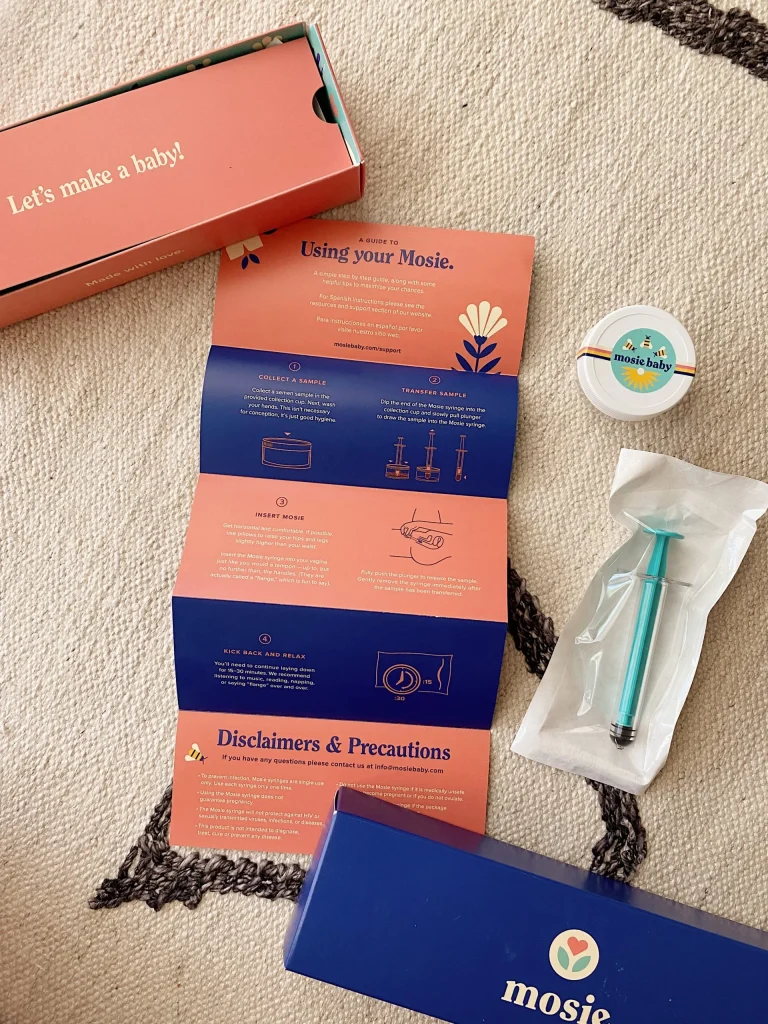
    at-home insemination kit by Mosie Baby, featuring syringes, collection cups, and instructions on a pink background.

    The Emotional Toll of Failed Home Insemination Attempts

    Grief and Loss

    For many individuals and couples, the journey to parenthood is an emotional one. When home insemination attempts are unsuccessful, it can feel like a loss. This can be especially true for those who have been trying for a long time or have experienced multiple unsuccessful attempts.

    The grief and loss associated with failed home insemination attempts can be complex and difficult to process. It may involve mourning the loss of the dream of conceiving a child naturally or the potential loss of a genetic connection to their child.

    Coping with the Emotional Toll

    Dealing with the emotional toll of failed home insemination attempts can be challenging, but there are ways to cope and navigate these difficult emotions.

    First and foremost, it is important to acknowledge and validate your feelings. It is okay to feel disappointed, frustrated, and angry. It is also important to communicate openly and honestly with your partner about how you are feeling. This can help alleviate any tension and bring you closer together.

    Seeking support from loved ones or a therapist can also be beneficial. Talking to others who have gone through a similar experience can provide a sense of understanding and validation. A therapist can also provide tools and techniques for managing difficult emotions and coping with the stress of home insemination attempts.

    It is also important to take care of yourself during this time. This may involve engaging in self-care activities such as exercise, meditation, or relaxation techniques. It is also crucial to give yourself a break from the process and allow yourself to focus on other aspects of your life.

    Moving Forward

    While the emotional toll of failed home insemination attempts can be challenging, it is important to remember that this is just one step in your journey to parenthood. There are still other options available, such as seeking medical assistance or exploring other methods of conception.

    It is also important to keep in mind that home insemination is not a guarantee of pregnancy. Just like any other method of conception, there is always a chance of it not working. It is essential to manage your expectations and be prepared for the possibility of unsuccessful attempts.

    Summary:

    Home insemination can be an emotionally taxing process, especially when attempts are unsuccessful. The disappointment of failed attempts, feelings of failure and inadequacy, frustration and anger, and grief and loss are common emotions experienced by individuals and couples. Coping with the emotional toll involves acknowledging and validating feelings, seeking support, taking care of oneself, and exploring other options. It is important to remember that home insemination is not a guarantee of pregnancy and to manage expectations.


  • The Role of Alternative Medicine in Home Insemination

    Blog Post:

    In recent years, there has been a significant increase in the popularity of alternative medicine and natural therapies. This trend has also extended to the realm of fertility and home insemination, where many couples are turning to alternative medicine as a way to increase their chances of conceiving. In this blog post, we will explore the role of alternative medicine in home insemination and how it can be used to support and enhance the process.

    What is Alternative Medicine?

    Alternative medicine, also known as complementary and alternative medicine (CAM), refers to a range of medical and health practices that are not considered to be part of conventional medicine. These practices may include herbal remedies, acupuncture, massage, and other natural therapies. While some alternative medicine practices have been around for centuries, others have emerged in more recent years as the demand for natural and holistic approaches to health has grown.

    The Role of Alternative Medicine in Home Insemination

    When it comes to home insemination, alternative medicine can play a vital role in several ways. One of the most significant benefits of alternative medicine is its ability to support and improve overall health and well-being. Many alternative medicine practices focus on restoring balance and promoting overall wellness, which can be beneficial for those trying to conceive.

    Stress Reduction

    Stress can have a significant impact on fertility, and many couples experience high levels of stress during the process of trying to conceive. Alternative medicine practices such as acupuncture, massage, and meditation can help reduce stress and promote relaxation. By reducing stress levels, these practices can improve overall health and increase the chances of successful home insemination.

    Hormonal Balance

    Mosie Baby Kit with a syringe and container, highlighting safety and usability features on a blue background.

    The Role of Alternative Medicine in Home Insemination

    Hormonal imbalances can also have a significant impact on fertility. Alternative medicine practices such as herbal remedies and acupuncture can help regulate hormones and promote hormonal balance. This, in turn, can improve the chances of successful home insemination.

    Nutritional Support

    Alternative medicine also focuses on the role of nutrition in overall health and wellness. Many alternative medicine practitioners believe that a balanced and nutrient-rich diet is essential for optimal health and fertility. By incorporating healthy eating habits and specific supplements, alternative medicine can provide nutritional support for those trying to conceive through home insemination.

    Improving Fertility

    In addition to promoting overall health and well-being, alternative medicine can also directly improve fertility. Some alternative medicine practices, such as acupuncture and herbal remedies, have been shown to increase blood flow to the reproductive organs, regulate ovulation, and improve sperm quality. These practices can be particularly helpful for those who have been struggling with fertility issues.

    Supporting Conventional Treatments

    Alternative medicine can also complement and support conventional medical treatments for those undergoing home insemination. Many couples use alternative medicine practices alongside fertility treatments such as intrauterine insemination (IUI) or in vitro fertilization (IVF). By promoting overall health and reducing stress levels, alternative medicine can enhance the effectiveness of these treatments.

    Precautions to Consider

    While alternative medicine can offer many benefits for those trying to conceive through home insemination, it is essential to take certain precautions. It is crucial to consult with a qualified and experienced alternative medicine practitioner before incorporating any new practices into your fertility journey. It is also essential to continue working with your doctor and following their recommendations for fertility treatments.

    In summary, alternative medicine can play a significant role in supporting and enhancing home insemination. By promoting overall health and well-being, reducing stress levels, and directly improving fertility, alternative medicine can increase the chances of successful conception. However, it is essential to take precautions and consult with a professional before incorporating alternative medicine practices into your fertility journey.

  • The Role of Nutrition and Lifestyle in Home Insemination Success

    Blog Post:

    When it comes to home insemination, there are many factors that can influence the success of the process. While factors such as timing, ovulation, and sperm quality are important, the role of nutrition and lifestyle cannot be ignored. In this blog post, we will explore the impact of nutrition and lifestyle on home insemination success and provide tips for optimizing these factors.

    Nutrition plays a crucial role in fertility and conception. A balanced and nutritious diet helps to regulate hormones, support the reproductive system, and promote overall health. In the context of home insemination, proper nutrition can increase the chances of a successful pregnancy. Here are some important nutrients and foods to consider:

    1. Folate: This B vitamin is essential for healthy egg and sperm production. It also helps prevent birth defects in the developing fetus. Foods rich in folate include leafy greens, legumes, and fortified cereals.

    2. Omega-3 fatty acids: These healthy fats help to regulate hormones and improve the quality of cervical mucus, making it easier for sperm to reach the egg. Good sources of omega-3s include salmon, chia seeds, and walnuts.

    3. Antioxidants: These compounds help to protect the reproductive cells from damage caused by free radicals. Foods rich in antioxidants include berries, dark leafy greens, and nuts.

    4. Iron: Iron deficiency has been linked to ovulatory disorders and other fertility issues. Make sure to include iron-rich foods such as lean meats, leafy greens, and fortified cereals in your diet.

    5. Vitamin D: This vitamin is crucial for both male and female fertility. It helps to regulate hormone levels and improve the quality of sperm and eggs. Sunlight is the best source of vitamin D, but you can also find it in fatty fish, fortified milk, and eggs.

    In addition to these important nutrients, it is also important to maintain a healthy weight. Being underweight or overweight can negatively impact fertility and increase the risk of complications during pregnancy. Make sure to consult with a healthcare professional to determine a healthy weight range for your body.

    Mosie Baby Kit with a syringe and container, highlighting safety and usability features on a blue background.

    The Role of Nutrition and Lifestyle in Home Insemination Success

    Along with proper nutrition, lifestyle factors also play a significant role in home insemination success. Here are some tips for optimizing your lifestyle for a successful pregnancy:

    1. Quit smoking: Smoking can decrease fertility in both men and women. It can also increase the risk of pregnancy complications and birth defects. If you smoke, consider quitting before attempting home insemination.

    2. Limit alcohol consumption: Excessive alcohol consumption has been linked to fertility issues and an increased risk of miscarriage. It is best to avoid alcohol altogether when trying to conceive.

    3. Manage stress: Stress can negatively impact fertility and decrease the chances of successful conception. Find healthy ways to manage stress, such as yoga, meditation, or talking to a therapist.

    4. Exercise regularly: Regular exercise can help regulate hormones and improve overall health, which can increase the chances of a successful pregnancy. Just make sure not to overdo it, as excessive exercise can actually harm fertility.

    5. Get enough sleep: Sleep is crucial for the body to function properly and maintain hormone balance. Aim for 7-9 hours of sleep each night to optimize your chances of conception.

    In addition to these lifestyle factors, it is also important to follow the instructions and guidelines for home insemination carefully. This includes tracking ovulation, using sterile equipment, and following proper hygiene practices.

    In conclusion, nutrition and lifestyle play a crucial role in home insemination success. By following a balanced diet, maintaining a healthy weight, and adopting healthy lifestyle habits, you can optimize your chances of a successful pregnancy. Make sure to consult with a healthcare professional for personalized advice and to address any underlying fertility issues. With the right approach, home insemination can be a successful option for starting or expanding your family.

    Summary:

    In this blog post, we discussed the role of nutrition and lifestyle in home insemination success. Proper nutrition, including nutrients such as folate, omega-3 fatty acids, and antioxidants, can increase the chances of a successful pregnancy. Maintaining a healthy weight and following healthy lifestyle habits, such as quitting smoking and managing stress, can also optimize fertility. It is important to consult with a healthcare professional for personalized advice and to address any underlying fertility issues. By following these tips and guidelines, home insemination can be a successful option for starting or expanding your family.

  • Troubleshooting Common Issues in Home Insemination

    Blog Post: Troubleshooting Common Issues in Home Insemination

    Home insemination is becoming an increasingly popular option for those looking to start a family. It offers a more private and affordable alternative to traditional methods, such as in-clinic insemination or IVF. However, like any medical procedure, there can be challenges and difficulties that arise during the process. In this blog post, we will discuss some of the most common issues that can occur during home insemination and provide tips on how to troubleshoot them.

    1. Difficulty with Sperm Collection

    One of the first steps in the home insemination process is collecting sperm. This can be a challenge for some individuals, especially if they have a low sperm count or have difficulty producing a sample. In these cases, it may be helpful to try different methods of collection such as using a collection condom or a masturbation aid.

    Another issue that can arise is the quality of the sperm. If you or your partner have concerns about the sperm quality, it is important to consult a doctor for a semen analysis. This can help determine if there are any underlying issues that need to be addressed before attempting home insemination.

    2. Timing and Tracking Ovulation

    Timing is everything when it comes to home insemination. It is crucial to track ovulation and have intercourse or insemination during the most fertile window. However, this can be tricky for some individuals, especially those with irregular periods. There are various methods to track ovulation, such as using an ovulation predictor kit or tracking basal body temperature. It is essential to find the method that works best for you and your partner.

    In some cases, ovulation may not occur at the expected time, leading to a missed opportunity for insemination. If this happens, it is best to consult a doctor for further guidance and to discuss potential fertility issues.

    hand holding a syringe with a blue plunger against a solid blue background

    Troubleshooting Common Issues in Home Insemination

    3. Challenges with the Insemination Process

    Home insemination can also present challenges during the actual insemination process. For instance, some individuals may have difficulty inserting the syringe or catheter into the cervix. This can be due to various factors, such as inexperience, anxiety, or difficulty finding the cervix. If this occurs, it is best to take a break, relax, and try again later. It may also be helpful to have a partner or a friend assist with the insemination process.

    Another common issue is leakage of the semen after insemination. This can happen due to the position of the cervix or the angle of insertion. To prevent leakage, it is important to keep the syringe or catheter in place for a few minutes after insemination and to remain in a lying down position for at least 20 minutes.

    4. Emotional and Mental Challenges

    Insemination, whether at home or in a clinic, can be an emotionally and mentally challenging process. It can bring up feelings of anxiety, stress, and disappointment. It is crucial to have a support system in place, whether it is a partner, friend, or therapist, to talk about these feelings and work through them. It is also important to have realistic expectations and know that success may not come on the first try.

    5. Medical Issues and Complications

    While home insemination is generally a safe and straightforward process, there can be potential medical issues and complications that may arise. These may include allergic reactions to lubricants or catheters, infections, or other issues related to fertility. If you experience any symptoms or concerns, it is essential to seek medical advice immediately.

    Summary:

    Home insemination is a popular option for those looking to start a family, but it can come with its own set of challenges. Some of the most common issues include difficulty with sperm collection, timing and tracking ovulation, challenges with the insemination process, emotional and mental challenges, and potential medical issues and complications. To troubleshoot these issues, it is important to have a support system in place, consult a doctor when needed, and have realistic expectations. With patience and perseverance, home insemination can be a successful option for starting a family.

  • The Importance of Communication in Home Insemination Partnerships

    The process of home insemination, also known as self-insemination, has become increasingly popular among couples and individuals looking to start or expand their families. This method of conception involves using donor sperm to fertilize an egg at home, without the assistance of a medical professional. While it may seem like a simple and straightforward process, successful home insemination requires a strong foundation of communication between partners. In this blog post, we will discuss the importance of communication in home insemination partnerships and how it can contribute to a positive and successful experience.

    One of the main reasons why communication is crucial in home insemination partnerships is because it involves multiple individuals with different roles and responsibilities. Unlike traditional conception methods, home insemination requires the participation of both partners, as well as a donor (if using non-partner sperm). This means that clear and open communication is necessary to ensure that everyone is on the same page and working towards the same goal.

    In addition, home insemination can bring up a variety of emotions and discussions that may not arise in other fertility journeys. For LGBTQ+ couples or single individuals, it may involve discussions about donor selection, legal considerations, and future parenting roles. For heterosexual couples, it may involve discussions about fertility issues, timing, and financial considerations. All of these topics require honest and effective communication to navigate and make informed decisions.

    Moreover, communication in home insemination partnerships is not limited to just the planning and decision-making process. It also plays a crucial role during the actual insemination process. This can be a vulnerable and intimate experience, and effective communication between partners can help create a safe and comfortable environment. It can also help alleviate any anxiety or stress that may arise during the process.

    Furthermore, communication is essential for tracking and monitoring the home insemination process. Unlike traditional conception methods, home insemination does not involve a doctor or fertility specialist who can provide guidance and monitor the progress. This responsibility falls on the partners, and clear communication is necessary to keep track of important factors such as ovulation timing, sperm quality, and any potential complications.

    In addition to the practical aspects, communication also plays a vital role in the emotional support and well-being of partners during the home insemination journey. As with any fertility journey, it can be an emotionally taxing experience, and having a strong support system and open lines of communication can help partners navigate any challenges or setbacks.

    guide and materials for using Mosie Baby fertility kit on a textured surface

    The Importance of Communication in Home Insemination Partnerships

    So, how can partners ensure effective communication in their home insemination journey? Here are some tips:

    1. Set clear expectations and boundaries: Before embarking on the home insemination process, partners should have a discussion about their expectations, boundaries, and goals. This can include topics such as the number of insemination attempts, donor selection criteria, and plans for future parenthood.

    2. Create a communication plan: It can be helpful to establish a communication plan for tracking and monitoring the home insemination process. This can include regular check-ins, updates on ovulation timing, and any potential side effects or concerns.

    3. Be open and honest: As with any relationship, honesty is key. Partners should feel comfortable sharing their thoughts, feelings, and concerns throughout the home insemination journey. This can help build trust and strengthen the partnership.

    4. Seek outside support: It can also be beneficial for partners to seek outside support from a therapist, counselor, or support group. This can provide a safe space to discuss any challenges or emotions that may arise during the home insemination journey.

    In conclusion, effective communication is essential in home insemination partnerships. It not only helps with the practical aspects of the process but also plays a crucial role in emotional support and well-being. By setting clear expectations, creating a communication plan, and being open and honest, partners can ensure a positive and successful home insemination experience.

    SEO metadata:

  • The Future of Fertility: The Rise of Home Insemination

    Title: The Future of Fertility: The Rise of Home Insemination

    Introduction

    The world of fertility has undergone significant changes in recent years, with technological advancements and changing societal norms leading to a rise in home insemination. This once taboo topic is now being openly discussed and embraced by many individuals and couples as a viable option for starting or expanding their families. In this blog post, we will explore the growing trend of home insemination and its potential impact on the future of fertility.

    What is Home Insemination?

    Home insemination, also known as self-insemination or at-home insemination, is the process of placing sperm into the female reproductive tract in the hopes of fertilizing an egg. This can be done through various methods, such as using a syringe or soft cup, and can be performed by individuals or couples in the comfort of their own home.

    The Rise of Home Insemination

    There are several factors that have contributed to the rise of home insemination in recent years. One of the main drivers is the increasing acceptance and visibility of LGBTQ+ individuals and couples who are seeking to start a family. With the legalization of same-sex marriage and adoption, more and more LGBTQ+ individuals are turning to home insemination as a way to conceive.

    Another factor is the rising cost of fertility treatments and the limited access to these treatments for many individuals and couples. Home insemination offers a more affordable and accessible option for those who are unable to afford or access traditional fertility treatments.

    Technological advancements have also played a role in the rise of home insemination. With the availability of at-home fertility kits and apps that track ovulation, individuals and couples can now easily and accurately monitor their fertility and plan for insemination at the most opportune time.

    Benefits of Home Insemination

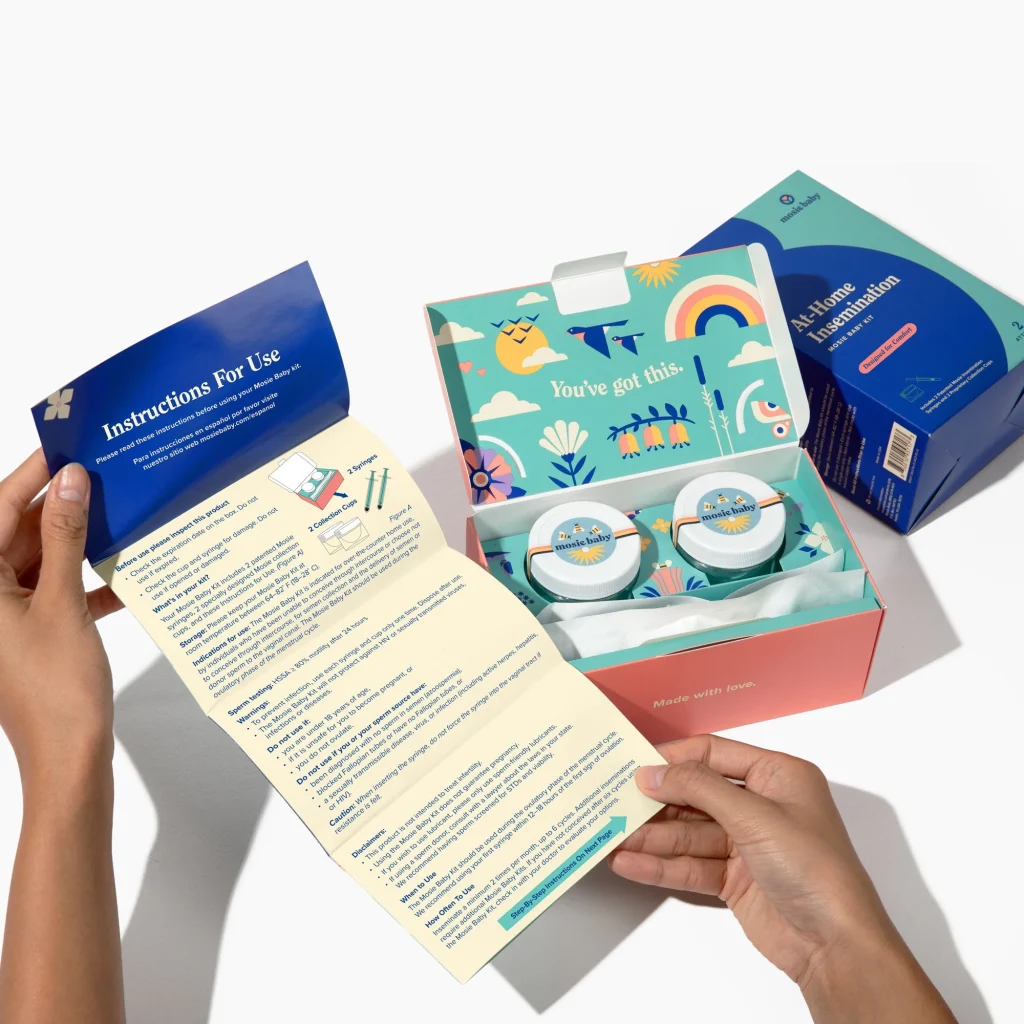
    Home insemination kit by Mosie Baby with instructions and colorful packaging.

    The Future of Fertility: The Rise of Home Insemination

    One of the primary benefits of home insemination is the privacy and comfort it provides. Many individuals and couples feel more at ease performing the procedure in their own home rather than in a clinical setting. This can also reduce the stress and pressure often associated with fertility treatments.

    Home insemination also offers a more natural approach to conception, as it mimics the process of natural intercourse. This can be especially appealing to those who are uncomfortable with the idea of using fertility drugs or undergoing invasive procedures.

    Additionally, home insemination can be a more cost-effective option, as it eliminates the need for expensive fertility clinic visits and treatments. It also allows for more flexibility in terms of timing and frequency of insemination attempts.

    Challenges and Concerns

    While home insemination may seem like a simple and convenient solution for fertility, there are also some challenges and concerns that should be considered. One of the main concerns is the accuracy and safety of the procedure. Without proper training and guidance, there is a risk of infection or injury. It is important for individuals and couples to thoroughly research and educate themselves on the proper techniques and precautions before attempting home insemination.

    Another concern is the lack of regulation and oversight in the home insemination industry. Unlike traditional fertility clinics, there are no strict guidelines or protocols in place for home insemination. This can lead to discrepancies in the quality and reliability of products and services being offered.

    The Future of Home Insemination

    As home insemination continues to gain popularity, it is likely that we will see further advancements and innovations in this area. With the increasing use of technology, we may see the development of more sophisticated at-home fertility kits and tools that make the process even easier and more accurate.

    There is also the potential for home insemination to become a more widely accepted and regulated practice. As more individuals and couples turn to this method of conception, there may be a push for stricter guidelines and oversight to ensure the safety and effectiveness of the procedure.

    Summary

    The rise of home insemination is a reflection of the changing landscape of fertility and the increasing demand for more affordable and accessible options. While there are concerns and challenges surrounding this practice, it also offers numerous benefits and potential for further advancements in the future. Whether it becomes a mainstream method of conception or remains a niche option, the rise of home insemination is certainly a significant trend in the world of fertility.

  • Creating a Safe and Sterile Environment for Home Insemination

    Creating a Safe and Sterile Environment for Home Insemination: A Step-by-Step Guide

    Home insemination has become a popular option for couples and individuals looking to conceive without the help of a medical professional. It offers a more private and cost-effective alternative to traditional fertility treatments. However, when it comes to home insemination, it is important to ensure that the environment is safe and sterile to avoid any potential risks or complications. In this blog post, we will discuss the steps you can take to create a safe and sterile environment for home insemination.

    Step 1: Gather all the necessary materials

    Before starting the insemination process, it is crucial to gather all the necessary materials and equipment. This includes a sterile syringe, specimen collection cup, sterile container, sterile lubricant, ovulation predictor kit, and any other items recommended by your healthcare provider. Make sure to check the expiration dates on all materials and dispose of any expired items.

    Step 2: Clean and disinfect the workspace

    The first step in creating a safe and sterile environment is to clean and disinfect the workspace. Start by wiping down all surfaces with a disinfectant cleaner. Pay special attention to the area where the insemination will take place, as well as any equipment that will be used. It is also important to wash your hands thoroughly with soap and water before handling any materials.

    Step 3: Prepare the specimen

    Before proceeding with the insemination, it is important to properly prepare the specimen. If using fresh semen, make sure it is collected in a sterile container and kept at body temperature until ready to use. If using frozen semen, follow the instructions provided by the sperm bank or fertility clinic for thawing and handling the specimen.

    logo featuring a pink heart above two teal leaves on a blue circular background

    Creating a Safe and Sterile Environment for Home Insemination

    Step 4: Use a sterile syringe

    When it comes to home insemination, it is important to use a sterile syringe. This means using a new, unopened syringe for each insemination attempt. It is also important to avoid touching the tip of the syringe or allowing it to come into contact with any surfaces before use. This will help prevent any bacteria or contaminants from entering the uterus.

    Step 5: Use sterile lubricant

    While lubricant can be helpful in making the insemination process more comfortable, it is important to use a sterile lubricant to avoid any potential contamination. Choose a water-based lubricant over oil-based ones as they are less likely to interfere with sperm motility. Apply the lubricant to both the syringe and the cervix before insertion.

    Step 6: Time the insemination correctly

    Timing is everything when it comes to home insemination. Make sure to use an ovulation predictor kit to determine the most fertile days of your menstrual cycle. It is recommended to inseminate on the day of ovulation or one day before to maximize the chances of conception. It is also important to follow the instructions provided with the kit to ensure accurate results.

    Step 7: Clean up and dispose of materials properly

    Once the insemination is complete, it is important to properly clean up and dispose of all materials. Dispose of the syringe and any other single-use items in a biohazard bag or container. Wash and disinfect any reusable equipment thoroughly before storing them away.

    In summary, creating a safe and sterile environment for home insemination involves gathering all necessary materials, cleaning and disinfecting the workspace, preparing the specimen, using a sterile syringe and lubricant, timing the insemination correctly, and properly cleaning up and disposing of materials. Following these steps will help minimize the risk of any potential complications and increase the chances of a successful home insemination.

  • The Evolution of Home Insemination: A Historical Perspective

    Blog Post Title: The Evolution of Home Insemination: A Historical Perspective

    In today’s modern world, the concept of home insemination may seem like a relatively new and unconventional method of starting a family. However, the practice of insemination at home has a long and fascinating history that dates back centuries. From ancient civilizations to modern-day technologies, the evolution of home insemination has been shaped by various cultural, social, and scientific factors. In this blog post, we will take a historical journey and explore how home insemination has evolved over time.

    Ancient Practices: Insemination as a Fertility Ritual

    The earliest recorded forms of home insemination can be traced back to ancient civilizations such as Egypt and Greece. In these societies, the ability to bear children was highly valued, and barrenness was often seen as a curse. As a result, various fertility rituals and practices were developed to increase the chances of conception. One such practice was the use of donor semen, either through sexual intercourse or by inserting it into the woman’s vagina using a syringe made from animal bladder or a hollow reed.

    Medieval Europe: The Practice of “Cuckoldry”

    During the Middle Ages, the concept of home insemination took a different turn in Europe. It was common for wealthy men to hire a male servant to impregnate their wives while they were away. This practice, known as “cuckoldry,” was seen as a way to ensure the husband’s lineage and inheritance. The servant would often leave his semen in a cup or bowl, and the wife would then use a syringe or a cloth to insert it into her vagina.

    Artificial Insemination: From Animals to Humans

    The 18th and 19th centuries saw significant advancements in the field of artificial insemination, primarily in the animal breeding industry. In 1780, Italian physiologist Lazzaro Spallanzani conducted experiments on dogs and rabbits, successfully impregnating them with semen from a male of the same species. This laid the foundation for the use of artificial insemination in human reproduction.

    In 1884, French physician Dr. Jacques-Antoine Marthurin Théophile Dubois performed the first recorded human artificial insemination procedure, using fresh semen from a donor. This sparked controversy, and many considered it to be immoral and unnatural. However, it paved the way for further developments in the field of human artificial insemination.

    at-home insemination kit by Mosie Baby, featuring syringes, collection cups, and instructions on a pink background.

    The Evolution of Home Insemination: A Historical Perspective

    The 20th Century: The Rise of Sperm Banks

    The 20th century saw a significant shift in the practice of home insemination, with the establishment of the first sperm bank in 1945 in Iowa, USA. This marked the beginning of a new era, where donor semen could be collected, stored, and used for insemination at a later time. This development was a game-changer for many couples struggling with infertility, as it provided them with a viable alternative to traditional methods of conception.

    Home Insemination Today: The Role of Technology

    In the 21st century, home insemination has become a popular choice for many couples and individuals looking to start a family. With advancements in technology, the process has become more accessible, affordable, and efficient. Insemination kits, which include syringes, cups, and instructions, can now be purchased online or at pharmacies, making the process more convenient and discreet.

    The rise of the internet and social media has also played a significant role in the evolution of home insemination. Online communities and forums have emerged, providing a platform for individuals to connect, share their experiences, and offer support to those considering home insemination.

    The Future of Home Insemination

    As technology continues to advance, the future of home insemination looks promising. In recent years, there has been a rise in at-home fertility testing kits, which allow individuals to track their ovulation and fertility levels. These kits, along with advancements in home insemination techniques, can potentially increase the success rates of at-home insemination.

    Summary:

    In conclusion, home insemination has come a long way from its ancient roots as a fertility ritual to a popular method of assisted reproduction today. From using animal bladders as syringes to the establishment of sperm banks and the use of technology, the evolution of home insemination has been influenced by various cultural, social, and scientific factors. With further advancements in technology and accessibility, the future of home insemination looks bright, providing individuals and couples with a viable and convenient option to start a family.

  • Preparing Your Body and Mind for Home Insemination

    Preparing Your Body and Mind for Home Insemination: A Guide to a Successful Journey

    Home insemination, also known as self-insemination, is a method of conceiving a child without the intervention of a medical professional. This option is often chosen by couples who are struggling with fertility issues, same-sex couples, and single individuals who want to start a family. While home insemination can be a more affordable and convenient option, it is still crucial to prepare your body and mind for this journey. In this blog post, we will discuss the steps you can take to prepare yourself physically, emotionally, and mentally for home insemination.

    Physical Preparation:
    Before embarking on the journey of home insemination, it is essential to ensure that your body is in good physical health. This includes getting a full medical check-up and discussing your plans with your doctor. Your doctor can advise you on any necessary steps to take before attempting home insemination, such as taking prenatal vitamins or making lifestyle changes.

    Another crucial aspect of physical preparation is tracking your ovulation cycle. Ovulation is the process of releasing an egg from the ovary, and it is the most fertile time of the month for women. By tracking your ovulation, you can determine the best time to attempt home insemination. This can be done through various methods, such as tracking your basal body temperature, using ovulation predictor kits, or monitoring changes in your cervical mucus.

    It is also essential to pay attention to your diet and exercise routine. Eating a balanced and nutritious diet and maintaining a healthy weight can help improve your overall fertility. Regular exercise can also boost fertility by reducing stress and maintaining a healthy body weight.

    illustration comparing standard and Mosie syringe openings with text highlighting design benefits for home insemination

    Preparing Your Body and Mind for Home Insemination

    Emotional Preparation:
    Home insemination can be an emotional journey, and it is crucial to prepare yourself mentally and emotionally. It is essential to have open and honest conversations with your partner (if you have one) about your expectations, fears, and concerns. If you are attempting home insemination as a single individual, it is equally important to have a support system in place, whether it be friends, family, or a therapist.

    It is also crucial to manage your stress levels during this process. Stress can have a significant impact on fertility, so finding healthy coping mechanisms such as exercise, meditation, or talking to a therapist can be beneficial. Additionally, practicing relaxation techniques, such as deep breathing or yoga, can help you stay calm during the insemination process.

    Mental Preparation:
    Home insemination requires a certain level of mental preparedness, as it involves performing a medical procedure on yourself or your partner. It is essential to educate yourself on the process and gather all the necessary supplies, such as a sperm collection device, a sterile syringe, and a speculum (if needed). You can also seek guidance from a healthcare professional or attend a home insemination workshop to ensure that you are fully prepared.

    It is also crucial to have a plan in place in case the home insemination is not successful. This can involve deciding how many attempts you are willing to make, exploring other options such as fertility treatments or adoption, and seeking support from your partner or a therapist.

    In summary, preparing your body and mind for home insemination is crucial for a successful journey. Physically, it is essential to ensure that your body is in good health, track your ovulation cycle, and maintain a healthy diet and exercise routine. Emotionally, it is important to have open and honest communication with your partner or support system and manage your stress levels. Mentally, educating yourself on the process and gathering all necessary supplies is essential, as well as having a plan in case of unsuccessful attempts.

    By taking these steps to prepare yourself, you can increase your chances of a successful home insemination and start your journey to parenthood with confidence.

  • Maximizing Your Chances of Success with a Home Insemination Solution Set

    Blog Post Title: Maximizing Your Chances of Success with a Home Insemination Solution Set

    When it comes to starting a family, there are many different paths that individuals and couples can take. For some, traditional methods of conception may not be feasible or may not align with their personal preferences. This is where home insemination comes in as a viable option. With a home insemination solution set, individuals and couples can take control of their fertility journey from the comfort of their own home. However, with this comes the responsibility of maximizing the chances of success. In this blog post, we will discuss ways to increase the chances of success with a home insemination solution set.

    1. Understand the Basics of Home Insemination

    Before diving into the process of home insemination, it is important to have a basic understanding of how it works. Home insemination involves using donor sperm to fertilize an egg, either through sexual intercourse or through an insemination kit. It is a less invasive and more affordable option compared to other fertility treatments. However, it is essential to consult with a healthcare professional to ensure that home insemination is the right option for you and to understand the process in detail.

    2. Choose the Right Solution Set

    There are various home insemination solution sets available in the market, each with its own unique features and benefits. It is crucial to research and choose the right one that fits your needs and budget. Some solution sets come with a syringe, while others have a cervical cap or soft cup. Additionally, some may include ovulation predictor kits or pregnancy tests. Consider the features that are important to you and choose a solution set that aligns with your preferences.

    3. Track Your Ovulation

    Timing is everything when it comes to home insemination. It is essential to track your ovulation to determine when you are most fertile. This can be done through ovulation predictor kits, tracking your basal body temperature, or by monitoring changes in your cervical mucus. By knowing your ovulation schedule, you can plan for home insemination during your most fertile days, increasing the chances of success.

    at-home insemination kit by Mosie Baby, featuring syringes and containers for comfort and convenience.

    Maximizing Your Chances of Success with a Home Insemination Solution Set

    4. Prepare for the Insemination Process

    Preparing for the insemination process is crucial to maximize the chances of success. This includes keeping the solution set, donor sperm, and other necessary items within easy reach. It is also recommended to create a relaxing and comfortable environment to reduce stress and increase the chances of sperm reaching the egg. Additionally, it is crucial to follow the instructions provided with the solution set carefully to ensure the process is done correctly.

    5. Consider Using a Fertility Lubricant

    Using a fertility lubricant can improve the chances of sperm reaching the egg during home insemination. Regular lubricants can be harmful to sperm, so it is essential to choose a fertility-friendly one. These lubricants are specifically designed to mimic the natural cervical mucus and support the survival and movement of sperm.

    6. Have Patience and Stay Positive

    One of the most important things to remember during the home insemination process is to have patience and stay positive. It may take multiple attempts to achieve a successful pregnancy, and it is essential not to get discouraged. Stress and negative emotions can affect fertility, so it is crucial to remain optimistic and take care of your mental health throughout the journey.

    7. Seek Professional Help if Needed

    While home insemination is a great option for many, it may not be suitable for everyone. If you have been trying for a while without success, it may be time to seek professional help. A fertility specialist can help identify any underlying issues and provide guidance on the best course of action. They may also be able to provide a more personalized and effective solution for your specific needs.

    In conclusion, home insemination can be a successful option for individuals and couples looking to start a family. By understanding the basics, choosing the right solution set, tracking ovulation, preparing for the process, using fertility lubricants, and maintaining a positive mindset, individuals can maximize their chances of success. However, it is essential to remember that every individual’s fertility journey is unique, and seeking professional help may be necessary in some cases.