Tag: ovulation

  • The Science Behind At-Home Conception: How Does It Work?

    Blog Post: The Science Behind At-Home Conception: How Does It Work?

    Conceiving a child is a natural process that occurs when a woman’s egg is fertilized by a man’s sperm. While this process may seem simple, there are many factors at play that influence the success of conception. With the advancement of technology, there are now ways to monitor and improve fertility in the comfort of your own home. In this blog post, we will dive into the science behind at-home conception and explore how it works.

    Understanding the Menstrual Cycle

    Before we can discuss at-home conception methods, it’s important to understand the menstrual cycle. The menstrual cycle is the monthly process that prepares a woman’s body for pregnancy. It typically lasts for 28 days and is divided into three phases: follicular, ovulatory, and luteal.

    The follicular phase begins on the first day of a woman’s period and lasts for about 14 days. During this phase, the hormone estrogen increases, causing the lining of the uterus to thicken in preparation for a potential pregnancy.

    The ovulatory phase occurs around day 14 of the menstrual cycle when a surge of luteinizing hormone (LH) triggers the release of an egg from the ovary. This is the most fertile time of the cycle, and the egg can survive for 12-24 hours.

    The luteal phase begins after ovulation and lasts for about 14 days. During this phase, the hormone progesterone increases, causing the uterine lining to thicken even more to support a potential pregnancy.

    Tracking Ovulation at Home

    One of the key factors in successful conception is timing. Ovulation must occur for pregnancy to be possible, and it only happens once a month. This is where at-home conception methods come into play.

    Ovulation predictor kits (OPKs) are a popular at-home method for tracking ovulation. These kits detect the surge of LH in urine, indicating that ovulation is about to occur. They work similarly to pregnancy tests, with a positive result indicating that ovulation will occur within the next 24-36 hours.

    Another method for tracking ovulation is by monitoring basal body temperature (BBT). This involves taking your temperature every morning before getting out of bed and charting it. A slight rise in BBT indicates that ovulation has occurred. While this method is not as precise as OPKs, it can help pinpoint the timing of ovulation.

    Two transparent syringes with teal accents positioned diagonally on a light gray background.

    The Science Behind At-Home Conception: How Does It Work?

    Improving Fertility at Home

    For couples trying to conceive, there are also at-home methods that can help improve fertility. One of these methods is fertility supplements. These supplements often contain vitamins, minerals, and herbs that support reproductive health and increase the chances of conception.

    Another way to boost fertility at home is through a healthy diet and lifestyle. Eating a balanced diet, exercising regularly, and managing stress can all contribute to improving fertility. Additionally, avoiding alcohol, tobacco, and excessive caffeine can also benefit fertility.

    Intrauterine Insemination (IUI) at Home

    Intrauterine insemination (IUI) is a fertility treatment that involves placing sperm directly into a woman’s uterus during ovulation. While this procedure is typically done in a doctor’s office, there are now at-home IUI kits available for couples to use in the comfort of their own home.

    The process involves using a catheter to insert the sperm into the uterus, bypassing the cervix to increase the chances of fertilization. Before attempting an at-home IUI, it’s important to consult with a healthcare professional and ensure that both partners are healthy and have no underlying fertility issues.

    In Vitro Fertilization (IVF) at Home

    In vitro fertilization (IVF) is a more advanced fertility treatment that involves combining eggs and sperm in a laboratory dish and then transferring the resulting embryo into the uterus. While this procedure is usually done in a fertility clinic, there are now at-home IVF kits available for those who prefer to undergo the procedure in the comfort of their own home.

    The process involves taking fertility medications to stimulate egg production, retrieving the eggs, and fertilizing them with sperm in a laboratory. The resulting embryo is then transferred into the uterus for implantation. It’s important to note that at-home IVF treatments are not as effective as those performed in a fertility clinic and should only be done under the guidance of a healthcare professional.

    Summary:

    The process of conception may seem simple, but there are many factors at play that can influence its success. At-home conception methods, such as tracking ovulation, improving fertility, and using fertility treatments like IUI and IVF, have made it possible for couples to increase their chances of conceiving in the comfort of their own home. However, it’s important to consult with a healthcare professional before attempting any at-home fertility methods to ensure safety and effectiveness.


  • At-Home Insemination Techniques: From the Basics to Advanced Methods

    At-Home Insemination Techniques: From the Basics to Advanced Methods

    Insemination is a common method used to help couples conceive a child. While traditionally this procedure is done in a medical setting, more and more couples are turning to at-home insemination techniques as a more affordable and convenient option. In this blog post, we will cover the basics of at-home insemination and discuss some advanced methods that can increase the chances of success.

    The Basics of At-Home Insemination:

    At-home insemination involves placing sperm into the female’s reproductive tract in order to fertilize an egg. This can be done using a variety of methods, including the use of a syringe, cervical cap, or soft cup. Before attempting at-home insemination, it is important for the couple to understand their fertility cycle and ovulation.

    Tracking Ovulation:

    Ovulation is the process of the release of an egg from the ovary. This is the most fertile time in a woman’s cycle and is the best time to attempt insemination. There are various methods for tracking ovulation, including using ovulation predictor kits, tracking basal body temperature, and monitoring cervical mucus. It is important for the couple to find the method that works best for them and to consistently track ovulation to increase the chances of success.

    Preparing Sperm for Insemination:

    Before attempting at-home insemination, it is important to prepare the sperm to increase its chances of survival and fertilization. Fresh sperm is the most effective, but if using frozen or donated sperm, it is important to follow the instructions for thawing and handling carefully. To increase the chances of success, it is recommended to keep the sperm at room temperature for 15-20 minutes before insemination.

    At-Home Insemination Techniques:

    1. Syringe Method

    The syringe method involves using a sterile syringe to collect the sperm and then injecting it into the vagina near the cervix. This method is simple and effective, but it is important to make sure the syringe is sterile and that the sperm is kept at room temperature for optimal survival.

    At-home insemination kit with ovulation and pregnancy tests, promoting fertility and family planning.

    At-Home Insemination Techniques: From the Basics to Advanced Methods

    2. Cervical Cap Method

    The cervical cap method involves using a flexible silicone cup to collect the sperm and then inserting it into the vagina, covering the cervix. This method is slightly more complicated than the syringe method, but it allows for the sperm to stay in the reproductive tract for a longer period of time, increasing the chances of fertilization.

    3. Soft Cup Method

    The soft cup method involves using a disposable menstrual cup to collect the sperm and then placing it in the vagina, covering the cervix. This method is similar to the cervical cap method but is easier to use and can be worn for up to 12 hours, giving the sperm more time to reach the egg.

    Advanced At-Home Insemination Techniques:

    1. Intrauterine Insemination (IUI)

    Intrauterine insemination (IUI) is a more advanced technique that involves placing the sperm directly into the uterus using a catheter. This method is more invasive and requires a doctor’s prescription, but it can be done at home with the use of a special kit.

    2. Fertility Medication

    Fertility medication can be used to stimulate ovulation and increase the chances of conception. This method is often used in combination with at-home insemination techniques to increase the chances of success.

    3. Home Insemination Kits

    There are various home insemination kits available in the market that provide all the necessary tools and instructions for at-home insemination. These kits are convenient and can increase the chances of success, especially for couples who are new to the process.

    In conclusion, at-home insemination techniques are a viable option for couples who are trying to conceive. It is important to understand the basics of at-home insemination and to consistently track ovulation to increase the chances of success. Advanced techniques such as IUI and fertility medication can also be used to increase the chances of conception. With proper preparation and techniques, at-home insemination can be a successful method for couples to start a family.

  • At-Home Conception 101: Understanding the Process

    At-Home Conception 101: Understanding the Process

    Conceiving a child is a natural and exciting part of life for many couples. However, for some, the process may not come as easily as expected. In such cases, couples may turn to assisted reproductive technologies or fertility treatments. But before jumping into these options, it is essential to understand the basics of at-home conception.

    In this blog post, we will dive into the process of at-home conception, including the steps involved, factors that can affect fertility, and tips for increasing the chances of conception.

    Step 1: Understanding the Menstrual Cycle

    The menstrual cycle is a crucial factor in at-home conception. It is the monthly process that prepares a woman’s body for pregnancy. The cycle begins on the first day of a woman’s period and lasts until the first day of her next period. On average, a woman’s menstrual cycle is 28 days, but it can vary between 21 to 35 days.

    During the menstrual cycle, the body goes through several changes, including the release of an egg from the ovaries, thickening of the uterine lining, and a rise in hormones. These changes are essential for successful conception.

    Step 2: Tracking Ovulation

    Ovulation is the process of an egg being released from the ovaries, making it available for fertilization. It usually occurs in the middle of the menstrual cycle, around day 14 for women with a 28-day cycle. However, it can vary from woman to woman.

    Tracking ovulation is crucial for at-home conception, as it helps determine the most fertile days for a woman. Some methods for tracking ovulation include using ovulation predictor kits, tracking basal body temperature, or monitoring changes in cervical mucus.

    Step 3: Timing Intercourse

    pregnancy test kit features labeled for comfort and confidence on a teal background

    At-Home Conception 101: Understanding the Process

    The key to at-home conception is timing intercourse around the ovulation period. The most fertile days for a woman are the two days leading up to ovulation and the day of ovulation itself. Sperm can survive in a woman’s body for up to five days, so having intercourse before ovulation increases the chances of conception.

    Step 4: Understanding Fertility Factors

    Several factors can affect fertility and make it challenging to conceive at home. These include age, health conditions, lifestyle habits, and environmental factors.

    Age plays a significant role in fertility, as a woman’s egg quantity and quality decline with age. Health conditions such as polycystic ovary syndrome (PCOS), endometriosis, and thyroid disorders can also affect fertility. Lifestyle habits like smoking, excessive alcohol consumption, and being overweight can also reduce the chances of conception.

    Environmental factors such as exposure to toxins and radiation can also harm fertility. It is crucial to discuss any concerns about these factors with a healthcare provider to take the necessary precautions.

    Step 5: Tips for Increasing the Chances of Conception

    While there is no foolproof method for at-home conception, some steps can help increase the chances of conceiving. These include maintaining a healthy weight, quitting smoking, reducing alcohol consumption, and managing stress levels.

    Eating a balanced diet, including foods rich in folic acid, iron, and antioxidants, can also improve fertility. Additionally, taking prenatal vitamins can help prepare the body for pregnancy.

    Summary:

    At-home conception is a natural and exciting process for many couples looking to start a family. Understanding the menstrual cycle, tracking ovulation, timing intercourse, and considering fertility factors are crucial steps in the process. It is also essential to maintain a healthy lifestyle and discuss any concerns with a healthcare provider. By following these steps, couples can increase their chances of successful at-home conception.

  • The Ultimate Guide to At-Home Conception

    Blog Post Title: The Ultimate Guide to At-Home Conception

    Summary:

    Conceiving a child is a major decision and can be a challenging journey for many couples. While there are various options available for assisted conception, some couples may prefer to try to conceive at home. In this comprehensive guide, we will explore the different factors that can affect conception and provide tips and strategies for successfully conceiving at home.

    First, it is important to understand the basics of conception. The process of conception involves a man’s sperm fertilizing a woman’s egg, which then implants itself in the woman’s uterus. This usually occurs during a woman’s fertile window, which is typically around the time of ovulation. Understanding the menstrual cycle and tracking ovulation is crucial for at-home conception.

    The next step is to make some lifestyle changes that can improve your chances of conception. This includes maintaining a healthy weight, eating a nutritious diet, and quitting unhealthy habits like smoking and excessive alcohol consumption. Regular exercise and managing stress levels can also have a positive impact on fertility.

    Tracking ovulation is key to successful at-home conception. There are various methods available, such as tracking basal body temperature, monitoring cervical mucus, and using ovulation predictor kits. By understanding your body’s ovulation patterns, you can time intercourse during your most fertile days.

    At-home insemination kit with syringes and collection cups on a teal background.

    The Ultimate Guide to At-Home Conception

    It is also important to pay attention to your partner’s health. Men’s sperm health can greatly impact fertility. To improve sperm quality, men should maintain a healthy weight, avoid excessive alcohol and drug use, and reduce stress levels. Certain vitamins and supplements, such as folic acid and zinc, can also improve sperm health.

    In addition to lifestyle changes, there are certain home remedies and techniques that can boost fertility. These include acupuncture, herbal supplements, and fertility massages. However, it is important to consult with a healthcare provider before trying any home remedies, as they may not be suitable for everyone.

    While trying to conceive at home, it is important to maintain a positive mindset and reduce stress levels. Stress can negatively impact fertility and can also affect the relationship between partners. Engaging in stress-reducing activities such as yoga, meditation, and spending quality time with your partner can help increase your chances of conception.

    In some cases, couples may face challenges with fertility and may need additional support. Seeking help from a fertility specialist can provide valuable insight and guidance. They can conduct fertility tests and provide treatment options such as fertility medications, intrauterine insemination (IUI), or in vitro fertilization (IVF).

    Lastly, it is important to communicate openly and support each other throughout the journey of at-home conception. It can be a rollercoaster ride with its highs and lows, but having a strong support system and being on the same page as your partner can make the process smoother.

    In conclusion, at-home conception requires a combination of understanding your body, making lifestyle changes, tracking ovulation, and maintaining a positive mindset. With proper planning and support, many couples can successfully conceive at home. However, it is important to remember that every couple’s journey is unique and seeking professional guidance and support is always an option.

    SEO Metadata:

  • Maximizing Your Chances of Success with the Non-Invasive Insemination Kit

    Maximizing Your Chances of Success with the Non-Invasive Insemination Kit

    When it comes to starting a family, many couples face challenges and obstacles that can make the process of conception difficult. For those who are struggling with fertility issues, the use of a non-invasive insemination kit may offer a simpler and more affordable alternative to traditional fertility treatments. However, as with any medical procedure, there are steps that can be taken to maximize the chances of success. In this blog post, we will discuss the key factors that can influence the success of using a non-invasive insemination kit and provide tips on how to maximize your chances of success.

    What is a Non-Invasive Insemination Kit?

    A non-invasive insemination kit, also known as a home insemination kit, is a DIY approach to artificial insemination. It typically includes a soft silicone cup, a syringe, and a step-by-step guide for the process. The kit is designed to be used at home without the need for medical assistance, making it a more accessible and affordable option for couples struggling with fertility issues.

    Factors That Can Influence the Success of a Non-Invasive Insemination

    1. Timing

    One of the most crucial factors that can impact the success of a non-invasive insemination is timing. Ovulation, which is the release of an egg from the ovary, occurs once a month and usually lasts for 12 to 24 hours. The sperm needs to be present in the fallopian tubes during this time to fertilize the egg. Therefore, it is essential to track your menstrual cycle and pinpoint your ovulation window for the best chances of success.

    2. Sperm Quality

    Another critical factor that can affect the success of a non-invasive insemination is the quality of sperm. The sperm used in the insemination process should be healthy, motile, and have a high sperm count. It is recommended to get a semen analysis done to ensure that the sperm meets these criteria. If the sperm quality is not adequate, it may be necessary to explore other fertility treatment options.

    3. Proper Technique

    Using a non-invasive insemination kit requires following the proper technique for the best chances of success. The kit usually comes with a detailed guide on how to use it correctly. It is essential to read and understand the instructions carefully and follow them precisely. Any deviation from the recommended technique can significantly reduce the chances of success.

    4. Age

    Age can also play a significant role in the success of a non-invasive insemination. Women over the age of 35 may have a lower chance of conceiving using this method due to a decline in fertility as they age. It is recommended to consult with a doctor before using the kit, especially for women over the age of 35.

    5. Lifestyle Factors

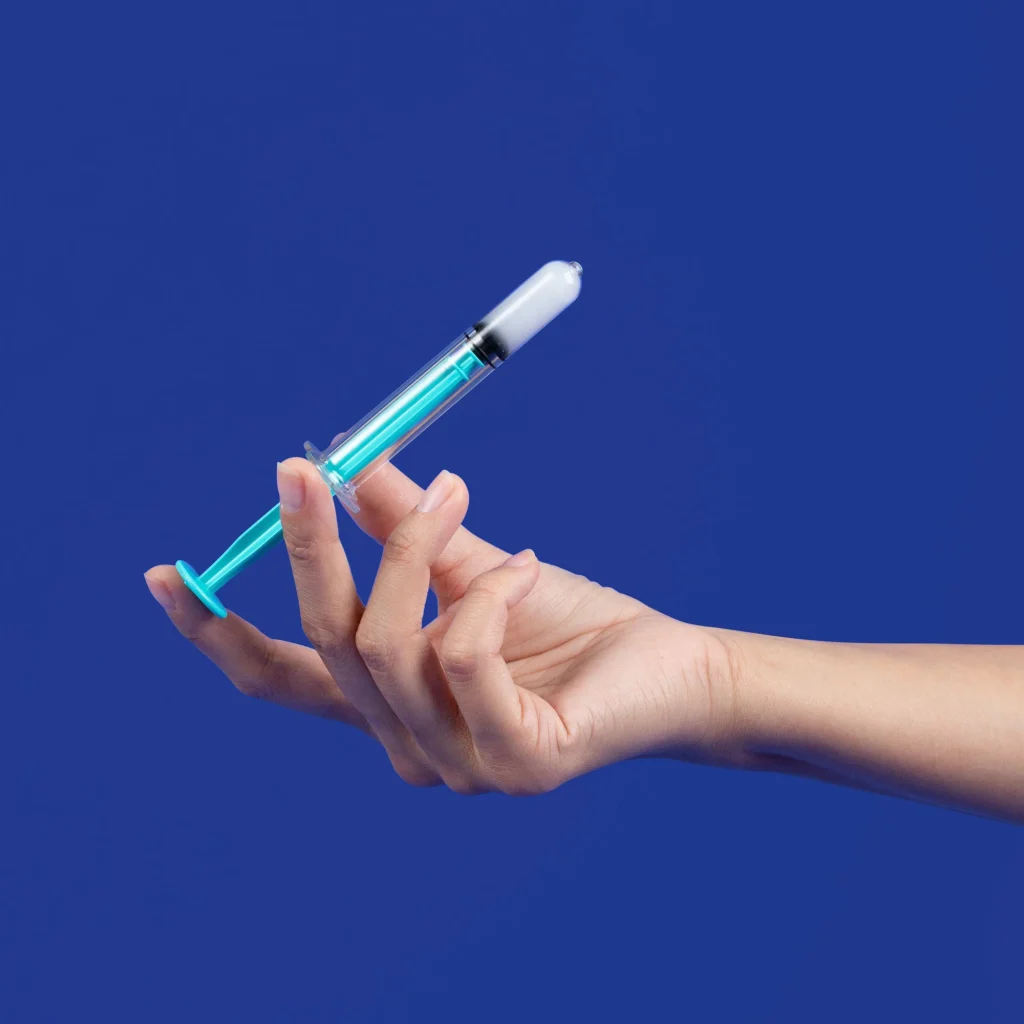
    hand holding a syringe with a blue plunger against a solid blue background

    Maximizing Your Chances of Success with the Non-Invasive Insemination Kit

    Certain lifestyle factors can also impact the success of a non-invasive insemination. Smoking, excessive alcohol consumption, and being overweight can all reduce fertility and decrease the chances of success. It is crucial to maintain a healthy lifestyle and make any necessary lifestyle changes to optimize your chances of conceiving.

    Tips for Maximizing Your Chances of Success with a Non-Invasive Insemination Kit

    1. Chart Your Menstrual Cycle

    As mentioned earlier, timing is crucial when it comes to using a non-invasive insemination kit. Keep track of your menstrual cycle and use ovulation predictor kits to pinpoint your ovulation window. This will help you determine the best time to use the kit for the highest chances of success.

    2. Optimize Sperm Quality

    To ensure that the sperm used in the insemination process is of high quality, it is essential to take steps to optimize sperm health. This includes maintaining a healthy diet, exercising regularly, and avoiding harmful substances such as cigarettes and excessive alcohol consumption.

    3. Use the Insemination Kit Correctly

    Following the proper technique for using the non-invasive insemination kit is crucial for success. Make sure to read and understand the instructions carefully, and if necessary, seek guidance from a healthcare professional.

    4. Consider Supplemental Techniques

    Some couples may choose to combine the use of a non-invasive insemination kit with other techniques, such as fertility supplements or acupuncture, to further increase their chances of success. It is essential to consult with a doctor before trying any supplemental techniques.

    5. Stay Positive and Relaxed

    The process of trying to conceive can be stressful, but it is crucial to stay positive and relaxed throughout the process. Stress can negatively impact fertility and decrease the chances of success. Consider practicing relaxation techniques, such as yoga or meditation, to keep stress levels under control.

    In conclusion, using a non-invasive insemination kit can be an accessible and affordable option for couples struggling with fertility issues. By considering the factors that can influence success and following the tips provided, you can increase your chances of success with this method. Remember to consult with a healthcare professional for personalized advice and support throughout the process.

    SEO metadata:

  • Maximizing Your Chances of Conception with the Non-Invasive Insemination Kit

    Blog Post Title: Maximizing Your Chances of Conception with the Non-Invasive Insemination Kit

    Summary:

    Conception can be a challenging and emotional journey for many couples. The thought of invasive procedures and expensive treatments can be overwhelming and discouraging. However, with advancements in technology, there is now a non-invasive option for conception – the Non-Invasive Insemination (NII) Kit.

    The NII Kit is a simple and affordable at-home insemination method that can significantly increase your chances of conception. In this blog post, we will discuss the benefits of using the NII Kit and provide tips on how to maximize your chances of conception with this non-invasive option.

    First, let’s understand what the NII Kit is and how it works. The NII Kit is a medical-grade, FDA-approved device that uses a cervical cap and a small catheter to deliver sperm directly to the cervix. This method mimics natural conception, making it a more effective option for couples who are struggling to conceive.

    One of the significant benefits of using the NII Kit is that it can be used in the comfort of your own home. This eliminates the need for frequent visits to the doctor and can reduce the stress and anxiety associated with fertility treatments. Additionally, the NII Kit is significantly more affordable than traditional fertility treatments, making it a viable option for couples on a budget.

    Now, let’s discuss how you can maximize your chances of conception with the NII Kit.

    1. Plan Your Ovulation Window

    Timing is crucial when it comes to conception, and the NII Kit is no exception. It is essential to track your ovulation cycle and plan to use the NII Kit during your most fertile days. You can use ovulation predictor kits or basal body temperature tracking to determine your ovulation window.

    2. Prepare Your Body

    comparison of Mosie syringe opening versus standard syringe opening with text highlighting benefits

    Maximizing Your Chances of Conception with the Non-Invasive Insemination Kit

    Preparing your body for conception is vital to maximize your chances of success. Eating a healthy and balanced diet, exercising regularly, and reducing stress can all contribute to a healthy reproductive system. Additionally, taking prenatal vitamins and supplements, such as folic acid, can also improve your chances of conception.

    3. Follow the Instructions Carefully

    The NII Kit comes with detailed instructions that must be followed carefully. The kit includes a cervical cap, a catheter, and a syringe. It is essential to assemble the cap and catheter correctly and use the syringe to deposit the sperm into the cap. Make sure to read the instructions thoroughly and ask for help if needed.

    4. Choose the Right Sperm Donor

    If you are using donor sperm, it is crucial to choose a reputable and reliable sperm bank. The sperm should be screened for any genetic or infectious diseases, and the donor’s medical history should be thoroughly evaluated. You can also opt for known donors, such as family members or friends, but ensure that they go through the necessary testing and screening.

    5. Use the NII Kit Multiple Times During Your Ovulation Window

    To increase your chances of conception, it is recommended to use the NII Kit multiple times during your ovulation window. This will ensure that sperm is present in the cervix during the most fertile days, increasing the chances of fertilization.

    6. Relax and Stay Positive

    Conception can be a stressful and emotionally taxing journey. It is essential to relax and stay positive throughout the process. Stress can affect hormone levels and ovulation, making it harder to conceive. Stay optimistic, and remember that it may take a few tries before successfully conceiving.

    In conclusion, the Non-Invasive Insemination Kit is a simple and affordable option for couples struggling with conception. By following these tips, you can maximize your chances of success and make the journey to parenthood a little less daunting.

  • DIY Baby-Making: Essential Tools for Tracking Your Basal Body Temperature

    Blog Post Title: DIY Baby-Making: Essential Tools for Tracking Your Basal Body Temperature

    Summary:

    Many couples struggle with fertility issues and turn to expensive medical procedures to conceive a child. However, there are natural and cost-effective ways to increase your chances of getting pregnant, such as tracking your basal body temperature (BBT). BBT tracking is a simple and effective method of predicting ovulation and timing intercourse for optimal chances of conception. In this blog post, we will discuss the essential tools you need for tracking your BBT, including a basal body thermometer, charting system, and other helpful tips for successful DIY baby-making.

    Introduction:

    Before diving into the essential tools for BBT tracking, let’s first understand what BBT is and how it can help in conceiving a baby. BBT is the lowest body temperature that is reached during rest. It is usually measured first thing in the morning before getting out of bed. BBT is affected by the hormone changes in a woman’s body throughout her menstrual cycle. By tracking BBT, you can determine when you ovulate, which is the most fertile time of your cycle. This information is crucial for couples trying to conceive and can also help identify any underlying fertility issues.

    Essential Tools for Tracking Your BBT:

    1. Basal Body Thermometer:

    The first and most crucial tool for BBT tracking is a basal body thermometer. Unlike a regular thermometer, a basal body thermometer is more sensitive and can detect even the slightest changes in your body temperature. It is essential to use the same thermometer every day to ensure accuracy in your readings. You can purchase a basal body thermometer at your local drugstore or online. Look for one that has a memory function and displays the temperature in two decimal places for precise tracking.

    2. Charting System:

    The next essential tool for tracking your BBT is a charting system. This can be a paper chart, a fertility tracking app, or a spreadsheet. Your charting system will help you record and track your daily BBT readings. It also allows you to track other fertility signs such as cervical mucus, ovulation test results, and intercourse timing. There are many charting systems available online, and it’s best to choose one that is user-friendly and has features that suit your needs.

    sperm-ready insemination kit with a syringe and container, featuring a screw top lid and non-tip safety wall

    DIY Baby-Making: Essential Tools for Tracking Your Basal Body Temperature

    3. Ovulation Predictor Kit (OPK):

    While BBT tracking can help determine your fertile window, it may not be accurate for every woman. That’s where an ovulation predictor kit (OPK) comes in handy. An OPK measures the levels of luteinizing hormone (LH) in your urine, which surges 24-36 hours before ovulation. You can use an OPK in addition to BBT tracking to confirm when you are about to ovulate and time intercourse accordingly.

    4. Cervical Mucus Monitoring:

    Another natural indicator of ovulation is cervical mucus. As your body prepares for ovulation, your cervical mucus becomes clear, slippery, and stretchy, resembling raw egg whites. This type of mucus helps sperm travel through the cervix and into the fallopian tubes, increasing the chances of conception. By monitoring your cervical mucus, you can identify your most fertile days and time intercourse accordingly.

    5. Tips for Successful BBT Tracking:

    To ensure accurate and consistent BBT readings, here are some helpful tips to keep in mind:

    – Take your temperature at the same time every morning, preferably before 8 am.
    – Make sure to get at least three hours of uninterrupted sleep before taking your temperature.
    – Avoid taking your temperature after consuming alcohol or using a heating pad.
    – Record your temperature immediately after taking it, preferably before getting out of bed.
    – Use a separate alarm or reminder to take your temperature every morning.
    – Be patient and consistent with tracking your BBT. It may take a few cycles to understand your body’s patterns and ovulation timing accurately.

    Conclusion:

    Tracking your BBT is a simple and cost-effective way to increase your chances of conceiving a child. With the essential tools mentioned above and consistent tracking, you can identify your fertile window and time intercourse accordingly. It’s important to remember that BBT tracking is not a foolproof method and may not work for everyone. If you have been actively trying to conceive for over a year (or six months if you are over 35), it’s best to consult a doctor for further fertility testing.

    In summary, tracking your BBT is a natural and effective way to increase your chances of conceiving a child. The essential tools for BBT tracking include a basal body thermometer, charting system, OPK, and cervical mucus monitoring. By following the tips mentioned above and being consistent with tracking, you can improve your chances of successful DIY baby-making.

  • DIY Baby-Making: Essential Strategies for Conceiving with PCOS

    Blog post: DIY Baby-Making: Essential Strategies for Conceiving with PCOS

    Polycystic Ovarian Syndrome (PCOS) is a common hormonal disorder that affects many women of reproductive age. One of the main challenges of PCOS is difficulty in conceiving due to irregular ovulation and hormonal imbalances. This can be frustrating for women who are trying to start a family. However, with the right strategies and lifestyle changes, it is possible to conceive naturally even with PCOS. In this blog post, we will discuss essential DIY strategies for conceiving with PCOS.

    1. Understand your cycle and track ovulation

    The first step in trying to conceive with PCOS is to understand your menstrual cycle and track your ovulation. Women with PCOS often have irregular periods, making it difficult to pinpoint ovulation. Keeping track of your cycles and monitoring your basal body temperature can help you identify when you are most likely to ovulate. You can also use ovulation predictor kits to track your ovulation.

    2. Maintain a healthy weight

    Obesity and PCOS often go hand in hand, and excess weight can make it more challenging to conceive. Women with PCOS are at a higher risk of insulin resistance, which can lead to weight gain. Maintaining a healthy weight through a balanced diet and regular exercise can improve insulin sensitivity and help regulate ovulation.

    3. Follow a PCOS-friendly diet

    A PCOS-friendly diet should focus on whole foods, including lean proteins, complex carbohydrates, and healthy fats. Avoiding processed and sugary foods can help manage insulin levels and regulate hormones. Foods rich in antioxidants, such as fruits and vegetables, can also help reduce inflammation in the body and improve fertility.

    4. Consider supplements

    Supplements can be a helpful addition to a healthy diet when trying to conceive with PCOS. Inositol, a B vitamin, has been shown to improve insulin sensitivity and regulate ovulation in women with PCOS. Other supplements that may be beneficial include vitamin D, omega-3 fatty acids, and CoQ10.

    Mosie Baby ovulation test kit with packaging and instructions on a pink background.

    DIY Baby-Making: Essential Strategies for Conceiving with PCOS

    5. Manage stress

    High levels of stress can disrupt hormone balance and make it more difficult to conceive. It is essential to find ways to manage stress, such as practicing relaxation techniques, exercising, and getting enough sleep. Consider incorporating activities like yoga, meditation, or journaling into your daily routine to help reduce stress levels.

    6. Try acupuncture

    Acupuncture has been used for centuries to treat various health conditions, including infertility. Studies have shown that acupuncture can help improve ovulation and regulate menstrual cycles in women with PCOS. It may also reduce stress and improve blood flow to the reproductive organs, increasing the chances of conception.

    7. Discuss medication options with your doctor

    In some cases, lifestyle changes may not be enough to regulate ovulation and achieve pregnancy. Your doctor may prescribe medications such as clomiphene or letrozole to help stimulate ovulation. Metformin, a medication commonly used to treat diabetes, can also help regulate insulin levels and improve ovulation in women with PCOS.

    8. Consider assisted reproductive technologies

    If natural conception does not work, assisted reproductive technologies (ART) may be an option. Intrauterine insemination (IUI) and in vitro fertilization (IVF) are two common ART procedures that can help women with PCOS conceive. These procedures involve fertilizing eggs outside of the body and then transferring them into the uterus for implantation.

    In conclusion, conceiving with PCOS may require a bit more effort and patience, but it is possible. By understanding your cycle, maintaining a healthy lifestyle, and seeking medical help when needed, you can increase your chances of getting pregnant. Remember to be kind to yourself and seek support from loved ones during this journey.

    Summary:

    Conceiving with PCOS can be challenging, but with the right strategies, it is possible to achieve a successful pregnancy. Understanding your cycle, maintaining a healthy weight and diet, managing stress, and considering supplements and alternative therapies can all help regulate hormones and improve ovulation. If natural conception does not work, ART procedures may be an option. Remember to seek support from loved ones and be patient with yourself during this journey.

  • Maximizing Your Chances: DIY Baby-Making Essentials for Timing Intercourse

    Maximizing Your Chances: DIY Baby-Making Essentials for Timing Intercourse

    For couples trying to conceive, timing intercourse correctly is crucial. The window of opportunity for conception is limited, making it important for couples to understand their fertility and optimize their chances of getting pregnant. While there are many factors that can affect fertility, one of the most important is timing intercourse correctly. In this blog post, we will discuss DIY baby-making essentials for timing intercourse, including tracking ovulation, using ovulation prediction kits, incorporating lifestyle changes, and seeking medical advice.

    1. Tracking Ovulation
    The first step in maximizing your chances of conceiving is to understand your menstrual cycle and track ovulation. Ovulation is the process of releasing an egg from the ovary, which typically occurs around day 14 of a 28-day cycle. However, this can vary from woman to woman and even from month to month. To track ovulation, you can use an ovulation calculator or keep track of your basal body temperature (BBT). BBT rises by 0.5-1 degree Fahrenheit after ovulation, making it a reliable indicator of when you are most fertile.

    2. Using Ovulation Prediction Kits
    Another effective method for timing intercourse is using ovulation prediction kits (OPKs). These kits detect the surge of luteinizing hormone (LH) in your urine, which occurs 24-36 hours before ovulation. OPKs are easy to use and can be purchased over the counter. By using these kits, you can pinpoint your most fertile days and time intercourse accordingly.

    at-home insemination kit by Mosie Baby, featuring syringes and containers for comfort and convenience.

    Maximizing Your Chances: DIY Baby-Making Essentials for Timing Intercourse

    3. Incorporating Lifestyle Changes
    Lifestyle factors can also play a significant role in fertility. Maintaining a healthy weight, avoiding excessive alcohol and caffeine consumption, and quitting smoking can all increase your chances of conceiving. Additionally, incorporating stress-reducing activities such as yoga, meditation, or acupuncture can also improve your fertility. It’s essential to create a healthy and balanced lifestyle to optimize your chances of conception.

    4. Seeking Medical Advice
    If you have been trying to conceive for over a year (or six months if you are over 35), it may be time to seek medical advice. A fertility specialist can help identify any underlying issues that may be affecting your ability to conceive and provide appropriate treatment. They may also recommend fertility medications or procedures such as intrauterine insemination (IUI) or in vitro fertilization (IVF) to increase your chances of getting pregnant.

    5. Timing Intercourse
    Once you have tracked your ovulation and identified your most fertile days, it’s essential to time intercourse correctly. While it may seem obvious, having intercourse during your most fertile days significantly increases your chances of conceiving. Additionally, certain sexual positions, such as missionary or doggy style, can also facilitate sperm reaching the egg more efficiently. It’s also recommended to avoid using lubricants during intercourse, as they can hinder sperm movement.

    In summary, maximizing your chances of conceiving requires tracking ovulation, using ovulation prediction kits, incorporating lifestyle changes, and seeking medical advice if needed. By understanding your menstrual cycle and identifying your most fertile days, you can time intercourse correctly and increase your chances of getting pregnant. Additionally, making healthy lifestyle choices and seeking medical assistance can also improve your fertility and help you achieve your dream of starting a family.

  • DIY Baby-Making: Essential Tools for Tracking Ovulation

    DIY Baby-Making: Essential Tools for Tracking Ovulation

    Making the decision to start a family is an exciting and life-changing journey. For many couples, conceiving a child may not happen as easily as they had hoped. In fact, 1 in 8 couples in the United States struggle with fertility issues. Fortunately, with advancements in technology and a better understanding of the human body, there are several tools available for tracking ovulation and increasing the chances of conception. In this blog post, we will discuss the essential tools for tracking ovulation, empowering couples to take control of their fertility journey and increase their chances of successfully conceiving a baby.

    Understanding Ovulation

    Before diving into the essential tools for tracking ovulation, it’s important to have a basic understanding of the ovulation process. Ovulation is the release of an egg from the ovary, which then travels down the fallopian tube and is ready to be fertilized by a sperm. This typically occurs once a month, around day 14 of a 28-day menstrual cycle. However, every woman’s body is different, and ovulation may occur at different times for different individuals.

    Tracking Ovulation Through Basal Body Temperature

    One of the most common and reliable methods for tracking ovulation is by monitoring basal body temperature (BBT). This involves taking your temperature every morning before getting out of bed and recording it on a chart. A slight increase in temperature, usually around 0.5 to 1 degree Fahrenheit, indicates that ovulation has occurred. This is due to the rise in progesterone levels after ovulation. BBT tracking requires consistency and can be done with a regular thermometer or a specialized BBT thermometer.

    Using Ovulation Predictor Kits

    Ovulation predictor kits (OPKs) are another popular tool for tracking ovulation. These kits detect the presence of luteinizing hormone (LH) in the urine, which surges just before ovulation. This surge indicates that an egg is about to be released, and the couple can then time intercourse accordingly. OPKs are easy to use and can be purchased over-the-counter, making them a convenient option for many couples.

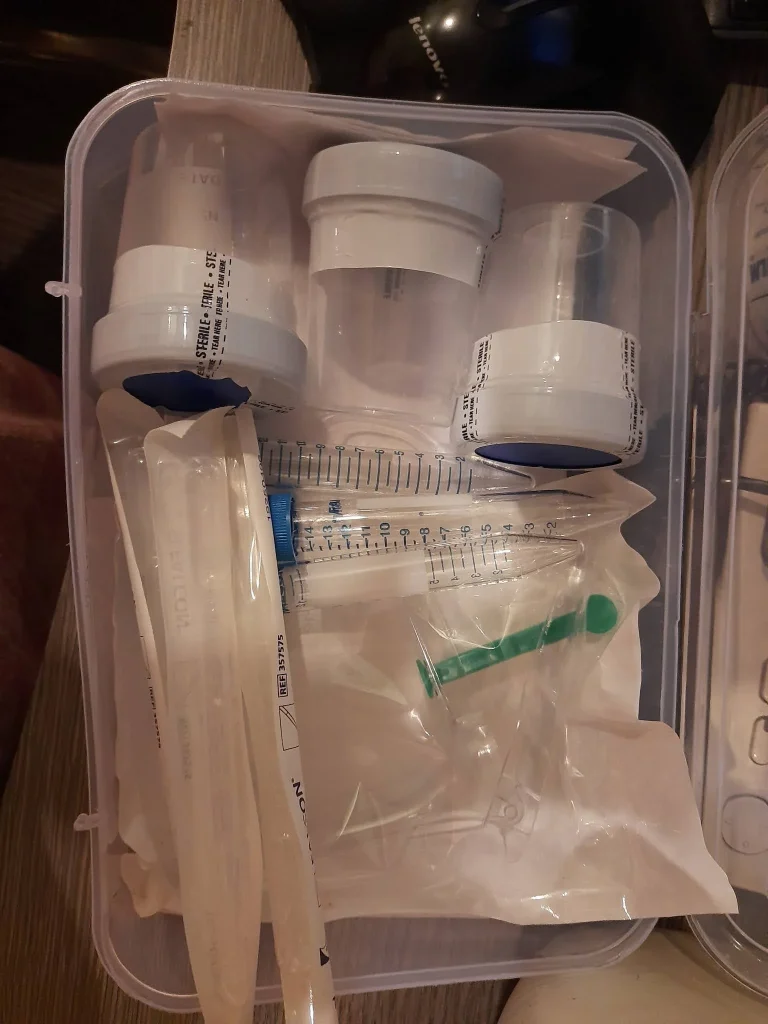
    various medical supplies and containers organized in a clear plastic box on a wooden surface

    DIY Baby-Making: Essential Tools for Tracking Ovulation

    Tracking Cervical Mucus

    Another way to track ovulation is by monitoring changes in cervical mucus. Cervical mucus is a fluid secreted by the cervix that helps sperm travel through the reproductive system. As ovulation approaches, cervical mucus becomes more thin, slippery, and stretchy, resembling the consistency of egg whites. This type of mucus is ideal for sperm to survive and travel through, increasing the chances of fertilization. Couples can track changes in cervical mucus by observing it daily and noting any changes in consistency and appearance.

    Using Fertility Apps

    In today’s digital age, there are several fertility apps available that can help track ovulation and other important factors related to conception. These apps use data input by the user, such as BBT, menstrual cycle, and symptoms, to predict ovulation and fertile days. Some apps also offer additional features, such as tracking ovulation tests and providing educational resources. Fertility apps are a convenient and accessible option for couples who want to track their fertility journey on-the-go.

    Tracking Ovulation Through Ultrasound

    For couples who may be struggling with fertility issues, tracking ovulation through ultrasound may be a helpful tool. This involves undergoing an ultrasound at a fertility clinic to monitor the growth and development of follicles in the ovaries. Follicles contain the eggs and can be seen through the ultrasound. This method allows for more accurate tracking of ovulation and can help identify any potential issues with ovulation.

    Incorporating Natural Remedies and Supplements

    In addition to the essential tools for tracking ovulation, couples can also incorporate natural remedies and supplements to increase their chances of conception. These may include traditional herbs and supplements, such as evening primrose oil, maca root, and chasteberry, which are believed to support hormonal balance and fertility. Couples can also make dietary and lifestyle changes to promote overall health and fertility, such as reducing stress, exercising regularly, and eating a balanced diet.

    In conclusion, tracking ovulation is an essential step for couples who are trying to conceive. By using a combination of the tools mentioned above, couples can have a better understanding of their ovulation cycle and increase their chances of successfully conceiving a baby. Whether it’s through tracking BBT, using ovulation predictor kits, monitoring cervical mucus, or incorporating natural remedies, taking control of the fertility journey can be empowering for couples.