Tag: DIY

  • DIY Baby-Making: Home Insemination Made Simple

    DIY Baby-Making: Home Insemination Made Simple

    Having a baby is one of the most exciting and life-changing experiences a person can have. However, for some couples, conceiving a child may not come as easily as they had hoped. This is where DIY baby-making through home insemination can provide a simple and cost-effective solution. In this blog post, we will discuss everything you need to know about DIY baby-making through home insemination, including the advantages, risks, and step-by-step instructions to help you get started.

    Advantages of DIY Baby-Making through Home Insemination

    One of the main advantages of DIY baby-making through home insemination is the cost savings. Traditional methods of conceiving a child, such as in vitro fertilization (IVF), can be extremely expensive and may not be a feasible option for everyone. With home insemination, you can skip the costly medical procedures and perform the insemination in the comfort of your own home.

    Another advantage is the convenience. Many couples may feel uncomfortable or self-conscious about undergoing medical procedures for conception. With DIY baby-making, you have complete privacy and can perform the insemination at your own pace and in a comfortable setting.

    In addition, home insemination allows for more control over the process. You can choose the timing and frequency of insemination, which can be particularly helpful for couples with irregular ovulation cycles. It also gives couples the option to use fresh sperm from a known donor, rather than relying on frozen sperm from a sperm bank.

    Risks of DIY Baby-Making through Home Insemination

    While DIY baby-making through home insemination may seem like a simple and risk-free option, there are still potential risks to consider. The main risk is the lack of medical supervision. Without a doctor overseeing the process, there is a possibility of incorrect technique or contamination, which could lead to infection or other complications.

    Another risk is the possibility of using sperm from an unknown donor, which may increase the risk of genetic diseases or disorders. It is important to thoroughly research and screen any potential donors to ensure the health and safety of the baby.

    Step-by-Step Guide to Home Insemination

    Before beginning the process of home insemination, it is important to consult with a doctor to ensure that you are a good candidate and to rule out any potential fertility issues. Once you have the green light, here is a step-by-step guide to DIY baby-making through home insemination:

    Step 1: Track Ovulation

    The first step is to determine when you are ovulating. This can be done through tracking your menstrual cycle, using ovulation predictor kits, or monitoring your basal body temperature. Ovulation typically occurs around day 14 of a 28-day cycle, but it can vary for each woman.

    illustration of Mosie Baby home insemination kit highlighting seamless transfer and size features

    DIY Baby-Making: Home Insemination Made Simple

    Step 2: Gather Supplies

    You will need a few supplies for the insemination process, including a sterile syringe, a sterile cup, and a sterile specimen jar. These can be purchased at most drugstores or online. It is important to ensure that all equipment is sterile to avoid any potential contamination.

    Step 3: Collect the Sperm

    If using a known donor, the sperm can be collected in the sterile specimen jar. If using frozen sperm from a sperm bank, it will need to be thawed according to the instructions provided. It is important to note that sperm can only survive for a few hours outside of the body, so it is crucial to time the insemination correctly.

    Step 4: Prepare the Insemination Site

    The insemination site should be clean and comfortable. Some couples prefer to use a bed or couch, while others prefer the bathroom. Make sure to lay down a towel or sheet to protect any surfaces from potential spills.

    Step 5: Insert the Sperm

    Using a sterile syringe, extract the sperm from the specimen jar and insert it into the vagina. This should be done as close to the cervix as possible to increase the chances of conception. It may be helpful to use a mirror or have a partner assist in the process.

    Step 6: Rest and Relax

    After the insemination, it is important to remain lying down for 15-20 minutes to allow the sperm to travel to the cervix. This will increase the chances of conception. It is also important to stay relaxed and avoid strenuous activities for the rest of the day.

    Step 7: Repeat the Process

    For the best chances of conception, it is recommended to repeat the insemination process for a few days in a row, starting a few days before ovulation and continuing until a day or two after ovulation. This will provide the sperm with multiple opportunities to fertilize an egg.

    Summary

    DIY baby-making through home insemination is a cost-effective and convenient option for couples struggling with fertility issues. It allows for more control over the process and provides privacy for those who may feel uncomfortable with medical procedures. However, it is important to consider the risks involved, such as lack of medical supervision and potential genetic concerns. By following a simple step-by-step guide and consulting with a doctor beforehand, couples can increase their chances of conceiving a child through home insemination.

  • From Conception to Creation: DIY Baby-Making Must-Haves

    From Conception to Creation: DIY Baby-Making Must-Haves

    Bringing a new life into this world is an exciting and fulfilling journey. From the moment you decide to start trying for a baby, to the moment you hold your little one in your arms, there are many steps and preparations involved. While most people rely on medical interventions and treatments to help them conceive, there is a growing trend of DIY baby-making methods. Whether you are looking to save money or take a more natural approach, here are some must-haves for those who want to embark on the journey of DIY baby-making.

    1. Ovulation Predictor Kits

    Timing is crucial when it comes to conceiving. Ovulation predictor kits (OPKs) are an essential tool for DIY baby-making. These kits work by detecting the surge of luteinizing hormone (LH) in your urine, which happens 24-48 hours before ovulation. By tracking your LH surge, you can determine the best time to have intercourse for the highest chances of conception. OPKs are widely available over-the-counter and are easy to use. They can be particularly helpful for women with irregular menstrual cycles or those who have trouble tracking their fertile window.

    2. Basal Body Thermometer

    Another essential item for DIY baby-making is a basal body thermometer (BBT). Unlike a regular thermometer, a BBT is more sensitive and can detect even slight changes in your body temperature. Tracking your basal body temperature every morning before getting out of bed can help you pinpoint when you ovulate. Your BBT will rise slightly after ovulation and stay elevated until your next period, indicating that you have successfully ovulated. It is crucial to have a reliable BBT and record your temperature accurately to get the most accurate results.

    3. Fertility-Friendly Lubricant

    Did you know that some lubricants can hinder sperm movement and decrease your chances of conceiving? If you are trying to conceive, it is essential to use a fertility-friendly lubricant to avoid any potential barriers for sperm. These lubricants are specially formulated to mimic the natural fluids in a woman’s body and create an optimal environment for sperm to swim towards the egg. They are also free of harmful chemicals and spermicides that can affect sperm quality. Using a fertility-friendly lubricant can help increase your chances of conception and make the process more enjoyable.

    mosie baby logo featuring a heart and leaves in blue, pink, and green colors.

    From Conception to Creation: DIY Baby-Making Must-Haves

    4. Supplements and Vitamins

    Having a balanced and healthy diet is crucial for overall health, including fertility. However, even with a well-balanced diet, it can be challenging to get all the essential nutrients needed for optimal fertility. That’s where supplements and vitamins come in. Folic acid, iron, and vitamin D are some of the key nutrients that can boost your fertility. Folic acid is vital for the development of a healthy baby, while iron can help improve egg quality. Vitamin D has also been linked to increased fertility in both men and women. Consult with your doctor about which supplements are right for you and your partner.

    5. Natural Fertility Boosters

    In addition to supplements, there are also natural fertility boosters that can aid in the conception process. These include herbs, teas, and essential oils that have been used for centuries to improve fertility. Some popular options include red raspberry leaf tea, maca root, and evening primrose oil. These natural remedies can help regulate hormones, improve egg quality, and increase sperm count. However, it is essential to do your research and consult with a healthcare professional before incorporating them into your routine, as they may not be suitable for everyone.

    6. Fertility Tracking Apps

    In this age of technology, there are many apps available that can help you track your fertility. These apps use algorithms based on your cycle length, BBT, and other factors to predict your fertile window and ovulation. They can also help you keep track of your period, symptoms, and other useful information for conception. Some apps even allow you to input data from OPKs and BBTs, making it easier to see patterns and trends in your fertility. These apps can be useful for those who prefer a more tech-savvy approach to DIY baby-making.

    7. Mind and Body Practices

    Conceiving a child involves more than just the physical aspect; it also requires a healthy mind and body. Stress and anxiety can negatively impact fertility, making it harder to conceive. Engaging in mind and body practices such as yoga, meditation, and acupuncture can help reduce stress and promote relaxation. These practices can also improve blood flow to the reproductive organs, balance hormones, and regulate the menstrual cycle. Incorporating these practices into your routine can not only benefit your fertility but also your overall well-being.

    In conclusion, DIY baby-making may require a bit more effort and preparation, but it can be a rewarding and empowering experience. By using the must-haves mentioned above, you can increase your chances of conception and take a more natural approach to starting a family. Remember to consult with your doctor and be patient, as it may take some time to achieve your goal. With the right tools and mindset, you can make your dream of having a baby a reality.

  • Crafting Your Way to a Family: DIY Baby-Making Essentials

    Crafting Your Way to a Family: DIY Baby-Making Essentials

    Bringing a new life into the world is an exciting and joyful experience for any family. For some, the journey to parenthood may involve fertility treatments, adoption, or other medical interventions. However, for others, the path to creating a family can be a more holistic and hands-on approach. DIY baby-making essentials involve using natural and alternative methods to increase fertility and promote a healthy pregnancy. In this blog post, we will explore some effective DIY techniques and essentials that can help you on your journey to parenthood.

    1. Nutrition and Supplements

    The first step in preparing your body for pregnancy is to ensure that you are getting the proper nutrition and supplements. A well-balanced diet rich in fruits, vegetables, lean proteins, and healthy fats is essential for reproductive health. Incorporating fertility-boosting foods such as leafy greens, whole grains, and omega-3 fatty acids can help regulate hormones and improve egg quality. It is also essential to avoid processed foods, caffeine, and alcohol, which can negatively impact fertility.

    In addition to a healthy diet, certain supplements can also aid in fertility. These include folic acid, which helps prevent birth defects, and Coenzyme Q10, which can improve egg quality and ovarian function. It is always best to consult with a healthcare provider before starting any new supplements to ensure they are safe for you and your partner.

    2. Stress Management

    Stress can have a significant impact on fertility. High levels of stress can disrupt hormone levels and ovulation, making it more challenging to conceive. Therefore, it is crucial to find ways to manage stress during the baby-making process. Yoga, meditation, and deep breathing exercises can help reduce stress and promote relaxation. Acupuncture has also been found to be an effective stress management technique, with studies showing that it can improve fertility outcomes.

    3. Essential Oils

    Essential oils have been used for centuries for their medicinal and therapeutic properties. When it comes to fertility, certain essential oils can be beneficial. Clary sage, for example, can help regulate estrogen levels and promote ovulation. Ylang-ylang is another essential oil that can help balance hormones and increase libido. However, it is essential to use essential oils safely and in moderation, as some can be harmful during pregnancy.

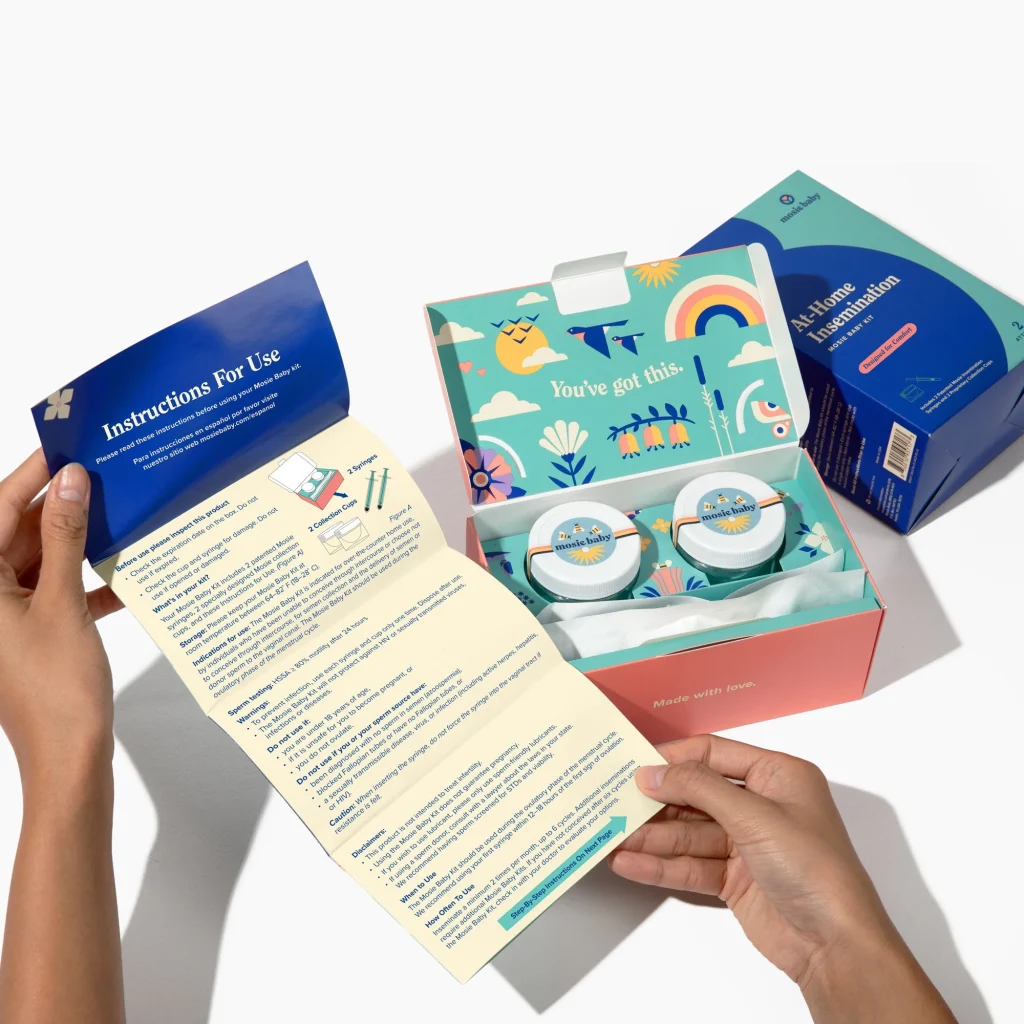
    Home insemination kit by Mosie Baby with instructions and colorful packaging.

    Crafting Your Way to a Family: DIY Baby-Making Essentials

    4. Herbal Remedies

    Herbal remedies have been used for fertility for thousands of years. From traditional Chinese medicine to Ayurveda, herbs have been found to have a positive impact on reproductive health. Some popular herbs for fertility include red raspberry leaf, which can help strengthen the uterus and improve fertility, and maca root, which can help regulate hormone levels and increase libido. It is crucial to consult with a herbalist or healthcare provider before using any herbal remedies, as they may interact with other medications or have adverse effects.

    5. Tracking Ovulation

    Timing is everything when it comes to conceiving. Tracking ovulation is crucial for couples trying to conceive naturally. There are several methods for tracking ovulation, including using ovulation predictor kits, monitoring basal body temperature, and tracking changes in cervical mucus. By understanding when ovulation occurs, couples can increase their chances of conception by timing intercourse appropriately.

    6. Fertility Massage

    Fertility massage is a type of massage specifically designed to improve reproductive health. It involves gentle massage techniques on the abdomen, lower back, and hips to help increase blood flow to the reproductive organs, balance hormones, and reduce stress. Studies have shown that fertility massage can improve fertility outcomes and even aid in conditions such as endometriosis and polycystic ovary syndrome.

    7. DIY Fertility Kits

    Thanks to modern technology, there are now DIY fertility kits available that can help couples on their journey to parenthood. These kits include everything from ovulation predictor kits and fertility tracking apps to sperm analysis tests and at-home insemination kits. These kits can be a helpful tool for couples who want to take a more hands-on approach to their fertility journey.

    In summary, crafting your way to a family through DIY baby-making essentials involves taking a more natural and holistic approach to fertility. By incorporating nutrition and supplements, stress management techniques, essential oils, herbal remedies, and fertility tracking, couples can increase their chances of conceiving and promote a healthy pregnancy. It is essential to consult with a healthcare provider before starting any new methods to ensure they are safe and suitable for you and your partner. With patience, perseverance, and these DIY essentials, you can take control of your fertility journey and create the family of your dreams.

  • DIY Parenthood: Essential Items for Making a Baby at Home

    Title: DIY Parenthood: Essential Items for Making a Baby at Home

    Parenthood is an exciting and life-changing journey, and for many parents, the process of preparing for a new arrival begins long before the baby is born. While there are countless items marketed towards expectant parents, creating a DIY baby at home can save money and personalize the experience. In this blog post, we will discuss the essential items for making a baby at home and how to create a unique and special environment for your little one.

    1. Handmade Nursery Decorations
    One of the most fun and creative aspects of preparing for a baby is decorating the nursery. While store-bought decorations can be convenient, they can also be expensive and lack a personal touch. Creating your own nursery decorations can be a fun and budget-friendly way to add a unique touch to your baby’s room. Some ideas for DIY nursery decorations include hand-painted canvases, paper mobiles, and custom wall murals.

    2. Homemade Baby Clothes
    Baby clothes can be expensive, and they are quickly outgrown. Making your own baby clothes not only saves money but also allows you to create one-of-a-kind pieces for your little one. Sewing or knitting baby clothes can be a fun and rewarding project, and there are many patterns and tutorials available online. Additionally, using organic and sustainable materials can ensure that your baby’s clothes are both safe and environmentally friendly.

    3. DIY Diaper Changing Station
    Diapers are a must-have for any new parent, and having a designated changing station can make the process more efficient. Creating a DIY diaper changing station can be as simple as repurposing a dresser or adding a changing pad to the top of a sturdy table. You can also add storage baskets or shelves to hold diapering essentials, such as wipes and creams.

    Hands holding a syringe and a small container against a blue background.

    DIY Parenthood: Essential Items for Making a Baby at Home

    4. Homemade Baby Food
    As your baby grows, they will start to eat solid foods, and making your own baby food can be a healthier and more cost-effective option. With a blender or food processor, you can easily puree fruits, vegetables, and other ingredients to create nutritious and delicious baby food. Making your own baby food also allows you to control the quality and ingredients, ensuring that your baby is getting the best possible nutrition.

    5. DIY Baby Toys
    Babies love to play and explore, and having a variety of toys can help with their development. Instead of buying expensive toys, consider making your own. Soft fabric toys, wooden blocks, and sensory bottles are just a few examples of DIY baby toys that are easy to make and can provide endless entertainment for your little one.

    6. Handcrafted Baby Blankets
    A soft and cozy blanket is a must-have for any baby. Creating a handcrafted baby blanket adds a personal touch and can be a cherished keepsake for years to come. You can knit or crochet a blanket, or use fabric and batting to sew one. Adding your baby’s name or initials can make the blanket even more special.

    7. DIY Baby Carrier
    Babywearing has become increasingly popular, and for good reason. It allows parents to keep their hands free while keeping their baby close. Making your own baby carrier can save money and also allow you to customize it to your preferences. There are many tutorials available for DIY baby carriers, including wraps, slings, and structured carriers.

    8. Customized Growth Chart
    Watching your baby grow and reach new milestones is an exciting and emotional experience. Creating a customized growth chart is a fun and practical way to track your baby’s growth. You can make a growth chart using fabric and paint, or use a printable template and frame it. Adding personalized touches, such as handprints or footprints, can make the growth chart even more special.

    In summary, preparing for a new baby can be overwhelming, but with some creativity and a little DIY spirit, you can create a unique and personalized environment for your little one. From handmade nursery decorations to customized growth charts, there are many essential items that you can make at home for your baby. Not only will it save money, but it will also add a special and personal touch to your parenting journey.

  • DIY Conception Magic: Essential Tools for Making a Baby

    Blog Post Title: DIY Conception Magic: Essential Tools for Making a Baby

    Summary:

    Conceiving a baby is a magical experience, but it can also be a challenging process for some couples. While there are various medical interventions available, many people are turning towards natural methods to increase their chances of conception. DIY conception magic involves using essential tools and techniques to boost fertility and create the perfect environment for a baby to be conceived. In this blog post, we will discuss the top essential tools for making a baby, including diet and lifestyle changes, fertility tracking, supplements, and stress management. By incorporating these tools into your routine, you can increase your chances of conceiving and embark on the journey towards parenthood.

    Diet and Lifestyle Changes:
    The first and most crucial tool for DIY conception magic is making changes to your diet and lifestyle. A healthy diet rich in nutrients such as folic acid, iron, and zinc can improve fertility in both men and women. It is also essential to maintain a healthy weight and avoid alcohol, smoking, and excessive caffeine consumption. Incorporating regular exercise into your routine can also help in regulating hormones and improving overall health, leading to a higher chance of conception.

    Fertility Tracking:
    Understanding your menstrual cycle and knowing when you are most fertile is key to successful conception. Fertility tracking involves monitoring your body’s ovulation and fertile window to determine the best time to try to conceive. There are various methods of fertility tracking, including using ovulation predictor kits, tracking basal body temperature, and monitoring cervical mucus changes. By knowing your fertile days, you can time intercourse to increase your chances of conception.

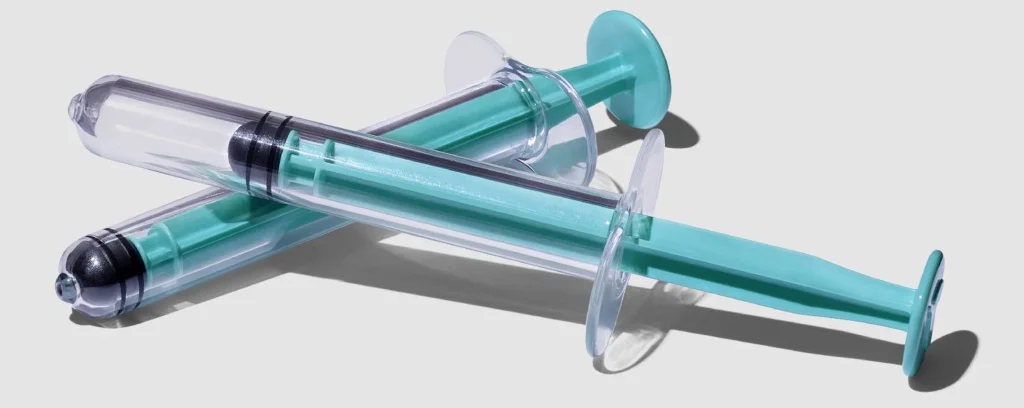
    Two transparent syringes with teal accents positioned diagonally on a light gray background.

    DIY Conception Magic: Essential Tools for Making a Baby

    Supplements:
    In addition to a healthy diet, supplements can also play a vital role in DIY conception magic. Women can take prenatal vitamins to ensure they are getting enough essential nutrients for a healthy pregnancy. For men, supplements such as zinc and vitamin C can improve sperm health and increase fertility. It is crucial to consult with a healthcare professional before starting any supplements to ensure they are safe and suitable for your specific needs.

    Stress Management:
    Stress can have a significant impact on fertility, and finding ways to manage it is essential for DIY conception magic. High levels of stress can affect hormone levels and ovulation in women and can also decrease sperm quality in men. Meditation, yoga, and other relaxation techniques are beneficial in reducing stress levels. It is also crucial to communicate with your partner and seek support from loved ones during this emotional journey.

    Alternative Therapies:
    In addition to the essential tools mentioned above, some alternative therapies can also aid in conception. Acupuncture is a popular option that can help regulate hormones, improve egg quality and sperm health, and reduce stress. Chiropractic care and massage therapy can also be beneficial in preparing the body for pregnancy.

    Creating a Conception-Friendly Environment:
    Apart from the tools mentioned above, creating a conception-friendly environment is crucial for DIY conception magic. Avoiding exposure to harmful chemicals and toxins, such as pesticides and certain cleaning products, is essential for both men and women. It is also crucial to limit exposure to radiation and heat, such as hot tubs and laptops, which can affect sperm health. Creating a peaceful and positive environment can also help reduce stress and promote fertility.

    In conclusion, DIY conception magic involves a combination of essential tools and techniques to improve fertility and create the perfect environment for a baby to be conceived. By making changes to your diet and lifestyle, tracking fertility, taking supplements, managing stress, and creating a conception-friendly environment, you can increase your chances of conception and embark on the beautiful journey of parenthood.

  • Creating a Family from Scratch: DIY Baby-Making Essentials Set

    Creating a Family from Scratch: DIY Baby-Making Essentials Set

    Starting a family is one of the most exciting and life-changing experiences a couple can go through. However, for some, the process of conceiving a child may not be as straightforward as they had hoped. This is where the concept of DIY baby-making essentials comes in. With the right tools and techniques, couples can increase their chances of conceiving and have more control over their journey to parenthood. In this blog post, we will guide you through the process of creating a DIY baby-making essentials set, from ovulation tracking to fertility-boosting supplements.

    Ovulation Tracking

    The first step in creating a DIY baby-making essentials set is to track ovulation. Ovulation is the process in which a mature egg is released from the ovary, ready to be fertilized by sperm. It is crucial to track ovulation as it is the most fertile time of the woman’s menstrual cycle. Many tools and methods can help in tracking ovulation, such as ovulation predictor kits, basal body temperature charting, and cervical mucus monitoring.

    Ovulation predictor kits (OPKs) are a popular choice as they are easy to use and readily available. They work by detecting the surge in luteinizing hormone (LH), which occurs 24-48 hours before ovulation. This surge indicates that ovulation is about to occur, giving couples a window of opportunity to try to conceive. Basal body temperature charting involves taking your temperature every morning before getting out of bed and recording it on a chart. A slight rise in temperature indicates that ovulation has occurred. Cervical mucus monitoring involves observing changes in the consistency and color of cervical mucus throughout the menstrual cycle. As ovulation approaches, the mucus becomes clearer, stretchier, and more abundant, creating a more hospitable environment for sperm.

    Fertility-Boosting Supplements

    In addition to tracking ovulation, there are also certain supplements that can help boost fertility. These supplements are not meant to replace a healthy diet, but rather to complement it. Some of the most commonly used fertility-boosting supplements include folic acid, zinc, and Coenzyme Q10. Folic acid is essential for fetal development and can help prevent birth defects. Zinc is crucial for healthy sperm production and can improve sperm quality and motility. Coenzyme Q10 is a powerful antioxidant that can help protect the eggs from damage and improve overall reproductive health.

    Fertility-friendly Diet

    Mosie Baby At-Home Insemination Kit instructions and storage guidelines on a blue background.

    Creating a Family from Scratch: DIY Baby-Making Essentials Set

    A healthy and balanced diet is crucial for overall well-being, but it can also play a significant role in fertility. A fertility-friendly diet should include plenty of fruits, vegetables, whole grains, and lean proteins. It is also essential to limit or avoid processed foods, trans fats, and excessive caffeine and alcohol consumption. Some foods that are known to boost fertility include avocados, leafy greens, berries, and nuts. It is also recommended to incorporate fertility-boosting herbs such as maca root, red raspberry leaf, and chasteberry into your diet.

    Stress Management

    Stress can have a significant impact on fertility by disrupting hormone balance and ovulation. Therefore, it is essential to find ways to manage stress when trying to conceive. This can include practicing relaxation techniques such as yoga, meditation, or deep breathing exercises. It is also vital to communicate openly with your partner and find support from friends and family during this time.

    Alternative Methods

    Apart from the traditional methods mentioned above, there are also alternative methods that some couples may choose to try. These include acupuncture, massage therapy, and herbal supplements. Acupuncture can improve blood flow to the reproductive organs, balance hormones, and reduce stress. Massage therapy can also help improve blood flow and reduce stress levels. However, it is essential to consult with a qualified professional before trying any alternative methods.

    In conclusion, creating a DIY baby-making essentials set can be a fun and empowering way for couples to take control of their journey to parenthood. By tracking ovulation, incorporating fertility-boosting supplements and a healthy diet, managing stress, and considering alternative methods, couples can increase their chances of conceiving and create a loving family from scratch.

    Summary:

    Creating a family from scratch can be an exciting and life-changing experience, but for some, the process of conceiving may not be as straightforward as they had hoped. That’s where the concept of DIY baby-making essentials comes in. By tracking ovulation, incorporating fertility-boosting supplements and a healthy diet, managing stress, and considering alternative methods, couples can increase their chances of conceiving and create a loving family from scratch.

  • DIY Baby-Making 101: Building Your Essential Set

    DIY Baby-Making 101: Building Your Essential Set

    When it comes to starting a family, many couples often turn to fertility treatments or expensive procedures in order to increase their chances of conceiving. However, there are also many couples who choose to take a more natural and DIY approach to baby-making. If you are considering this option, there are several essential items that you will need in order to successfully conceive. In this blog post, we will discuss DIY baby-making 101 and how to build your essential set.

    1. Ovulation Predictor Kits

    The first and most important item to have in your essential set is an ovulation predictor kit. These kits are available over-the-counter and can help you determine when you are ovulating. Ovulation is the process where the ovary releases an egg, which is necessary for conception to occur. By tracking your ovulation, you can increase your chances of getting pregnant by having intercourse during your most fertile days.

    2. Basal Body Thermometer

    In addition to an ovulation predictor kit, a basal body thermometer is also essential for DIY baby-making. This type of thermometer is more sensitive and accurate than a regular thermometer and can help you track your body’s temperature changes throughout your menstrual cycle. This is important because a woman’s body temperature rises slightly during ovulation, which can help indicate the best time for conception.

    3. Fertility Supplements

    Fertility supplements are another key component of your essential set for DIY baby-making. These supplements are designed to support overall reproductive health and can help regulate your menstrual cycle, improve egg quality, and increase sperm count. Some popular fertility supplements include folic acid, omega-3 fatty acids, and Coenzyme Q10.

    logo featuring a pink heart above two teal leaves on a blue circular background

    DIY Baby-Making 101: Building Your Essential Set

    4. Pre-Seed Lubricant

    Many couples who are trying to conceive may not realize that regular lubricants can actually hinder sperm movement and decrease the chances of fertilization. That’s where Pre-Seed lubricant comes in. This fertility-friendly lubricant mimics the body’s natural fluids and provides a sperm-friendly environment for conception.

    5. Pregnancy Tests

    Once you have successfully tracked your ovulation and had intercourse during your most fertile days, the next step is to wait for a positive pregnancy test. It’s important to have a few pregnancy tests on hand in your essential set so that you can test as soon as you miss your period. There are a variety of pregnancy tests available, from traditional urine tests to more sensitive digital tests.

    6. Baby-Making Books and Resources

    While the items mentioned above are important for DIY baby-making, it’s also helpful to educate yourself on the process and gather tips and advice from others who have successfully conceived naturally. There are many books and online resources available that can provide valuable information and support for couples on their journey to parenthood.

    7. A Positive Attitude and Patience

    Last but certainly not least, having a positive attitude and patience are crucial for DIY baby-making. It’s important to remember that getting pregnant can take time and it’s not always a quick process. It’s also important to not put too much pressure on yourself and your partner, as stress can negatively impact fertility. Stay positive and patient, and trust that your body knows what it’s doing.

    In summary, DIY baby-making can be a successful and fulfilling journey for couples who are looking to start a family. By having an essential set that includes ovulation predictor kits, basal body thermometer, fertility supplements, Pre-Seed lubricant, pregnancy tests, and educational resources, you can increase your chances of conceiving naturally. Don’t forget to also maintain a positive attitude and be patient throughout the process.

  • Crafting Your Bundle of Joy: DIY Essentials for Making a Baby

    Blog Post: Crafting Your Bundle of Joy: DIY Essentials for Making a Baby

    Bringing a new life into the world is an exciting and joyful experience, but it also comes with a lot of preparation and expenses. From nursery decor to baby clothes and gear, the costs can add up quickly. However, with a little creativity and some DIY know-how, you can save money and add a personal touch to your baby’s essentials. In this blog post, we will explore some essential DIY projects for making your bundle of joy, from pregnancy to the first few months of your baby’s life.

    1. Pregnancy Essentials
    The journey of parenthood begins during pregnancy, and there are many things you can make yourself to prepare for the arrival of your little one. For expecting mothers, creating a comfy and stylish maternity wardrobe can be easily achieved through DIY projects. You can turn your old t-shirts into comfortable maternity tops or make your own belly band to wear over your regular pants. Additionally, creating a body pillow can help with sleeping comfortably during pregnancy.

    2. Nursery Decor
    One of the most exciting parts of preparing for a baby is decorating the nursery. Instead of buying expensive decor items, why not try making them yourself? You can create a custom wall art piece by painting your baby’s name on a canvas or making a mobile out of paper or felt. For a more rustic touch, you can repurpose old wooden pallets to make shelves or a crib for your baby.

    3. Baby Clothes
    Babies grow quickly, and their clothes can become expensive. Instead of buying new clothes every few months, you can make them yourself. You don’t need to be an expert seamstress; simple projects like making a baby hat or a pair of booties can be easily done with basic sewing skills. You can also repurpose old clothes or bedsheets to make new ones for your baby.

    Home insemination kit by Mosie Baby with instructions and colorful packaging.

    Crafting Your Bundle of Joy: DIY Essentials for Making a Baby

    4. Diapering Essentials
    Another significant expense for new parents is diapers. However, cloth diapers can be a cost-effective and eco-friendly alternative. You can make your own cloth diapers using soft, absorbent fabric and a simple sewing pattern. Additionally, you can also make reusable wipes and diaper rash cream to go along with your cloth diapers.

    5. Baby Gear
    There are many essential gear items that babies need, from carriers to play mats and bouncers. However, these items can be quite expensive, and your baby may quickly outgrow them. Instead of buying them, you can make your own using simple materials like fabric, foam, and wood. For example, you can make a baby carrier using a scarf or a wrap, or create a play mat using a foam mat and some fabric.

    6. Baby Food
    As your baby grows, they will start eating solids, which can be costly if you buy pre-made baby food. Making your own baby food at home is not only more economical, but it also ensures that your baby is getting fresh and nutritious food. You can make purees using fruits and vegetables or create homemade teething biscuits using healthy ingredients like oats and bananas.

    7. Memory Keepsakes
    As your baby grows and reaches milestones, it’s natural to want to capture and preserve these moments. Instead of buying expensive photo albums or frames, you can make your own memory keepsakes. You can create a shadow box filled with items from your baby’s first year, like their first outfit, a lock of hair, and a hospital band. You can also make a handprint or footprint keepsake using clay or salt dough.

    In summary, preparing for a baby can be expensive, but with some DIY creativity, you can save money and add a personal touch to your baby’s essentials. From pregnancy to the first few months of your baby’s life, there are many things you can make yourself, including maternity clothes, nursery decor, baby clothes, diapering essentials, baby gear, baby food, and memory keepsakes. Not only will these DIY projects save you money, but they will also be cherished keepsakes that you and your child can look back on in the future.

  • From Conception to Crib: DIY Baby-Making Essentials Set

    From Conception to Crib: DIY Baby-Making Essentials Set

    Bringing a new life into this world is one of the most beautiful and fulfilling experiences. While the journey of pregnancy and parenthood is full of joy and excitement, it also comes with its own set of challenges and expenses. As a result, many parents-to-be turn to DIY solutions to save money and create a more personalized experience. In this blog post, we will discuss the essentials of a DIY baby-making set, from conception to crib, to help you prepare for your little one’s arrival.

    1. Fertility Tracking Tools
    The first step in DIY baby-making is tracking your fertility. This involves monitoring your menstrual cycle and identifying your most fertile days. Many couples opt for ovulation predictor kits or fertility tracking apps to help them determine the best time to conceive. These tools can also track other vital information such as basal body temperature, cervical mucus, and hormone levels to provide a more accurate prediction of ovulation.

    2. Natural Fertility Boosters
    In addition to tracking your fertility, there are several natural ways to boost your chances of conceiving. These include maintaining a healthy diet, exercising regularly, and reducing stress. Certain foods like leafy greens, nuts, and whole grains contain essential nutrients that can improve fertility. Incorporating herbs like maca root, red raspberry leaf, and nettle leaf can also enhance fertility and support a healthy pregnancy.

    3. DIY Pregnancy Tests
    Once you have tracked your fertility and successfully conceived, the next step is to confirm the pregnancy. While store-bought pregnancy tests can be convenient, there are also DIY options available. These include homemade pregnancy tests using common household items like sugar, vinegar, and toothpaste. While these tests may not be as accurate as store-bought ones, they can be a fun and cost-effective alternative.

    4. Homemade Prenatal Vitamins
    Prenatal vitamins are essential for a healthy pregnancy, but they can also be expensive. Making your own prenatal vitamins at home can be a more affordable option. Some common ingredients in homemade prenatal vitamins include folic acid, iron, and vitamin D. You can also add other supplements like calcium, magnesium, and omega-3 fatty acids to support your pregnancy.

    at-home insemination kit featuring a syringe and container for fresh or donor sperm conception

    From Conception to Crib: DIY Baby-Making Essentials Set

    5. DIY Baby Shower Gifts
    As your pregnancy progresses, you may start thinking about your baby shower and the gifts you want to give your little one. DIY baby shower gifts not only save money but also add a personal touch to your gifts. These can range from homemade baby blankets and clothes to nursery decor and toys. You can also involve your family and friends in creating these gifts, making them even more special.

    6. Homemade Baby Food
    When your baby is ready for solid foods, making your own baby food can be a healthier and more cost-effective option than store-bought ones. You can use a blender or food processor to puree fruits, vegetables, and meats to make nutritious baby food at home. This also gives you full control over the ingredients, ensuring that your baby is getting the best quality food.

    7. DIY Nursery
    Designing and decorating the nursery is an exciting part of preparing for your baby’s arrival. While it may seem overwhelming at first, there are many DIY nursery ideas that can help you create a beautiful and functional space. These include making your own crib bedding, wall art, and storage solutions. You can also repurpose items you already have at home to save money and add a personal touch to the nursery.

    8. Homemade Diaper Cream and Wipes
    Diapers and wipes are everyday essentials for babies, but they can also be costly. Making your own diaper cream and wipes at home can save you money and ensure that your baby is not exposed to harsh chemicals. Coconut oil, shea butter, and essential oils are common ingredients in homemade diaper creams that can soothe and protect your baby’s delicate skin. For wipes, you can use cloth wipes and make your own solution using water, soap, and a few drops of essential oils.

    9. DIY Toys and Activities
    As your baby grows, they will need toys and activities to stimulate their development and keep them entertained. There are many DIY options for toys and activities that you can make at home using common household items. These can include sensory bottles, busy boards, and even sensory play mats. Not only are these activities cost-effective, but they also allow you to tailor them to your baby’s interests and needs.

    10. Homemade Baby Clothes
    Babies grow quickly, and buying new clothes every few months can add up. Making your own baby clothes at home can be a fun and budget-friendly option. You can use old t-shirts and other clothing items to create onesies, pants, and hats. You can also customize them with fun designs and patterns to make them unique and special for your little one.

    In conclusion, the journey from conception to crib can be made more enjoyable and affordable with these DIY baby-making essentials. From tracking your fertility to creating a personalized nursery, these ideas can help you prepare for your baby’s arrival while also adding your personal touch. So, get creative and start preparing for the most precious gift of all – your little bundle of joy!

  • Crafting Parenthood: DIY Baby-Making Essentials Set

    In today’s world, many parents are looking for ways to save money and add a personal touch to their parenting journey. One way to do this is by crafting your own baby-making essentials set. Not only is it a fun and creative activity, but it also allows for customization and can be a cost-effective alternative to purchasing pre-made products. In this blog post, we will discuss the benefits of crafting your own baby-making essentials set and provide a step-by-step guide on how to make your own DIY set.

    Why Craft Your Own Baby-Making Essentials Set?

    1. Cost-Effective: One of the main reasons to craft your own baby-making essentials set is that it can save you money. Purchasing pre-made products can be expensive, especially for items that are used frequently such as diapers, wipes, and burp cloths. By making your own, you can save a significant amount of money in the long run.

    2. Personalization: Crafting your own baby-making essentials set allows for personalization. You can choose your own fabrics, colors, and designs to match your style and preferences. This adds a unique touch to your parenting journey and makes it more meaningful.

    3. Quality Control: When making your own baby essentials, you have control over the materials and can ensure that only high-quality, safe materials are used. This is especially important for items that will be in direct contact with your baby’s skin, such as blankets and burp cloths.

    4. Eco-Friendly: Crafting your own baby-making essentials set also has environmental benefits. By using reusable materials and reducing waste, you can contribute towards a more sustainable lifestyle.

    Step-by-Step Guide to Crafting Your Own Baby-Making Essentials Set

    Step 1: Plan and Gather Materials

    The first step in crafting your own baby-making essentials set is to plan and gather all the necessary materials. This includes fabrics, thread, needles, scissors, and any other supplies specific to the items you will be making. You can either purchase new materials or repurpose old items such as old t-shirts or bed sheets.

    illustration comparing standard and Mosie syringe openings with text highlighting design benefits for home insemination

    Crafting Parenthood: DIY Baby-Making Essentials Set

    Step 2: Choose Your Designs and Patterns

    Next, choose the designs and patterns for your baby-making essentials. You can find inspiration from online tutorials, magazines, or create your own designs. Make sure to choose designs that are appropriate for the items you are making and that match your personal style.

    Step 3: Start Sewing

    Once you have all your materials and designs ready, it’s time to start sewing. Depending on your sewing skills, you can either hand sew or use a sewing machine. Start with simple items like burp cloths and bibs before moving on to more complex items such as blankets and onesies.

    Step 4: Add Personal Touches

    As you sew, don’t forget to add personal touches to your items. This can include adding decorative buttons, ribbons, or embroidery. These small details can make your baby-making essentials set even more special.

    Step 5: Wash and Use

    After completing your DIY baby-making essentials set, it’s important to wash and clean them before using them for your baby. This ensures that any chemicals or dirt from the materials are removed and makes them safe for your little one.

    Summary:

    Crafting your own baby-making essentials set can be a fun, cost-effective, and eco-friendly way to prepare for your little one’s arrival. By following a step-by-step guide and using high-quality materials, you can create personalized and safe items for your baby. So why not give it a try and add a personal touch to your parenting journey?