






At-Home Insemination: A Solution for Those Who Struggle with Traditional Conception Methods
Conceiving a child is a deeply personal and often emotional journey for many couples. While some may have no trouble getting pregnant, others may face various challenges and struggle with traditional conception methods. This can be due to fertility issues, same-sex partnerships, or other personal reasons. However, there is a solution that is gaining popularity among those who face difficulties with traditional conception methods – at-home insemination. In this blog post, we will explore the concept of at-home insemination, its benefits and drawbacks, and how it can be a viable option for those who are struggling to conceive through traditional methods.
What is At-Home Insemination?
At-home insemination, also known as home artificial insemination, is the process of manually inserting sperm into the cervix or vagina of a woman in order to achieve pregnancy. This can be done with the help of a medical professional or through self-insemination using a donor’s sperm. It is a more affordable and less invasive alternative to traditional methods, such as intrauterine insemination (IUI) and in vitro fertilization (IVF). At-home insemination is usually done using a syringe, turkey baster, or a specific insemination kit.
Benefits of At-Home Insemination
One of the main advantages of at-home insemination is the cost. Traditional fertility treatments can be extremely expensive, with IUI and IVF costing thousands of dollars per cycle. At-home insemination, on the other hand, can cost as little as a few hundred dollars for the necessary supplies. This makes it a much more accessible option for those who may not have the financial means to pursue traditional methods.
Another benefit of at-home insemination is the privacy and comfort it offers. Many individuals or couples may feel uncomfortable or embarrassed discussing their fertility issues with a medical professional, and at-home insemination allows them to bypass this discomfort. It can be done in the comfort of their own home, without any outside interference. It also allows for more control over the process, as the individual or couple can choose the timing and frequency of insemination, rather than relying on a medical professional’s schedule.
At-home insemination also has a lower risk of complications compared to traditional methods. With IUI and IVF, there is a higher risk of infection and other complications due to the medical procedures involved. At-home insemination, when done correctly, is a safe and simple process that carries minimal risk.
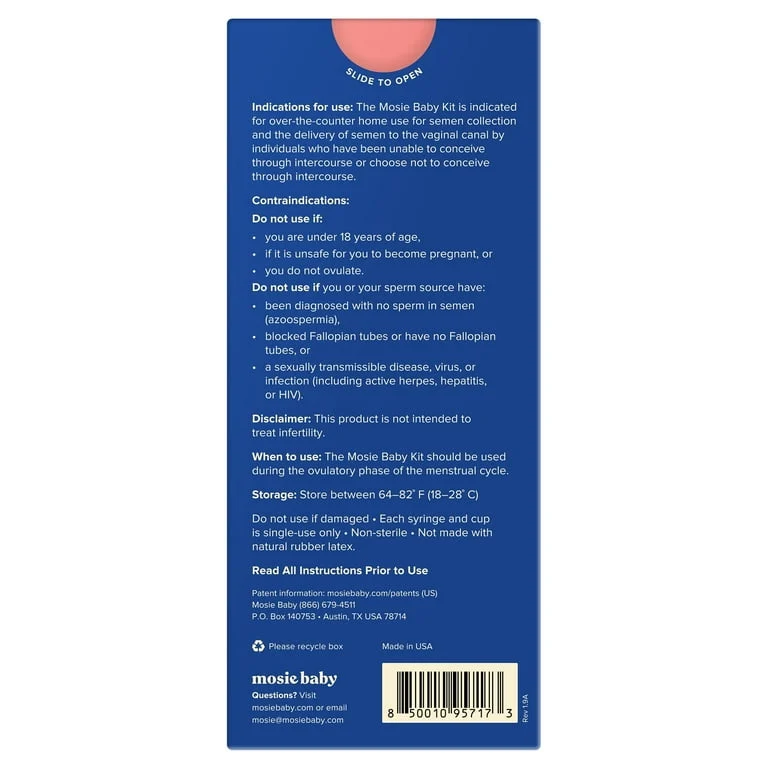
At-Home Insemination: A Solution for Those Who Struggle with Traditional Conception Methods
Drawbacks of At-Home Insemination
While at-home insemination can be an appealing option for many, there are some drawbacks to consider. The success rates of at-home insemination are generally lower than that of traditional methods. This is because the sperm is not inserted directly into the uterus, which is the case with IUI and IVF. As a result, it may take longer to achieve pregnancy through at-home insemination, and there is a higher chance of multiple attempts being necessary.
Another disadvantage is the lack of medical supervision. While at-home insemination can be done without the assistance of a medical professional, it is important to note that there is a higher risk of error. This can include using the wrong method or not inserting the sperm correctly, which can reduce the chances of success. It is crucial for individuals or couples considering at-home insemination to thoroughly research and understand the process before attempting it.
Is At-Home Insemination Right for You?
At-home insemination can be a viable option for those who struggle with traditional conception methods. It provides a more affordable and private alternative, and can be a good option for individuals or couples who may not be able to undergo traditional fertility treatments. However, it is important to consult with a medical professional before making a decision, as they can provide valuable guidance and ensure that the process is done safely and correctly.
In conclusion, at-home insemination is a solution that is gaining popularity among those who face difficulties with traditional conception methods. It offers a more affordable and private option, with minimal risk of complications. However, it is important to thoroughly research and understand the process, and consult with a medical professional before attempting it.
Summary
At-home insemination is a process of manually inserting sperm into the cervix or vagina in order to achieve pregnancy. It is a more affordable and private alternative to traditional methods, with a lower risk of complications. While it may have lower success rates and lacks medical supervision, it can be a viable option for those who struggle with traditional conception methods. It is important to consult with a medical professional and thoroughly research the process before attempting it.






