Tag: healthcare

  • Navigating the World of Insemination Syringe Boxes: A Comprehensive Buying Guide

    Navigating the World of Insemination Syringe Boxes: A Comprehensive Buying Guide

    Insemination syringe boxes are an essential tool for individuals and couples who are trying to conceive through artificial insemination. These boxes contain all the necessary components for the process, including syringes, catheters, and sperm collection cups. However, with so many options available on the market, navigating the world of insemination syringe boxes can be overwhelming. In this comprehensive buying guide, we will break down everything you need to know to make an informed decision when purchasing an insemination syringe box.

    1. Understand the Different Types of Insemination Syringe Boxes
    Before diving into the details, it’s essential to understand the different types of insemination syringe boxes available. The two main types are at-home insemination kits and clinical insemination kits. At-home kits are designed for self-insemination and are typically used by individuals or couples who are trying to conceive without medical assistance. Clinical kits, on the other hand, are used in medical settings and are often recommended for individuals or couples who require professional medical assistance.

    2. Consider the Quality of the Components
    The quality of the components in an insemination syringe box is crucial. The most important component is the syringe itself, as it is responsible for delivering the sperm into the cervix. Look for syringes made of medical-grade materials and that are specifically designed for insemination purposes. Additionally, make sure that the catheter is long enough to reach the cervix comfortably and that it is flexible for easier insertion. The sperm collection cup should also be made of medical-grade materials and have a wide enough opening to accommodate the syringe.

    3. Check for FDA Approval
    When purchasing an insemination syringe box, it’s crucial to ensure that it is FDA-approved. The Food and Drug Administration (FDA) regulates medical devices and ensures that they meet safety and effectiveness standards. A FDA-approved box gives you peace of mind that the components have been tested and deemed safe for use.

    illustration comparing standard and Mosie syringe openings with text highlighting design benefits for home insemination

    Navigating the World of Insemination Syringe Boxes: A Comprehensive Buying Guide

    4. Read Reviews and Ask for Recommendations
    One of the best ways to determine the quality and effectiveness of an insemination syringe box is by reading reviews from other customers. Look for reviews on the manufacturer’s website, online marketplaces, and fertility forums. Additionally, don’t hesitate to ask for recommendations from friends, family, or healthcare professionals who have experience with using insemination syringe boxes.

    5. Consider the Cost
    The cost of insemination syringe boxes can vary significantly depending on the type and brand. At-home kits are generally more affordable compared to clinical kits, but they may not include all the necessary components for the process. It’s essential to consider the cost of the box, as well as any additional components that may need to be purchased separately, such as ovulation tests or pregnancy tests.

    6. Look for Additional Features
    Some insemination syringe boxes may come with additional features that can make the process more convenient and comfortable. For example, some boxes may include a speculum for easier insertion of the catheter, while others may have a temperature strip on the sperm collection cup to ensure the sperm is at an optimal temperature. Consider your needs and preferences when looking for additional features in an insemination syringe box.

    7. Check the Expiration Date
    Insemination syringe boxes have an expiration date, and it’s crucial to check it before making a purchase. Using an expired box can reduce the effectiveness of the sperm and increase the risk of infection. Make sure to always use a box that is within its expiration date to ensure the best chances of success.

    8. Consult with Your Healthcare Provider
    It’s always recommended to consult with your healthcare provider before using an insemination syringe box. They can provide you with valuable information and recommendations based on your individual needs and medical history. Moreover, if you are using a clinical insemination kit, your healthcare provider can guide you through the process and ensure that it is done correctly.

    In summary, navigating the world of insemination syringe boxes may seem daunting at first, but with the right knowledge, you can make an informed decision and choose the best box for your needs. Consider the type of kit, quality of components, FDA approval, reviews and recommendations, cost, additional features, expiration date, and consulting with your healthcare provider. By following these guidelines, you can increase your chances of success and make the process of conceiving through artificial insemination smoother and more comfortable.


  • Inside the Insemination Syringe Box: What to Expect and How to Use It

    Blog Post Title: Inside the Insemination Syringe Box: What to Expect and How to Use It

    Summary:

    The process of insemination can be overwhelming and intimidating, especially for those who are trying it for the first time. One of the essential tools for insemination is the insemination syringe, which comes in a box with various components. In this blog post, we will take a closer look at what to expect inside the insemination syringe box and how to use it effectively.

    First, let’s start with the components inside the box. Depending on the brand and type of syringe, the box may contain a syringe, a cap, a plunger, a needle, and sometimes, a vial adapter. It is essential to familiarize yourself with each component and its purpose before starting the insemination process.

    The syringe is the primary tool used for insemination. It is usually made of plastic and comes in various sizes, ranging from 1ml to 10ml. The size of the syringe will depend on the amount of semen or fertility medication that needs to be injected. The cap is used to cover the needle and keep it sterile. The plunger is used to push the semen or medication into the vagina or cervix. The needle is a crucial component for those using fresh semen, as it is used to extract the semen from the vial. The vial adapter is used to transfer frozen semen from the vial into the syringe.

    at-home insemination kit by Mosie Baby, featuring syringes and containers for comfort and convenience.

    Inside the Insemination Syringe Box: What to Expect and How to Use It

    Now that we have a better understanding of the components inside the insemination syringe box let’s discuss how to use it. The first step is to make sure that all the components are sterile. It is recommended to use a new syringe for each insemination to reduce the risk of infection. Once you have opened the box, carefully remove the syringe, needle, and cap, and place them on a clean surface.

    If you are using fresh semen, you will need to attach the needle to the syringe and extract the semen from the vial. It is crucial to follow the instructions provided by your healthcare provider or donor on how to properly extract the semen. Once the semen is in the syringe, remove the needle and replace it with the cap. This step is crucial as it prevents air from entering the syringe, which can damage the sperm.

    If you are using frozen semen, you will need to attach the vial adapter to the syringe and transfer the semen from the vial into the syringe. Again, it is essential to follow the instructions provided to ensure that the semen is transferred correctly.

    Before inserting the syringe, it is recommended to lie down with your hips elevated using a pillow. This position helps the semen or fertility medication to reach the cervix more efficiently. Gently insert the syringe into the vagina, aiming towards the cervix. Slowly push the plunger to release the semen or medication. Once you have emptied the syringe, remove it and remain lying down for 15-20 minutes to allow the sperm to travel towards the egg.

    After the insemination process, it is essential to dispose of the syringe and other components properly. Make sure to follow the instructions provided by your healthcare provider or donor on how to dispose of any leftover semen or medication.

    In conclusion, the insemination syringe box contains all the necessary components for a successful insemination process. By familiarizing yourself with the components and following the instructions provided, you can effectively use the syringe to increase your chances of conception. Remember to always use a new syringe for each insemination, and dispose of the components properly. With the right tools and techniques, insemination can be a less daunting experience.

  • The Syringe Insemination System and Its Impact on the IVF Industry

    Blog Post:

    The field of assisted reproductive technology has seen significant advancements in recent years, one of which is the development of the Syringe Insemination System (SIS). This innovative system has revolutionized the IVF industry, making the process more efficient, cost-effective, and patient-friendly. In this blog post, we will delve into the details of the Syringe Insemination System, its impact on the IVF industry, and the benefits it brings to patients and clinics alike.

    What is the Syringe Insemination System?

    The Syringe Insemination System is a device used in the IVF process that allows for direct transfer of sperm into the uterus without the need for a catheter. It consists of a syringe with a specially designed tip that can be inserted directly into the cervix, allowing for precise and controlled delivery of sperm. This eliminates the need for a catheter, which can be uncomfortable for patients and can also reduce the risk of potential damage to the uterus.

    How Does it Work?

    The Syringe Insemination System works by collecting the sperm sample and loading it into the syringe. The syringe is then inserted into the cervix, and the sperm is released directly into the uterus. This process is done under ultrasound guidance to ensure accurate placement of the sperm. The entire process takes only a few minutes and can be done in the comfort of a doctor’s office.

    Impact on the IVF Industry

    The introduction of the Syringe Insemination System has had a significant impact on the IVF industry. Here are some of the ways in which this innovative system has transformed the field of assisted reproduction:

    1. Increased Success Rates

    The Syringe Insemination System has been shown to increase the success rates of IVF treatments. Studies have shown that the direct delivery of sperm into the uterus can result in higher pregnancy rates compared to traditional methods that use a catheter. This is because the SIS allows for more precise placement of sperm, increasing the chances of successful fertilization.

    2. Cost-Effective

    The SIS is a cost-effective alternative to traditional IVF methods. It eliminates the need for expensive catheters and reduces the number of clinic visits required for the IVF process. This makes it a more affordable option for patients who may have limited financial resources.

    3. Reduced Discomfort for Patients

    The Syringe Insemination System has also brought about significant benefits for patients. The traditional method of using a catheter can be uncomfortable and even painful for some patients. The SIS eliminates the need for a catheter, making the process more comfortable and less invasive for patients.

    Informative card introducing the Mosie Baby Kit and its mission for at-home insemination.

    The Syringe Insemination System and Its Impact on the IVF Industry

    4. Time-Saving

    The SIS has also reduced the time required for the IVF process. With traditional methods, patients may need to make multiple visits to the clinic for the transfer of sperm. The SIS can be done quickly and efficiently in a single visit, saving time for patients and reducing the burden of frequent appointments.

    5. Minimizes Risks

    The use of a catheter in traditional IVF methods can carry some risks, such as potential damage to the uterus. The SIS eliminates these risks, making the process safer for patients. It also reduces the risk of infection as the system is designed to be sterile and single-use.

    Benefits for Patients and Clinics

    The Syringe Insemination System not only benefits patients but also clinics and healthcare providers. Here are some of the advantages it brings to clinics:

    1. Improved Workflow

    The SIS has streamlined the IVF process, making it more efficient for clinics. It reduces the time and resources required for the transfer of sperm, allowing clinics to see more patients in a shorter amount of time.

    2. Increased Patient Satisfaction

    The SIS has significantly improved patient satisfaction in the IVF process. With its non-invasive and more comfortable approach, patients are more likely to have a positive experience, leading to higher patient satisfaction rates and increased referrals.

    3. Cost Savings

    The SIS is not only cost-effective for patients, but it also brings cost savings for clinics. The reduced need for catheters and the streamlined process allows clinics to save on equipment and other resources, making it a more profitable option.

    In conclusion, the Syringe Insemination System has made a significant impact on the IVF industry, bringing about improvements in success rates, cost, patient comfort, and overall efficiency. It has revolutionized the IVF process and has become a game-changer in the field of assisted reproductive technology.

    Summary:

    The Syringe Insemination System (SIS) is a device used in the IVF process that allows for direct transfer of sperm into the uterus without the need for a catheter. It has revolutionized the IVF industry by increasing success rates, reducing costs, and improving patient comfort. The SIS also brings benefits to clinics, such as improved workflow and cost savings. It has become a game-changer in the field of assisted reproductive technology, making the IVF process more efficient, patient-friendly, and cost-effective.

  • The Syringe Kit Debate: Is It Right for You?

    The Syringe Kit Debate: Is It Right for You?

    When it comes to administering medication or vaccinations, there are various methods and tools available. One of the most common and controversial tools is the syringe kit. This debate has been ongoing for years, with arguments for and against its use. Some see it as a necessary and efficient tool, while others view it as a potential threat to public health. In this blog post, we will delve into the syringe kit debate and discuss its pros and cons, as well as whether it is the right choice for you.

    What is a Syringe Kit?

    A syringe kit is a medical device used to administer injections or draw fluids from the body. It typically consists of a needle, a barrel, and a plunger. The needle is inserted into the skin, and the plunger is used to push the medication or remove fluids from the body. Syringe kits come in various sizes and can be single-use or reusable.

    Pros of Syringe Kits

    One of the main advantages of syringe kits is their convenience and ease of use. They are widely available and relatively affordable, making them accessible to healthcare professionals and individuals alike. Syringe kits also come in different sizes, making them suitable for administering various doses of medication. This flexibility is particularly useful in emergency situations.

    Another significant advantage of syringe kits is their accuracy. With clear markings on the barrel, it is easy to measure the correct dosage, ensuring that patients receive the right amount of medication. This is especially important when dealing with potent or life-saving drugs.

    Syringe kits also have a lower risk of contamination compared to other methods of administering medication, such as vials and ampoules. The sterile packaging of syringe kits helps prevent the spread of infections, making them a safer choice for healthcare professionals and patients.

    Cons of Syringe Kits

    Despite their benefits, syringe kits have faced criticism for their potential to spread infections. When syringe kits are reused, there is a risk of cross-contamination between patients if proper sterilization procedures are not followed. This has been a significant concern, particularly in developing countries where resources and infrastructure may be lacking.

    at-home insemination kit by Mosie Baby, featuring syringes, collection cups, and instructions on a pink background.

    The Syringe Kit Debate: Is It Right for You?

    In addition, the disposal of used syringe kits can also be an issue. Improper disposal can lead to environmental pollution and pose a threat to public health. Used syringe kits are considered medical waste and should be disposed of properly to prevent any harm to individuals or the environment.

    The use of syringe kits has also been linked to the spread of bloodborne infections, such as HIV and hepatitis. This is particularly concerning in developing countries where access to healthcare and proper sterilization practices may be limited.

    Alternatives to Syringe Kits

    As the debate over syringe kits continues, alternative methods of administering medication have been developed. One of the most notable alternatives is the pre-filled syringe. These syringes come pre-loaded with a single dose of medication, eliminating the need for measuring and reducing the risk of contamination.

    Another option is the use of autoinjectors, which have gained popularity in recent years. Autoinjectors are spring-loaded devices that automatically inject medication into the body when pressed against the skin. They are commonly used for self-administration of medication, such as insulin for diabetic patients.

    In addition, needle-free injection systems, such as jet injectors, have also emerged as an alternative to syringe kits. These devices use high-pressure air or gas to penetrate the skin and administer medication without a needle. This method is believed to reduce pain and the risk of contamination.

    Is a Syringe Kit Right for You?

    The answer to this question depends on various factors, including your personal preference and the availability of alternative methods. If you are a healthcare professional, it is crucial to follow proper sterilization procedures and dispose of used syringe kits appropriately to prevent the spread of infections. If you are an individual administering medication at home, it is essential to use a new syringe kit for each dose to prevent contamination.

    In conclusion, the syringe kit debate remains ongoing, with valid arguments for and against its use. While syringe kits offer convenience, accuracy, and lower risk of contamination, they also carry the potential for the spread of infections. It is essential to weigh the pros and cons and consider alternative methods before deciding if a syringe kit is the right choice for you.

    In summary, the syringe kit debate has been ongoing for years, with arguments for and against its use. While it offers convenience and accuracy, there are concerns about its potential to spread infections. Alternatives such as pre-filled syringes, autoinjectors, and needle-free injection systems have emerged as options. Ultimately, the use of a syringe kit depends on personal preference and proper usage and disposal.

  • A Miracle in a Box: Mama’s Miracle Syringe Set and Its Success Stories

    A Miracle in a Box: Mama’s Miracle Syringe Set and Its Success Stories

    The world of healthcare is constantly evolving and improving, with new technologies and innovations being introduced every day. One such innovation that has been making waves in the medical community is Mama’s Miracle Syringe Set – a revolutionary product that has been changing the way medication is administered and improving the lives of patients and caregivers alike.

    The idea for Mama’s Miracle Syringe Set was born out of a personal struggle. The inventor, a mother of three, had a child with a chronic illness that required multiple medications to be taken throughout the day. She found it incredibly difficult and time-consuming to measure and administer the correct doses, especially when her child was fussy or uncooperative. This led her to develop a simple, yet effective solution – a set of syringes that were pre-filled with the correct dosage and color-coded for easy identification.

    Since its inception, Mama’s Miracle Syringe Set has been gaining popularity and success stories from both patients and healthcare professionals. Let’s take a closer look at how this innovative product has been making a difference in the world of healthcare.

    Efficient and Accurate Medication Administration

    One of the main challenges in healthcare is ensuring that patients receive the correct dosage of medication at the right time. Mama’s Miracle Syringe Set has made this process much more efficient and accurate. The pre-filled syringes eliminate the need for manual measurement, reducing the risk of human error in dosage calculation. Moreover, the color-coded syringes make it easy for caregivers to identify the correct medication and administer it promptly. This has not only saved time but has also improved patient outcomes.

    Convenience and Ease of Use for Caregivers

    Caregivers, whether they are parents or healthcare professionals, often have to juggle multiple tasks and responsibilities. Mama’s Miracle Syringe Set has been a blessing for them, making the process of medication administration much more convenient and hassle-free. The pre-filled syringes save time and effort, especially for those caring for multiple patients. The color-coded syringes also make it easy for caregivers to organize and keep track of medications, reducing the chances of mix-ups or missed doses.

    Improved Patient Experience

    Baby with blue eyes wearing a light blue onesie that says "made with Love" on a soft white background.

    A Miracle in a Box: Mama's Miracle Syringe Set and Its Success Stories

    For patients, especially children, taking medication can be a daunting and unpleasant experience. The traditional methods of medication administration, such as pills or liquid medicine, can be difficult for some patients to swallow or cooperate with. Mama’s Miracle Syringe Set has changed this experience for the better. The pre-filled syringes are designed to be small, easy to swallow, and less intimidating for patients. The colorful design and fun shapes of the syringes have also made the process of taking medication more enjoyable for children, making it a win-win situation for both patients and caregivers.

    Testimonials from Satisfied Customers

    The success of Mama’s Miracle Syringe Set can be seen in the countless testimonials from satisfied customers. Parents of children with chronic illnesses have expressed their gratitude for the convenience and ease that this product has brought to their lives. Healthcare professionals have also praised the syringe set for its accuracy, time-saving, and patient-friendly design. Many have shared how this product has improved patient compliance and outcomes, making their jobs easier and more fulfilling.

    One mother shared her experience of using Mama’s Miracle Syringe Set for her child’s medication. She says, “My son has a chronic illness that requires him to take multiple medications throughout the day. Before using Mama’s Miracle Syringe Set, it was a struggle to measure and administer the correct dosages. But now, with the pre-filled syringes, it has become so much easier and less stressful for both of us. I am grateful for this product, it truly is a miracle in a box!”

    Another healthcare professional shares, “I have been using Mama’s Miracle Syringe Set for my patients for the past year, and it has made a significant difference in their medication administration. The pre-filled syringes have reduced the chances of dosage errors, and the color-coded design has made it easy for both me and my patients to keep track of their medications. I highly recommend this product to all my colleagues in the healthcare industry.”

    Innovation in Healthcare Technology

    Mama’s Miracle Syringe Set is not just a product, but also a symbol of innovation in healthcare technology. The simple yet effective design has made a remarkable impact on the lives of patients and caregivers. It has also opened doors for further advancements and improvements in medication administration and other areas of healthcare.

    In conclusion, Mama’s Miracle Syringe Set has been a game-changer in the world of healthcare. Its success stories and positive impact on patients and caregivers are a testament to its effectiveness and ingenuity. This product has truly brought a miracle in a box for many, making it a must-have for every household and healthcare facility.

    Summary:

    Mama’s Miracle Syringe Set is a revolutionary product that has transformed medication administration in the healthcare industry. Its pre-filled, color-coded syringes have made the process more efficient, accurate, and convenient for both patients and caregivers. The success stories from satisfied customers and healthcare professionals are a testament to the effectiveness and impact of this innovative product. Mama’s Miracle Syringe Set is not just a product but also a symbol of innovation in healthcare technology, paving the way for further advancements in the field.

  • Breaking the Stigma: Normalizing Home Insemination in Society

    Blog Post: Breaking the Stigma: Normalizing Home Insemination in Society

    In today’s society, there are many stigmas surrounding different topics, and one of them is home insemination. Despite the fact that it has been around for centuries, there is still a significant amount of stigma and judgment attached to it. Home insemination is the process of fertilizing an egg with sperm outside of a traditional medical setting, often done in the comfort and privacy of one’s own home. This method has been used by many couples and individuals, including same-sex couples, single women, and those struggling with fertility issues. However, the lack of education and understanding about home insemination has led to its stigmatization. In this blog post, we will explore the reasons behind the stigma surrounding home insemination and discuss the importance of normalizing it in our society.

    The stigma surrounding home insemination is deeply rooted in society’s views on reproduction and traditional gender roles. For centuries, society has placed a strong emphasis on the importance of a heterosexual couple’s ability to conceive naturally. This has led to the notion that any other method of reproduction is abnormal or unnatural. As a result, those who opt for home insemination are often judged and labeled as deviant or abnormal. This stigma is further reinforced by the media, which often portrays home insemination as a controversial and risky practice.

    Another reason for the stigma surrounding home insemination is the lack of education and awareness about it. Many people are simply unaware of the process and its benefits, which leads to misconceptions and negative attitudes towards it. The lack of open and honest discussions about home insemination has also contributed to its stigmatization. Due to the taboo nature of the topic, many individuals and couples who have undergone home insemination feel the need to keep it a secret, further perpetuating the stigma.

    The stigmatization of home insemination can have serious consequences for those who choose to undergo the process. It can lead to feelings of shame, isolation, and self-doubt. Many individuals and couples also face discrimination and judgment from their families, friends, and even healthcare providers. This can make it difficult for them to seek support and necessary medical care, which can have a negative impact on their physical and mental well-being.

    sperm-ready insemination kit with a syringe and container, featuring a screw top lid and non-tip safety wall

    Breaking the Stigma: Normalizing Home Insemination in Society

    Normalizing home insemination in society is crucial for breaking the stigma and creating a more inclusive and accepting environment for those who choose this method of reproduction. The first step towards normalizing home insemination is education. It is essential to provide accurate and unbiased information about the process, its safety, and its success rates. This will help dispel any myths and misconceptions surrounding home insemination and promote a better understanding of its benefits.

    Open and honest discussions about home insemination are also vital in normalizing it in society. By sharing personal stories and experiences, individuals and couples who have undergone home insemination can help reduce the stigma and encourage others to consider it as a viable option for starting a family. It is also essential to create safe and supportive spaces for individuals and couples to discuss their concerns and seek guidance without fear of judgment or discrimination.

    Furthermore, it is crucial to involve healthcare providers in the conversation and educate them about home insemination. Many healthcare professionals lack knowledge and training on this method of reproduction, which can lead to biased opinions and inadequate care for those who choose it. By educating healthcare providers, we can ensure that individuals and couples have access to proper medical care and support throughout the home insemination process.

    In conclusion, home insemination is a legitimate and safe method of reproduction that has been unfairly stigmatized by society. It is time to break the stigma and normalize home insemination in our society. By educating ourselves and others, having open and honest discussions, and involving healthcare providers, we can create a more understanding and inclusive environment for those who choose this method of starting a family.

    SEO Metadata:

  • The Importance of Choosing the Right Non-Invasive Insemination Clinic

    Summary:

    When it comes to starting or expanding a family, many couples turn to non-invasive insemination as a way to conceive. This method involves the insertion of sperm into the female reproductive tract without the need for surgery or anesthesia. However, choosing the right non-invasive insemination clinic is crucial for ensuring a successful and safe procedure. In this blog post, we will discuss the importance of selecting the right clinic for non-invasive insemination and the factors that should be considered when making this decision.

    Firstly, it is essential to choose a reputable and experienced clinic. Non-invasive insemination requires precision and expertise, and it is crucial to select a clinic that has a proven track record of success. This can be determined by researching the clinic’s success rates, reading reviews from previous patients, and asking for recommendations from trusted healthcare professionals. A reputable clinic will also have qualified and trained staff who can guide and support patients throughout the process.

    Secondly, it is crucial to consider the type of non-invasive insemination offered by the clinic. There are various methods of non-invasive insemination, such as intrauterine insemination (IUI), intracervical insemination (ICI), and intravaginal insemination (IVI). Each method has its own advantages and disadvantages, and the right clinic will offer a range of options to suit the individual needs of each patient. It is essential to have a consultation with the clinic to discuss the options and determine the best method for your specific situation.

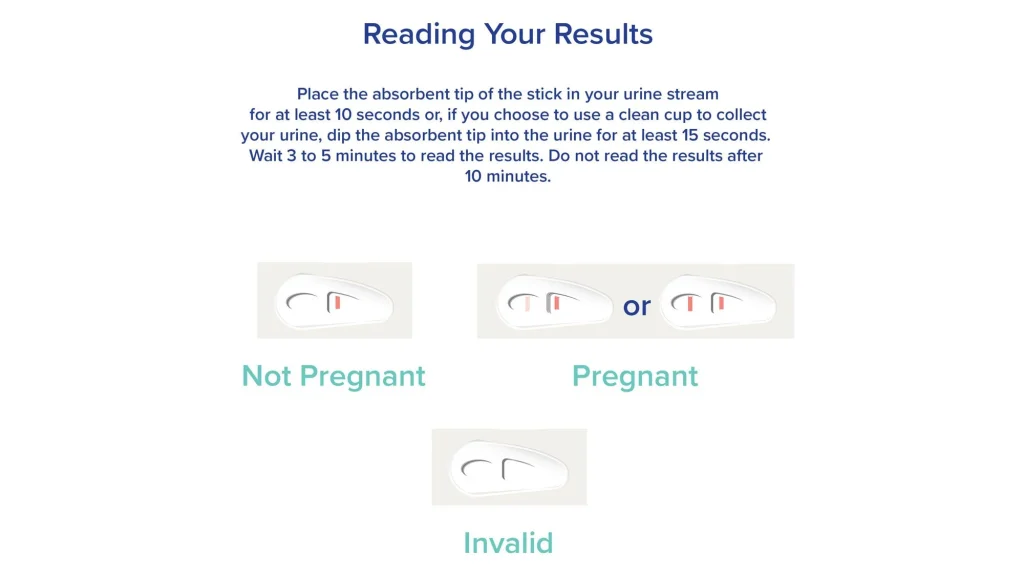
    Instructions for reading pregnancy test results with visual indicators for "Not Pregnant," "Pregnant," and "Invalid.

    The Importance of Choosing the Right Non-Invasive Insemination Clinic

    Another factor to consider when choosing a non-invasive insemination clinic is the quality of their facilities and equipment. The clinic should have a sterile and comfortable environment for the procedure, with modern and well-maintained equipment. This will not only ensure a successful procedure but also reduce the risk of any infections or complications. It is recommended to visit the clinic in person before making a decision to get a feel for the atmosphere and the quality of their facilities.

    Moreover, it is crucial to consider the cost of non-invasive insemination and the services covered by the clinic. Non-invasive insemination can be expensive, and it is essential to choose a clinic that offers transparent pricing and payment options. Some clinics may also offer additional services such as fertility testing and counseling, which can be beneficial for couples trying to conceive. It is important to discuss all costs and services with the clinic beforehand to avoid any unexpected expenses.

    In addition to these practical considerations, it is also important to choose a non-invasive insemination clinic that prioritizes the emotional well-being of their patients. Trying to conceive can be a stressful and emotional journey, and a supportive and understanding clinic can make a significant difference. The clinic should have trained counselors or therapists who can provide emotional support and guidance throughout the process. They should also have a compassionate and non-judgmental approach towards patients, regardless of their sexual orientation, marital status, or fertility issues.

    Lastly, it is crucial to choose a non-invasive insemination clinic that values patient privacy and confidentiality. Patients should feel comfortable and safe sharing personal and sensitive information with the clinic, and the staff should adhere to strict confidentiality policies. The clinic should also have proper protocols in place to protect patient information and ensure their privacy is maintained at all times.

    In conclusion, choosing the right non-invasive insemination clinic is crucial for a successful and safe procedure. It is essential to research and consider factors such as reputation, offered methods, facilities and equipment, costs and services, emotional support, and patient privacy before making a decision. By selecting a reputable and experienced clinic that prioritizes the well-being of their patients, couples can increase their chances of conceiving and starting their journey towards parenthood.

  • The Power of Preparation: How an At-Home Conception Aid Kit Can Help You Conceive

    The Power of Preparation: How an At-Home Conception Aid Kit Can Help You Conceive

    Preparing for pregnancy can be an exciting and overwhelming time for couples. There are many factors that contribute to a successful conception, and one important aspect is being prepared. While there are many options for fertility treatments and aids, at-home conception aid kits are becoming increasingly popular for their convenience and effectiveness. In this blog post, we will dive into the power of preparation and how an at-home conception aid kit can help you conceive.

    Understanding the Basics of Conception
    Before we delve into the benefits of at-home conception aid kits, it’s important to have a basic understanding of conception. Conception occurs when a sperm fertilizes an egg, resulting in the creation of a new life. This process usually takes place in the fallopian tubes and the fertilized egg then travels to the uterus, where it implants and grows into a baby. However, for many couples, conception does not happen as easily as it sounds.

    The Importance of Preparation
    Preparation is key when it comes to conception. It involves making lifestyle changes, such as quitting smoking and reducing alcohol consumption, to improve fertility. It also involves tracking ovulation and having intercourse during the most fertile days of a woman’s cycle. Additionally, preparing mentally and emotionally for the journey of pregnancy and parenthood can also greatly impact the success of conception.

    Benefits of At-Home Conception Aid Kits
    At-home conception aid kits are designed to assist couples in their journey towards pregnancy. These kits usually contain ovulation tests, fertility supplements, and other helpful tools. Here are some of the benefits of using an at-home conception aid kit:

    1. Convenience
    One of the biggest advantages of using an at-home conception aid kit is the convenience it offers. These kits can be purchased online or over the counter at a pharmacy, making it easily accessible for couples. This eliminates the need for multiple doctor visits and allows couples to track their fertility and ovulation from the comfort of their own home.

    2. Cost-effective
    Compared to fertility treatments and procedures, at-home conception aid kits are relatively affordable. They are a cost-effective option for couples who are looking to improve their chances of conception without breaking the bank.

    3. Comprehensive Tracking
    At-home conception aid kits usually come with ovulation tests, which help women track their most fertile days. This is essential for couples who are trying to conceive as it allows them to time intercourse during the most optimal days. Some kits also include basal body temperature thermometers and cervical mucus tests, providing a comprehensive way to track ovulation.

    4. Fertility Supplements
    Many at-home conception aid kits also include fertility supplements, such as prenatal vitamins and herbal supplements. These supplements can help regulate hormones and improve overall fertility, making it easier to conceive.

    sperm-ready insemination kit with a syringe and container, featuring a screw top lid and non-tip safety wall

    The Power of Preparation: How an At-Home Conception Aid Kit Can Help You Conceive

    5. Privacy
    For some couples, the journey towards pregnancy can be a private and personal matter. At-home conception aid kits offer the privacy and discretion that many couples desire. This eliminates the need to discuss personal matters with healthcare providers and allows couples to take control of their own fertility journey.

    Preparing for Pregnancy with an At-Home Conception Aid Kit
    Using an at-home conception aid kit can greatly increase the chances of conception for couples. However, it’s important to keep in mind that these kits are not a guarantee for pregnancy. It’s essential to continue making healthy lifestyle choices and to consult with a healthcare provider if you are experiencing any fertility issues.

    In addition to using an at-home conception aid kit, here are some other tips to help you prepare for pregnancy:

    1. Eat a Healthy Diet
    A healthy and balanced diet is crucial for fertility. Make sure to include plenty of fruits, vegetables, whole grains, and lean proteins in your diet. Avoid processed foods and excessive amounts of sugar and unhealthy fats.

    2. Exercise Regularly
    Regular exercise not only helps maintain a healthy weight but can also improve fertility. Aim for at least 30 minutes of moderate exercise, such as brisk walking or cycling, most days of the week.

    3. Reduce Stress
    Stress can greatly impact fertility and make it harder to conceive. Find ways to manage stress, such as yoga, meditation, or talking to a therapist.

    4. Quit Smoking and Limit Alcohol
    Smoking and excessive alcohol consumption can decrease fertility in both men and women. If you are trying to conceive, it’s best to quit smoking and limit alcohol intake.

    5. Consult with a Doctor
    If you have been trying to conceive for over a year without success, it’s best to consult with a healthcare provider. They can provide further guidance and may recommend fertility treatments or procedures if necessary.

    Summary:
    Preparing for pregnancy is essential for couples looking to conceive. At-home conception aid kits offer convenience, cost-effectiveness, and comprehensive tracking, making them a popular choice for couples. Along with using an at-home kit, it’s important to maintain a healthy lifestyle and consult with a doctor if experiencing fertility issues. With the power of preparation and the help of an at-home conception aid kit, couples can increase their chances of successfully conceiving.

  • The Importance of Proper Sterilization When Using a Syringe Kit for DIY Baby-Making

    The decision to start a family is a significant one, and for many couples, having a child is one of the most fulfilling experiences in life. However, for some, conceiving a child may not come as easily, leading them to explore alternative methods, such as at-home insemination using a syringe kit. While this method may seem simple and straightforward, it is crucial to understand the importance of proper sterilization when using a syringe kit for DIY baby-making. In this blog post, we will discuss the significance of sterilization, the potential risks of improper sterilization, and tips for ensuring safety and success in your DIY baby-making journey.

    Why Sterilization is Important

    Sterilization is the process of eliminating all microorganisms, including bacteria, viruses, and fungi, from an object or surface. In the context of DIY baby-making, proper sterilization is crucial as it helps prevent the transmission of harmful bacteria or viruses that could potentially harm both the parents and the baby. The use of a syringe kit involves handling bodily fluids, which can easily harbor bacteria and viruses, making it essential to ensure that the equipment used is free from any potential contaminants.

    Furthermore, proper sterilization also plays a significant role in the success of at-home insemination. If the syringe or other equipment is not adequately sterilized, it can lead to contamination of the sperm, reducing the chances of conception. This can be particularly frustrating for couples who are already struggling with fertility issues and are relying on DIY methods to conceive.

    The Risks of Improper Sterilization

    The risks of improper sterilization can be severe, not only in terms of the health of the parents and the baby but also in terms of the success of the DIY baby-making process. Some of the potential risks include:

    1. Infection: As mentioned earlier, the use of a syringe kit involves handling bodily fluids, which can easily harbor harmful bacteria and viruses. When these fluids come into contact with unsterilized equipment, there is a high risk of infection. This can lead to serious health complications for both the parents and the baby.

    2. Reduced fertility: Improper sterilization can also affect the quality of the sperm, reducing its fertility. This can significantly decrease the chances of conception, making it difficult for couples to achieve their dream of starting a family.

    3. Spread of diseases: If one of the parents has an underlying health condition, improper sterilization can lead to the spread of the disease to the other partner or the baby. This can have severe consequences and may even put the baby’s life at risk.

    Two transparent syringes with teal accents positioned diagonally on a light gray background.

    The Importance of Proper Sterilization When Using a Syringe Kit for DIY Baby-Making

    Tips for Ensuring Safety and Success

    Now that we understand the importance of proper sterilization let’s discuss some tips for ensuring safety and success when using a syringe kit for DIY baby-making:

    1. Use sterile equipment: The first and most crucial step is to use sterile equipment. This includes the syringe, vials, and any other tools involved in the process. These should be purchased from a reputable source and come with a guarantee of sterility.

    2. Wash your hands: Before handling any equipment, it is essential to wash your hands thoroughly with soap and water. This will help remove any bacteria or viruses that may be present on your skin.

    3. Use an autoclave or boiling water: Sterilization can be achieved through various methods, including using an autoclave or boiling water. An autoclave uses high pressure and steam to kill all microorganisms, while boiling water can also effectively sterilize equipment. It is essential to follow the manufacturer’s instructions when using an autoclave and to ensure that the equipment is completely submerged in boiling water for at least 20 minutes.

    4. Avoid cross-contamination: Cross-contamination can occur when unsterilized equipment comes into contact with sterile equipment. To prevent this, it is crucial to have a designated area for sterilization and to handle equipment with clean, sterile gloves.

    5. Dispose of equipment properly: After use, all equipment should be disposed of properly. This includes needles, syringes, and any other disposable items. Reusing these items can lead to contamination and increase the risk of infection.

    In conclusion, the importance of proper sterilization when using a syringe kit for DIY baby-making cannot be emphasized enough. It not only ensures the safety and health of the parents and the baby but also increases the chances of conception. By following the tips mentioned above and taking the necessary precautions, couples can embark on their DIY baby-making journey confidently and safely.

    SEO metadata:

  • The Ultimate Guide to Creating an Insemination Made Easy Starter Pack

    The process of insemination, or artificially introducing sperm into the female reproductive tract, can be an overwhelming and nerve-wracking experience. For those considering or undergoing this procedure, it is important to have a thorough understanding of what it entails and how to make the process as easy as possible. That’s why we have created the Ultimate Guide to Creating an Insemination Made Easy Starter Pack – a comprehensive and practical resource for anyone embarking on this journey.

    In this blog post, we will provide an in-depth guide on how to prepare for insemination, what to expect during the procedure, and how to make the experience as comfortable and stress-free as possible. We will also discuss the various methods of insemination and provide tips for maximizing your chances of success. So let’s dive in and get you on your way to creating your very own insemination made easy starter pack!

    The first step in preparing for insemination is to consult with a healthcare provider. They will be able to assess your individual situation and recommend the best method of insemination for you. They will also discuss any potential risks and provide guidance on how to minimize them. It is important to be open and honest with your provider about your medical history and any concerns you may have.

    Once you have decided on the method of insemination, it is time to gather all the necessary supplies. This is where the insemination made easy starter pack comes into play. It should include all the essential items you will need for the procedure, such as sterile syringes, sperm collection cups, ovulation predictor kits, and cervical caps or cups. These items can typically be purchased online or at a fertility clinic.

    Next, you will need to track your ovulation. Insemination is most effective when done around the time of ovulation, so it is crucial to know when you are most fertile. There are several methods for tracking ovulation, including using ovulation predictor kits, tracking your basal body temperature, and monitoring changes in your cervical mucus. Your healthcare provider can help you determine which method is best for you.

    On the day of insemination, it is important to make sure you are relaxed and comfortable. This can help increase your chances of success by allowing your body to properly relax and open up. You may want to create a calm and soothing atmosphere in your room, play some relaxing music, and have your partner or a loved one present for support.

    Mosie Baby kit with two jars, a syringe, and a supportive message card inside a colorful box.

    The Ultimate Guide to Creating an Insemination Made Easy Starter Pack

    Before the procedure, it is essential to properly prepare the sperm. The sperm should be collected in a sterile cup and kept at body temperature until it is time for insemination. If using frozen sperm, it should be thawed according to the instructions provided by the sperm bank.

    Now it’s time for the actual insemination process. There are two main methods of insemination – intracervical and intrauterine. Intracervical insemination involves placing the sperm near the cervix, while intrauterine insemination involves placing the sperm directly into the uterus. Your healthcare provider will guide you on which method is best for you.

    During the procedure, it is important to remain calm and relaxed. You may experience some cramping or discomfort, but it should not be severe. Your healthcare provider will guide the sperm to the appropriate location and then you will need to remain lying down for about 15-20 minutes to allow the sperm to reach the egg.

    After the insemination, it is important to continue tracking your ovulation and following any instructions given by your healthcare provider. You may also want to engage in activities that can help increase your chances of conception, such as eating a healthy diet, exercising regularly, and avoiding alcohol and smoking.

    In terms of success rates, the chances of conception vary depending on factors such as age, overall health, and the method of insemination. It is important to have realistic expectations and be patient, as it may take multiple attempts before achieving a successful pregnancy.

    To summarize, creating an insemination made easy starter pack involves consulting with a healthcare provider, tracking ovulation, gathering necessary supplies, preparing for the procedure, and remaining relaxed and calm during the process. It is also important to continue tracking ovulation and engaging in healthy habits post-insemination. With the right preparation and mindset, insemination can be a successful and stress-free experience.

    In conclusion, the Ultimate Guide to Creating an Insemination Made Easy Starter Pack is a comprehensive resource for anyone considering or undergoing insemination. It provides practical tips and advice for preparing for the procedure, making the experience as comfortable as possible, and maximizing the chances of success. By following these guidelines and working closely with your healthcare provider, you can embark on this journey with confidence and ease.