Tag: vaginal health

  • How Cervical Mucus Can Help You Prepare for a Smooth Delivery

    Cervical mucus may not be a topic that many pregnant women think about, but it can actually play a significant role in preparing for a smooth and successful delivery. This often overlooked bodily fluid can provide valuable insights into a woman’s fertility and reproductive health, and can also offer important clues about the state of her pregnancy. In this blog post, we will explore the various ways that cervical mucus can help expecting mothers prepare for a smooth delivery.

    Firstly, let’s understand what cervical mucus is and why it is important. Cervical mucus is a type of fluid produced by the cervix, the lower end of the uterus. It plays a crucial role in the reproductive system by providing a protective barrier for the sperm and aiding in the transport of sperm towards the egg. Additionally, its consistency and appearance change throughout a woman’s menstrual cycle due to hormonal fluctuations.

    Now, let’s dive into how cervical mucus can help expecting mothers prepare for a smooth delivery:

    1) Tracking Fertility:

    One of the most well-known uses of cervical mucus is tracking fertility. As mentioned earlier, the consistency and appearance of cervical mucus changes throughout the menstrual cycle. During ovulation, the mucus becomes thinner, clearer, and stretchy, resembling raw egg whites. This type of mucus, called fertile mucus, indicates the most fertile time of the cycle and is an ideal environment for sperm to survive and travel towards the egg. By tracking the changes in cervical mucus, women can determine their most fertile days and increase their chances of conception.

    2) Indicating Pregnancy:

    Apart from tracking fertility, cervical mucus can also provide important information about the state of pregnancy. After conception, the mucus becomes thicker and more abundant due to the increased levels of estrogen and progesterone. This is known as the “mucus plug,” and it acts as a protective barrier for the developing baby, guarding against infections and bacteria. The presence of this mucus plug is a sign of a healthy pregnancy and can help expecting mothers feel reassured about the well-being of their baby.

    Mosie Baby pregnancy test kit with two tests and packaging, featuring a mint green color scheme.

    How Cervical Mucus Can Help You Prepare for a Smooth Delivery

    3) Monitoring Cervical Changes:

    As the body prepares for labor and delivery, the cervix undergoes significant changes. Cervical mucus can be an indicator of these changes. As the delivery date approaches, the mucus plug may start to dislodge, leading to an increase in vaginal discharge. This can be a sign that the cervix is softening and dilating, getting ready for labor. Paying attention to these changes can help expecting mothers prepare for the physical and emotional demands of labor and delivery.

    4) Assessing the Risk of Preterm Labor:

    Cervical mucus can also provide valuable information about the risk of preterm labor. In some cases, the cervical mucus may start to thin and dilute earlier than expected, which can indicate the possibility of preterm labor. This is particularly important for women who have a history of preterm labor or are at risk for other pregnancy complications. By monitoring their cervical mucus, these women can take necessary precautions and seek medical attention if needed, reducing the risk of preterm delivery.

    5) Improving Vaginal Health:

    Another benefit of paying attention to cervical mucus is that it can help improve overall vaginal health. Abnormal changes in cervical mucus, such as foul odor, unusual color, or increased discharge, can be a sign of infections or other issues. By addressing these issues promptly, women can prevent complications and ensure a healthy vaginal environment for themselves and their baby.

    In summary, cervical mucus is a vital part of a woman’s reproductive system and can offer valuable insights into fertility, pregnancy, and delivery. By tracking changes in cervical mucus, expecting mothers can prepare for a smooth and successful delivery by understanding their most fertile days, monitoring the progress of their pregnancy, and identifying potential complications. Additionally, paying attention to cervical mucus can also help improve overall vaginal health and ensure a healthy environment for the mother and baby.

    In conclusion, while it may not be a glamorous topic, cervical mucus can provide expecting mothers with important information and peace of mind during their pregnancy journey. By understanding its role and importance, women can use this often overlooked bodily fluid to their advantage and prepare for a smooth and successful delivery.


  • Exploring the Link Between Vaginal pH and Recurrent Miscarriages

    Blog Post:

    Miscarriage is a heartbreaking experience that affects millions of women worldwide. It is defined as the loss of a pregnancy before the 20th week, and it can be a traumatic and devastating event for couples trying to conceive. While there are many factors that can contribute to recurrent miscarriages, one lesser-known factor that has been gaining attention is vaginal pH levels.

    The vagina is a self-cleaning and self-regulating organ, thanks to the presence of good bacteria called lactobacilli. These bacteria produce lactic acid, which helps keep the vaginal pH level between 3.5 and 4.5, making it slightly acidic. This level of acidity creates an environment that is inhospitable to harmful bacteria, viruses, and fungi. However, when the balance of bacteria and pH levels is disrupted, it can lead to various vaginal health issues, including recurrent miscarriages.

    Several studies have shown a link between vaginal pH levels and recurrent miscarriages. In a study published in the American Journal of Obstetrics and Gynecology, researchers found that women with recurrent miscarriages had significantly higher vaginal pH levels compared to women without a history of miscarriage. Another study conducted in Sweden also found a similar association between high vaginal pH levels and recurrent miscarriages.

    So, how exactly does vaginal pH affect pregnancy? One theory suggests that a high vaginal pH level can disrupt the delicate balance of bacteria in the vagina, leading to an overgrowth of harmful bacteria. This imbalance can cause inflammation and infection in the cervix and uterus, making it difficult for a fertilized egg to implant and grow in the uterine lining. Moreover, an imbalanced vaginal pH can also affect the quality of cervical mucus, which plays a crucial role in helping sperm reach the egg for fertilization.

    Furthermore, high vaginal pH levels can also increase the risk of bacterial vaginosis (BV) and other vaginal infections. BV is a common vaginal infection caused by an overgrowth of bad bacteria, and it has been linked to recurrent miscarriages. It is believed that BV can cause inflammation and damage to the cervix, which can make it difficult for the embryo to implant in the uterus.

    So, what can cause an imbalance in vaginal pH levels? There are several factors that can disrupt the natural balance of vaginal pH, including:

    1. Douching: Douching is the act of cleaning the vagina with water or other solutions, which can disrupt the natural pH balance and wash away good bacteria.

    2. Antibiotics: Antibiotics can kill not only the harmful bacteria but also the good bacteria in the vagina, leading to an imbalance in pH levels.

    3. Hormonal changes: Fluctuations in hormones, such as estrogen and progesterone, can affect the vaginal pH balance. This is why pregnant women and women on birth control pills are more prone to imbalanced pH levels.

    Informative card introducing the Mosie Baby Kit and its mission for at-home insemination.

    Exploring the Link Between Vaginal pH and Recurrent Miscarriages

    4. Sexual activity: Semen is alkaline, and when it mixes with vaginal secretions, it can increase the pH level in the vagina.

    5. Poor hygiene: Not maintaining proper hygiene can lead to the growth of bad bacteria and an imbalance of vaginal pH.

    Now that we understand the link between vaginal pH and recurrent miscarriages, how can we prevent it? The good news is that maintaining a healthy vaginal pH is relatively simple. Here are a few tips to help keep your vaginal pH levels in check:

    1. Avoid douching: As mentioned earlier, douching can disrupt the natural balance of vaginal pH. Instead, opt for gentle cleansing with water and mild soap.

    2. Probiotics: Consuming probiotic-rich foods or taking supplements can help increase the number of good bacteria in your vagina, promoting a healthy balance of pH levels.

    3. Use condoms: As semen can increase the pH level in the vagina, using condoms during sexual activity can help maintain a healthy balance.

    4. Stay hydrated: Drinking plenty of water can help flush out toxins and maintain a healthy pH balance in the vagina.

    5. Practice good hygiene: Keeping the vaginal area clean and dry can prevent the growth of bad bacteria and maintain a healthy pH level.

    If you are experiencing recurrent miscarriages and suspect an imbalance in vaginal pH levels, it is essential to consult your doctor. They can perform a simple pH test and recommend suitable treatment options, such as antibiotics to treat any infection or probiotics to rebalance the vaginal flora.

    In conclusion, while there are many factors that can contribute to recurrent miscarriages, maintaining a healthy vaginal pH is crucial for a successful pregnancy. By understanding the link between vaginal pH and miscarriages and taking simple steps to maintain a healthy balance, women can improve their chances of a healthy pregnancy and reduce the risk of recurrent miscarriages.

    Summary:
    Miscarriage is a heartbreaking experience for couples trying to conceive, and one lesser-known factor that can contribute to recurrent miscarriages is vaginal pH levels. The vagina is naturally acidic, thanks to good bacteria called lactobacilli, but when the balance is disrupted, it can lead to various vaginal health issues, including recurrent miscarriages. Studies have shown a link between high vaginal pH levels and recurrent miscarriages, and it is believed that an imbalance in pH can cause inflammation, infection, and affect the quality of cervical mucus, making it difficult for a fertilized egg to implant and grow. Factors such as douching, antibiotics, hormonal changes, sexual activity, and poor hygiene can disrupt the natural balance of vaginal pH. To prevent this, women can follow simple tips such as avoiding douching, consuming probiotic-rich foods, using condoms, staying hydrated, and practicing good hygiene. If experiencing recurrent miscarriages, it is essential to consult a doctor for proper diagnosis and treatment.

  • The Impact of Vaginal pH on Menopause Symptoms and Treatment

    Blog Post Title: The Impact of Vaginal pH on Menopause Symptoms and Treatment

    Menopause is a natural process that occurs in women typically between the ages of 45 and 55. It marks the end of a woman’s reproductive years and is characterized by a decrease in hormone production, specifically estrogen. While menopause is a natural and normal part of a woman’s life, it can also bring about a range of symptoms that can significantly impact a woman’s quality of life. One factor that has been gaining more attention in recent years is the impact of vaginal pH on menopause symptoms and treatment.

    Understanding Vaginal pH

    Before delving into the impact of vaginal pH on menopause, it is important to have a basic understanding of what vaginal pH is and why it matters. Vaginal pH refers to the acidity or alkalinity level of the vagina, which is determined by the presence of certain bacteria. The ideal pH for a healthy vagina is between 3.5 and 4.5, which is considered slightly acidic. This level of acidity is crucial for maintaining a healthy balance of bacteria and preventing the overgrowth of harmful bacteria or yeast.

    Menopause and Vaginal pH

    As estrogen levels decline during menopause, the vaginal pH becomes less acidic, resulting in a more alkaline environment. This change in vaginal pH can have a significant impact on menopause symptoms, as well as overall vaginal health. The decrease in acidity can lead to an overgrowth of harmful bacteria and yeast, which can cause a range of uncomfortable symptoms such as vaginal dryness, itching, and an increased risk of urinary tract infections.

    Impact on Menopause Symptoms

    The change in vaginal pH during menopause can have a direct impact on various menopause symptoms. One of the most common symptoms of menopause is vaginal dryness, which is caused by a decrease in estrogen levels. When the vaginal pH becomes less acidic, it can exacerbate this symptom, making it even more uncomfortable for women. Additionally, the change in pH can also lead to an increase in vaginal infections, which can cause further discomfort and irritation.

    sperm-ready insemination kit with a syringe and container, featuring a screw top lid and non-tip safety wall

    The Impact of Vaginal pH on Menopause Symptoms and Treatment

    Treatment Options

    While menopause is a natural process, the symptoms it brings can be managed with various treatment options. Hormone replacement therapy (HRT) is a common treatment for menopause symptoms, and it can also have a positive impact on vaginal pH. Estrogen therapy can help restore the acidity level of the vagina, reducing symptoms such as dryness and irritation.

    In addition to HRT, there are also non-hormonal treatment options available for managing menopause symptoms and maintaining a healthy vaginal pH. Vaginal moisturizers and lubricants can help alleviate dryness and discomfort, while probiotics can help restore the balance of bacteria in the vagina.

    Maintaining a Healthy Vaginal pH

    In addition to seeking treatment for menopause symptoms, there are also steps women can take to maintain a healthy vaginal pH. Eating a balanced diet and staying hydrated can help support the body’s natural pH balance. Additionally, avoiding irritants such as scented products and douching can help prevent disruptions to the vaginal pH.

    Furthermore, regular sexual activity can also help maintain a healthy vaginal pH. This is because sexual activity can help promote blood flow to the vagina, increasing lubrication and maintaining the balance of bacteria.

    In some cases, a doctor may also recommend using a vaginal pH test kit to monitor and manage vaginal pH levels. These kits can provide valuable insight into the current state of the vagina’s pH and help identify any potential issues that may need to be addressed.

    In conclusion, the impact of vaginal pH on menopause symptoms and treatment cannot be ignored. As estrogen levels decline during menopause, the vaginal pH becomes less acidic, leading to a range of uncomfortable and potentially harmful symptoms. Therefore, it is important for women going through menopause to be aware of their vaginal pH and take necessary steps to maintain a healthy balance.

    SEO metadata:

  • The Surprising Ways Vaginal pH Can Affect Your Mental Health

    Blog Post:

    When it comes to mental health, most people think of factors such as genetics, environment, and lifestyle. However, there is one surprising factor that is often overlooked – vaginal pH. Yes, that’s right, the acidity level in your vagina can play a significant role in your mental well-being. This may seem like an unlikely connection, but research has shown that an imbalance in vaginal pH can lead to a variety of mental health issues, including anxiety, depression, and even bipolar disorder. In this blog post, we will explore the surprising ways in which vaginal pH can affect your mental health and what you can do to maintain a healthy balance.

    What is Vaginal pH?

    Before we dive into the connection between vaginal pH and mental health, let’s first understand what vaginal pH is. The pH scale measures the acidity or alkalinity of a substance, with 7 being neutral, below 7 being acidic, and above 7 being alkaline. The normal vaginal pH is between 3.8 and 4.5, making it slightly acidic. This level of acidity is crucial for maintaining a healthy balance of bacteria in the vagina.

    How Vaginal pH Affects Mental Health

    1. Disruption of Good Bacteria

    The vagina is home to a complex ecosystem of bacteria, including lactobacilli, which are considered good bacteria. These bacteria play a vital role in maintaining a healthy vaginal pH. When there is a disruption in the balance of good bacteria, it can lead to an increase in vaginal pH. This change in pH can cause an overgrowth of harmful bacteria, leading to infections such as bacterial vaginosis and yeast infections. These infections can cause physical discomfort and pain, which can take a toll on a person’s mental health.

    2. Increased Inflammation

    An imbalance in vaginal pH can also lead to increased inflammation in the body. When the vagina becomes too alkaline, it can cause the pH balance in the gut to be disrupted as well. This imbalance can lead to inflammation in the gut, which is linked to mental health issues such as depression and anxiety. Inflammation in the body can also affect the production of neurotransmitters, which are chemicals that regulate mood and behavior.

    3. Hormonal Imbalances

    The hormones estrogen and progesterone play a crucial role in a woman’s mental health. These hormones not only affect the reproductive system but also influence mood, energy, and cognitive function. When there is an imbalance in vaginal pH, it can also lead to changes in hormone levels. This can cause mood swings, irritability, and other symptoms that are commonly associated with mental health disorders.

    4. Impact on Sexual Function

    A healthy vaginal pH is essential for sexual function and pleasure. An imbalance in pH can lead to vaginal dryness, discomfort, and pain during intercourse. These physical symptoms can take a toll on a person’s mental well-being, causing feelings of inadequacy, low self-esteem, and even relationship issues.

    5. Connection to Brain-Gut Axis

    pregnancy test kit features labeled for comfort and confidence on a teal background

    The Surprising Ways Vaginal pH Can Affect Your Mental Health

    The brain-gut axis is a bidirectional communication system between the gut and the central nervous system. Research has shown that the gut microbiome, which includes the bacteria in the vagina, plays a significant role in regulating this communication. When there is a disruption in the balance of bacteria in the vagina, it can affect the gut-brain axis, leading to changes in mood and behavior.

    Maintaining a Healthy Vaginal pH

    Now that we understand the connection between vaginal pH and mental health, it’s essential to know how to maintain a healthy balance. Here are some ways to keep your vaginal pH in check:

    1. Avoid Douching

    Douching is the practice of cleaning the inside of the vagina with water or other fluids. However, this can disrupt the natural balance of bacteria and pH in the vagina, leading to an increased risk of infections. It is best to avoid douching and instead stick to gentle external cleaning with mild soap and water.

    2. Practice Safe Sex

    Unprotected sexual activity can introduce new bacteria into the vagina, leading to an imbalance in pH. It is crucial to practice safe sex by using condoms to prevent the spread of sexually transmitted infections and maintain a healthy vaginal environment.

    3. Eat a Balanced Diet

    A healthy and balanced diet is essential for maintaining a healthy vaginal pH. Foods such as probiotics, fermented foods, and foods rich in fiber can help promote good bacteria in the vagina and maintain a healthy balance.

    4. Consider Probiotic Supplements

    Probiotics are beneficial bacteria that can help restore and maintain a healthy balance of bacteria in the vagina. Probiotic supplements can be taken orally or applied directly to the vagina to help regulate pH levels and prevent infections.

    5. Seek Medical Help

    If you are experiencing symptoms of an imbalance in vaginal pH, such as unusual discharge, itching, or pain, it is crucial to seek medical help. Your doctor can perform tests to determine your vaginal pH levels and prescribe the appropriate treatment to restore balance.

    In conclusion, the connection between vaginal pH and mental health may come as a surprise to many. However, maintaining a healthy balance in your vaginal pH is crucial for both physical and mental well-being. By following the tips mentioned above and seeking medical help when needed, you can maintain a healthy vaginal pH and promote good mental health.

    SEO Metadata:

  • The Connection Between Vaginal pH and Urinary Tract Infections

    Blog Post: The Connection Between Vaginal pH and Urinary Tract Infections

    Urinary tract infections (UTIs) are a common and uncomfortable issue that affect millions of people, especially women, each year. These infections can be caused by a variety of factors, but one often overlooked aspect is the role of vaginal pH in UTI development. In this blog post, we will explore the connection between vaginal pH and UTIs, and how maintaining a healthy balance can help prevent these infections.

    Understanding Vaginal pH

    pH is a measure of acidity in the body, with a scale ranging from 0 to 14. A pH level of 7 is considered neutral, while levels below 7 are acidic and levels above 7 are alkaline. The vagina has a natural pH level that falls between 3.5 and 4.5, which is slightly acidic. This level is maintained by the presence of good bacteria, specifically lactobacilli, which help keep harmful bacteria at bay.

    The Role of Vaginal pH in UTIs

    UTIs occur when bacteria, usually from the digestive tract, enter the urinary tract and multiply, causing an infection. The most common type of bacteria responsible for UTIs is Escherichia coli (E. coli). While UTIs can occur in anyone, women are more prone to developing them due to their anatomy. The urethra, the tube that carries urine from the bladder to the outside of the body, is shorter in women, making it easier for bacteria to reach the bladder and cause an infection.

    A healthy balance of vaginal pH is essential in preventing UTIs because it helps maintain the proper environment for good bacteria to thrive. When the pH level becomes too high, it can lead to a decrease in good bacteria and an increase in harmful bacteria, making it easier for UTIs to develop. Factors that can disrupt the vaginal pH balance include:

    1. Antibiotics: While antibiotics are often prescribed to treat UTIs, they can also kill off good bacteria in the vagina, leading to an imbalance in pH levels.

    2. Hormonal changes: Fluctuations in hormone levels, such as those that occur during pregnancy, menopause, or while taking birth control pills, can alter the vaginal pH balance.

    3. Sexual activity: Intercourse can introduce new bacteria into the vagina, potentially disrupting the pH balance.

    4. Personal hygiene products: Harsh soaps, douches, and feminine hygiene products can irritate the vagina and change the pH balance.

    Mosie Baby ovulation test kit with packaging and instructions on a pink background.

    The Connection Between Vaginal pH and Urinary Tract Infections

    5. Diet: Consuming too much sugar or acidic foods can also affect the vaginal pH balance.

    Preventing UTIs by Maintaining a Healthy Vaginal pH

    Maintaining a healthy balance of vaginal pH is crucial in preventing UTIs. Here are some tips for keeping your vaginal pH in check:

    1. Avoid douching and harsh soaps: Douching can disrupt the pH balance, and using harsh soaps can irritate the vagina. Stick to gentle, pH-balanced cleansers for intimate hygiene.

    2. Take probiotics: Probiotics, either in supplement form or through fermented foods like yogurt, can help increase good bacteria in the vagina and maintain a healthy pH balance.

    3. Stay hydrated: Drinking plenty of water can help flush out bacteria from the urinary tract and prevent UTIs.

    4. Wear breathable underwear: Tight, non-breathable underwear can create a warm and moist environment, which is ideal for bacteria to grow. Opt for cotton underwear to keep the area dry.

    5. Urinate after intercourse: Urinating after sex can help flush out any bacteria that may have been introduced during intercourse.

    Conclusion

    While many factors can contribute to UTIs, maintaining a healthy vaginal pH is crucial in preventing these uncomfortable infections. By understanding the role of pH in UTIs and taking steps to maintain a healthy balance, you can reduce your risk of developing these infections and improve your overall vaginal health.

    In summary, UTIs are a common and uncomfortable issue that can be prevented by maintaining a healthy vaginal pH. Factors such as antibiotics, hormonal changes, sexual activity, personal hygiene products, and diet can all disrupt the pH balance and increase the risk of UTIs. By avoiding harsh products, taking probiotics, staying hydrated, wearing breathable underwear, and urinating after intercourse, you can keep your vaginal pH in check and prevent UTIs.

  • The Surprising Ways Vaginal pH Can Affect Your Digestive Health

    Vaginal pH is a crucial factor in maintaining overall health and wellness for women. It is responsible for keeping the vagina clean, healthy, and free of harmful bacteria. However, many women are unaware of the surprising ways that vaginal pH can also affect their digestive health. In this blog post, we will explore the connection between vaginal pH and digestive health and how maintaining a healthy pH balance can have a positive impact on your gut health.

    First, it’s important to understand what vaginal pH is and how it affects your body. Vaginal pH is a measure of the acidity or alkalinity of the vagina. The normal range for vaginal pH is between 3.8 and 4.5, which is slightly acidic. This acidic environment is maintained by the presence of good bacteria, known as lactobacilli, which produce lactic acid and keep the vaginal pH in balance. When this delicate balance is disrupted, it can lead to a variety of health issues.

    One of the ways that vaginal pH can affect your digestive health is through the spread of harmful bacteria. The vagina and the digestive system are connected through the same mucous membrane that lines the reproductive and digestive tracts. This means that if the vaginal pH is imbalanced, it can lead to an overgrowth of harmful bacteria in the vagina, which can then travel to the gut and disrupt the delicate balance of bacteria in your digestive system. This can result in digestive issues such as bloating, constipation, and diarrhea.

    Furthermore, an imbalanced vaginal pH can also lead to an overgrowth of yeast, specifically Candida, which is a type of fungus. When there is an excess of Candida in the vagina, it can lead to a condition called yeast infection, which can cause discomfort and itching in the vaginal area. But what many women don’t realize is that an overgrowth of Candida can also have a negative impact on the digestive system. Candida is a type of yeast that naturally occurs in the gut, but when there is an overgrowth, it can cause an imbalance in the gut bacteria and lead to digestive issues.

    Additionally, an imbalanced vaginal pH can also affect the immune system, which plays a vital role in maintaining a healthy gut. The good bacteria in the vagina not only keep the vaginal pH balanced but also help to fight off harmful bacteria and infections. When the vaginal pH is imbalanced, it can weaken the immune system and make you more susceptible to digestive issues such as food sensitivities, allergies, and inflammation.

    Home insemination kit by Mosie Baby with instructions and colorful packaging.

    The Surprising Ways Vaginal pH Can Affect Your Digestive Health

    Now that we understand the connection between vaginal pH and digestive health, let’s explore some practical ways to maintain a healthy pH balance to promote a healthy gut. The first step is to incorporate probiotics into your daily routine. Probiotics are live microorganisms that help to maintain a healthy balance of bacteria in the gut. They can be found in fermented foods like yogurt, kefir, sauerkraut, and kimchi. You can also take probiotic supplements, which contain different strains of good bacteria to support your gut health.

    Another way to maintain a healthy vaginal pH and digestive system is to avoid douching. Douching is the practice of using water or other solutions to clean the vagina. However, this can disrupt the natural balance of bacteria and increase the risk of infection. Instead, opt for gentle, fragrance-free cleansers when washing the vaginal area.

    In addition to probiotics and avoiding douching, it’s also essential to pay attention to your diet. A diet high in sugar and processed foods can lead to an overgrowth of harmful bacteria and yeast in the vagina and gut. Instead, focus on incorporating whole, unprocessed foods such as fruits, vegetables, and lean proteins into your diet. These foods are rich in nutrients and fiber, which are essential for maintaining a healthy balance of bacteria in the gut.

    Lastly, it’s crucial to maintain good hygiene habits to prevent the spread of harmful bacteria. This includes changing your underwear daily, avoiding tight-fitting clothing, and wiping front to back after using the bathroom. These simple habits can go a long way in maintaining a healthy vaginal pH and promoting overall gut health.

    In conclusion, the connection between vaginal pH and digestive health is often overlooked, but it’s essential to maintain a healthy balance for overall wellness. An imbalanced vaginal pH can lead to an overgrowth of harmful bacteria and yeast, which can affect the gut and immune system. By incorporating probiotics, avoiding douching, and maintaining a healthy diet and hygiene practices, you can support a healthy vaginal pH balance and promote a healthy gut.

    SEO metadata:

  • How to Naturally Balance Your Vaginal pH for a Healthy Pregnancy

    Title: How to Naturally Balance Your Vaginal pH for a Healthy Pregnancy

    Pregnancy is an exciting and transformative time for women, but it can also come with its fair share of challenges. One of these challenges is maintaining a healthy vaginal pH. A balanced vaginal pH is essential for a healthy pregnancy and can prevent complications such as infections and preterm labor. In this blog post, we will discuss what vaginal pH is, why it is important during pregnancy, and how to naturally balance it for a healthy and comfortable pregnancy.

    Understanding Vaginal pH:
    Vaginal pH refers to the level of acidity or alkalinity in the vagina. The normal vaginal pH for women of reproductive age is between 3.8 and 4.5, which is slightly acidic. This level of acidity is maintained by a delicate balance of good and bad bacteria in the vagina. When the pH levels are disrupted, it can lead to an overgrowth of harmful bacteria, causing infections and other complications.

    Importance of Balanced Vaginal pH during Pregnancy:
    During pregnancy, there are significant hormonal changes that can affect the vaginal pH. This increase in estrogen levels can lead to a higher pH, making pregnant women more susceptible to infections. A healthy vaginal pH is crucial during pregnancy as it can prevent complications such as bacterial vaginosis, yeast infections, and urinary tract infections. It can also reduce the risk of preterm labor, which is a major concern for pregnant women.

    Causes of Vaginal pH Imbalance During Pregnancy:
    Several factors can disrupt the delicate balance of vaginal pH during pregnancy. Some common causes include:

    1. Hormonal Changes: As mentioned earlier, the increase in estrogen levels during pregnancy can lead to a higher pH.

    2. Douching: Douching is the process of cleaning the vagina with water or other solutions. It can disrupt the natural balance of bacteria in the vagina and increase the pH levels.

    3. Poor Hygiene: Improper hygiene, such as not changing sanitary pads frequently or using scented products, can also lead to a higher pH.

    4. Sexual Intercourse: Semen has a high pH, and frequent sexual intercourse can alter the vaginal pH.

    5. Diet: A diet high in sugar and processed foods can also contribute to a higher vaginal pH.

    at-home insemination kit featuring a syringe and container for fresh or donor sperm conception

    How to Naturally Balance Your Vaginal pH for a Healthy Pregnancy

    How to Naturally Balance Vaginal pH during Pregnancy:

    1. Probiotics: Probiotics are beneficial bacteria that can help maintain a healthy balance of good and bad bacteria in the vagina. They are available in supplement form, or you can consume probiotic-rich foods such as yogurt, kefir, and sauerkraut.

    2. Apple Cider Vinegar: Apple cider vinegar has natural antibacterial properties that can help restore the vaginal pH. Mix one tablespoon of apple cider vinegar with a cup of water and use it as a vaginal wash.

    3. Garlic: Garlic is another natural remedy that has antibacterial properties. Consuming raw garlic or inserting a garlic clove into the vagina can help balance the pH levels.

    4. Baking Soda: Baking soda has alkaline properties that can neutralize the acidity in the vagina. Mix one tablespoon of baking soda with a cup of water and use it as a vaginal wash.

    5. Hygiene: Maintaining proper hygiene is crucial for balancing vaginal pH. Avoid using scented products, wear cotton underwear, and change sanitary pads frequently.

    6. Stay Hydrated: Drinking plenty of water can help flush out toxins and maintain a healthy pH balance in the vagina.

    7. Avoid Douching: Douching can do more harm than good by disrupting the natural balance of bacteria in the vagina. It is best to avoid douching altogether.

    Conclusion:
    Maintaining a healthy vaginal pH during pregnancy is essential for a healthy and comfortable journey. By following these natural remedies and tips, you can prevent complications and ensure a smooth pregnancy. However, if you experience symptoms such as itching, unusual discharge, or a foul odor, it is best to consult your healthcare provider for proper diagnosis and treatment.

    In summary, maintaining a balanced vaginal pH during pregnancy is crucial for preventing complications and ensuring a healthy pregnancy. Factors such as hormonal changes, poor hygiene, and douching can disrupt the pH levels. Natural remedies such as probiotics, apple cider vinegar, and garlic can help restore the balance. It is also essential to maintain proper hygiene, stay hydrated, and avoid douching for a healthy vaginal pH.

  • The Impact of Vaginal pH on Vaginal Dryness and Discomfort

    Blog Post:

    Vaginal dryness and discomfort are common issues that many women experience, particularly during menopause and post-menopause. However, these problems can also occur at any age and can greatly impact a woman’s quality of life. While there are many factors that can contribute to vaginal dryness and discomfort, one important factor to consider is vaginal pH.

    What is Vaginal pH?

    Vaginal pH refers to the level of acidity or alkalinity in the vagina. The pH scale ranges from 0 to 14, with 0 being the most acidic and 14 being the most alkaline. The ideal pH for a healthy vagina is slightly acidic, between 3.8 and 4.5. This level of acidity helps to maintain a delicate balance of bacteria and yeast in the vagina, known as the vaginal microbiome.

    The Impact of Vaginal pH on Vaginal Health

    When the vaginal pH is imbalanced, it can lead to a variety of vaginal health issues, including vaginal dryness and discomfort. This is because a higher pH level allows harmful bacteria and yeast to thrive, disrupting the delicate balance of the vaginal microbiome. This can result in a host of symptoms, such as irritation, itching, burning, and dryness.

    One of the main causes of an imbalanced vaginal pH is a decrease in estrogen levels. Estrogen helps to maintain the proper balance of bacteria and yeast in the vagina by promoting the growth of lactobacilli, a type of good bacteria. However, during menopause and post-menopause, estrogen levels decline, leading to a decrease in lactobacilli and an increase in pH levels.

    How Vaginal pH Affects Vaginal Dryness and Discomfort

    Vaginal dryness occurs when there is a lack of moisture and lubrication in the vagina. This can cause discomfort, pain, and even bleeding during sexual intercourse. Vaginal dryness is a common symptom of menopause, affecting up to 50% of women in this stage of life.

    When the vaginal pH is imbalanced, it can lead to a decrease in the production of natural lubrication, contributing to vaginal dryness. This is because the good bacteria, lactobacilli, produce lactic acid, which helps to maintain the acidic environment in the vagina. Without enough lactic acid, the pH levels rise, and the vagina becomes less capable of producing moisture.

    at-home insemination kit featuring a syringe and container for fresh or donor sperm conception

    The Impact of Vaginal pH on Vaginal Dryness and Discomfort

    Additionally, an imbalanced vaginal pH can also lead to inflammation and irritation of the vaginal tissues, making them more prone to dryness and discomfort. This can further exacerbate the symptoms of vaginal dryness and make it more difficult to find relief.

    Managing Vaginal pH for Vaginal Health

    Maintaining a balanced vaginal pH is essential for overall vaginal health and can help prevent or alleviate symptoms of vaginal dryness and discomfort. Here are some ways to manage your vaginal pH:

    1. Use pH-balanced products: Using pH-balanced products, such as vaginal washes, can help maintain the proper balance of acidity in the vagina. These products are specifically formulated to match the natural pH of the vagina, helping to keep the harmful bacteria and yeast at bay.

    2. Increase intake of probiotics: Probiotics are good bacteria that help to keep the vaginal microbiome in balance. Consuming probiotic-rich foods or taking probiotic supplements can help increase the levels of lactobacilli in the vagina, promoting a healthy pH.

    3. Consider hormone therapy: For menopausal women, hormone therapy can help increase estrogen levels, promoting the growth of lactobacilli and maintaining a healthy vaginal pH.

    4. Stay hydrated: Drinking plenty of water can help keep the body hydrated, including the vaginal tissues. This can help prevent vaginal dryness and discomfort.

    5. Avoid irritants: Certain products, such as scented soaps, douches, and perfumes, can disrupt the natural pH balance of the vagina. Avoid using these products to prevent imbalances that can lead to dryness and discomfort.

    In conclusion, vaginal pH plays a crucial role in maintaining vaginal health and preventing common issues such as vaginal dryness and discomfort. By understanding the impact of pH on the vaginal microbiome, women can take proactive steps to maintain a healthy balance and alleviate symptoms. If you are experiencing persistent vaginal dryness and discomfort, consult with your healthcare provider for proper diagnosis and treatment.

    SEO Metadata:

  • Managing Vaginal pH and Cervical Mucus During Perimenopause

    Managing Vaginal pH and Cervical Mucus During Perimenopause

    Perimenopause is a natural and normal part of a woman’s life, usually occurring between the ages of 45 and 55. During this time, the body begins to transition from the reproductive years to menopause, causing a variety of hormonal changes. These changes can have a significant impact on vaginal pH and cervical mucus, leading to discomfort and potential health issues. In this blog post, we will discuss the importance of managing vaginal pH and cervical mucus during perimenopause and provide tips for maintaining optimal vaginal health.

    Understanding Vaginal pH and Cervical Mucus

    Vaginal pH refers to the level of acidity in the vagina. The ideal pH for a healthy vagina is between 3.8 and 4.5, which is slightly acidic. This acidic environment helps to keep harmful bacteria and infections at bay. Cervical mucus, on the other hand, is a fluid produced by the cervix that helps to lubricate and protect the vagina. It also plays a vital role in fertility, as it helps sperm travel through the cervix and into the uterus.

    How Perimenopause Affects Vaginal pH and Cervical Mucus

    During perimenopause, the levels of estrogen and progesterone in the body fluctuate, often leading to changes in vaginal pH and cervical mucus. As estrogen levels decline, the vagina may become less acidic, making it more susceptible to bacterial and yeast infections. This can cause symptoms such as itching, burning, and abnormal discharge. Additionally, the decline in estrogen can also lead to a decrease in cervical mucus production, making it more difficult for sperm to reach the egg and increasing the risk of fertility issues.

    Tips for Managing Vaginal pH and Cervical Mucus During Perimenopause

    1. Practice Good Hygiene

    Good hygiene is essential for maintaining a healthy vaginal pH. Avoid using harsh soaps, douches, or perfumed products in the vaginal area, as these can disrupt the natural balance of bacteria and lead to infections. Instead, opt for mild, unscented soap and warm water for cleansing.

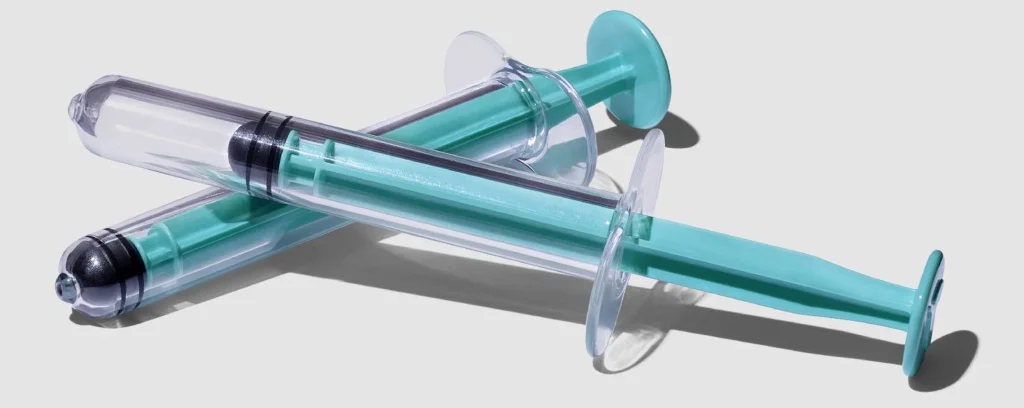
    Two transparent syringes with teal accents positioned diagonally on a light gray background.

    Managing Vaginal pH and Cervical Mucus During Perimenopause

    2. Stay Hydrated

    Staying hydrated is crucial for maintaining proper vaginal pH and cervical mucus production. When the body is dehydrated, vaginal secretions can become thicker and less abundant, making it harder for sperm to reach the egg. Aim to drink at least eight glasses of water a day to stay hydrated.

    3. Consider Probiotics

    Probiotics are live microorganisms that help to balance the good and bad bacteria in the body. Taking probiotic supplements or consuming probiotic-rich foods can help to maintain a healthy vaginal pH. Look for supplements specifically designed for women’s health, or incorporate foods like yogurt, kefir, and sauerkraut into your diet.

    4. Use Lubrication

    As estrogen levels decline during perimenopause, vaginal dryness may occur, leading to discomfort during sexual activity. Using a water-based lubricant can help to alleviate dryness and improve sexual satisfaction. Avoid using petroleum-based products, as these can cause irritation and disrupt vaginal pH.

    5. Consult with Your Doctor

    If you are experiencing recurrent vaginal infections or other discomfort during perimenopause, it is essential to consult with your doctor. They can perform tests to determine your vaginal pH and recommend appropriate treatment options, such as hormone therapy or vaginal estrogen creams.

    In summary, managing vaginal pH and cervical mucus is crucial during perimenopause to maintain vaginal health and fertility. Practicing good hygiene, staying hydrated, using probiotics, and consulting with your doctor are all essential steps for managing vaginal pH and cervical mucus during this phase of life. By following these tips, women can experience greater comfort and maintain optimal vaginal health during perimenopause.

  • The Surprising Ways Vaginal pH Can Affect Your Skin and Hair

    Blog Post: The Surprising Ways Vaginal pH Can Affect Your Skin and Hair

    Vaginal pH is an important factor that plays a crucial role in maintaining a healthy reproductive system. However, what many people don’t realize is that the pH level of the vagina can also have a significant impact on the overall health and appearance of our skin and hair.

    In this blog post, we will dive deep into the surprising ways vaginal pH can affect our skin and hair, and how we can maintain a healthy balance for optimal results.

    Understanding Vaginal pH
    First, let’s understand what vaginal pH is and why it’s important. The pH level of the vagina refers to the acidity or alkalinity of the vaginal environment. The average pH level of a healthy vagina is between 3.8 and 4.5, which is considered slightly acidic. This acidic environment is maintained by the presence of good bacteria, such as lactobacilli, which help keep harmful bacteria at bay and protect against infections.

    How Vaginal pH Affects Skin
    The skin is the largest organ in our body, and it is highly sensitive to changes in pH levels. When the vaginal pH is imbalanced, it can cause a domino effect on the skin. An increase in vaginal pH can lead to an overgrowth of harmful bacteria, which can then travel to the skin and cause acne breakouts, inflammation, and other skin issues.

    Moreover, some skin conditions, such as eczema and psoriasis, are also linked to an imbalance in vaginal pH. This is because the disruption of the natural pH balance can trigger an inflammatory response in the body, leading to flare-ups of these skin conditions.

    On the other hand, a decrease in vaginal pH can also have negative effects on the skin. Low pH levels can cause dryness and irritation, which can lead to skin sensitivity and discomfort.

    How Vaginal pH Affects Hair
    Similar to the skin, the hair is also affected by changes in vaginal pH. An imbalance in vaginal pH can disrupt the natural balance of the scalp’s microbiome, leading to issues like dandruff, hair loss, and scalp inflammation.

    at-home insemination kit by Mosie Baby, featuring syringes and containers for comfort and convenience.

    The Surprising Ways Vaginal pH Can Affect Your Skin and Hair

    Furthermore, an increase in vaginal pH can also impact the overall health of the hair. When the vagina is too alkaline, it can cause hair to become dry, brittle, and prone to breakage. This is because the alkaline environment can strip the hair of its natural oils and disrupt the hair’s moisture balance.

    Maintaining a Healthy Vaginal pH for Healthy Skin and Hair
    Now that we understand how vaginal pH can affect our skin and hair, it’s essential to know how to maintain a healthy balance. Here are some tips to help keep your vaginal pH in check for glowing skin and healthy hair:

    1. Use pH-Balanced Products: Using products specifically formulated for the vaginal area, such as pH-balanced cleansers and moisturizers, can help maintain a healthy pH level.

    2. Avoid Harsh Ingredients: Harsh chemicals and fragrances can disrupt the natural pH balance and irritate the delicate skin in the vaginal area. It’s best to opt for products with gentle, natural ingredients.

    3. Practice Good Hygiene: Maintaining good hygiene is crucial for a healthy vaginal pH. This includes washing the area with warm water and mild soap, changing out of sweaty clothes promptly, and avoiding douching, which can disrupt the pH balance.

    4. Eat a Balanced Diet: A healthy diet is vital for maintaining a healthy pH level in the body. Consuming foods that are rich in probiotics, such as yogurt and kimchi, can help promote the growth of good bacteria in the vagina.

    5. Stay Hydrated: Drinking enough water is essential for maintaining a balanced pH level. Water helps flush out toxins and maintain the body’s natural pH balance.

    In conclusion, the vaginal pH level is not only crucial for reproductive health but also has a significant impact on our skin and hair. By understanding how to maintain a healthy balance, we can promote glowing skin and healthy hair from the inside out.

    Summary:
    Vaginal pH is the measure of acidity or alkalinity in the vaginal environment and plays a crucial role in maintaining a healthy reproductive system. However, imbalances in vaginal pH can also affect the skin and hair. An increase in pH levels can cause acne, inflammation, and skin conditions like eczema. Conversely, a decrease in pH can lead to dryness and irritation. Similarly, changes in vaginal pH can also disrupt the hair’s microbiome, leading to issues like dandruff and hair loss. To maintain a healthy vaginal pH, it is essential to use pH-balanced products, avoid harsh ingredients, practice good hygiene, eat a balanced diet, and stay hydrated.