Tag: conception

  • From Conception to Cradle: The Role of an At-Home Conception Aid Kit

    From Conception to Cradle: The Role of an At-Home Conception Aid Kit

    For couples who are trying to conceive, the journey can often be filled with a mix of emotions – excitement, anticipation, and sometimes, frustration. While many factors can affect a couple’s ability to conceive, one thing that can help increase their chances is having access to the right tools and resources. This is where an at-home conception aid kit comes into play.

    An at-home conception aid kit is a collection of items designed to assist couples in their journey towards parenthood. These kits typically include ovulation predictor kits, pregnancy tests, fertility supplements, and other helpful tools. In this blog post, we will explore the role of an at-home conception aid kit in the journey from conception to cradle.

    Understanding Conception

    Before diving into the specifics of at-home conception aid kits, it is essential to understand the basics of conception. Conception occurs when a sperm fertilizes an egg, resulting in the formation of a zygote. This process typically takes place in the fallopian tubes, and the fertilized egg then travels to the uterus, where it implants and grows into a baby.

    Many factors can affect a couple’s ability to conceive, including age, health conditions, and lifestyle choices. However, one of the most significant factors is timing. A woman is most fertile during her ovulation period, which occurs once a month, usually around day 14 of her menstrual cycle. For couples trying to conceive, it is crucial to know when this window of fertility occurs to increase their chances of getting pregnant.

    The Role of an At-Home Conception Aid Kit

    An at-home conception aid kit can play a crucial role in helping couples conceive by providing them with the necessary tools and resources to track their ovulation and increase their chances of fertilization. Let’s take a closer look at some of the essential items typically included in these kits.

    Ovulation Predictor Kits (OPKs)

    OPKs are one of the most common tools found in at-home conception aid kits. These kits work by detecting the luteinizing hormone (LH) in a woman’s urine, which surges just before ovulation occurs. By tracking this hormone, women can pinpoint their ovulation window and time intercourse accordingly, increasing their chances of conception.

    Pregnancy Tests
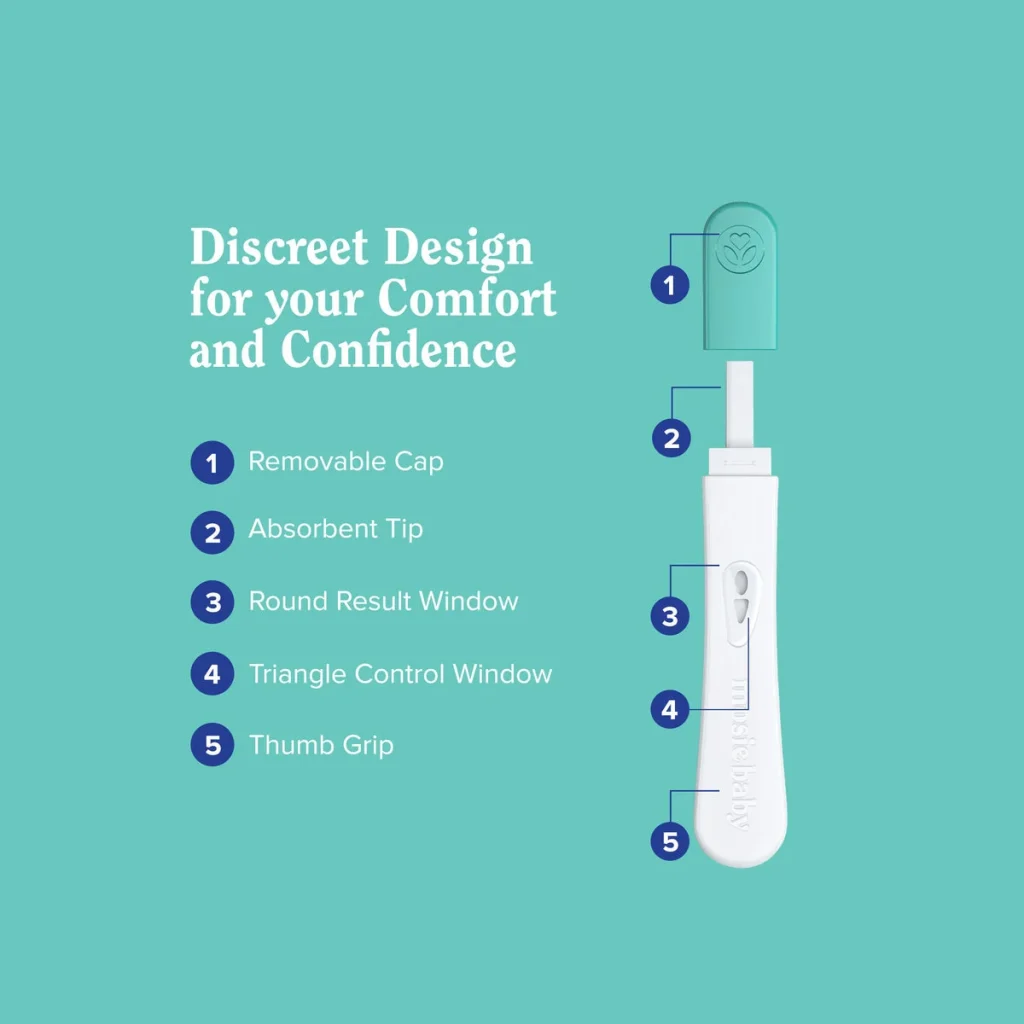
    pregnancy test kit features labeled for comfort and confidence on a teal background

    From Conception to Cradle: The Role of an At-Home Conception Aid Kit

    Another essential item found in an at-home conception aid kit is a pregnancy test. These tests work by detecting the presence of human chorionic gonadotropin (hCG) in a woman’s urine, which is produced during pregnancy. Having a pregnancy test readily available in the kit can help couples find out if their efforts have been successful without having to wait for a doctor’s appointment.

    Fertility Supplements

    Many at-home conception aid kits also include fertility supplements, such as vitamins and minerals, which can help regulate hormones and improve overall reproductive health. These supplements are designed to support both male and female fertility and can help increase the chances of successful conception.

    Other Helpful Tools

    In addition to the items mentioned above, some at-home conception aid kits may also include other helpful tools, such as basal body temperature (BBT) thermometers, fertility tracking apps, and fertility-friendly lubricants. All of these tools can assist couples in tracking their fertility and optimizing their chances of conception.

    Benefits of Using an At-Home Conception Aid Kit

    There are several benefits to using an at-home conception aid kit. Firstly, these kits provide couples with the convenience and privacy of being able to track their fertility and try to conceive in the comfort of their own home. This can be especially helpful for couples who may find discussing fertility and reproduction with a doctor uncomfortable.

    Secondly, using an at-home conception aid kit can help couples save time and money by avoiding unnecessary doctor appointments and testing. With the right tools and resources at their disposal, couples can track their fertility and try to conceive on their own terms.

    Lastly, an at-home conception aid kit can help couples feel more in control of their fertility journey. By having the necessary tools and resources at hand, they can actively participate in the process and take charge of their reproductive health.

    In conclusion, an at-home conception aid kit can play a crucial role in the journey from conception to cradle. With its various tools and resources, couples can track their fertility, optimize their chances of conception, and feel more in control of their journey towards parenthood. While these kits may not guarantee success, they can undoubtedly provide couples with the support and assistance they need during this exciting and sometimes challenging time.

    Summary:

    An at-home conception aid kit is a collection of items designed to assist couples in their journey towards parenthood. These kits typically include ovulation predictor kits, pregnancy tests, fertility supplements, and other helpful tools. The kit’s main purpose is to help couples track their fertility, optimize their chances of conception, and feel more in control of their reproductive journey. By having these tools and resources readily available, couples can save time and money and have the convenience and privacy of trying to conceive in the comfort of their own home.


  • Conceive with Confidence: The Top At-Home Conception Aid Kit on the Market

    Blog Post Title: Conceive with Confidence: The Top At-Home Conception Aid Kit on the Market

    Summary:

    Conceiving a child can be a challenging and emotional journey for many couples. From tracking ovulation to trying different fertility treatments, the process can be overwhelming and expensive. Fortunately, there is a new and innovative solution on the market – the At-Home Conception Aid Kit. This kit is designed to help couples conceive with confidence in the comfort of their own home. In this blog post, we will discuss the benefits of using this kit, how it works, and why it is the top choice for couples trying to conceive.

    The At-Home Conception Aid Kit is a comprehensive fertility kit that includes everything couples need to optimize their chances of conceiving. It includes ovulation tests, pregnancy tests, vitamins and supplements, and a fertility-friendly lubricant. This kit is not only convenient and easy to use, but it also provides couples with the tools and resources they need to successfully conceive.

    One of the main advantages of using this kit is its accuracy in predicting ovulation. Ovulation tests are an essential component of the kit and are used to determine the most fertile days in a woman’s cycle. These tests are more accurate than traditional methods such as tracking basal body temperature or cervical mucus. By identifying the most fertile days, couples can time intercourse more effectively, increasing their chances of conception.

    illustration comparing standard and Mosie syringe openings with text highlighting design benefits for home insemination

    Conceive with Confidence: The Top At-Home Conception Aid Kit on the Market

    The At-Home Conception Aid Kit also includes pregnancy tests, allowing couples to track their progress and confirm pregnancy at-home. These tests are highly sensitive and can detect pregnancy hormones in the urine just a few days after conception. This eliminates the need to constantly buy expensive pregnancy tests and allows couples to stay informed throughout their conception journey.

    Another key feature of this kit is the inclusion of vitamins and supplements. These supplements are specifically designed to support fertility and increase the chances of conception. They contain essential nutrients such as folic acid, zinc, and Vitamin D – all of which are crucial for a healthy pregnancy. By taking these supplements, couples can ensure they are giving their bodies the best chance at conceiving and maintaining a healthy pregnancy.

    The At-Home Conception Aid Kit also includes a fertility-friendly lubricant. Many couples do not realize that regular lubricants can actually hinder sperm movement and decrease the chances of conceiving. This kit provides a specially formulated lubricant that mimics the natural fluids of the female body, making it easier for sperm to travel to the egg. This small but significant detail can make all the difference in a couple’s journey to conceive.

    Furthermore, the At-Home Conception Aid Kit comes with a detailed instruction booklet and a fertility tracker. The booklet provides couples with information on how to use the kit effectively, as well as tips and advice on how to optimize their chances of conceiving. The fertility tracker is a helpful tool to keep track of ovulation, intercourse, and any symptoms or changes in the body that may affect fertility. These resources make the kit user-friendly and informative, making the journey to conception less stressful and more manageable.

    In addition to its effectiveness, the At-Home Conception Aid Kit is also affordable and discreet. Many fertility treatments and tests can be expensive and require multiple visits to a doctor’s office. With this kit, couples can save time and money by conducting all the necessary tests and treatments at home. Moreover, the discreet packaging allows couples to maintain their privacy and avoid any potential embarrassment or discomfort.

    In conclusion, the At-Home Conception Aid Kit is the top choice for couples trying to conceive. It offers convenience, accuracy, affordability, and effectiveness – all the essential components for a successful conception journey. With this kit, couples can feel confident and empowered in their quest to start a family. So, if you are trying to conceive and want to do so with confidence, the At-Home Conception Aid Kit is the perfect solution for you.

  • The Science of Baby Making: How an At-Home Conception Aid Kit Can Help

    Summary:

    Conceiving a baby is a complex process that involves many factors, including timing, fertility, and overall health. For couples struggling to get pregnant, the idea of using an at-home conception aid kit may seem too good to be true. However, there is science behind how these kits work and they can actually be an effective tool in increasing the chances of successful conception.

    In this blog post, we will explore the science behind baby making and how an at-home conception aid kit can help. We will discuss the different types of kits available, how they work, and the potential benefits of using them. We will also address any concerns or myths surrounding these kits and provide tips for maximizing their effectiveness.

    Understanding the Science of Baby Making:

    Before diving into the specifics of at-home conception aid kits, it is important to understand the science behind how babies are made. In order for conception to occur, a few key elements must align – a viable egg, healthy sperm, and the right timing.

    In a typical menstrual cycle, a woman releases one egg per month during ovulation. This egg then travels through the fallopian tubes, where it may be fertilized by sperm. If fertilization occurs, the resulting embryo will implant in the lining of the uterus and pregnancy begins.

    The key to successful conception is timing. Sperm can survive in the female reproductive tract for up to 5 days, so having intercourse in the days leading up to ovulation can increase the chances of fertilization. However, accurately predicting ovulation can be challenging for some women, especially those with irregular cycles.

    This is where at-home conception aid kits come into play. These kits are designed to help couples better understand their fertility and increase their chances of successful conception.

    Types of At-Home Conception Aid Kits:

    There are several types of at-home conception aid kits available on the market, each with its own unique features and benefits. Some of the most popular ones include ovulation predictor kits, fertility tracking apps, and fertility supplements.

    Ovulation predictor kits (OPKs) work by detecting the surge of luteinizing hormone (LH) in the body, which occurs about 24-48 hours before ovulation. These kits typically come with urine test strips that can be used daily around the predicted time of ovulation. If the LH surge is detected, it indicates that ovulation is likely to occur within the next day or so, giving couples a better idea of when to have intercourse.

    comparison of Mosie syringe opening versus standard syringe opening with text highlighting benefits

    The Science of Baby Making: How an At-Home Conception Aid Kit Can Help

    Fertility tracking apps use technology to track a woman’s menstrual cycle and predict ovulation. These apps may use various methods such as tracking basal body temperature, cervical mucus changes, and other symptoms to determine the most fertile days. Some apps also allow women to input additional data such as lifestyle factors and health information to provide a more personalized prediction of ovulation.

    Fertility supplements are another popular type of at-home conception aid kit. These supplements typically contain a blend of vitamins, minerals, and herbs that are believed to support reproductive health and increase fertility. These supplements may also contain ingredients that can help regulate hormones and improve overall reproductive function.

    Benefits of Using At-Home Conception Aid Kits:

    There are several potential benefits of using at-home conception aid kits. The most obvious one is the increased chances of successful conception. By accurately predicting ovulation and providing guidance on the best time to have intercourse, these kits can improve the timing of conception and increase the chances of fertilization.

    Additionally, using an at-home conception aid kit can help reduce the stress and anxiety that often comes with trying to conceive. Many couples struggle with the pressure and disappointment of not getting pregnant month after month. By having a better understanding of their fertility and using a tool to improve their chances, couples may feel more in control and less stressed about the process.

    Addressing Concerns and Myths:

    Despite the potential benefits, there are some concerns and myths surrounding at-home conception aid kits. One common concern is that these kits may give false hope or lead to unnecessary interventions. However, it is important to note that these kits are not meant to replace medical advice or fertility treatments. They are simply a tool to help couples better understand their fertility and improve their chances of conception.

    Another myth is that these kits are only useful for women with regular cycles. While it may be easier to use these kits for women with more predictable cycles, they can still be effective for those with irregular cycles. It may just require some additional tracking and monitoring to accurately predict ovulation.

    Tips for Maximizing Effectiveness:

    To get the most out of an at-home conception aid kit, it is important to use it correctly and consistently. This may involve tracking your menstrual cycle for a few months to establish a pattern, using the kit according to the instructions, and being patient. It may also be helpful to combine the use of a kit with other methods such as tracking basal body temperature or monitoring cervical mucus changes.

    In conclusion, while there is no guarantee that an at-home conception aid kit will result in a pregnancy, there is scientific evidence to support their effectiveness in increasing the chances of successful conception. By understanding the science behind baby making and using these kits correctly, couples can take control of their fertility journey and increase their chances of starting a family.

  • Ways to Boost Your Fertility with an At-Home Conception Aid Kit

    Blog Post Title: Boosting Your Fertility: How an At-Home Conception Aid Kit Can Help

    Summary:

    Starting a family is an exciting journey, but for many couples, it can also be a challenging one. Infertility affects approximately 10-15% of couples worldwide, and the causes can vary from hormonal imbalances to underlying health issues. While there are various medical interventions available to boost fertility, many couples also turn to natural methods to increase their chances of conceiving. One popular option is using an at-home conception aid kit, which can provide a convenient, affordable, and effective way to improve fertility. In this blog post, we will discuss the ways in which an at-home conception aid kit can boost your fertility and help you achieve your dream of parenthood.

    1. Tracking Ovulation

    The first step in increasing your chances of conception is to track your ovulation. Ovulation is the process where a mature egg is released from the ovary, and it is the most fertile time of the menstrual cycle. An at-home conception aid kit often includes ovulation predictor kits, which use urine tests to detect the surge in luteinizing hormone (LH) that occurs 24-36 hours before ovulation. By tracking your ovulation, you can identify your most fertile days and plan intercourse accordingly, increasing your chances of conceiving.

    2. Improving Sperm Quality

    For conception to occur, healthy sperm must be present to fertilize the egg. However, many factors such as lifestyle, diet, and age can affect sperm quality. An at-home conception aid kit can include supplements designed to improve sperm quality and increase sperm count. These supplements often contain essential vitamins and minerals such as zinc, vitamin C, and folic acid, which have been shown to boost sperm health and motility.

    3. Balancing Hormones

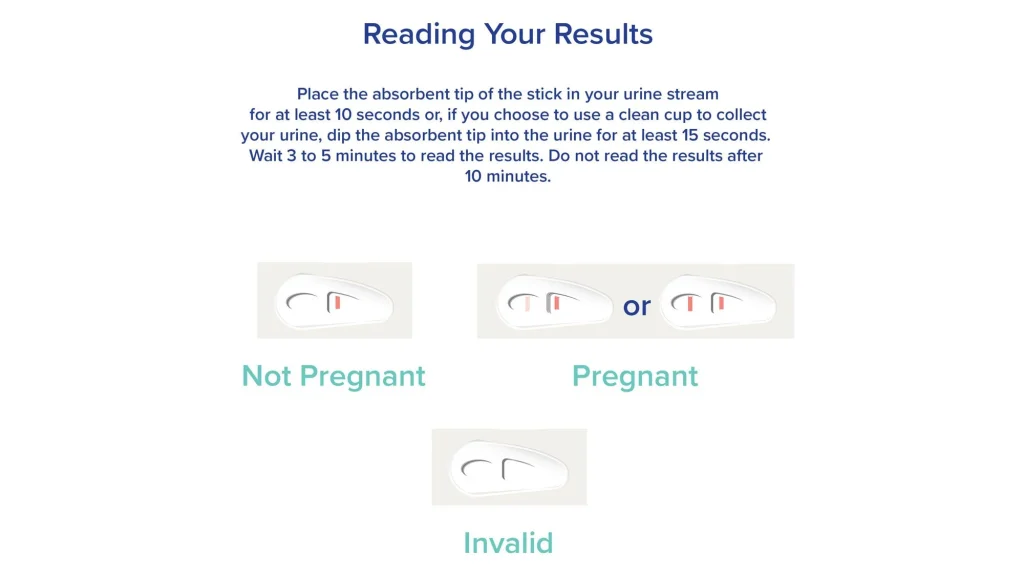
    Instructions for reading pregnancy test results with visual indicators for "Not Pregnant," "Pregnant," and "Invalid.

    Ways to Boost Your Fertility with an At-Home Conception Aid Kit

    Hormonal imbalances can significantly impact fertility in both men and women. An at-home conception aid kit can include supplements that help balance hormones and regulate menstrual cycles. For example, supplements containing chasteberry (vitex) have been shown to increase progesterone levels and regulate ovulation in women with irregular cycles. In men, supplements with maca root have been found to improve sperm count, motility, and hormone levels.

    4. Reducing Stress

    Stress can negatively affect fertility by disrupting the hormonal balance and causing irregular ovulation or sperm production. An at-home conception aid kit can include relaxation tools such as meditation CDs, essential oils, or teas, which can help reduce stress and promote relaxation. By incorporating these tools into your daily routine, you can create a more peaceful and conducive environment for conception to occur.

    5. Promoting a Healthy Diet and Lifestyle

    A healthy diet and lifestyle play a crucial role in fertility. An at-home conception aid kit can include a fertility-friendly diet plan and exercise recommendations to help optimize your chances of conceiving. The kit may also include supplements such as CoQ10, which has been shown to improve egg and sperm quality. Additionally, the kit can include tips on avoiding harmful substances like alcohol, tobacco, and excessive caffeine, which can negatively impact fertility.

    6. Providing Emotional Support

    Struggling with infertility can take a toll on one’s emotional well-being. An at-home conception aid kit can include resources such as books, workbooks, and online support groups to provide emotional support and guidance throughout the journey. These resources can help you cope with the emotional rollercoaster of trying to conceive and provide a sense of community with others who understand what you are going through.

    In conclusion, an at-home conception aid kit can be an effective tool in boosting fertility and increasing your chances of getting pregnant. By tracking ovulation, improving sperm quality, balancing hormones, reducing stress, promoting a healthy diet and lifestyle, and providing emotional support, these kits can help you on your journey to parenthood. However, it is essential to remember that every individual’s fertility journey is unique, and it is essential to consult with a healthcare professional for personalized advice and guidance.

  • Making Babies at Home: The Ultimate Conception Aid Kit

    Blog Post Title: Making Babies at Home: The Ultimate Conception Aid Kit

    Summary:

    The journey towards starting a family can be a challenging and emotional one for many couples. With the rise of fertility issues and the high costs of assisted reproductive technologies, more and more couples are looking for natural and affordable ways to conceive. One option that is gaining popularity is using a conception aid kit at home. In this blog post, we will explore what a conception aid kit is, how it works, and the benefits of using one to enhance your chances of getting pregnant.

    What is a Conception Aid Kit?

    A conception aid kit is a collection of tools, supplements, and resources designed to optimize fertility and increase the chances of conception. These kits often include items such as ovulation prediction kits, prenatal vitamins, fertility-friendly lubricants, and educational materials. Some kits also offer a personalized plan based on the users’ specific needs and fertility goals.

    How Does it Work?

    A conception aid kit works by providing couples with the necessary tools and resources to track and maximize ovulation, improve sperm quality, and create a healthy environment for implantation. Ovulation prediction kits, for example, help determine the most fertile days in a woman’s cycle, while fertility-friendly lubricants mimic the body’s natural cervical mucus to assist sperm in reaching the egg. Prenatal vitamins and supplements are also included to ensure both partners have the right nutrients for a successful pregnancy.

    mosie baby logo featuring a heart and leaves in blue, pink, and green colors.

    Making Babies at Home: The Ultimate Conception Aid Kit

    Benefits of Using a Conception Aid Kit

    1. Increased Chances of Conception: By using a conception aid kit, couples can track ovulation accurately and time intercourse accordingly, increasing the chances of successful conception.

    2. Natural and Safe: Unlike assisted reproductive technologies, which can be invasive and expensive, conception aid kits use natural and safe methods to optimize fertility.

    3. Personalized Plan: Many kits offer a personalized plan based on the couple’s specific needs and fertility goals, making it a tailored approach to conceiving.

    4. Cost-Effective: Conception aid kits are a more affordable option compared to other fertility treatments, making it accessible to more couples.

    5. Educational Resources: These kits also come with educational materials, including tips for a healthy lifestyle, which can further improve fertility and overall health.

    In conclusion, using a conception aid kit can be a beneficial and cost-effective option for couples trying to conceive. It provides a natural and personalized approach to optimizing fertility, increasing the chances of successful conception, and starting a family.

    SEO Metadata:

  • and Fertile: Exploring Insemination on Your Own Terms for Older Women

    Blog Post:

    As women age, their fertility naturally decreases. This can make it challenging for older women who are trying to conceive, whether they are in a committed relationship or single and looking to start a family on their own. Fortunately, with advancements in technology and medicine, there are now more options available for older women who want to explore insemination and start a family on their own terms. In this blog post, we will explore the process of self-insemination for older women, the challenges they may face, and the resources available to support them on their journey.

    What is Self-Insemination?

    Self-insemination, also known as self-administered artificial insemination, is the process of inserting sperm into the vagina or cervix without the assistance of a medical professional. This method is commonly used by women who are trying to conceive without a male partner, or by couples who are unable to conceive through traditional methods. It is a simple and cost-effective option for women who want to take control of their fertility and start a family on their own.

    Exploring Insemination on Your Own Terms

    For older women, self-insemination can be a powerful tool to explore their fertility and start a family on their own terms. It allows them to bypass the traditional route of finding a suitable partner and instead focus on their own desires and needs. This can be especially empowering for women who have faced societal pressure to start a family at a younger age or who have struggled with fertility issues in the past.

    Challenges for Older Women

    While self-insemination may seem like a straightforward process, there are some challenges that older women may face. As women age, their bodies go through hormonal changes that can affect their fertility. This can make it more difficult for them to conceive, even with the help of self-insemination. Additionally, older women may have a higher risk of pregnancy complications, such as high blood pressure and gestational diabetes. It is important for women to consult with a healthcare professional before embarking on the self-insemination process to ensure that they are physically and emotionally ready for pregnancy.

    Resources for Older Women

    comparison of Mosie syringe opening versus standard syringe opening with text highlighting benefits

    and Fertile: Exploring Insemination on Your Own Terms for Older Women

    Fortunately, there are many resources available to support older women who are exploring self-insemination. Online communities, such as forums and support groups, can provide a safe space for women to connect with others who are going through a similar journey. These communities can offer advice, support, and encouragement, which can be incredibly helpful for women who may feel isolated or overwhelmed. Additionally, there are many resources available for women to learn about the self-insemination process, including books, blogs, and online courses.

    Tips for Successful Self-Insemination

    If you are an older woman considering self-insemination, here are some tips to help you on your journey:

    1. Consult with a healthcare professional: Before starting the self-insemination process, it is important to consult with a healthcare professional to ensure that you are physically and emotionally ready for pregnancy. They can also provide guidance on the best techniques and timing for self-insemination.

    2. Use high-quality sperm: The quality of the sperm used for self-insemination can significantly impact your chances of conception. It is important to use high-quality sperm from a reputable sperm bank or donor.

    3. Understand your menstrual cycle: It is important to understand your menstrual cycle and track your ovulation to increase your chances of conception. There are many apps and tools available to help you track your cycle and identify your most fertile days.

    4. Be patient: The self-insemination process may take time, and it is important to be patient and not get discouraged. It may take several attempts before successfully conceiving, and it is important to stay positive and persistent.

    In conclusion, self-insemination can be a powerful tool for older women who want to explore their fertility and start a family on their own terms. While there may be challenges and risks, with the right resources and support, older women can successfully conceive and have a fulfilling experience as a mother. By taking control of their fertility and embracing their journey, older women can break societal norms and redefine what it means to be a mother.

    Summary:

    As women age, their fertility naturally decreases, making it challenging for older women who want to conceive. However, with advancements in technology and medicine, self-insemination has become a viable option for older women to explore their fertility and start a family on their own terms. This blog post explores the process of self-insemination for older women, the challenges they may face, and the resources available to support them on their journey. It also provides tips for successful self-insemination, such as consulting with a healthcare professional and understanding your menstrual cycle. By embracing self-insemination, older women can break societal norms and redefine what it means to be a mother.

  • Taking Control: The Benefits of Insemination on Your Own Terms

    Taking Control: The Benefits of Insemination on Your Own Terms

    Insemination, also known as artificial insemination, is a process used to help individuals or couples conceive a child. While traditionally done in a clinical setting, more and more people are now choosing to take control of their reproductive journey by opting for self-insemination. This involves using at-home insemination kits and techniques to conceive without the involvement of a medical professional. In this blog post, we will explore the benefits of taking control of your insemination journey and why it may be a viable option for those looking to start a family.

    1. Privacy and Comfort

    One of the main reasons people choose self-insemination is for the privacy and comfort it provides. In a clinical setting, the process can feel invasive and impersonal, which can be uncomfortable for many individuals. By inseminating at home, you have the ability to create a comfortable and intimate environment that is conducive to conception. This can help reduce stress and increase the chances of success.

    2. Cost-Effective

    Insemination can be an expensive process, especially when done in a clinical setting. By opting for self-insemination, you can save a significant amount of money on medical fees and procedures. At-home insemination kits are relatively affordable and can be purchased online or at a local pharmacy. Additionally, you have the option to use fresh or frozen donor sperm, which can also help lower the overall cost.

    hand holding a syringe with a blue plunger against a solid blue background

    Taking Control: The Benefits of Insemination on Your Own Terms

    3. Greater Control over Timing

    In a clinical setting, the timing of insemination may be dictated by the medical professional’s schedule. This can be frustrating for those who are trying to conceive as timing is crucial for success. With self-insemination, you have complete control over the timing of the process. You can track your ovulation cycle and inseminate at the most optimal time for conception.

    4. Flexibility in Choosing a Donor

    When undergoing insemination at a clinic, you may have limited options when it comes to selecting a donor. However, with self-insemination, you have the freedom to choose a donor that aligns with your personal preferences and values. This can include physical characteristics, medical history, and other factors that are important to you. You also have the option to use a known donor, such as a friend or family member, which can add a personal touch to the process.

    5. Empowerment and Inclusivity

    Self-insemination allows individuals and couples to take control of their reproductive journey and feel empowered in the process. It also provides inclusivity for those who may not have access to traditional medical insemination, such as same-sex couples or single individuals. By using at-home insemination kits, people of all backgrounds and orientations can have the opportunity to start a family on their own terms.

    In conclusion, self-insemination offers a range of benefits for those looking to conceive. It provides privacy, cost-effectiveness, timing control, flexibility in choosing a donor, and empowerment for individuals and couples. While it may not be the right option for everyone, it offers an alternative to traditional clinical insemination that can be a viable choice for many. If you are considering self-insemination, it is essential to research and consult with a medical professional for guidance and support.

  • Fertility Hacks: DIY Tools for Boosting Your Chances of Conception

    Blog Post: Fertility Hacks: DIY Tools for Boosting Your Chances of Conception

    Infertility affects millions of couples around the world, and it can be a heartbreaking and frustrating journey. While medical interventions and fertility treatments are available, they can be expensive and may not always guarantee success. But did you know that there are DIY tools and lifestyle changes you can make to boost your chances of conception? In this blog post, we will explore some fertility hacks that you can incorporate into your daily routine to improve your fertility and increase your chances of conceiving.

    1. Keep Track of Your Menstrual Cycle

    The first step in boosting your fertility is knowing your menstrual cycle. This means understanding when you ovulate, as this is the most fertile time in your cycle. Ovulation typically occurs around day 14 of a 28-day cycle, but it can vary from woman to woman. To make sure you are accurately tracking your ovulation, you can use an ovulation predictor kit or a basal body temperature thermometer. These DIY tools can help you determine the best time to try for a baby.

    2. Improve Your Diet

    What you eat can have a significant impact on your fertility. A healthy and balanced diet is essential for both men and women who are trying to conceive. Women should focus on consuming foods that are rich in antioxidants, such as fruits, vegetables, and whole grains. These help to protect the eggs from damage and improve overall reproductive health. Men, on the other hand, should incorporate foods that are rich in zinc, such as oysters, pumpkin seeds, and lean meats, as zinc is vital for sperm production.

    3. Exercise Regularly

    Aside from promoting overall health and well-being, regular exercise can also boost fertility. Studies have shown that women who engage in moderate exercise have a higher chance of conceiving compared to those who are sedentary. Exercise helps to regulate hormones, promote blood flow to the reproductive organs, and reduce stress levels – all of which can improve fertility. However, it is essential to note that excessive exercise can have the opposite effect and may even lead to irregular periods and ovulation.

    4. Reduce Stress

    Stress is a common factor in infertility, as it can disrupt hormonal balance and interfere with ovulation. Therefore, it is crucial to find ways to manage stress and relax. Some effective stress-reducing activities include yoga, meditation, deep breathing exercises, and regular massages. You can also try acupuncture, which has been shown to improve fertility by reducing stress and promoting blood flow to the reproductive organs.

    5. Use Essential Oils

    Essential oils are natural remedies that can help boost fertility. Clary sage, for example, is known to regulate hormones and promote ovulation. Geranium oil can also help balance hormones and reduce stress, while rose oil can improve libido and enhance the mood. However, it is essential to dilute essential oils properly and use them with caution, as some may not be safe for use during pregnancy.

    hand holding a syringe with a blue plunger against a solid blue background

    Fertility Hacks: DIY Tools for Boosting Your Chances of Conception

    6. Try Acupressure

    Similar to acupuncture, acupressure can also help improve your chances of conceiving. This traditional Chinese medicine technique involves applying pressure to specific points on the body to stimulate energy flow and promote healing. Studies have shown that acupressure can help regulate menstrual cycles, improve ovulation, and increase blood flow to the reproductive organs. You can either learn how to perform acupressure on yourself or seek the help of a trained acupressure therapist.

    7. Consider Herbal Remedies

    Herbal remedies have been used for centuries to address various health issues, including infertility. Some commonly used herbs for boosting fertility include red raspberry leaf, nettle leaf, and red clover. These herbs are believed to improve overall reproductive health and regulate menstrual cycles. However, it is crucial to consult a healthcare professional before incorporating any herbal remedies into your fertility regimen.

    8. Use Fertility Apps

    In this digital age, there are numerous fertility apps available that can help you track your menstrual cycle, monitor ovulation, and even predict your most fertile days. These apps use algorithms and data input by the user to provide personalized insights and recommendations. They can also help you keep track of your fertility journey, including any changes in your cycle or symptoms.

    9. Practice Good Sleep Habits

    Getting enough quality sleep is crucial for fertility. Studies have shown that women who have irregular sleep patterns or get less than seven hours of sleep per night have a higher risk of infertility. Poor sleep can disrupt hormone production and affect ovulation, so it is essential to prioritize good sleep hygiene. This includes setting a regular bedtime, avoiding screens before bed, and creating a comfortable sleep environment.

    10. Consult a Fertility Specialist

    If you have been trying to conceive for more than a year without success, it may be time to consult a fertility specialist. They can run tests to identify any underlying issues and provide personalized recommendations for improving your chances of conception. They may also suggest medical interventions such as fertility treatments or assisted reproductive technology if necessary.

    In conclusion, while there is no guarantee when it comes to fertility, incorporating these DIY tools and lifestyle changes into your routine can help boost your chances of conception. Remember to be patient and kind to yourself, and always consult a healthcare professional before making any significant changes to your fertility regimen.

    Summary:

    Infertility can be a difficult journey for couples, and while medical interventions are available, they may not always guarantee success. However, there are DIY tools and lifestyle changes that you can incorporate into your routine to improve your fertility and increase your chances of conceiving. These include keeping track of your menstrual cycle, improving your diet, exercising regularly, reducing stress, using essential oils and acupressure, considering herbal remedies, using fertility apps, practicing good sleep habits, and consulting a fertility specialist if necessary.

  • DIY Fertility: Tools for Tracking Your Cycle and Ovulation

    Blog Post: DIY Fertility: Tools for Tracking Your Cycle and Ovulation

    Are you and your partner trying to start a family but struggling to conceive? Or perhaps you’re planning for the future and want to understand your fertility better. Tracking your menstrual cycle and ovulation is an essential step in understanding your body and maximizing your chances of conception. In this blog post, we will discuss the importance of tracking your cycle and ovulation, and provide you with some DIY tools to make the process easier.

    Why Track Your Cycle and Ovulation?

    Your menstrual cycle is a crucial aspect of your reproductive health. It is the monthly process of your body preparing for a potential pregnancy, and it is controlled by hormones. Understanding your cycle and being able to predict when you will ovulate can significantly increase your chances of conceiving. Ovulation is when the ovaries release an egg, and it is the most fertile time of your cycle. If you are trying to get pregnant, having sex during this time maximizes your chances of conceiving.

    Tracking your cycle and ovulation can also help you identify any irregularities in your cycle, which could be a sign of an underlying health issue. It can also help you determine the best time to try for a baby. For example, if you have a regular 28-day cycle, you will likely ovulate around day 14. But if you have a longer cycle, you may ovulate later, and tracking can help you pinpoint the exact time.

    Now that we understand the importance of tracking our cycle and ovulation let’s look at some DIY tools that can help us do so effectively.

    Basal Body Temperature (BBT) Charting

    Basal Body Temperature (BBT) charting involves taking your temperature first thing in the morning before getting out of bed. Your BBT is your body’s temperature at rest, and it can help you identify when you have ovulated. Before ovulation, your BBT is lower, and it increases after ovulation due to the release of the hormone progesterone. By tracking your BBT every day, you can identify when your temperature rises, indicating that you have ovulated.

    To track your BBT, you will need a basal thermometer, which is more sensitive and accurate than a regular thermometer. You can also use a BBT chart or an app to record your daily temperature and track your cycle. It’s essential to note that BBT charting requires consistency and should be done every day at the same time to get accurate results.

    Cervical Mucus Monitoring

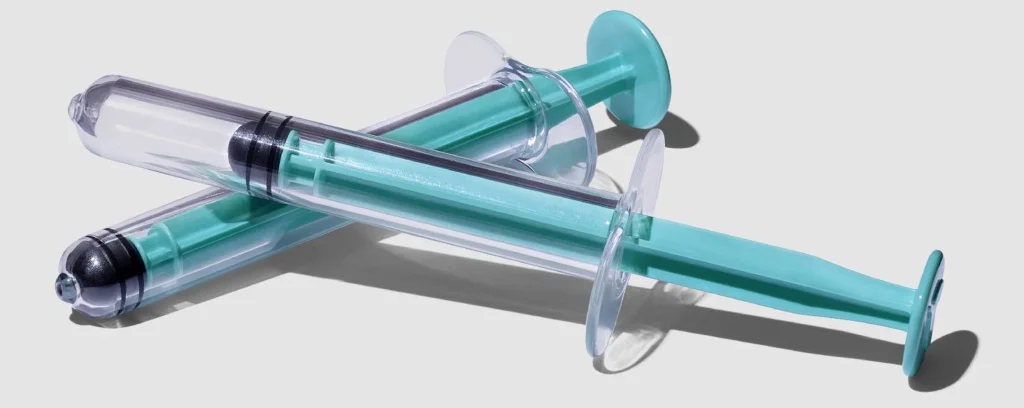
    Two transparent syringes with teal accents positioned diagonally on a light gray background.

    DIY Fertility: Tools for Tracking Your Cycle and Ovulation

    Monitoring your cervical mucus is another DIY tool for tracking your ovulation. The cervix produces mucus throughout your menstrual cycle, and the texture and consistency of the mucus change depending on where you are in your cycle. During your fertile window, the mucus becomes thin, slippery, and clear, similar to the consistency of egg whites. This type of mucus helps sperm swim through the cervix and survive longer in the reproductive tract, increasing your chances of conceiving.

    To track your cervical mucus, you can use a clean finger to collect a sample of mucus from your vaginal opening and observe its texture and consistency. You can also use a chart or an app to record your observations and determine your fertile days.

    Ovulation Predictor Kits (OPKs)

    Ovulation Predictor Kits (OPKs) are another useful tool for tracking your ovulation. They work by detecting the surge of luteinizing hormone (LH) in your urine, which happens a day or two before ovulation. The LH surge triggers the release of the egg from the ovary, and OPKs can help you determine your most fertile days.

    OPKs are easy to use and are available over-the-counter at most drugstores. They come with test strips that you dip in your urine, and the results are usually ready within a few minutes. It’s essential to follow the instructions carefully and test at the same time each day to get accurate results.

    Menstrual Cycle Tracking Apps

    In this digital age, there are many apps available that can help you track your menstrual cycle and ovulation. These apps allow you to record your period start and end dates, BBT, cervical mucus observations, and other relevant information. They also use algorithms to predict your fertile days and notify you when you are most likely to ovulate. Some apps also allow you to track other factors such as intercourse, ovulation symptoms, and even your mood.

    While these apps are convenient, it’s essential to choose a reliable and accurate one. Look for apps with good reviews and ratings, and make sure they are backed by medical professionals. It’s also crucial to remember that these apps are not a substitute for professional medical advice and should be used as a supplement to other tracking methods.

    In conclusion, tracking your menstrual cycle and ovulation is crucial for understanding your fertility and increasing your chances of conception. Whether you choose to use BBT charting, cervical mucus monitoring, OPKs, or a combination of these methods, consistency is key. By tracking your cycle and ovulation, you can take control of your reproductive health and make informed decisions about your fertility journey.

    Summary:

    Tracking your menstrual cycle and ovulation is crucial for understanding your fertility and increasing your chances of conception. By tracking your BBT, cervical mucus, using OPKs, or a menstrual cycle tracking app, you can determine your fertile days and take control of your reproductive health. These DIY tools require consistency and are not a substitute for professional medical advice.

  • The Art of Fertility: DIY Support Tools for Conception

    The Art of Fertility: DIY Support Tools for Conception

    The journey to conception can be a challenging and emotional one for many couples. While there are medical treatments available, there is also a growing interest in natural methods and DIY support tools for fertility. From herbal remedies to stress-relieving techniques, there are various ways to support your body and increase your chances of conceiving. In this blog post, we will explore the art of fertility and share some DIY support tools that can aid in conception.

    Understanding Fertility

    The first step in the art of fertility is to understand how it works. Fertility is the ability to conceive and carry a child to full-term pregnancy. For women, fertility is determined by the ovaries releasing an egg and the uterus being able to support a growing embryo. For men, fertility is determined by the quality and quantity of sperm. Age, lifestyle factors, and medical conditions can all affect fertility and make it harder to conceive.

    DIY Support Tools for Conception

    1. Diet and Nutrition

    One of the most important DIY support tools for fertility is a healthy diet and proper nutrition. Eating a well-balanced diet that is rich in vitamins, minerals, and antioxidants can help improve overall health and boost fertility. Foods that are particularly beneficial for fertility include leafy greens, whole grains, healthy fats, and lean proteins. It is also important to stay hydrated and limit your intake of processed foods, caffeine, and alcohol.

    2. Exercise

    Regular physical activity is not only essential for maintaining a healthy weight but can also improve fertility. Exercise can help regulate hormones, reduce stress, and increase blood flow to the reproductive organs. However, it is important to find a balance as excessive exercise can have a negative impact on fertility. Low-impact exercises like yoga, walking, and swimming are great options for fertility-friendly workouts.

    3. Herbal Remedies

    blue box with "mosie" logo, syringes, and informational pamphlet on a pink background

    The Art of Fertility: DIY Support Tools for Conception

    Herbal remedies have been used for centuries to support fertility. Some herbs that are believed to aid in conception include red raspberry leaf, nettle leaf, maca root, and chasteberry. However, it is important to consult with a healthcare professional before incorporating any herbal remedies into your routine, as they can interact with medications or have side effects.

    4. Stress Management

    Stress can have a significant impact on fertility, as it can disrupt hormonal balance and interfere with ovulation. Finding ways to manage stress is crucial for those trying to conceive. Some effective stress-relieving techniques include meditation, deep breathing, and yoga. Additionally, acupuncture and massage therapy can also help reduce stress and promote relaxation.

    5. Tracking Ovulation

    Understanding your menstrual cycle and tracking ovulation is essential for increasing your chances of conceiving. There are various methods for tracking ovulation, such as using ovulation predictor kits, tracking basal body temperature, and monitoring changes in cervical mucus. Knowing your most fertile days can help you time intercourse for the best chance of conception.

    6. Fertility Supplements

    In addition to a healthy diet, certain supplements may also help boost fertility. Some supplements that are commonly recommended for fertility include folic acid, iron, vitamin D, and CoQ10. However, it is important to consult with a healthcare professional before adding any supplements to your routine, as they can interact with medications or have side effects.

    7. Mind-Body Practices

    The mind and body are closely connected, and incorporating mind-body practices into your routine can help support fertility. These practices include techniques such as visualization, positive affirmations, and journaling. They can help reduce stress, improve mood, and promote a positive mindset for conception.

    The Art of Fertility is a journey that requires patience, perseverance, and self-care. By incorporating these DIY support tools into your routine, you can not only increase your chances of conceiving but also improve your overall health and well-being. Remember to consult with a healthcare professional before making any significant changes to your diet or lifestyle, and stay positive and hopeful throughout your fertility journey.

    In summary, the art of fertility involves understanding how fertility works and implementing DIY support tools to increase the chances of conception. These support tools include a healthy diet and exercise, herbal remedies, stress management techniques, ovulation tracking, fertility supplements, and mind-body practices. By incorporating these tools into your routine, you can support your body and increase your chances of conceiving.