Tag: stress management

  • Stress and Cervical Mucus: The Role of Nutrition and Supplements

    Stress and Cervical Mucus: The Role of Nutrition and Supplements

    Stress is a common and unavoidable part of modern life that can have a significant impact on our physical and mental well-being. One area of our health that is greatly affected by stress is our reproductive health, specifically the quality and quantity of cervical mucus. Cervical mucus plays a crucial role in fertility and can be a major factor in trying to conceive. In this blog post, we will explore the relationship between stress and cervical mucus, and how nutrition and supplements can play a vital role in maintaining healthy levels of cervical mucus.

    Understanding Stress and Cervical Mucus

    Stress is our body’s response to any demand or threat, whether physical or emotional. When we experience stress, our bodies release hormones that can have a direct impact on our reproductive health. One of these hormones is cortisol, also known as the “stress hormone.” Cortisol is responsible for regulating the body’s immune response, metabolism, and blood pressure. However, when we are under chronic or excessive stress, cortisol levels can become imbalanced, which can have a negative impact on our reproductive system.

    Cervical mucus, also known as cervical fluid, is produced by the cervix and plays a crucial role in fertility. It serves as a protective barrier against bacteria and foreign particles, and it also provides a hospitable environment for sperm to travel through the reproductive tract. Cervical mucus also changes in consistency and texture throughout a woman’s menstrual cycle to aid in the fertilization process. However, when we are under stress, our bodies produce less cervical mucus, which can hinder the sperm’s ability to reach the egg.

    The Link Between Nutrition and Cervical Mucus

    Nutrition plays a vital role in our overall health, including our reproductive health. A well-balanced diet rich in essential vitamins and minerals can help regulate hormonal imbalances caused by stress and promote healthy levels of cervical mucus. One essential nutrient for cervical mucus production is vitamin C. This vitamin plays a crucial role in collagen production, which is essential for the cervix’s structural integrity. Foods rich in vitamin C include citrus fruits, berries, tomatoes, and leafy greens.

    Mosie Baby ovulation test kit with packaging and instructions on a pink background.

    Stress and Cervical Mucus: The Role of Nutrition and Supplements

    Another important nutrient for cervical mucus is omega-3 fatty acids. These healthy fats help regulate hormones and reduce inflammation in the body, which can improve cervical mucus production. Foods rich in omega-3s include fatty fish such as salmon and mackerel, as well as flaxseeds, chia seeds, and walnuts.

    Supplements to Support Cervical Mucus

    In addition to a healthy diet, certain supplements can also support cervical mucus production. One such supplement is evening primrose oil. This oil contains gamma-linolenic acid, which helps improve cervical mucus quality and quantity. Another supplement is L-arginine, an amino acid that has been shown to increase cervical mucus production and improve sperm motility. However, it is important to consult with a healthcare provider before starting any new supplements.

    Stress Management Techniques

    While nutrition and supplements can play a significant role in supporting healthy cervical mucus levels, managing stress is also crucial. Finding ways to reduce and cope with stress can help regulate cortisol levels and improve overall reproductive health. Some stress management techniques include exercise, meditation, yoga, deep breathing, and talking to a therapist or support group.

    In conclusion, stress can have a profound impact on our reproductive health, specifically cervical mucus production. By incorporating a nutritious diet and supplements, as well as practicing stress management techniques, we can support healthy levels of cervical mucus and promote fertility. Remember to consult with a healthcare provider before making any significant changes to your diet or starting new supplements. By taking care of our bodies and managing stress, we can improve our overall well-being and increase our chances of conceiving.

    Summary:

    Stress can have a significant impact on our reproductive health, specifically cervical mucus production. Cortisol, the stress hormone, can disrupt the balance of hormones and decrease cervical mucus levels. Nutrition and supplements play a crucial role in supporting healthy cervical mucus levels, with vitamins C and omega-3s being essential for production. Supplements such as evening primrose oil and L-arginine can also help improve cervical mucus quality and quantity. Additionally, managing stress through techniques like exercise and meditation can regulate cortisol levels and promote fertility. It is essential to consult with a healthcare provider before making any significant changes to diet or starting new supplements.

  • From Stress to Fertility: How to Support Cervical Mucus Production Naturally

    From Stress to Fertility: How to Support Cervical Mucus Production Naturally

    Cervical mucus is a key component of female fertility, as it helps sperm travel through the reproductive tract to reach the egg. However, many women struggle with low cervical mucus production, which can make it difficult to conceive. In this blog post, we will explore the link between stress and cervical mucus production, as well as natural ways to support and improve cervical mucus production.

    The Link Between Stress and Cervical Mucus Production

    Stress can have a significant impact on our overall health, including our reproductive health. When we are stressed, our bodies produce higher levels of cortisol, a hormone that can interfere with our reproductive hormones. This can lead to hormonal imbalances and affect cervical mucus production.

    Furthermore, stress can also affect the immune system, which plays a role in cervical mucus production. Our immune system produces antibodies that help protect the cervical mucus from being damaged by bacteria or other harmful substances. When we are stressed, our immune system may not function properly, making it difficult for the cervical mucus to do its job effectively.

    Natural Ways to Support Cervical Mucus Production

    1. Practice Stress Management Techniques

    One of the best ways to support cervical mucus production is to manage stress levels effectively. This can include activities such as yoga, meditation, deep breathing, or even going for a walk in nature. Find what works best for you and make it a regular part of your routine to help reduce stress and promote relaxation.

    2. Get Enough Sleep

    Getting enough quality sleep is crucial for our overall health and fertility. When we are well-rested, our bodies can produce the right amount of hormones, including those that support cervical mucus production. Aim for 7-9 hours of sleep each night and establish a consistent bedtime routine to help improve your sleep quality.

    pregnancy test kit with instructions, test device, and packaging on a white background

    From Stress to Fertility: How to Support Cervical Mucus Production Naturally

    3. Stay Hydrated

    Drinking enough water is essential for maintaining healthy cervical mucus production. When we are dehydrated, our cervical mucus can become thick and sticky, making it difficult for sperm to travel through. Aim to drink at least 8 glasses of water a day and avoid dehydrating beverages, such as caffeine and alcohol.

    4. Eat a Nutrient-Dense Diet

    The food we eat plays a significant role in our overall health, including our reproductive health. Consuming a diet rich in whole foods, including fruits, vegetables, lean proteins, and healthy fats, can help support cervical mucus production. Specific nutrients that are beneficial for cervical mucus production include vitamin C, zinc, and omega-3 fatty acids.

    5. Consider Natural Supplements

    Certain supplements may also help support cervical mucus production. These include evening primrose oil, which is rich in omega-6 fatty acids that can help thin cervical mucus, making it easier for sperm to swim through. Other supplements, such as vitamin C, zinc, and L-arginine, have also been shown to support cervical mucus production.

    6. Avoid Harmful Substances

    Substances such as tobacco, alcohol, and certain medications can have a negative impact on cervical mucus production. These substances can dry out cervical mucus and make it difficult for sperm to travel through. It is best to avoid them, especially when trying to conceive.

    7. Consider Fertility-Friendly Lubricants

    Some lubricants can also affect cervical mucus production, making it more difficult for sperm to reach the egg. If you are trying to conceive, consider using fertility-friendly lubricants that are specifically designed to support cervical mucus production and sperm motility.

    In conclusion, stress can have a significant impact on cervical mucus production, making it difficult to conceive. However, by implementing these natural strategies, you can support and improve cervical mucus production, making it easier for sperm to reach the egg. By reducing stress, getting enough rest, staying hydrated, and consuming a nutrient-dense diet, you can promote a healthy reproductive system and increase your chances of conception.

  • Stress Management Techniques for Improving Cervical Mucus Production

    Blog Post: Stress Management Techniques for Improving Cervical Mucus Production

    Cervical mucus is a vital part of a woman’s reproductive system, playing a crucial role in fertility and conception. It acts as a protective barrier for sperm to travel through and provides the ideal environment for fertilization to occur. However, many women struggle with low cervical mucus production, which can make it difficult to get pregnant. One factor that can contribute to this issue is stress. Chronic stress can have a negative impact on the body and disrupt the delicate balance of hormones responsible for cervical mucus production. In this blog post, we will discuss stress management techniques that can help improve cervical mucus production and increase the chances of conception.

    1. Practice Mindfulness and Relaxation Techniques

    One of the most effective ways to manage stress is through mindfulness and relaxation techniques. These practices can help you become more aware of your thoughts and emotions and learn to respond to them in a calm and positive way. Some popular techniques include deep breathing, meditation, and yoga. These practices can help reduce stress levels, improve mood, and promote overall well-being. By incorporating mindfulness and relaxation techniques into your daily routine, you can lower your stress levels and improve cervical mucus production.

    2. Exercise Regularly

    Regular exercise is not only crucial for physical health but also for mental health. It can help reduce stress, improve mood, and boost self-esteem. Exercise also stimulates the production of endorphins, which are natural stress-relieving hormones. Additionally, physical activity can help regulate hormone levels, including those responsible for cervical mucus production. Aim for at least 30 minutes of moderate exercise, such as walking, jogging, or cycling, five days a week to reap the stress-reducing benefits.

    3. Get Enough Sleep

    Lack of sleep or poor sleep quality can significantly contribute to stress levels. When we are sleep-deprived, our bodies produce more of the stress hormone cortisol, which can negatively impact cervical mucus production. Getting enough quality sleep is essential for hormonal balance and overall well-being. Aim for 7-9 hours of sleep each night and establish a bedtime routine to help you relax and promote better sleep.

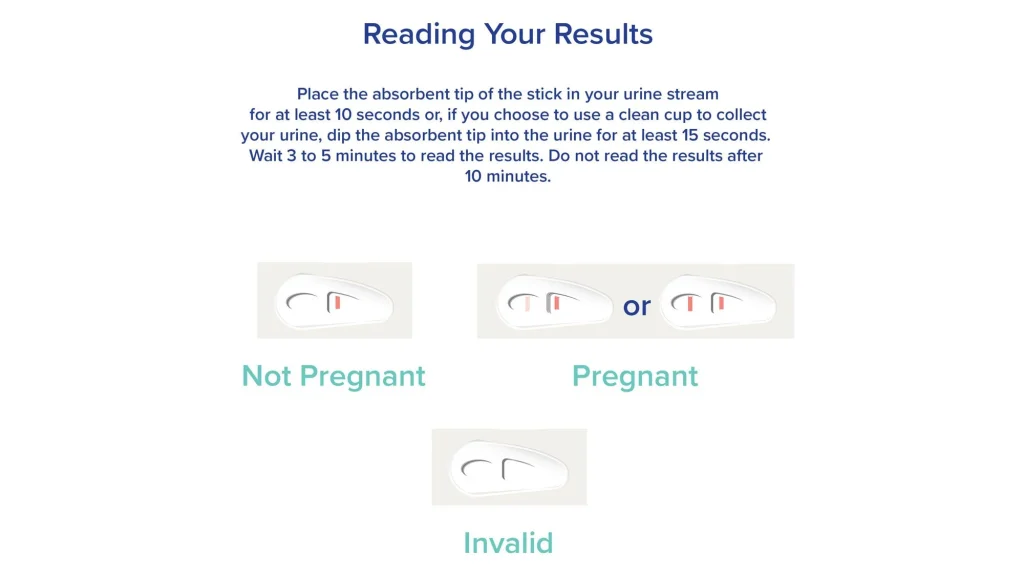
    Instructions for reading pregnancy test results with visual indicators for "Not Pregnant," "Pregnant," and "Invalid.

    Stress Management Techniques for Improving Cervical Mucus Production

    4. Eat a Healthy Diet

    What we eat can also impact our stress levels and overall health. A diet rich in processed foods, sugar, and unhealthy fats can contribute to inflammation in the body and lead to stress. On the other hand, a diet high in whole foods, fruits, vegetables, and lean proteins can help reduce stress and promote hormonal balance. Some foods that are particularly beneficial for cervical mucus production include avocado, olive oil, flaxseeds, and salmon. Consult with a healthcare professional or a registered dietitian for personalized dietary recommendations.

    5. Identify and Manage Triggers

    Identifying and managing stress triggers can be a powerful tool in reducing stress levels. Take some time to reflect on situations or events that tend to cause you stress. This could be work-related, family-related, or personal triggers. Once you have identified your triggers, come up with a plan to manage or avoid them. This could include setting boundaries, saying no to extra responsibilities, or seeking support from loved ones. By managing your stress triggers, you can prevent unnecessary stress and improve your overall well-being.

    6. Seek Professional Help

    If you feel overwhelmed by stress and are struggling to manage it on your own, do not hesitate to seek professional help. A therapist or counselor can provide you with the necessary tools and techniques to cope with stress effectively. They can also help you identify any underlying issues that may be contributing to your stress levels and work with you to address them. Seeking professional help is a sign of strength and can greatly benefit your mental and physical health.

    Summary:

    Cervical mucus production is crucial for fertility and conception, but stress can disrupt the delicate balance of hormones responsible for it. By practicing mindfulness and relaxation techniques, exercising regularly, getting enough sleep, eating a healthy diet, identifying and managing stress triggers, and seeking professional help if needed, women can improve their cervical mucus production and increase their chances of conception.

  • The Impact of Chronic Stress on Cervical Mucus Health and Fertility

    Summary:

    Chronic stress is a common issue in today’s fast-paced world, and it can have a significant impact on our overall health. One area that is often overlooked when it comes to stress is cervical mucus health and fertility. Cervical mucus is a vital component of the female reproductive system, and it plays a crucial role in helping sperm reach and fertilize the egg. However, chronic stress can disrupt the delicate balance of cervical mucus, leading to fertility issues and other health problems. In this blog post, we will explore the impact of chronic stress on cervical mucus health and fertility and discuss ways to manage stress and improve overall reproductive health.

    First and foremost, it is essential to understand what cervical mucus is and why it is crucial for fertility. Cervical mucus is a fluid produced by the cervix that lines the vaginal canal. Its main purpose is to create a friendly environment for sperm to survive and reach the egg for fertilization. Cervical mucus also acts as a barrier, preventing harmful bacteria and other substances from entering the uterus. It changes in consistency and amount throughout the menstrual cycle, with the most fertile mucus being thin, clear, and stretchy, resembling egg whites.

    Chronic stress can have a severe impact on cervical mucus health. When we experience stress, our bodies release the hormone cortisol, also known as the “stress hormone.” Cortisol is necessary for our bodies to respond to stress, but chronic stress can lead to an overproduction of cortisol, which can disrupt the delicate hormonal balance in the body. This hormonal imbalance can interfere with the production and quality of cervical mucus, making it thicker and more acidic, making it difficult for sperm to survive and reach the egg. This can significantly decrease the chances of conception and increase the risk of infertility.

    Apart from affecting cervical mucus directly, chronic stress can also indirectly impact fertility. Stress can lead to unhealthy coping mechanisms such as smoking, excessive drinking, and poor diet, which can all have detrimental effects on fertility. Stress can also disrupt the menstrual cycle, causing irregular periods and even anovulation (lack of ovulation), further decreasing the chances of conceiving.

    pregnancy test kit with instructions, test device, and packaging on a white background

    The Impact of Chronic Stress on Cervical Mucus Health and Fertility

    Furthermore, chronic stress can also cause inflammation in the body, which can have adverse effects on cervical mucus health and fertility. Inflammation can thicken the mucus and make it more difficult for sperm to travel through the cervix. It can also lead to damage to the reproductive organs, making it challenging for the embryo to implant in the uterus. Chronic inflammation has also been linked to conditions like endometriosis and pelvic inflammatory disease, which can cause fertility issues.

    So, what can be done to manage chronic stress and improve cervical mucus health and fertility? The first step is to identify the sources of stress and find ways to manage them. This may include making lifestyle changes such as practicing relaxation techniques like yoga or meditation, getting regular exercise, and maintaining a healthy diet. Seeking support from a therapist or counselor can also be beneficial in managing stress and improving overall mental health.

    In addition to managing stress, there are also specific steps women can take to improve cervical mucus health. One is to track their menstrual cycle and monitor changes in cervical mucus. This can help identify any irregularities and provide valuable information for fertility tracking. Another essential step is to maintain a healthy vaginal pH balance. The vagina is naturally slightly acidic, but stress can make it more acidic, which can lead to imbalances in the vaginal microbiome and affect cervical mucus health. Using a pH-balanced vaginal wash or probiotic supplements can help maintain a healthy vaginal pH and promote good bacteria growth.

    In some cases, medical intervention may be necessary to manage chronic stress and improve cervical mucus health and fertility. Hormonal imbalances caused by stress can be treated with medication or supplements prescribed by a doctor. In cases where inflammation is a concern, anti-inflammatory medication or natural remedies like turmeric or omega-3 fatty acids can help reduce inflammation and promote a healthy reproductive system.

    In conclusion, chronic stress can have a significant impact on cervical mucus health and fertility. It can directly affect the production and quality of cervical mucus and indirectly impact fertility by causing unhealthy coping mechanisms and disrupting the menstrual cycle. It is essential to manage stress and find ways to improve cervical mucus health to increase the chances of conception. This includes making lifestyle changes, seeking support, and, if necessary, seeking medical intervention. By addressing chronic stress and taking steps to improve cervical mucus health, women can increase their chances of conceiving and have a healthier reproductive system.

  • Cervical Mucus and Stress: Tips for Reducing Its Effects on Fertility

    Blog Post: Cervical Mucus and Stress: Tips for Reducing Its Effects on Fertility

    Cervical mucus plays a crucial role in a woman’s fertility. It helps to create a hospitable environment for sperm, nourishes and protects them, and guides them towards the egg for fertilization. However, stress can have a significant impact on the quality and quantity of cervical mucus, making it difficult for couples to conceive. In this blog post, we will discuss the relationship between cervical mucus and stress and provide tips for reducing its effects on fertility.

    Understanding Cervical Mucus

    Before diving into the effects of stress on cervical mucus, it is essential to understand what it is and its role in fertility. Cervical mucus is a fluid secreted by the cervix. It changes throughout a woman’s menstrual cycle, from thick and sticky to thin and stretchy, under the influence of hormones. This change in consistency is crucial for conception as it allows sperm to travel through the cervix and into the uterus.

    The Effects of Stress on Cervical Mucus

    Stress is a natural response to challenging situations, and it can have both physical and emotional effects on the body. When the body is under stress, it produces the hormone cortisol, which can disrupt the balance of reproductive hormones and affect the quality and quantity of cervical mucus. High levels of cortisol can also cause inflammation in the cervix, leading to thick and impenetrable mucus, making it difficult for sperm to reach the egg.

    Stress can also have a psychological impact on a woman’s fertility. When trying to conceive, couples often experience pressure and anxiety, which can increase stress levels. This can create a vicious cycle as stress can affect fertility, leading to more stress and anxiety, further impacting cervical mucus.

    Tips for Reducing the Effects of Stress on Cervical Mucus and Fertility

    1. Practice Stress Management Techniques

    The first step in reducing the impact of stress on cervical mucus and fertility is to manage stress effectively. This can include practicing relaxation techniques such as deep breathing, meditation, yoga, or taking a warm bath. It is essential to find what works best for you and incorporate it into your daily routine.

    2. Prioritize Self-Care

    Self-care is crucial for overall well-being and can help reduce stress levels. Make time for activities that you enjoy, such as reading, painting, or spending time in nature. It is also crucial to get enough rest and prioritize quality sleep.

    mosie baby logo featuring a heart and leaves in blue, pink, and green colors.

    Cervical Mucus and Stress: Tips for Reducing Its Effects on Fertility

    3. Communicate with Your Partner

    When trying to conceive, it is vital to communicate with your partner and share your feelings and concerns. This can help reduce stress and strengthen your relationship.

    4. Seek Professional Help

    If stress is significantly impacting your life and fertility, do not hesitate to seek professional help. Counseling or therapy can provide you with tools and techniques to manage stress and improve your overall well-being.

    5. Try Acupuncture

    Acupuncture has been shown to reduce stress levels and increase the production of endorphins, the body’s natural painkillers. It can also help regulate hormones and improve the quality and quantity of cervical mucus.

    6. Make Dietary and Lifestyle Changes

    A healthy diet and lifestyle can help reduce stress levels and improve overall fertility. Incorporate plenty of fruits, vegetables, whole grains, and lean proteins into your diet. Avoid processed foods and limit caffeine and alcohol consumption. Regular exercise can also help reduce stress and improve fertility.

    7. Consider Fertility-Friendly Lubricants

    Some lubricants can negatively affect sperm motility and the quality of cervical mucus. Consider using fertility-friendly lubricants that are specifically designed for couples trying to conceive.

    In Summary

    Cervical mucus plays a vital role in fertility, and stress can significantly impact its quality and quantity. Managing stress effectively through stress management techniques, self-care, communication, seeking professional help, acupuncture, making dietary and lifestyle changes, and using fertility-friendly lubricants can help reduce the effects of stress on cervical mucus and improve fertility.

  • The Impact of Stress on Cervical Mucus Quality and Conception

    Stress is an inevitable part of life, and it can have a significant impact on our bodies and overall health. While most people are aware of the negative effects of stress on our mental and physical well-being, many may not realize the impact it can have on our reproductive health. In particular, stress can affect the quality of cervical mucus, which plays a crucial role in conception. In this blog post, we will explore the link between stress and cervical mucus quality, and how it can impact fertility and conception.

    What is Cervical Mucus?

    Before delving into the impact of stress on cervical mucus, it is essential to understand what it is and its role in conception. Cervical mucus is a fluid produced by the cervix, the lower part of the uterus. It is a crucial component of the female reproductive system as it helps to protect and nourish sperm as it travels through the cervix towards the fallopian tubes. Cervical mucus also serves as a barrier, preventing bacteria and other harmful substances from entering the uterus and potentially causing infections.

    The quality of cervical mucus is influenced by various factors, including hormones, hydration levels, and overall health. It is typically thick and sticky at the beginning of the menstrual cycle, but as ovulation approaches, it becomes thinner and more slippery, allowing sperm to pass through easily. This type of cervical mucus is known as “fertile mucus” and is crucial for conception.

    The Impact of Stress on Cervical Mucus Quality

    Stress is a natural response to challenging situations, and it can manifest in various ways, including physical, emotional, and psychological symptoms. When we experience stress, our body releases the hormone cortisol, also known as the “stress hormone.” In small amounts, cortisol can help us cope with stress and regulate our body’s functions. However, chronic stress, which is long-term and ongoing, can lead to elevated cortisol levels, causing a range of health issues, including fertility problems.

    One of the ways stress can affect fertility is by disrupting the delicate balance of hormones that regulate the menstrual cycle. Stress can cause a decrease in estrogen levels and an increase in progesterone levels, leading to changes in cervical mucus production. When stress hormones are elevated, the body prioritizes survival over reproduction, resulting in decreased fertility. As a result, women may experience less fertile mucus or no mucus at all, making it difficult for sperm to reach the egg.

    Stress can also lead to dehydration, which can impact cervical mucus quality. The body requires adequate hydration to produce fertile mucus, and when we are stressed, we may not be drinking enough water, leading to thicker and less fertile mucus.

    In addition to affecting the quantity and quality of cervical mucus, stress can also impact the timing of ovulation. Stress can cause irregular or delayed ovulation, which can reduce the chances of conception. It can also lead to a shorter luteal phase, the time between ovulation and the start of the next menstrual cycle, making it challenging for a fertilized egg to implant in the uterus.

    The Connection Between Stress and Infertility

    Infertility is defined as the inability to conceive after one year of trying for a healthy, sexually active couple. According to the World Health Organization, around 15% of couples worldwide struggle with infertility, and stress is a common factor in many cases. While stress alone may not cause infertility, it can significantly impact fertility and make it challenging to conceive.

    mosie baby logo featuring a heart and leaves in blue, pink, and green colors.

    The Impact of Stress on Cervical Mucus Quality and Conception

    The stress of trying to conceive can also create a vicious cycle, as the pressure and anxiety can lead to more stress, further impacting fertility. The emotional toll of infertility can also take a toll on a couple’s relationship, causing strain and further adding to stress levels.

    Managing Stress for Improved Cervical Mucus Quality

    While it is impossible to eliminate stress entirely from our lives, there are steps we can take to manage it and improve cervical mucus quality. Here are some tips:

    1. Practice relaxation techniques: Engage in activities that help you relax and reduce stress, such as yoga, meditation, or deep breathing exercises.

    2. Exercise regularly: Physical activity can help reduce stress levels and improve overall health.

    3. Get enough sleep: Adequate sleep is crucial for managing stress and maintaining hormonal balance.

    4. Eat a balanced diet: A nutritious diet can help support the body’s functions and promote fertility.

    5. Stay hydrated: Drink plenty of water and avoid caffeine and alcohol, which can dehydrate the body.

    6. Seek support: Talking to a therapist or joining a support group can help manage stress and cope with the emotional toll of infertility.

    Summary

    Stress can have a significant impact on cervical mucus quality, making it difficult to conceive. Chronic stress can disrupt hormonal balance, leading to changes in cervical mucus production and ovulation. It can also impact the quantity and timing of fertile mucus, making it challenging for sperm to reach the egg. By managing stress and adopting healthy habits, individuals can improve cervical mucus quality and increase their chances of conception.

  • The Connection Between Stress and Cervical Mucus Changes Throughout the Menstrual Cycle

    Blog Post:

    The menstrual cycle is a natural and essential process that most women experience every month. It involves the release of an egg from the ovaries, which can potentially lead to pregnancy. However, the menstrual cycle is not just about ovulation and pregnancy. It also involves changes in hormones, including estrogen and progesterone, which can affect a woman’s cervical mucus.

    Cervical mucus, also known as cervical fluid, is a substance produced by the cervix that helps sperm travel through the reproductive tract to reach the egg. It also acts as a protective barrier against bacteria and other harmful substances. The consistency and quality of cervical mucus can vary throughout the menstrual cycle, and stress is one factor that can significantly impact these changes.

    Stress is a natural response to challenging or threatening situations. It triggers the release of the hormone cortisol, which can affect the body in various ways. When it comes to the menstrual cycle, stress can disrupt the balance of hormones, leading to changes in cervical mucus. In this blog post, we will explore the connection between stress and cervical mucus changes throughout the menstrual cycle.

    The Menstrual Cycle and Cervical Mucus Changes:

    The menstrual cycle is divided into three phases: the follicular phase, ovulatory phase, and luteal phase. Each phase is characterized by different hormonal changes that can impact cervical mucus production.

    Follicular Phase:

    The follicular phase begins when menstruation starts and ends with ovulation. During this phase, estrogen levels begin to rise, which stimulates the production of cervical mucus. The purpose of this mucus is to create a hospitable environment for sperm to survive and travel through the reproductive tract.

    Stress and Cervical Mucus Changes in the Follicular Phase:

    Stress can affect the quality and quantity of cervical mucus during the follicular phase in various ways. High levels of stress can lead to a decrease in estrogen production, which can result in less cervical mucus being produced. As a result, the cervical mucus may become thick and sticky, making it difficult for sperm to travel through the reproductive tract.

    Additionally, stress can also change the composition of cervical mucus, making it less hospitable to sperm. Studies have shown that women who experience high levels of stress have lower levels of a protein called ZP3, which is essential for sperm binding and fertilization. This decrease in ZP3 can make it more challenging for sperm to penetrate the egg, reducing the chances of pregnancy.

    Ovulatory Phase:

    The ovulatory phase is the shortest phase of the menstrual cycle, lasting only 24 hours. During this phase, estrogen levels continue to rise, reaching their peak, which triggers the release of an egg from the ovaries. The cervical mucus during this phase is known as “fertile” mucus and is crucial for sperm survival and transport.

    at-home insemination kit by Mosie Baby, featuring syringes and containers for comfort and convenience.

    The Connection Between Stress and Cervical Mucus Changes Throughout the Menstrual Cycle

    Stress and Cervical Mucus Changes in the Ovulatory Phase:

    Stress can significantly impact the quality of cervical mucus during the ovulatory phase. High levels of stress can lead to a delay or absence of ovulation, which can result in a shorter or absent ovulatory phase. This means that there is less time for fertile cervical mucus to be produced, reducing the chances of pregnancy.

    Furthermore, stress can also affect the consistency of cervical mucus during this phase. Instead of the typical thin, watery, and stretchy texture, the mucus may become thicker and less hospitable to sperm. This can make it more challenging for sperm to reach the egg, decreasing the chances of fertilization.

    Luteal Phase:

    The luteal phase is the final phase of the menstrual cycle and lasts from ovulation until the start of the next period. During this phase, the hormone progesterone is dominant, which causes changes in cervical mucus.

    Stress and Cervical Mucus Changes in the Luteal Phase:

    High levels of stress during the luteal phase can affect the quality of cervical mucus in several ways. First, stress can cause a decrease in progesterone levels, leading to a decrease in cervical mucus production. This can result in a drier and less hospitable environment for sperm.

    Moreover, stress can also cause an increase in a hormone called prolactin, which is known to thicken cervical mucus. This can make it more challenging for sperm to travel through the reproductive tract, reducing the chances of fertilization.

    Managing Stress for Optimal Cervical Mucus:

    As we have seen, stress can significantly impact cervical mucus changes throughout the menstrual cycle, making it more challenging to conceive. Therefore, it is essential to manage stress levels for optimal cervical mucus production. Here are some tips to help reduce stress and improve cervical mucus quality:

    1. Practice relaxation techniques such as deep breathing, meditation, or yoga.
    2. Exercise regularly to release endorphins, which can help reduce stress.
    3. Get enough sleep to allow your body to rest and recover.
    4. Seek support from friends and family or a professional therapist.
    5. Make time for activities that bring you joy and relaxation.

    Summary:

    The menstrual cycle is a complex process that involves changes in hormones and cervical mucus. Stress can significantly impact these changes, leading to changes in the quality and quantity of cervical mucus. In the follicular phase, stress can reduce estrogen levels, leading to less hospitable mucus. In the ovulatory phase, stress can delay ovulation and affect the texture of cervical mucus. In the luteal phase, stress can decrease progesterone levels and increase prolactin, leading to changes in mucus consistency. Managing stress through relaxation techniques, exercise, and seeking support can help improve cervical mucus quality for optimal fertility.

  • Stress and Cervical Mucus: How to Restore Balance for Fertility

    Stress and Cervical Mucus: How to Restore Balance for Fertility

    Stress is a common and often unavoidable part of our daily lives. However, when it comes to fertility, stress can have a significant impact on a woman’s body, particularly on cervical mucus. Cervical mucus plays a crucial role in a woman’s reproductive cycle and is essential for achieving pregnancy. In this blog post, we will explore the relationship between stress and cervical mucus and provide tips for restoring balance to improve fertility.

    Understanding Cervical Mucus

    Cervical mucus is a fluid produced by the cervix that plays a vital role in a woman’s fertility. It is responsible for nourishing and protecting sperm, as well as creating a favorable environment for sperm to reach and fertilize the egg. The quantity and quality of cervical mucus changes throughout a woman’s menstrual cycle, and these changes are influenced by hormones, particularly estrogen.

    During the first half of the menstrual cycle, estrogen levels rise, causing cervical mucus to become thin, stretchy, and watery. This type of mucus, known as fertile cervical mucus, is ideal for sperm to swim through easily. As a woman approaches ovulation, her cervical mucus becomes even more abundant and egg-white in consistency, providing the perfect environment for sperm to survive and fertilize an egg. After ovulation, estrogen levels drop, and cervical mucus becomes thicker and less hospitable to sperm.

    The Link between Stress and Cervical Mucus

    Stress can have a significant impact on a woman’s hormones, particularly estrogen. When we experience stress, the body releases the hormone cortisol, which can suppress the production of estrogen. As a result, stress can disrupt the delicate balance of hormones needed for the production of fertile cervical mucus. This can lead to inadequate or absent fertile cervical mucus, making it difficult for sperm to reach and fertilize an egg.

    Furthermore, stress can also affect the consistency of cervical mucus. Stress can cause the body to become dehydrated, leading to thicker and less fertile cervical mucus. Additionally, stress can interfere with the body’s natural ovulation process, causing a delay or irregularity in the production of fertile cervical mucus.

    Tips for Restoring Balance for Fertility

    1. Identify and Manage Stress Triggers

    The first step in restoring balance for fertility is to identify and manage stress triggers. This may include work-related stress, relationship issues, financial concerns, or any other source of stress in your life. Finding healthy ways to cope with stress, such as exercise, meditation, or talking to a therapist, can help reduce its impact on your body and fertility.

    Mosie Baby Kit with a syringe and container, highlighting safety and usability features on a blue background.

    Stress and Cervical Mucus: How to Restore Balance for Fertility

    2. Practice Relaxation Techniques

    In addition to managing stress triggers, incorporating relaxation techniques into your daily routine can help reduce stress levels. This can include deep breathing exercises, yoga, or mindfulness meditation. These techniques can help to calm the mind and body, reducing the release of cortisol and promoting the production of estrogen and fertile cervical mucus.

    3. Stay Hydrated

    Staying hydrated is crucial for maintaining a healthy balance of cervical mucus. Aim to drink at least eight glasses of water a day to ensure your body is adequately hydrated, and your cervical mucus is at its optimal consistency.

    4. Consider Fertility Supplements

    Certain supplements, such as evening primrose oil and mucolytic enzymes, can help improve the quantity and quality of cervical mucus. These supplements can help thin and increase the amount of fertile cervical mucus, making it easier for sperm to reach and fertilize an egg.

    5. Seek Professional Help

    If you have been trying to conceive for over a year without success, it may be time to seek professional help. A fertility specialist can help identify any underlying issues and provide treatment options, such as medication or fertility treatments, to improve your chances of conceiving.

    In conclusion, stress can have a significant impact on a woman’s cervical mucus, which is essential for fertility. By identifying and managing stress triggers, incorporating relaxation techniques, staying hydrated, and considering fertility supplements, you can restore balance to your body and improve your chances of achieving pregnancy. Remember to always seek professional help if you are struggling to conceive, as a specialist can provide personalized treatment options to help you on your fertility journey.

    Summary:

    Stress can have a significant impact on a woman’s cervical mucus, which is crucial for fertility. Stress can disrupt the delicate balance of hormones needed for the production of fertile cervical mucus, leading to inadequate or absent fertile cervical mucus. To restore balance for fertility, it is essential to identify and manage stress triggers, practice relaxation techniques, stay hydrated, consider fertility supplements, and seek professional help if needed.

  • Stress and Cervical Mucus: How to Find Balance for Optimal Fertility

    Blog Post:

    Stress is a common and unavoidable part of modern life. With busy schedules, work demands, and personal obligations, it’s no wonder that many people feel overwhelmed and burnt out. However, what many people don’t realize is that stress can also have a significant impact on our fertility, specifically in regards to cervical mucus.

    Cervical mucus is a fluid produced by the cervix that plays a crucial role in the fertility process. It helps to create a hospitable environment for sperm, allowing them to survive and swim towards the egg. However, stress can disrupt the delicate balance of cervical mucus, making it more difficult for sperm to reach the egg and decreasing the chances of conception.

    In this blog post, we will discuss the connection between stress and cervical mucus and provide tips on how to find balance for optimal fertility.

    Understanding Cervical Mucus:

    Before we dive into the effects of stress on cervical mucus, let’s first understand what cervical mucus is and how it changes throughout a woman’s menstrual cycle.

    Cervical mucus is a clear or white fluid that is produced by the cervix. Its consistency and appearance can vary depending on where a woman is in her menstrual cycle. During the beginning and end of the menstrual cycle, the mucus is typically thick and sticky, making it difficult for sperm to pass through. However, during ovulation, the mucus becomes thinner, clearer, and more stretchy, creating a more favorable environment for sperm to travel through.

    The Role of Stress:

    Stress can have a significant impact on the body, including the reproductive system. When we are stressed, our bodies produce a hormone called cortisol, which can interfere with the production of estrogen and progesterone, the hormones responsible for regulating cervical mucus.

    When cortisol levels are high, estrogen levels can decrease, leading to a decrease in cervical mucus. This can make it harder for sperm to swim through the cervix and reach the egg. Additionally, stress can also lead to inflammation, which can further impede the production of cervical mucus.

    Finding Balance for Optimal Fertility:

    illustration of Mosie Baby home insemination kit highlighting seamless transfer and size features

    Stress and Cervical Mucus: How to Find Balance for Optimal Fertility

    Now that we understand the connection between stress and cervical mucus, it’s essential to find ways to manage stress to optimize fertility. Here are some tips to help you find balance:

    1. Practice Stress-Reducing Techniques:

    One of the best ways to manage stress is to incorporate stress-reducing techniques into your daily routine. These can include yoga, meditation, deep breathing exercises, and mindfulness practices. These techniques can help to reduce cortisol levels and promote a sense of calm and relaxation.

    2. Get Enough Sleep:

    Lack of sleep can contribute to increased stress levels. Make sure to prioritize getting enough sleep each night, aiming for 7-9 hours. Create a relaxing bedtime routine and avoid screens before bed to promote better sleep.

    3. Exercise Regularly:

    Exercise is a great way to release tension and reduce stress. Find a form of exercise that you enjoy and make it a part of your routine. Not only will it help to reduce stress, but it can also improve overall health and well-being.

    4. Eat a Healthy Diet:

    The foods we eat can also impact stress levels and hormonal balance. Aim for a diet rich in fruits, vegetables, whole grains, and lean proteins. Avoid processed and sugary foods, which can contribute to inflammation and hormonal imbalances.

    5. Seek Support:

    Sometimes, managing stress on our own can be challenging. Don’t be afraid to seek support from friends, family, or a professional therapist. Talking about your stress and finding healthy ways to cope can make a significant difference.

    In summary, stress can have a significant impact on cervical mucus and, therefore, fertility. By understanding this connection and implementing stress-reducing techniques into your daily routine, you can find balance for optimal fertility. Remember to prioritize self-care, seek support when needed, and be patient with yourself and your body.

  • Managing Stress for Improved Cervical Mucus Quality and Fertility

    Summary:

    Stress is a common and often unavoidable part of daily life. However, when it comes to reproductive health and fertility, stress can have a significant impact. In particular, stress can affect the quality of cervical mucus, which plays a crucial role in fertility and conception. This blog post will explore the connection between stress and cervical mucus, and provide strategies for managing stress to improve cervical mucus quality and increase the chances of pregnancy.

    The Importance of Cervical Mucus in Fertility

    Before diving into the effects of stress on cervical mucus, it’s essential to understand the role it plays in fertility. Cervical mucus is a fluid produced by the cervix that changes in consistency and texture throughout a woman’s menstrual cycle. During ovulation, the mucus becomes thin, slippery, and stretchy, creating an optimal environment for sperm to travel and fertilize an egg. Without this fertile cervical mucus, it can be challenging for sperm to reach the egg, making conception more difficult.

    How Stress Affects Cervical Mucus Quality

    When we are stressed, our bodies produce the hormone cortisol, also known as the “stress hormone.” This hormone can have a significant impact on our reproductive system, including the production and quality of cervical mucus. High levels of cortisol can disrupt the balance of hormones responsible for cervical mucus production, leading to changes in its quality and quantity.

    Additionally, stress can also cause physical tension in the body, which can affect blood flow to the reproductive organs. This reduced blood flow can result in a decrease in cervical mucus production and may also affect its consistency and texture, making it less conducive to sperm transport.

    Strategies for Managing Stress for Improved Cervical Mucus Quality and Fertility

    Fortunately, there are several effective strategies for managing stress that can help improve cervical mucus quality and boost fertility. These include:

    logo featuring a pink heart above two teal leaves on a blue circular background

    Managing Stress for Improved Cervical Mucus Quality and Fertility

    1. Mindfulness and Relaxation Techniques: Mindfulness and relaxation techniques, such as deep breathing, meditation, and yoga, can help reduce stress levels and promote relaxation. These practices can be particularly helpful for managing stress-related tension in the body.

    2. Exercise: Regular physical activity can help reduce stress and improve overall well-being. It can also help improve blood flow to the reproductive organs, promoting healthy cervical mucus production.

    3. Adequate Sleep: Getting enough quality sleep is essential for managing stress and maintaining overall health. Aim for 7-9 hours of sleep each night to help reduce cortisol levels and promote optimal hormone balance.

    4. Supportive Relationships: Surrounding yourself with supportive and understanding people can help reduce stress and improve emotional well-being. Talk to your partner, family, or friends about your feelings and concerns, and seek professional support if needed.

    5. Nutrition: Eating a balanced and nutritious diet can help support your body during times of stress. Certain foods, such as leafy greens, whole grains, and omega-3 rich foods, can help reduce inflammation and promote hormone balance.

    6. Herbal Remedies: Some herbs, such as ashwagandha and holy basil, have adaptogenic properties and can help the body cope with stress. Consult with a qualified healthcare provider before adding any herbal supplements to your routine.

    7. Acupuncture: Acupuncture is a traditional Chinese medicine practice that involves inserting thin needles into specific points on the body. It has been shown to be effective in reducing stress and improving fertility.

    In conclusion, stress can have a significant impact on cervical mucus quality and fertility. By implementing stress management strategies, such as mindfulness practices, exercise, and proper nutrition, it is possible to improve cervical mucus quality and increase the chances of conception. It is essential to prioritize self-care and seek support when needed to reduce stress and promote overall reproductive health.

    SEO metadata:




