Syringe Method Success Rates: What You Need to Know Before Trying At-Home Insemination
In recent years, the prevalence of at-home insemination has increased as more people choose to start or expand their families through alternative methods. One popular method is the syringe method, which involves the use of a syringe to deposit sperm directly into the vagina. While this method may seem simple and straightforward, there are important factors to consider before attempting it. In this blog post, we will explore the success rates of the syringe method and provide important information that you should know before trying it at home.
Understanding the Syringe Method
The syringe method, also known as artificial insemination, is a process where sperm is placed into the cervix or uterus using a syringe. This method is often used by couples who are trying to conceive and may face challenges such as low sperm count, issues with ovulation, or cervical factors that prevent sperm from reaching the egg. It is also a popular option for same-sex couples, single individuals, and those who may not have access to fertility treatments.
The Process of At-Home Insemination
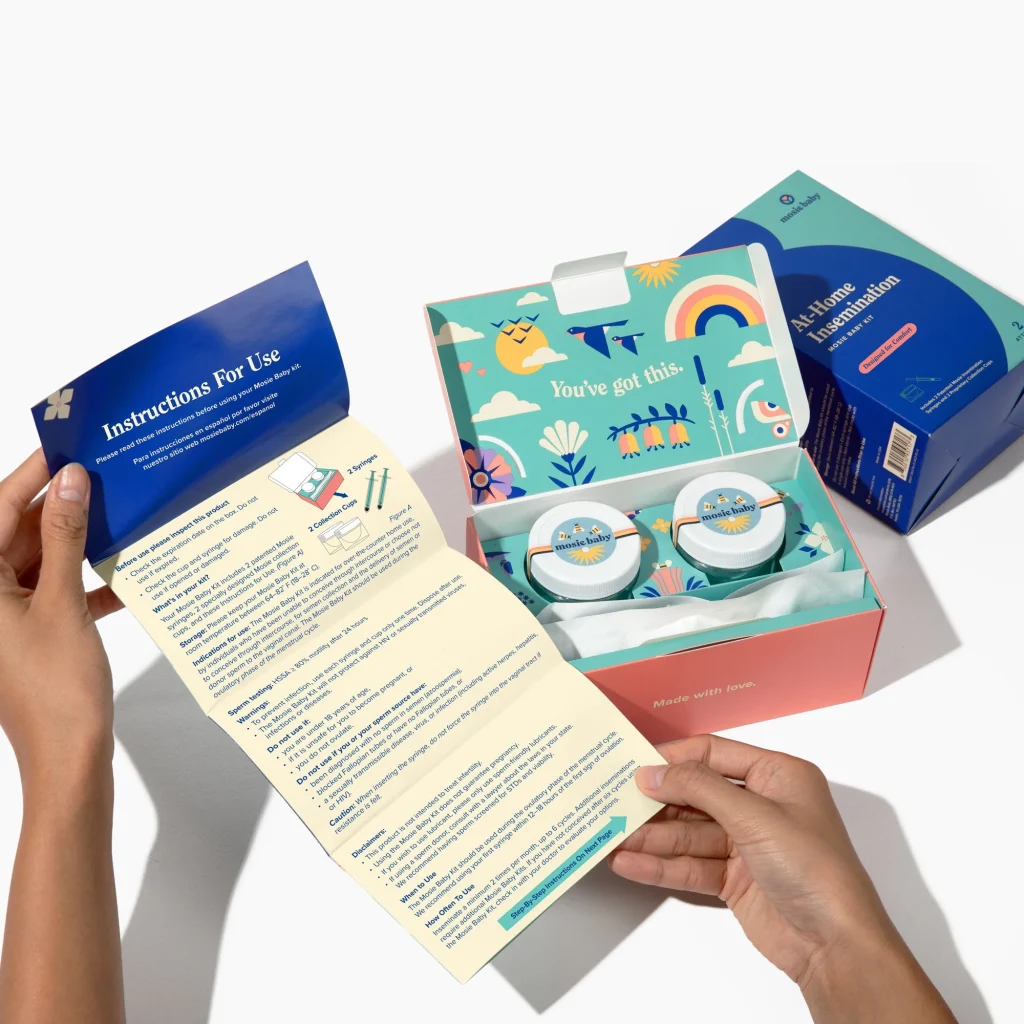
At-home insemination using the syringe method involves purchasing a sterile syringe and collecting sperm from a donor or partner. The sperm is then drawn into the syringe and inserted into the vagina, aiming for the cervix or near the opening of the uterus. This can be done without any medical assistance or supervision, making it a convenient and cost-effective option for many.
Success Rates of the Syringe Method
The success rate of the syringe method is highly dependent on various factors such as the quality of the sperm, timing of insemination, and overall health of the individuals involved. According to a study published in the Journal of Obstetrics and Gynaecology, the overall success rate of at-home insemination is around 10-15%. However, this rate can increase to 30-40% with proper timing and use of high-quality sperm. It is important to note that the success rates may also vary depending on the age and fertility of the individuals involved.
Timing is Key

Syringe Method Success Rates: What You Need to Know Before Trying At-Home Insemination
Timing is crucial when it comes to the success of at-home insemination. It is recommended to perform the insemination as close to ovulation as possible, as this increases the chances of the sperm reaching the egg. Ovulation predictor kits or tracking your basal body temperature can help determine the most fertile days to try the syringe method. It is also important to note that sperm can survive in the female reproductive tract for up to five days, so performing insemination a few days before ovulation can also increase the chances of success.
Quality of Sperm Matters
The quality of sperm used in the syringe method is also a crucial factor in its success. It is recommended to use fresh sperm from a donor or partner, as frozen sperm may have a lower success rate. Additionally, the sperm should be free of any infections or diseases, which can affect its viability and increase the risk of complications.
Potential Risks and Considerations
While the syringe method may seem like a simple and safe process, it is important to understand the potential risks and considerations before attempting it at home. There is a risk of infection if proper sterilization techniques are not followed, and there is also a possibility of allergic reactions to the sperm. It is important to discuss any potential risks with a healthcare provider before attempting at-home insemination.
Alternatives to At-Home Insemination
While the syringe method may be a convenient and cost-effective option for some, it is not the only method of at-home insemination. Another option is the use of a cervical cap, which can be purchased over the counter and placed in the vagina to collect sperm and deposit it near the cervix. There are also at-home fertility kits available that can help track ovulation and increase the chances of success.
In Conclusion
The syringe method of at-home insemination can be a viable option for couples and individuals looking to start or expand their families. However, it is important to understand the success rates and potential risks involved, as well as the importance of timing and the quality of sperm. It is always recommended to consult with a healthcare provider before attempting at-home insemination to ensure the safest and most effective process.
In summary, the syringe method of at-home insemination involves using a sterile syringe to deposit sperm into the vagina near the cervix or opening of the uterus. The success rates of this method can vary, but proper timing and use of high-quality sperm can increase the chances of success. It is important to understand the potential risks and consider alternatives before attempting at-home insemination.