Tag: Reproductive Health

  • How Allergies Can Affect Cervical Mucus Production Throughout Your Cycle

    Allergies can affect more than just your nose and eyes. They can also have an impact on your reproductive health, specifically on cervical mucus production throughout your menstrual cycle. Cervical mucus, also known as cervical fluid, plays a crucial role in fertility and conception. It helps sperm travel through the cervix to reach the egg, and also protects the reproductive organs from infection. In this blog post, we will explore the connection between allergies and cervical mucus production, and how it can affect your fertility.

    The Basics of Cervical Mucus Production

    Before we dive into the effects of allergies on cervical mucus, let’s first understand the basics of its production. The cervix, which is the narrow passage between the uterus and the vagina, produces cervical mucus. The amount and consistency of the mucus changes throughout the menstrual cycle, under the influence of estrogen and progesterone hormones. During the fertile window, which is the time when you are most likely to conceive, the cervical mucus becomes thin, clear, and stretchy, resembling the consistency of egg whites. This type of mucus helps sperm travel more easily through the cervix. On the other hand, during non-fertile times, the mucus becomes thicker and more hostile to sperm, acting as a barrier to prevent conception.

    Allergies and Cervical Mucus Production

    Allergies occur when the body’s immune system reacts to a foreign substance, such as pollen, dust, or pet dander. This reaction triggers the release of histamine, which causes symptoms like sneezing, itching, and congestion. But did you know that histamine can also have an impact on cervical mucus production? Histamine can cause inflammation and swelling in the cervical glands, leading to a decrease in the production of cervical mucus. This can make it difficult for sperm to reach the egg, reducing your chances of conception.

    Allergic Rhinitis and Cervical Mucus

    Allergic rhinitis, also known as hay fever, is a type of allergy that affects the nose and sinuses. It occurs when the body overreacts to allergens in the air, causing symptoms like a runny nose, sneezing, and congestion. When this happens, the nasal passages can become inflamed, and the production of mucus increases. But this excess mucus can also affect the cervical glands, leading to a decrease in cervical mucus production. As a result, sperm may have a harder time reaching the egg during the fertile window.

    Impact of Antihistamines on Cervical Mucus

    Antihistamines are medications commonly used to treat allergies. They work by blocking the effects of histamine, reducing symptoms like sneezing and itching. However, these medications can also have an impact on cervical mucus production. Antihistamines can cause the cervical glands to produce less mucus, making it difficult for sperm to reach the egg. If you are trying to conceive, it is important to talk to your doctor before taking any antihistamines to manage your allergies.

    At-home insemination kit with syringes and collection cups on a teal background.

    How Allergies Can Affect Cervical Mucus Production Throughout Your Cycle

    Allergies and Fertility Treatments

    Allergies can also have an impact on fertility treatments, such as intrauterine insemination (IUI) and in vitro fertilization (IVF). During these procedures, the cervical mucus plays a crucial role in transporting the sperm to the uterus. If the production of cervical mucus is affected by allergies, it can make it more challenging for the sperm to reach the egg. In such cases, fertility specialists may recommend using fertility medications to stimulate the production of cervical mucus, or using IUI or IVF techniques that bypass the need for cervical mucus.

    Managing Allergies and Maintaining Cervical Mucus Production

    If you suffer from allergies and are trying to conceive, there are some steps you can take to manage your allergies and maintain healthy cervical mucus production. Here are some tips:

    1. Avoid allergens: Identify your triggers and try to avoid them as much as possible. For example, if you are allergic to pollen, try to stay indoors on high pollen days or wear a mask when outside.

    2. Use saline nasal sprays: Saline nasal sprays can help clear out excess mucus from the nasal passages without affecting cervical mucus production.

    3. Use natural remedies: Some natural remedies, such as steam inhalation, can help relieve allergy symptoms without affecting cervical mucus production.

    4. Talk to your doctor: If you are trying to conceive, it is essential to talk to your doctor before taking any medications to manage your allergies. They can recommend safe options that will not affect your fertility.

    In conclusion, allergies can have a significant impact on cervical mucus production, which can affect your fertility. If you suffer from allergies and are trying to conceive, it is important to manage your allergies properly and talk to your doctor about any potential effects on your reproductive health. By taking the necessary steps, you can improve your chances of conception and have a healthy pregnancy.


  • Addressing Allergies for Improved Cervical Mucus Health

    Blog Post: Addressing Allergies for Improved Cervical Mucus Health

    Cervical mucus is an important aspect of women’s reproductive health. It plays a crucial role in fertility, protecting the reproductive organs, and providing a conducive environment for sperm to reach the egg. However, many women struggle with issues related to cervical mucus, including allergies. Allergies can have a significant impact on cervical mucus health, leading to difficulties in conception and overall reproductive health. In this blog post, we will explore the relationship between allergies and cervical mucus and provide tips for addressing allergies to improve cervical mucus health.

    Understanding Cervical Mucus

    Before we delve into the connection between allergies and cervical mucus, it is essential to understand what cervical mucus is and its role in reproductive health. Cervical mucus is a fluid produced by the cervix, which is the narrow passage that connects the uterus to the vagina. The consistency and amount of cervical mucus change throughout a woman’s menstrual cycle, and these changes are influenced by hormones.

    During ovulation, cervical mucus becomes thin, clear, and stretchy, resembling raw egg whites. This type of mucus is known as fertile cervical mucus and is crucial for conception. It provides a hospitable environment for sperm to swim through the cervix and reach the egg in the fallopian tubes. In contrast, during the non-fertile phases of the menstrual cycle, cervical mucus is thicker and may block sperm from reaching the egg.

    Allergies and Cervical Mucus Health

    Allergies are a response by the body’s immune system to a substance that it perceives as harmful. This substance, known as an allergen, can trigger a range of symptoms, including sneezing, coughing, watery eyes, and a runny nose. Allergies can also affect the reproductive system and have a significant impact on cervical mucus health.

    One of the ways allergies can affect cervical mucus health is by causing inflammation in the cervix. Inflammation can make the cervix produce more mucus than usual, leading to excess or thickened cervical mucus. This excess mucus can create a hostile environment for sperm, making it difficult for them to reach the egg. In some cases, allergies can also cause changes in the consistency of cervical mucus, making it too thick for sperm to penetrate.

    Allergies can also affect the hormonal balance in the body, leading to changes in cervical mucus production. Histamine, a chemical released during an allergic reaction, can interfere with estrogen and progesterone levels, disrupting the normal changes in cervical mucus throughout the menstrual cycle. This can lead to difficulties in conception, as the timing of intercourse may not align with the fertile phase of the cycle.

    At-home insemination kit with syringes and collection cups on a teal background.

    Addressing Allergies for Improved Cervical Mucus Health

    Addressing Allergies for Improved Cervical Mucus Health

    Fortunately, there are ways to address allergies and improve cervical mucus health. The first step is to identify the allergen that triggers your symptoms. Common allergens include pollen, animal dander, dust mites, and certain foods. Keeping a journal to track your symptoms and possible triggers can help you narrow down the culprit.

    Once you have identified the allergen, the next step is to avoid it as much as possible. If your allergy is triggered by pollen, for example, try to stay indoors when the pollen count is high and keep windows closed. If you are allergic to animal dander, avoid contact with pets, or at least limit it. If your allergy is food-related, eliminating the trigger food from your diet can make a significant difference.

    In addition to avoiding allergens, there are also medical treatments available for allergies. Over-the-counter antihistamines can help alleviate symptoms, and allergy shots or immunotherapy can help desensitize the body to the allergen over time. Consult with your doctor to find the best treatment option for your specific allergy.

    Maintaining a healthy lifestyle can also improve your body’s immune response and help manage allergies. Eating a balanced diet, exercising regularly, and getting enough sleep can all contribute to a stronger immune system. Reducing stress levels can also be beneficial, as stress can worsen allergy symptoms.

    In some cases, addressing allergies may not completely resolve issues with cervical mucus. In these situations, it is essential to seek the help of a fertility specialist. They can provide further guidance and recommend fertility-friendly lubricants or supplements to support cervical mucus production and improve the chances of conception.

    In conclusion, allergies can have a significant impact on cervical mucus health and fertility. Understanding the connection between allergies and cervical mucus can help women take proactive steps to improve their reproductive health. By identifying and avoiding allergens, seeking treatment, and maintaining a healthy lifestyle, women can improve their cervical mucus health and increase their chances of conception.

    Summary:

    Cervical mucus is an essential aspect of women’s reproductive health, and allergies can have a significant impact on its health. Allergies can cause excess or thickened mucus, interfere with hormonal balance, and make it difficult for sperm to reach the egg. To address allergies for improved cervical mucus health, women can identify and avoid allergens, seek medical treatment, and maintain a healthy lifestyle. In some cases, a fertility specialist may also be helpful in addressing issues with cervical mucus. By taking these steps, women can improve their chances of conception and overall reproductive health.

  • The Impact of Allergies on Cervical Mucus Production: What You Need to Know

    Summary:

    Cervical mucus plays a crucial role in female fertility and overall reproductive health. It is produced by the cervix and helps sperm travel through the reproductive tract, nourishing and protecting them. However, allergies can have a significant impact on cervical mucus production. In this blog post, we will explore the connection between allergies and cervical mucus production, how allergies can affect fertility, and what steps you can take to manage allergies and improve cervical mucus production.

    First, we will discuss how allergies can impact cervical mucus production. Allergens in the environment, such as pollen, dust, and animal dander, can trigger an allergic reaction in the body. This reaction can cause inflammation and irritation in the cervix, leading to changes in cervical mucus production. In particular, allergies can make cervical mucus thicker and stickier, making it difficult for sperm to penetrate and reach the egg. This can significantly decrease the chances of conception.

    Next, we will delve into the effects of allergies on fertility. Studies have shown that women with allergies have a higher risk of experiencing fertility issues, such as difficulty getting pregnant or recurrent pregnancy loss. This is because allergies can disrupt the delicate balance of hormones responsible for regulating the menstrual cycle and cervical mucus production. Allergies can also cause inflammation in the reproductive organs, leading to problems with ovulation and implantation.

    pregnancy test kit with instructions, test device, and packaging on a white background

    The Impact of Allergies on Cervical Mucus Production: What You Need to Know

    Furthermore, we will discuss the importance of managing allergies for optimal cervical mucus production. If you are trying to conceive, it is essential to identify and manage any allergies you may have. This can involve avoiding allergens, taking allergy medication, and incorporating natural remedies, such as nasal irrigation and local honey, into your routine. By reducing the inflammation and irritation caused by allergies, you can improve cervical mucus production and increase your chances of conception.

    In addition to managing allergies, there are other steps you can take to improve cervical mucus production. These include staying hydrated, maintaining a healthy diet, and tracking your menstrual cycle. Drinking plenty of water can help thin out cervical mucus, making it easier for sperm to travel through the reproductive tract. A balanced diet rich in nutrients, such as vitamin C and zinc, can also promote healthy cervical mucus production. And by tracking your menstrual cycle, you can determine your most fertile days and time intercourse accordingly.

    Lastly, we will discuss the benefits of using fertility-friendly lubricants for women with allergies. Many commercial lubricants contain ingredients that can trigger allergic reactions, leading to changes in cervical mucus production. However, there are fertility-friendly lubricants available that are free of allergens and designed to mimic the natural qualities of cervical mucus. These can be a great option for women with allergies who are trying to conceive.

    In conclusion, allergies can have a significant impact on cervical mucus production, which can affect fertility and overall reproductive health. By understanding the connection between allergies and cervical mucus, taking steps to manage allergies, and incorporating fertility-friendly practices, women can improve their chances of conception. It is essential to consult a healthcare professional if you are experiencing fertility issues related to allergies, as they can provide personalized recommendations and treatment options.

  • Exploring the Relationship Between Allergies and Cervical Mucus Health

    Blog Post:

    Allergies and cervical mucus health may seem like two completely unrelated topics, but in reality, they have a close relationship that can greatly affect a woman’s reproductive health. Cervical mucus, also known as cervical fluid, is a fluid produced by the cervix that plays a crucial role in fertility and overall vaginal health. On the other hand, allergies are a common immune response to certain substances that can cause a range of symptoms, including nasal congestion, sneezing, and skin irritation. While allergies and cervical mucus health may seem like separate issues, they are actually interconnected, and exploring their relationship can help women better understand and manage their reproductive health.

    To understand the relationship between allergies and cervical mucus health, it is important to first understand the role of cervical mucus in the female reproductive system. Cervical mucus serves several important functions, including protecting the reproductive organs from infection, providing nourishment and protection to sperm, and helping sperm travel through the reproductive tract to reach the egg. The consistency and quality of cervical mucus can also indicate where a woman is in her menstrual cycle, making it an important indicator of fertility.

    Allergies, on the other hand, are caused by an overactive immune response to foreign substances, known as allergens. When a person with allergies comes into contact with an allergen, their immune system produces antibodies that trigger the release of histamine and other chemicals, resulting in the familiar symptoms of allergies. These symptoms can also affect the reproductive system, particularly for women who may experience changes in their cervical mucus due to allergies.

    One of the most common ways that allergies can affect cervical mucus health is by causing inflammation in the reproductive organs. This inflammation can lead to changes in the production and consistency of cervical mucus, making it thicker and less hospitable to sperm. In severe cases, this can even lead to difficulties in conceiving. Additionally, allergies can also cause irritation to the skin, including the delicate skin around the vaginal area, which can affect the production of cervical mucus and lead to discomfort and pain during intercourse.

    Another way that allergies can impact cervical mucus health is through the use of allergy medications. Many allergy medications, such as antihistamines, can have a drying effect on the body, including the cervical mucus. This can result in a decrease in the quantity and quality of cervical mucus, making it difficult for sperm to survive and reach the egg. This can be a particular concern for women who are trying to conceive, as the timing and consistency of cervical mucus are crucial for successful conception.

    Mosie Baby ovulation test kit with packaging and instructions on a pink background.

    Exploring the Relationship Between Allergies and Cervical Mucus Health

    It is also worth noting that hormonal changes associated with allergies can also affect cervical mucus production. Allergies can cause fluctuations in estrogen levels, which can impact the amount and consistency of cervical mucus. This can be especially problematic for women with allergies who are also using hormonal birth control methods, as the changes in estrogen levels caused by allergies can interfere with the effectiveness of the birth control.

    On the flip side, cervical mucus can also play a role in allergies. The cervix acts as a natural barrier to protect the reproductive organs from allergens. However, if the cervix is not producing enough mucus or if the mucus is too thick, allergens may be able to enter the reproductive tract and cause irritation and inflammation. This can lead to symptoms such as itching, burning, and discharge, which can be mistaken for a vaginal infection.

    So, what can women do to manage the relationship between allergies and cervical mucus health? The first step is to identify and avoid allergens that may be causing symptoms. This may involve keeping a journal to track potential triggers and avoiding them as much as possible. It is also important to consult with a healthcare provider to determine the best course of treatment for allergies, taking into consideration any potential impact on cervical mucus health.

    For women who are trying to conceive, it is important to pay close attention to their cervical mucus and track changes throughout their menstrual cycle. This can help them identify any potential issues and seek treatment if necessary. Using sperm-friendly lubricants can also help improve the quality and quantity of cervical mucus, making it easier for sperm to reach the egg.

    In conclusion, allergies and cervical mucus health are closely linked and can have a significant impact on a woman’s reproductive health. Understanding this relationship and taking steps to manage allergies can help improve cervical mucus health and increase the chances of successful conception. By working with healthcare providers and paying attention to changes in cervical mucus, women can take control of their reproductive health and manage the effects of allergies on their bodies.

    Summary:

    Allergies and cervical mucus health may seem like unrelated topics, but they have a close relationship that can greatly affect a woman’s reproductive health. Cervical mucus plays a crucial role in fertility and overall vaginal health, while allergies are an immune response that can cause a range of symptoms. Allergies can affect cervical mucus health by causing inflammation, impacting the effectiveness of birth control, and interfering with hormonal levels. On the other hand, cervical mucus can also play a role in allergies by acting as a barrier to protect the reproductive organs. To manage this relationship, women can identify and avoid allergens, track changes in cervical mucus, and work with healthcare providers to find the best treatment options.

  • The Surprising Ways Allergies Can Impact Cervical Mucus Quality

    Summary:

    Allergies are a common health issue that can affect many aspects of our lives, including our reproductive health. One surprising way that allergies can impact our bodies is by affecting the quality of cervical mucus. Cervical mucus plays a crucial role in fertility and conception, and any changes in its quality can have a significant impact on our reproductive health.

    In this blog post, we will explore the surprising ways that allergies can impact cervical mucus quality and how it can affect fertility. We will also discuss the connection between allergies and the immune system, and how this can influence cervical mucus production. Additionally, we will provide some tips and advice on how to manage allergies and improve cervical mucus quality.

    The Link Between Allergies and Cervical Mucus

    Cervical mucus is a fluid secreted by the cervix, which plays a vital role in fertility. It helps to keep the reproductive system clean and healthy and provides the ideal environment for sperm to travel and fertilize an egg. The quality of cervical mucus is influenced by various factors, including hormones, diet, and lifestyle. However, one factor that is often overlooked is allergies.

    When we have allergies, our immune system produces histamine, a chemical that causes inflammation and other symptoms. This immune response can also affect the production and quality of cervical mucus. Inflammation in the reproductive system can lead to changes in the consistency and amount of cervical mucus, making it thicker and more difficult for sperm to travel through.

    Allergies Can Affect Hormonal Balance

    Hormonal balance is crucial for the production of cervical mucus. Allergies can disrupt this balance by causing changes in hormone levels. For example, allergies can cause an increase in cortisol, the stress hormone, which can suppress the production of estrogen. Estrogen is essential for the production of fertile cervical mucus.

    Additionally, allergies can also cause a decrease in progesterone, another hormone that is crucial for fertility. Progesterone helps to maintain the thickness and quality of cervical mucus, and a decrease in its levels can lead to thinner and less fertile mucus.

    Impact on Ovulation and Fertility

    Cervical mucus plays a crucial role in ovulation and fertility. It helps sperm to survive and travel through the reproductive tract to fertilize an egg. Changes in cervical mucus quality can make it difficult for sperm to reach the egg, leading to difficulty in conception.

    Baby wearing a blue shirt with "made with Love" text, surrounded by colorful floral and butterfly designs.

    The Surprising Ways Allergies Can Impact Cervical Mucus Quality

    Allergies can affect ovulation by disrupting the production and quality of cervical mucus. If the mucus is too thick or acidic, it can create a hostile environment for sperm, making it difficult for them to survive and reach the egg. This can lead to difficulty in ovulation and conception.

    Tips for Managing Allergies and Improving Cervical Mucus Quality

    If you have allergies and are trying to conceive, it is essential to manage your allergies properly to improve cervical mucus quality and increase your chances of conception. Here are some tips to help you manage allergies and improve cervical mucus quality:

    1. Identify Your Triggers: The first step in managing allergies is to identify your triggers. Once you know what triggers your allergies, you can take steps to avoid or minimize your exposure to them.

    2. Take Medications as Prescribed: If you have been prescribed medication for your allergies, make sure to take them as directed. This will help to reduce inflammation and other symptoms that can affect cervical mucus quality.

    3. Stay Hydrated: Drinking plenty of water can help to thin out cervical mucus, making it easier for sperm to travel through. Aim for at least 8-10 glasses of water per day.

    4. Eat a Healthy Diet: A healthy diet rich in fruits, vegetables, and whole grains can help to boost your immune system and improve cervical mucus quality.

    5. Consider Natural Remedies: Some natural remedies, such as nettle, quercetin, and omega-3 fatty acids, can help to reduce inflammation and improve allergies and cervical mucus quality.

    6. Talk to Your Doctor: If you are struggling with allergies and fertility, it is essential to talk to your doctor. They can provide you with personalized advice and treatment options to help you manage your allergies and improve cervical mucus quality.

    In conclusion, allergies can have a surprising impact on cervical mucus quality and fertility. By managing allergies and taking steps to improve cervical mucus quality, you can increase your chances of conception. If you are struggling with allergies and fertility, make sure to talk to your doctor for personalized advice and treatment options.

    SEO metadata:

  • How Your Allergies Could Be Affecting Your Cervical Mucus

    Our bodies are complex systems that rely on a delicate balance to function properly. Many of us are familiar with the unpleasant symptoms of allergies, such as sneezing, watery eyes, and congestion. However, what many people may not realize is that allergies can also affect our reproductive health, particularly our cervical mucus.

    Cervical mucus is a fluid produced by cells in the cervix that helps to keep the reproductive system clean and healthy. It also plays a crucial role in fertility, as it helps sperm to travel through the reproductive tract and reach the egg. Changes in cervical mucus can indicate where a woman is in her menstrual cycle and can also be an indicator of potential health issues.

    Allergies can have a significant impact on the production and quality of cervical mucus, which can lead to fertility problems and other health concerns. In this blog post, we will explore how allergies can affect your cervical mucus and what you can do to manage these effects.

    The Link Between Allergies and Cervical Mucus
    Allergies occur when your body’s immune system overreacts to a particular substance, such as pollen, dust, or animal dander. This triggers the release of histamine, which causes inflammation and leads to allergy symptoms. When it comes to cervical mucus, allergies can cause an increase in histamine production, which can alter the quality and quantity of mucus produced.

    One study found that women with allergies had higher levels of histamine in their cervical mucus during allergic reactions, which made the mucus thicker and more difficult for sperm to penetrate. This can make it difficult for couples to conceive, as the sperm may not be able to reach the egg. In some cases, allergies can also cause the body to produce less cervical mucus, making it harder for sperm to survive and travel through the reproductive tract.

    Effects on Menstrual Cycle
    In addition to affecting fertility, allergies can also disrupt the menstrual cycle and cause irregularities in cervical mucus production. Allergies can cause inflammation in the cervix, which can interfere with the normal shedding of the uterine lining and delay ovulation. This can lead to longer, irregular cycles, making it harder for women to track their ovulation and timing intercourse for conception.

    Furthermore, allergies can also affect the quality and consistency of cervical mucus throughout the menstrual cycle. In the first phase of the cycle, known as the follicular phase, the body produces estrogen, which helps to thin out the cervical mucus and make it more hospitable to sperm. However, during an allergic reaction, the body produces more histamine, which can counteract the effects of estrogen and make the mucus thicker and less conducive to sperm survival.

    Impact on Women’s Health
    Aside from fertility and menstrual cycle disruptions, allergies can also have other effects on women’s reproductive health. One of the most common issues is an increased risk of yeast infections. The production of histamine during an allergic reaction can disrupt the balance of bacteria in the vagina, leading to an overgrowth of yeast and causing uncomfortable symptoms.

    at-home insemination kit by Mosie Baby, featuring syringes and containers for comfort and convenience.

    How Your Allergies Could Be Affecting Your Cervical Mucus

    Allergies can also increase the risk of pelvic inflammatory disease (PID), a serious infection of the reproductive organs that can cause scarring and potentially lead to infertility. Allergies can weaken the immune system, making it harder for the body to fight off infections that can cause PID.

    Managing Allergies and Their Effects on Cervical Mucus
    If you have allergies and are trying to conceive, it is essential to manage your allergies to minimize their impact on your cervical mucus. Here are some tips to help you manage allergies and improve your chances of conceiving:

    1. Consult with an allergist: If you are experiencing severe allergic reactions, it is crucial to consult with an allergist to identify the specific triggers and develop a plan to manage them.

    2. Take allergy medication: Over-the-counter antihistamines can help to reduce the production of histamine and alleviate allergy symptoms. Be sure to consult with your doctor before taking any medication, especially if you are trying to conceive.

    3. Avoid allergens: The best way to prevent an allergic reaction is to avoid the allergen altogether. If you know you are allergic to pollen, try to limit your exposure by staying indoors during peak pollen season or wearing a mask when outdoors.

    4. Stay hydrated: Drinking plenty of water can help to thin out cervical mucus and make it easier for sperm to travel through the reproductive tract. It can also help to flush out allergens and reduce inflammation.

    5. Use a fertility-friendly lubricant: Allergies can make cervical mucus thicker and less hospitable to sperm, making it harder for them to reach the egg. Using a fertility-friendly lubricant, such as Pre-Seed, can help to provide a better environment for sperm to survive and travel.

    In conclusion, allergies can have a significant impact on cervical mucus, which can lead to fertility problems and other health concerns for women. By managing allergies and their effects on cervical mucus, women can improve their chances of conceiving and maintain their reproductive health. If you are having difficulty conceiving or experiencing irregularities in your menstrual cycle, it may be worth considering the potential effects of allergies on your cervical mucus and taking steps to manage them.

    SEO Metadata:

  • Addressing Allergies for Optimal Cervical Mucus Health

    Addressing Allergies for Optimal Cervical Mucus Health

    Allergies are a common problem that affects millions of people worldwide, and they can have a significant impact on our overall health. From sneezing and watery eyes to more severe symptoms like rashes and difficulty breathing, allergies can make our lives miserable. But did you know that allergies can also affect your cervical mucus health? Cervical mucus, also known as cervical fluid, plays a crucial role in a woman’s fertility and overall reproductive health. In this blog post, we will explore the connection between allergies and cervical mucus health and provide tips on how to address allergies for optimal cervical mucus health.

    Understanding Cervical Mucus Health

    Before we dive into the relationship between allergies and cervical mucus health, let’s first understand the importance of cervical mucus. Cervical mucus is a fluid produced by the cervix, the opening of the uterus. It plays a crucial role in the reproductive process, as it helps sperm reach the egg for fertilization. Additionally, cervical mucus helps protect the reproductive organs from infection and provides a hospitable environment for sperm to survive and thrive.

    The quality and quantity of cervical mucus can vary throughout a woman’s menstrual cycle, and it is influenced by several factors such as hormones, hydration, and overall health. Healthy cervical mucus is typically clear and stretchy, similar to raw egg whites, and it increases in quantity and quality as a woman approaches ovulation. On the other hand, unhealthy or abnormal cervical mucus can be thick, clumpy, or dry, making it difficult for sperm to reach the egg and increasing the risk of infection.

    Allergies and Cervical Mucus Health

    Allergies occur when your immune system reacts to a substance that is usually harmless, such as pollen, dust, or pet dander. This reaction triggers the release of histamines, which can cause a variety of symptoms, including inflammation. Inflammation is the body’s natural response to injury or irritation, and it can also affect cervical mucus production and quality.

    When the body is inflamed, it produces more mucus as a protective mechanism. This excess mucus can result in thicker, stickier, and less hospitable cervical mucus, making it difficult for sperm to reach the egg. Additionally, allergies can cause inflammation in the reproductive organs, which can affect the production and quality of cervical mucus. For women trying to conceive, addressing allergies is crucial to ensure optimal cervical mucus health and increase the chances of fertilization.

    Addressing Allergies for Optimal Cervical Mucus Health

    Now that we understand the connection between allergies and cervical mucus health, let’s explore some tips on how to address allergies for optimal cervical mucus health.

    1. Identify Your Triggers

    The first step to addressing allergies is to identify your triggers. Keep a record of your symptoms and the potential allergens you have been exposed to. This will help you determine the substances that are causing your allergies and avoid them in the future.

    illustration of Mosie Baby home insemination kit highlighting seamless transfer and size features

    Addressing Allergies for Optimal Cervical Mucus Health

    2. Avoid Allergens

    Once you have identified your triggers, the best way to address allergies is to avoid them. If you are allergic to pollen, try to limit your time outdoors during peak pollen season. If you are allergic to dust, make sure to regularly clean your home and avoid carpets and other dust collectors. Avoiding allergens can help reduce inflammation and improve cervical mucus health.

    3. Use Allergy Medications

    If you are unable to avoid your triggers, consider using over-the-counter or prescription allergy medications. Antihistamines, decongestants, and nasal sprays can help reduce allergy symptoms and inflammation, which can improve cervical mucus health. However, make sure to consult with your doctor before taking any medications, especially if you are trying to conceive.

    4. Stay Hydrated

    Drinking plenty of water can help thin out cervical mucus and make it easier for sperm to swim through. Additionally, staying hydrated can help reduce inflammation in the body and improve overall cervical mucus health. Aim to drink at least eight glasses of water a day to stay hydrated and support optimal cervical mucus production.

    5. Consider Natural Remedies

    Some natural remedies can help alleviate allergy symptoms and improve cervical mucus health. These include nettle tea, quercetin supplements, and local honey. However, it is important to consult with your doctor before trying any natural remedies, especially if you have any underlying health conditions.

    6. Address Underlying Health Conditions

    Sometimes, allergies can be a symptom of an underlying health condition, such as an autoimmune disorder or hormonal imbalance. If your allergies are persistent and severe, it is essential to consult with your doctor to address any underlying health issues that may be affecting your cervical mucus health.

    7. Seek Help from a Fertility Specialist

    If you have been struggling with allergies and have not been able to conceive, it may be time to seek help from a fertility specialist. They can conduct fertility tests and provide personalized recommendations to address allergies and improve cervical mucus health.

    In summary, allergies can have a significant impact on cervical mucus health, which plays a crucial role in a woman’s fertility and overall reproductive health. By identifying and avoiding triggers, using allergy medications, staying hydrated, and addressing any underlying health conditions, women can improve their cervical mucus health and increase their chances of conceiving. If you are struggling with allergies and are trying to conceive, do not hesitate to seek help from a medical professional who can provide personalized guidance and support.

  • Navigating Allergy Medications and Their Effects on Cervical Mucus

    Navigating Allergy Medications and Their Effects on Cervical Mucus

    Allergies are a common problem for many people, and allergy medications are often a necessary part of managing symptoms. However, these medications can have unexpected effects on the body, including changes in cervical mucus. Cervical mucus plays an important role in fertility and overall reproductive health, so understanding how allergy medications can impact it is crucial for those trying to conceive or maintain their reproductive health.

    In this blog post, we will discuss the different types of allergy medications and how they can affect cervical mucus. We will also provide tips on how to navigate these medications while trying to conceive or maintain reproductive health.

    Types of Allergy Medications

    There are several types of allergy medications available, each with its own set of potential side effects. These include antihistamines, decongestants, corticosteroids, and leukotriene inhibitors.

    Antihistamines are the most commonly used medication for allergies and work by blocking the effects of histamine, a chemical released by the body in response to allergens. Decongestants are used to relieve nasal congestion and work by constricting blood vessels in the nasal passages. Corticosteroids are anti-inflammatory drugs that can be taken orally, topically, or by inhalation to reduce swelling and inflammation caused by allergies. Leukotriene inhibitors are another type of anti-inflammatory medication that blocks the effects of leukotrienes, chemicals that contribute to inflammation in the body.

    Effects on Cervical Mucus

    The effects of allergy medications on cervical mucus primarily depend on the type of medication and the route of administration. Antihistamines and decongestants, which are often taken orally, can have drying effects on the body, including the cervical mucus. This can make the mucus thicker and stickier, making it difficult for sperm to swim through and reach the egg for fertilization. In some cases, this can also lead to a decrease in cervical mucus production, making it harder for sperm to survive in the reproductive tract.

    Corticosteroids, whether taken orally or inhaled, can also have a drying effect on the body. This can result in a decrease in cervical mucus production and make it thicker, hindering sperm movement. However, these effects may be less pronounced compared to antihistamines and decongestants.

    various medical supplies and containers organized in a clear plastic box on a wooden surface

    Navigating Allergy Medications and Their Effects on Cervical Mucus

    Leukotriene inhibitors, on the other hand, have not been found to have a significant impact on cervical mucus production or quality.

    Tips for Navigating Allergy Medications and Their Effects on Cervical Mucus

    If you are trying to conceive or maintain your reproductive health, it is important to be aware of the potential effects of allergy medications on cervical mucus. Here are some tips to help you navigate these medications while managing your allergies:

    1. Consult with your healthcare provider: If you are planning to start allergy medication or are currently taking one, it is important to discuss its potential effects on cervical mucus with your healthcare provider. They can provide you with personalized recommendations and alternatives that may have less impact on your reproductive health.

    2. Consider alternative treatment options: Depending on the severity of your allergies, there may be alternative treatment options that do not have a significant impact on cervical mucus, such as allergy shots or natural remedies. Discuss these options with your healthcare provider to determine the best course of action for your individual needs.

    3. Stay hydrated: Drinking plenty of water can help counteract the drying effects of allergy medications on cervical mucus. It is recommended to drink at least 8 glasses of water a day to keep your body well hydrated.

    4. Use a sperm-friendly lubricant: If you are trying to conceive, using a sperm-friendly lubricant can help improve the quality of cervical mucus and make it easier for sperm to reach the egg. Avoid using lubricants that contain spermicides or other chemicals that may have a negative impact on sperm.

    5. Track your cervical mucus: Keeping track of your cervical mucus can help you identify any changes that may be caused by allergy medications. This can also help you determine the best time for intercourse to increase your chances of conception.

    In summary, allergy medications can have varying effects on cervical mucus, depending on the type and route of administration. It is important to be aware of these potential effects and consult with your healthcare provider to find the best treatment option for your allergies while also considering your reproductive health.

  • Allergies and Cervical Mucus: What Every Woman Should Know

    Blog Post: Allergies and Cervical Mucus: What Every Woman Should Know

    Allergies are a common health issue that affects millions of people worldwide. But did you know that allergies can also have an impact on your cervical mucus? Cervical mucus, also known as cervical fluid, is a natural bodily secretion that plays a crucial role in a woman’s reproductive health. In this blog post, we will dive into the relationship between allergies and cervical mucus and what every woman should know about it.

    What is Cervical Mucus?

    Cervical mucus is a fluid secreted by the cervix, the lower part of the uterus. It is a natural bodily function that helps in the conception process by providing a safe and nourishing environment for sperm to travel through and reach the egg. It also acts as a barrier, preventing bacteria and other harmful substances from entering the uterus.

    The consistency, color, and amount of cervical mucus vary throughout a woman’s menstrual cycle. During ovulation, the mucus becomes thin, clear, and stretchy, resembling the consistency of an egg white. This type of mucus is considered the most fertile and helps sperm reach the egg easily. As a woman approaches her period, the mucus becomes thicker and stickier, making it difficult for sperm to travel.

    What are Allergies?

    Allergies occur when the immune system overreacts to a foreign substance, such as pollen, dust, or certain foods. When a person with allergies comes into contact with an allergen, the body produces antibodies to fight off the substance, resulting in an allergic reaction. Common symptoms of allergies include sneezing, runny nose, itchy eyes, and skin rashes.

    The Connection between Allergies and Cervical Mucus

    Allergies can affect cervical mucus in several ways. Firstly, histamine, a chemical released by the body during an allergic reaction, can change the consistency of cervical mucus. It can make the mucus thicker and stickier, making it difficult for sperm to reach the egg. This can decrease the chances of conception.

    Secondly, allergies can cause inflammation in the body, including the cervix. This inflammation can affect the quality and quantity of cervical mucus, making it less hospitable for sperm. It can also lead to the production of excess mucus, which can make it difficult for sperm to penetrate and reach the egg.

    Mosie Baby kit with two jars, a syringe, and a supportive message card inside a colorful box.

    Allergies and Cervical Mucus: What Every Woman Should Know

    Lastly, certain medications used to treat allergies, such as antihistamines, can also have an impact on cervical mucus. These medications can dry out the mucus, making it less fertile and difficult for sperm to survive in.

    How to Manage Allergies and Maintain Healthy Cervical Mucus

    If you suffer from allergies and are trying to conceive, it is essential to manage your allergies to maintain healthy cervical mucus. Here are some tips to help you manage your allergies and improve your chances of conception:

    1. Identify and Avoid Allergens: The first step in managing allergies is to identify what triggers them. Keep a diary of your symptoms and try to pinpoint the allergen causing them. Once you know your triggers, try to avoid them as much as possible.

    2. Stay Hydrated: Drinking plenty of water can help maintain healthy cervical mucus. It helps in thinning out the mucus, making it easier for sperm to travel through.

    3. Consider Alternative Medications: If you need to take medication to manage your allergies, talk to your doctor about alternative options that do not affect cervical mucus. Some medications are considered safe to use during pregnancy, so it is crucial to consult with your doctor before making any changes.

    4. Use a Humidifier: Dry air can irritate the nasal passages and affect cervical mucus production. Using a humidifier can help add moisture to the air, making it easier for you to breathe and preventing dryness in your mucus membranes.

    5. Try Natural Remedies: Certain natural remedies, such as nasal irrigation and saline sprays, can help relieve allergy symptoms without affecting cervical mucus. Consult with your doctor before trying any natural remedies to ensure they are safe for you.

    In conclusion, allergies can have a significant impact on cervical mucus, making it difficult for women to conceive. It is essential to manage allergies and maintain healthy cervical mucus for optimal reproductive health. By following the tips mentioned above and consulting with your doctor, you can improve your chances of conception and manage your allergies effectively.

    Summary:

    Allergies can have a significant impact on cervical mucus, affecting a woman’s reproductive health. Cervical mucus plays a crucial role in the conception process, and any changes in its consistency, quality, or quantity can make it difficult for sperm to reach the egg. Allergies can cause changes in the cervical mucus due to histamine release, inflammation, and certain medications. To manage allergies and maintain healthy cervical mucus, it is essential to identify and avoid allergens, stay hydrated, consider alternative medications, use a humidifier, and try natural remedies. By following these tips and consulting with a doctor, women can improve their chances of conception and maintain optimal reproductive health.

  • How Allergies Can Disrupt Cervical Mucus Balance

    Allergies can have a significant impact on our health and well-being, affecting various systems and functions in our body. One area that is often overlooked when discussing allergies is the impact they can have on cervical mucus balance. Cervical mucus refers to the fluid produced by the cervix, which plays a crucial role in reproductive health. Its consistency, quantity, and quality can be affected by allergies, causing disruptions that can have a significant impact on fertility and overall reproductive health.

    In this blog post, we will explore how allergies can disrupt cervical mucus balance and the potential effects it can have on our reproductive health. We will also discuss ways to manage allergies and maintain a healthy cervical mucus balance.

    The Connection between Allergies and Cervical Mucus Balance

    Allergies occur when our immune system overreacts to a foreign substance, triggering a reaction that can manifest in various symptoms such as sneezing, itching, and congestion. Common allergens include pollen, dust, pet dander, and certain foods. When our immune system is fighting off an allergen, it produces histamine, a chemical that causes inflammation and swelling in the affected area.

    In the case of cervical mucus, allergies can trigger an inflammatory response that can disrupt the balance of this important fluid. The cervix contains specialized cells that produce mucus, and these cells can be affected by the same histamine response as other parts of the body. This can lead to changes in the quantity, consistency, and quality of cervical mucus.

    Effects of Allergies on Cervical Mucus

    Cervical mucus plays a vital role in the reproductive process, particularly in fertility. It helps to nourish and protect sperm as it travels through the cervix towards the egg. It also creates a hospitable environment for sperm, allowing it to survive for several days and increasing the chances of fertilization. Any disruptions in cervical mucus balance can have a significant impact on these functions and potentially affect fertility.

    One of the primary effects of allergies on cervical mucus is a decrease in quantity. The inflammatory response triggered by allergies can cause the cells in the cervix to produce less mucus, leading to a decrease in the amount available. This can make it more difficult for sperm to travel through the cervix and reach the egg, reducing the chances of fertilization.

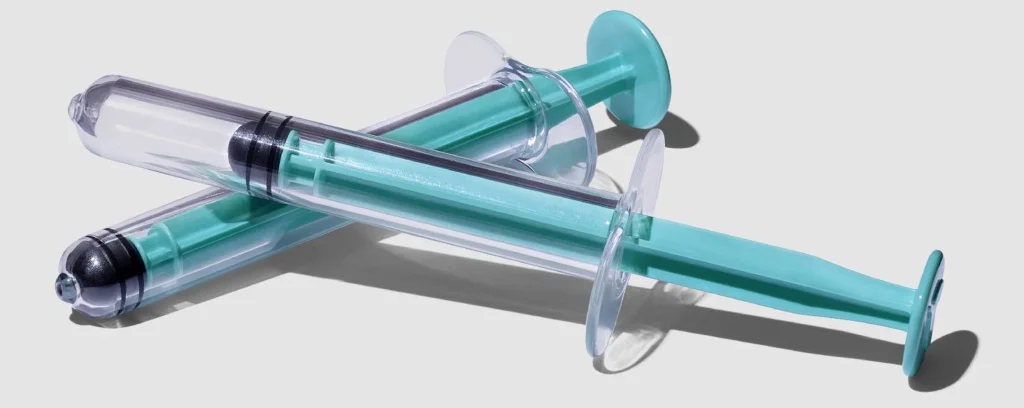
    Two transparent syringes with teal accents positioned diagonally on a light gray background.

    How Allergies Can Disrupt Cervical Mucus Balance

    Allergies can also alter the consistency of cervical mucus. Normally, cervical mucus is thin and watery, making it easier for sperm to swim through. However, allergies can cause the mucus to become thicker and stickier, making it harder for sperm to pass through. This can also decrease the chances of fertilization.

    Another effect of allergies on cervical mucus is changes in its quality. Cervical mucus is not just a simple fluid; it contains essential nutrients and antibodies that help to nourish and protect sperm. Allergies can alter the composition of cervical mucus, reducing its ability to provide these crucial components. This can affect the quality of sperm and decrease the chances of successful fertilization.

    Managing Allergies to Maintain Cervical Mucus Balance

    The key to maintaining a healthy cervical mucus balance in the face of allergies is to manage the allergies effectively. This may involve identifying and avoiding triggers, taking medication to control symptoms, and making lifestyle changes to reduce exposure to allergens. It is also essential to consult with a healthcare professional for proper diagnosis and treatment of allergies.

    In addition to managing allergies, there are also steps you can take to support cervical mucus production and balance. Staying hydrated, eating a healthy and balanced diet, and taking supplements such as vitamin C and omega-3 fatty acids can help to promote healthy cervical mucus production. It is also essential to maintain good overall reproductive health through regular exercise, stress management, and avoiding harmful substances like tobacco and excessive alcohol.

    Summarizing the Impact of Allergies on Cervical Mucus Balance

    Allergies can significantly disrupt cervical mucus balance, affecting the quantity, consistency, and quality of this vital fluid. This can have a significant impact on fertility and overall reproductive health. By managing allergies effectively and taking steps to support cervical mucus production, it is possible to maintain a healthy balance and increase the chances of successful conception.

    In conclusion, allergies can have a far-reaching impact on our health, including our reproductive health. By understanding the connection between allergies and cervical mucus balance, we can take steps to manage allergies and support healthy cervical mucus production. Consult with a healthcare professional for proper diagnosis and treatment of allergies, and make lifestyle changes to promote overall reproductive health.