Tag: Reproductive Health

  • Cervical Mucus and Ovulation: What Men Need to Know

    Cervical mucus and ovulation are two important factors in a woman’s menstrual cycle and fertility. While many people may think that these topics only concern women, it is important for men to also have a basic understanding of them. Cervical mucus plays a crucial role in allowing sperm to reach and fertilize an egg, while ovulation is the process of releasing an egg from the ovary. In this blog post, we will explore the connection between cervical mucus and ovulation and why men need to know about them.

    Understanding Cervical Mucus

    Cervical mucus is a fluid secreted by the cervix, the narrow passage at the lower end of the uterus. It can be described as a thin, slippery, and stretchy substance that changes in consistency throughout a woman’s menstrual cycle. The amount, texture, and color of cervical mucus can indicate where a woman is in her cycle and whether she is fertile.

    During the menstrual cycle, the cervix produces different types of mucus. In the days following the end of a woman’s period, there is usually little to no mucus present. As the cycle progresses, the amount of mucus increases and becomes thicker, creamier, and stickier. This type of mucus is not ideal for sperm to swim through and survive.

    However, as a woman approaches ovulation, her body produces a different type of mucus known as fertile cervical mucus. This mucus is thin, watery, and stretchy, similar to the consistency of egg whites. It helps to create a hospitable environment for sperm to swim through and reach the egg in the fallopian tubes. Fertile cervical mucus also provides the sperm with nourishment and protects them from the acidic environment of the vagina.

    Ovulation and Its Significance

    Ovulation is the process of releasing an egg from the ovary. It usually occurs around the middle of a woman’s menstrual cycle, typically between day 11 and day 21 for a 28-day cycle. However, this can vary from woman to woman and can also be affected by factors such as stress, illness, or lifestyle habits.

    logo featuring a pink heart above two teal leaves on a blue circular background

    Cervical Mucus and Ovulation: What Men Need to Know

    Ovulation is a crucial step in the reproductive process as it is the only time during a woman’s cycle when she can get pregnant. If an egg is not fertilized within 24 hours of ovulation, it will disintegrate, and the lining of the uterus will shed, resulting in a woman’s period.

    Why Men Need to Know About Cervical Mucus and Ovulation

    It takes two to make a baby, so it is essential for men to have a basic understanding of cervical mucus and ovulation. By knowing this information, men can be more involved in the reproductive process and better support their partner on their journey to conception.

    Firstly, men need to understand that fertile cervical mucus is crucial for sperm to reach and fertilize an egg. Without it, sperm would not survive in the acidic environment of the vagina. Therefore, it is important for men to be aware of when their partner is in her fertile window, which is the few days leading up to ovulation when fertile cervical mucus is present.

    Secondly, understanding ovulation can also help men make informed decisions about contraception. While many methods of birth control focus on preventing sperm from reaching the egg, some methods work by preventing ovulation. By knowing when ovulation occurs, men can have a clearer understanding of how these methods work and choose the best option for them and their partner.

    Lastly, being aware of cervical mucus and ovulation can also help men support their partner’s fertility journey. By tracking a woman’s menstrual cycle and observing the changes in cervical mucus, men can help their partner pinpoint the most fertile days of their cycle. They can also offer emotional support and understanding during the ups and downs of trying to conceive.

    In conclusion, cervical mucus and ovulation are two essential factors in a woman’s menstrual cycle and fertility. Men need to have a basic understanding of these topics to support their partner and be more involved in the reproductive process. By knowing when ovulation occurs and the role of cervical mucus in fertilization, men can better support their partner’s fertility journey and make informed decisions about contraception.

    SEO metadata:

  • The Impact of Stress on Cervical Mucus and Ovulation

    Blog Post:

    Stress is a common and often unavoidable part of daily life. Whether it’s caused by work, relationships, or other external factors, stress can have a significant impact on our physical and mental well-being. One area that is often overlooked when it comes to the effects of stress is our reproductive health. In particular, stress can have a profound impact on cervical mucus and ovulation, two crucial components of the female reproductive cycle. In this blog post, we will explore the connection between stress and cervical mucus and ovulation, and how managing stress can improve fertility and overall reproductive health.

    Understanding Cervical Mucus and Ovulation:

    Before we delve into the effects of stress, it’s essential to understand the role of cervical mucus and ovulation in the female reproductive cycle. Cervical mucus is a fluid produced by the cervix that plays a crucial role in fertility. It provides a hospitable environment for sperm to survive and swim towards the egg, and also helps filter out any abnormal sperm. As a woman approaches ovulation, her cervical mucus becomes thinner, clearer, and more stretchy, making it easier for sperm to travel through the cervix.

    Ovulation is the process in which a mature egg is released from the ovary and travels down the fallopian tube, where it can potentially be fertilized by sperm. This usually occurs around day 14 of a 28-day menstrual cycle. Ovulation is a critical part of the female reproductive cycle, and any disruption to this process can affect a woman’s ability to conceive.

    The Impact of Stress on Cervical Mucus:

    Stress can have a significant impact on cervical mucus production and quality. When a person is under stress, the body releases a hormone called cortisol, which can interfere with the production of cervical mucus. High levels of cortisol can lead to a decrease in the amount of cervical mucus produced, making it harder for sperm to reach the egg.

    Moreover, stress can also affect the quality of cervical mucus. Instead of being thin, clear, and stretchy, it may become thick, cloudy, and sticky, making it difficult for sperm to swim through. This can significantly decrease the chances of fertilization and conception.

    The Impact of Stress on Ovulation:

    In addition to affecting cervical mucus, stress can also disrupt ovulation. The hypothalamus, a small gland in the brain responsible for regulating the menstrual cycle, is sensitive to stress. When a person is under a significant amount of stress, the hypothalamus may not function properly, leading to a delay or disruption in ovulation.

    comparison of Mosie syringe opening versus standard syringe opening with text highlighting benefits

    The Impact of Stress on Cervical Mucus and Ovulation

    Moreover, high levels of stress can also affect the production and balance of other hormones involved in ovulation, such as luteinizing hormone (LH) and follicle-stimulating hormone (FSH). This can lead to irregular or absent ovulation, making it challenging to predict the fertile window and conceive.

    Managing Stress to Improve Fertility:

    Given the significant impact of stress on cervical mucus and ovulation, it’s essential for women trying to conceive to manage their stress levels effectively. Here are some ways to reduce stress and improve fertility:

    1. Practice relaxation techniques: Techniques like deep breathing, meditation, and yoga can help reduce stress and promote relaxation.

    2. Exercise regularly: Regular physical activity can help release endorphins, which are natural stress-fighting hormones, and improve overall well-being.

    3. Prioritize self-care: Taking care of yourself and your needs is crucial for managing stress. Make time for activities you enjoy, and don’t hesitate to seek support from friends, family, or a therapist.

    4. Avoid overworking: It’s easy to get caught up in work and forget to take breaks. Set boundaries and try to limit your workload to avoid burnout.

    5. Get enough sleep: Quality sleep is essential for managing stress and maintaining overall health. Aim for 7-9 hours of uninterrupted sleep each night.

    Conclusion:

    Stress can have a significant impact on cervical mucus and ovulation, two crucial components of the female reproductive cycle. High levels of stress can reduce the quantity and quality of cervical mucus, making it harder for sperm to reach the egg. It can also disrupt ovulation, leading to irregular or absent periods and making it challenging to conceive. By managing stress effectively, women can improve their fertility and increase their chances of conception.

    In summary, stress can negatively affect cervical mucus and ovulation, leading to difficulties in conception. It’s essential to manage stress levels to improve reproductive health and fertility. Practicing relaxation techniques, exercising regularly, prioritizing self-care, avoiding overworking, and getting enough sleep are all effective ways to reduce stress and promote reproductive well-being.

  • Cervical Mucus Color and Consistency: What It Says About Your Fertility

    Cervical mucus, also known as cervical fluid, is a natural substance produced by the cervix that plays a crucial role in a woman’s reproductive system. It acts as a protective barrier against bacteria and other foreign particles, as well as a medium for sperm to travel through to reach the egg. Cervical mucus can also provide valuable insights into a woman’s fertility and overall reproductive health. In this blog post, we will explore the different colors and consistencies of cervical mucus and what they can tell us about a woman’s fertility.

    Normal vs. Abnormal Cervical Mucus

    Before diving into the various colors and consistencies of cervical mucus, it’s essential to understand what is considered normal and what may be a sign of a potential issue. Normal cervical mucus is typically clear or white in color, has a stretchy and slippery consistency, and is odorless. It may also change in consistency throughout a woman’s menstrual cycle, becoming more watery and abundant around ovulation.

    On the other hand, abnormal cervical mucus can be a sign of an underlying health issue. Some factors that can affect cervical mucus include hormonal imbalances, infections, and certain medications. Abnormal cervical mucus may present itself in different colors and consistencies, which we will explore in more detail below.

    White or Creamy Cervical Mucus

    White or creamy cervical mucus is considered normal and is most commonly observed after a woman’s menstrual period. It may also be present during the early stages of pregnancy, as the body produces more estrogen and progesterone, which can result in thicker and more abundant mucus. However, if this type of mucus is accompanied by a foul odor or itching, it may be a sign of a yeast or bacterial infection, and a doctor should be consulted.

    Clear and Stretchy Cervical Mucus

    Clear and stretchy cervical mucus is often referred to as “egg white” mucus due to its resemblance to raw egg whites. This type of mucus is considered fertile cervical mucus, as it indicates that a woman is approaching ovulation. It is a sign that estrogen levels are rising, causing the mucus to become more abundant and stretchy, making it easier for sperm to travel through the cervix. This type of mucus is ideal for conception, as it helps keep sperm alive and provides a suitable environment for fertilization to occur.

    Watery Cervical Mucus

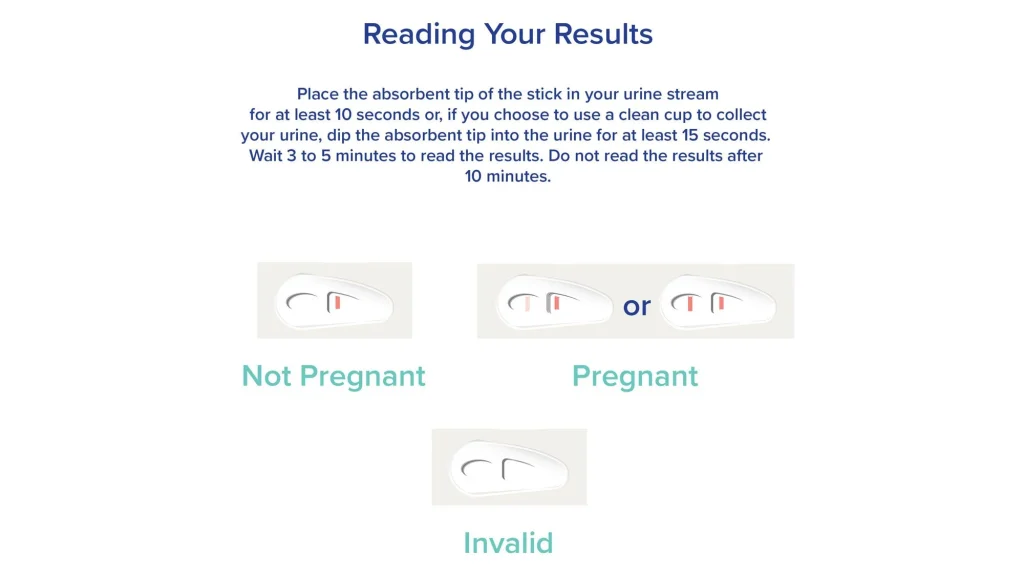
    Instructions for reading pregnancy test results with visual indicators for "Not Pregnant," "Pregnant," and "Invalid.

    Cervical Mucus Color and Consistency: What It Says About Your Fertility

    As ovulation approaches, cervical mucus may become more watery and abundant. It is less stretchy than clear and stretchy mucus and has a consistency similar to water. This type of mucus helps sperm swim through the cervix more easily and can also indicate that ovulation is imminent.

    Yellow or Green Cervical Mucus

    Yellow or green cervical mucus can be a sign of infection, particularly if accompanied by a foul odor or itching. It may be a sign of a sexually transmitted infection, such as gonorrhea or chlamydia, or a bacterial infection. Infections can affect the quality and quantity of cervical mucus, making it more difficult for sperm to reach the egg. Therefore, if you experience this type of mucus, it’s essential to consult a doctor for proper diagnosis and treatment.

    Pink or Brown Cervical Mucus

    Pink or brown cervical mucus may occur due to implantation bleeding, which can happen when a fertilized egg attaches to the uterine lining. This type of mucus is usually light and may only be present for a day or two. If it persists or is accompanied by cramping, it may be a sign of a more serious issue, and a doctor should be consulted.

    Thick and Sticky Cervical Mucus

    Thick and sticky cervical mucus is typically observed in the days leading up to a woman’s period. It may be white, yellow, or cloudy in color and can indicate that the body is not producing enough estrogen. This can make it more challenging for sperm to survive and reach the egg. Additionally, thick and sticky mucus can be a sign of a hormonal imbalance, which can affect a woman’s fertility.

    Summary:

    Cervical mucus is a natural substance produced by the cervix that plays a crucial role in a woman’s reproductive system. It serves as a protective barrier against bacteria and foreign particles, as well as a medium for sperm to travel through to reach the egg. Normal cervical mucus is typically clear or white, stretchy and slippery, and odorless. However, abnormal cervical mucus can be a sign of an underlying health issue, such as hormonal imbalances or infections. The different colors and consistencies of cervical mucus can provide valuable insights into a woman’s fertility and overall reproductive health. It’s essential to pay attention to changes in cervical mucus and consult a doctor if there are any concerns.

  • Cervical Mucus Changes Throughout the Menstrual Cycle: What’s Normal and What’s Not

    Blog Post:

    The menstrual cycle is a complex and important process that occurs in the female body. One of the key changes that takes place during this cycle is the production and changes in cervical mucus. Cervical mucus is a fluid secreted by the cervix that plays a crucial role in fertility and overall vaginal health. Understanding the changes in cervical mucus throughout the menstrual cycle can help women better track their fertility and detect any potential issues. In this blog post, we will dive into the topic of cervical mucus changes throughout the menstrual cycle, what is considered normal, and what could be a cause for concern.

    What is Cervical Mucus?

    Before we dive into the changes that occur in cervical mucus throughout the menstrual cycle, it is important to understand what cervical mucus is and its purpose. Cervical mucus is a fluid secreted by the cervix, the opening of the uterus, and it lines the cervical canal. It is produced by the glands in the cervix and its consistency and texture are influenced by hormonal changes in the body.

    The main function of cervical mucus is to protect the reproductive organs from bacteria and other foreign substances. It also helps to transport sperm from the vagina to the uterus and acts as a nourishing medium for sperm to survive. Additionally, cervical mucus helps to regulate the pH balance in the vagina, which is crucial for maintaining a healthy vaginal environment.

    Changes in Cervical Mucus Throughout the Menstrual Cycle:

    The menstrual cycle is divided into different phases, each with its own characteristic changes in cervical mucus. These changes are controlled by the hormones estrogen and progesterone, which are responsible for preparing the body for pregnancy. Let’s take a closer look at the changes in cervical mucus throughout the menstrual cycle:

    1. Menstruation Phase:

    The menstrual phase is the first phase of the menstrual cycle and is characterized by the shedding of the uterine lining. During this phase, cervical mucus is minimal, and it may appear dry or sticky. This is due to the low levels of estrogen and progesterone in the body.

    2. Follicular Phase:

    The follicular phase is the second phase of the menstrual cycle and is also known as the pre-ovulation phase. During this phase, estrogen levels start to rise, causing the cervical mucus to become more abundant, watery, and stretchy. This type of cervical mucus is ideal for sperm to travel through and can help in achieving pregnancy.

    3. Ovulation Phase:

    The ovulation phase is the most fertile phase of the menstrual cycle and occurs around day 14 in a 28-day cycle. During this phase, there is a surge in estrogen levels, causing the cervical mucus to become even more abundant, slippery, and stretchy. This type of cervical mucus is known as “egg white” mucus and is the most conducive for sperm to travel through and fertilize an egg.

    4. Luteal Phase:

    logo of mosie baby featuring a heart and leaf design in blue, pink, and green colors

    Cervical Mucus Changes Throughout the Menstrual Cycle: What's Normal and What's Not

    The luteal phase is the final phase of the menstrual cycle and occurs after ovulation. During this phase, progesterone levels rise, causing a thickening of the cervical mucus. It becomes less abundant, thicker, and stickier, creating a barrier for sperm to travel through. This is the body’s way of preparing for a possible pregnancy by creating a protective environment in the uterus.

    What’s Normal and What’s Not:

    Now that we have a better understanding of the changes in cervical mucus throughout the menstrual cycle, let’s discuss what is considered normal and what could be a cause for concern:

    1. Changes in Consistency:

    As mentioned earlier, the consistency of cervical mucus changes throughout the menstrual cycle. These changes are normal and indicate that the body is functioning properly. However, if there are sudden and drastic changes in the consistency of cervical mucus, it could be a sign of an underlying issue, such as an infection or hormonal imbalance.

    2. Changes in Color:

    Cervical mucus is typically clear or white in color. However, during ovulation, it may appear more transparent and have a stretchy, egg white-like consistency. If there is a change in color, such as yellow, green, or gray, it could be a sign of an infection and medical attention should be sought.

    3. Changes in Smell:

    Cervical mucus has a natural, mild odor. However, if there is a strong or foul smell, it could be a sign of an infection or other underlying medical condition.

    4. Absence of Cervical Mucus:

    Some women may not experience any cervical mucus at all during their menstrual cycle, and this is considered normal for them. However, if a woman has previously had a regular amount of cervical mucus and suddenly experiences a complete absence of it, it could be a sign of a hormonal imbalance or a blockage in the cervix.

    In conclusion, understanding the changes in cervical mucus throughout the menstrual cycle can help women better track their fertility and detect any potential issues. It is important to pay attention to any sudden or abnormal changes in consistency, color, or smell of cervical mucus and seek medical advice if necessary. By understanding what is normal and what is not, women can take control of their reproductive health and maintain a healthy menstrual cycle.

    Summary:

    Cervical mucus is a fluid secreted by the cervix that plays a crucial role in fertility and overall vaginal health. Its consistency and texture change throughout the menstrual cycle, and these changes are controlled by the hormones estrogen and progesterone. The four phases of the menstrual cycle, namely menstruation, follicular, ovulation, and luteal, have their own characteristic changes in cervical mucus. It is important to pay attention to any sudden or abnormal changes in consistency, color, or smell of cervical mucus, as it could be a sign of an underlying issue. By understanding what is normal and what is not, women can take control of their reproductive health and maintain a healthy menstrual cycle.

  • How to Improve Cervical Mucus Quality for Better Ovulation Tracking

    Cervical mucus, also known as cervical fluid, is a crucial part of a woman’s reproductive health. It plays a vital role in helping sperm reach the egg and increasing the chances of pregnancy. However, many women struggle with poor quality cervical mucus, which can make it difficult to track ovulation accurately. In this blog post, we will discuss how to improve cervical mucus quality for better ovulation tracking.

    What is Cervical Mucus?

    Cervical mucus is a fluid produced by the cervix, the lower part of the uterus that connects to the vagina. It changes in consistency and amount throughout a woman’s menstrual cycle, under the influence of the hormones estrogen and progesterone. The consistency and quality of cervical mucus can help determine the most fertile days in a woman’s cycle.

    Why is Cervical Mucus Quality Important?

    Cervical mucus is essential for conception as it helps sperm reach the egg. Sperm can survive in the body for up to five days, but they need a healthy and fertile environment to survive and swim towards the egg. The quality of cervical mucus can significantly affect the sperm’s journey, making it more challenging for them to reach the egg. Poor quality cervical mucus can also hinder the sperm’s ability to fertilize the egg, reducing the chances of pregnancy.

    How to Improve Cervical Mucus Quality?

    1. Stay Hydrated

    Drinking plenty of water and staying hydrated is crucial for improving cervical mucus quality. Dehydration can cause the cervical mucus to become thick and sticky, making it difficult for sperm to swim through. Aim to drink at least eight glasses of water a day and avoid dehydrating beverages such as caffeine and alcohol.

    2. Eat a Healthy Diet

    A healthy and balanced diet is essential for overall health, including reproductive health. Foods that are rich in omega-3 fatty acids, such as salmon, flaxseeds, and walnuts, can help improve cervical mucus quality. Other foods that can benefit cervical mucus include avocado, olive oil, and leafy greens.

    3. Take Fertility Supplements

    Certain supplements can help improve cervical mucus quality. These include vitamin C, which helps maintain a healthy immune system and supports the production of collagen, a protein that makes up cervical mucus. Vitamin E can also help improve cervical mucus quality by increasing its elasticity.

    hands using a blue syringe to extract contents from a clear container for a home insemination kit

    How to Improve Cervical Mucus Quality for Better Ovulation Tracking

    4. Consider Using Pre-Seed

    Pre-Seed is a fertility-friendly lubricant that can mimic the consistency and pH level of cervical mucus. Unlike traditional lubricants, which can be harmful to sperm, Pre-Seed can provide a safe and fertile environment for sperm to swim through. It can also help increase sperm motility and improve the chances of conception.

    5. Avoid Certain Medications

    Some medications can interfere with cervical mucus production and quality. These include antihistamines, decongestants, and some antidepressants. If you are trying to conceive, it is essential to discuss any medications you are taking with your doctor to determine if they may be affecting your cervical mucus.

    6. Quit Smoking

    Smoking can significantly impact cervical mucus quality and fertility. It can damage the cervix and affect hormone levels, leading to poor quality cervical mucus. If you smoke and are trying to conceive, quitting smoking is crucial for improving your chances of pregnancy and overall reproductive health.

    7. Track Your Cervical Mucus

    Keeping track of your cervical mucus can help you identify patterns and determine when you are most fertile. There are different methods for tracking cervical mucus, such as the Billings Ovulation Method and the Creighton Model FertilityCare System. By monitoring the changes in your cervical mucus, you can better understand your fertile window and increase your chances of conception.

    8. Seek Medical Help

    If you have been trying to conceive for over a year without success, it may be time to seek medical help. A fertility specialist can perform tests to determine if there are any underlying issues affecting your cervical mucus quality. They can also provide you with personalized recommendations and treatments to improve your chances of conceiving.

    In conclusion, cervical mucus quality is crucial for fertility and ovulation tracking. By following these tips, you can improve your cervical mucus quality and increase your chances of conception. Remember to stay hydrated, eat a healthy diet, consider fertility supplements, and avoid harmful substances like smoking and certain medications. By taking care of your cervical mucus, you can take a step closer to achieving your dream of starting a family.

    SEO metadata:

  • The Connection Between Cervical Mucus and Fertility Problems

    Cervical mucus, also known as cervical fluid, is a natural substance secreted by the cervix that plays a crucial role in a woman’s reproductive health. It is often overlooked, but abnormalities in cervical mucus can be a major factor in fertility problems. In this blog post, we will explore the connection between cervical mucus and fertility problems and how understanding this link can help couples struggling to conceive.

    The Role of Cervical Mucus in Fertility

    Cervical mucus is produced by the cells in the cervix and is influenced by hormonal changes throughout a woman’s menstrual cycle. It acts as a protective barrier for the uterus, preventing bacteria and other harmful substances from entering. Additionally, cervical mucus plays a vital role in fertility by providing a hospitable environment for sperm to reach and fertilize an egg.

    During the beginning of the menstrual cycle, estrogen levels rise, causing the cervical mucus to become thin and stretchy. This type of mucus, known as fertile cervical mucus, helps sperm to swim easily through the cervix and into the uterus. As ovulation approaches, the amount of fertile cervical mucus increases, making it easier for sperm to reach the egg.

    After ovulation, progesterone levels rise and cause the cervical mucus to become thick and sticky, creating a barrier that prevents sperm from entering the cervix. This is known as infertile cervical mucus and helps to protect the uterus from any foreign substances that could harm a potential pregnancy.

    The Connection Between Cervical Mucus and Fertility Problems

    When there are abnormalities in cervical mucus production, it can lead to fertility problems for couples trying to conceive. One of the most common issues is a lack of fertile cervical mucus. Without enough fertile cervical mucus, sperm may not be able to reach the egg, or if it does, it may not survive long enough to fertilize it.

    A lack of fertile cervical mucus can be caused by various factors, including hormonal imbalances, certain medications, vaginal infections, and age. For example, women who have high levels of the hormone prolactin may have reduced cervical mucus production, which can affect their fertility. Additionally, certain medications, such as antihistamines, can also dry up cervical mucus.

    pregnancy test kit features labeled for comfort and confidence on a teal background

    The Connection Between Cervical Mucus and Fertility Problems

    On the other hand, having too much infertile cervical mucus can also be problematic. If the cervical mucus is too thick and sticky, it can create a barrier that prevents sperm from reaching the egg, even during the most fertile time of the menstrual cycle. This can be caused by hormonal imbalances or vaginal infections.

    How to Improve Cervical Mucus for Better Fertility

    If you are experiencing fertility problems due to abnormalities in your cervical mucus, there are steps you can take to improve it. The first step is to track your menstrual cycle and monitor changes in your cervical mucus. By doing so, you can identify any patterns or irregularities that may be affecting your fertility.

    If you notice that you have a lack of fertile cervical mucus, there are natural remedies that can help increase its production. These include staying hydrated, consuming foods rich in vitamin C and zinc, and taking supplements such as evening primrose oil or guaifenesin. It is crucial to consult with your doctor before trying any new supplements to make sure they are safe for you.

    On the other hand, if you have an excess of infertile cervical mucus, your doctor may recommend medications to balance your hormones or treat any infections. In some cases, intrauterine insemination (IUI) or in vitro fertilization (IVF) may be necessary to bypass the cervical mucus barrier and achieve pregnancy.

    In conclusion, cervical mucus plays a significant role in a woman’s fertility. Any abnormalities in its production can lead to fertility problems and make it difficult for couples to conceive. By understanding the connection between cervical mucus and fertility problems, and taking steps to improve cervical mucus, couples can increase their chances of conceiving and starting a family.

    Summary:

    Cervical mucus is a natural substance secreted by the cervix that plays a crucial role in fertility. It creates a hospitable environment for sperm to reach and fertilize an egg. However, abnormalities in cervical mucus production can lead to fertility problems. A lack of fertile cervical mucus can prevent sperm from reaching the egg, while too much infertile cervical mucus can create a barrier. To improve cervical mucus for better fertility, it is essential to track your menstrual cycle, stay hydrated, and consume foods rich in vitamin C and zinc. Medication and assisted reproductive techniques may also be necessary in some cases.

  • Cervical Mucus and Ovulation: The Key to Natural Family Planning

    Cervical mucus and ovulation are two essential components of a woman’s fertility cycle. Understanding these two factors can be the key to natural family planning, a method of birth control that relies on tracking and understanding a woman’s menstrual cycle to either achieve or avoid pregnancy. Many women are turning to natural family planning as a safe, non-invasive, and effective way to manage their reproductive health. In this blog post, we will dive deep into the topic of cervical mucus and ovulation and how they can be used to monitor and track fertility for natural family planning.

    First, let’s start with the basics. What is cervical mucus and why is it important? Cervical mucus is a fluid secreted by the cervix, the lower part of the uterus that connects to the vagina. Its main function is to help sperm travel through the vagina and into the uterus to fertilize an egg. As a woman goes through her menstrual cycle, the amount, texture, and quality of cervical mucus changes. These changes are directly related to ovulation, the process where a mature egg is released from the ovary and can potentially be fertilized by sperm.

    The cervical mucus changes throughout the menstrual cycle due to the hormones estrogen and progesterone. In the first half of the cycle, estrogen levels rise, causing the cervix to produce more mucus. This mucus is typically clear, slippery, and stretchy – similar to egg whites. This type of mucus is known as “fertile” mucus and indicates that a woman is approaching ovulation. As ovulation approaches, the mucus becomes thinner and more alkaline, creating an ideal environment for sperm to survive and swim towards the egg.

    After ovulation, the hormone progesterone takes over, causing the mucus to become thicker and less hospitable to sperm. This mucus is known as “infertile” mucus and indicates that a woman is no longer fertile. The presence of infertile mucus can also act as a barrier, preventing sperm from entering the uterus and fertilizing an egg. This is nature’s way of allowing the body to prepare for a potential pregnancy or to shed the uterine lining during menstruation if fertilization does not occur.

    Now that we understand the role of cervical mucus, let’s talk about ovulation. As mentioned earlier, ovulation is the release of a mature egg from the ovary. This process usually occurs around day 14 of a 28-day menstrual cycle, but can vary from woman to woman and cycle to cycle. Ovulation is triggered by a surge in luteinizing hormone (LH), which is detected by ovulation predictor kits (OPKs) or can be tracked through basal body temperature (BBT) charting. The egg released during ovulation is only viable for 12-24 hours, so timing is crucial for natural family planning.

    Hands holding a syringe and a small container against a blue background.

    Cervical Mucus and Ovulation: The Key to Natural Family Planning

    So how can understanding cervical mucus and ovulation help with natural family planning? By tracking the changes in cervical mucus and using other fertility awareness methods, women can identify their fertile window, the time when they are most likely to get pregnant if they have unprotected sex. This window usually starts a few days before ovulation and ends a day or two after ovulation. By avoiding intercourse during this time, natural family planning can be an effective method of birth control.

    On the other hand, if a woman is trying to conceive, knowing the signs of fertility can help pinpoint the best time to have intercourse for a higher chance of pregnancy. By tracking cervical mucus, BBT, and other fertility signs, women can identify their most fertile days and increase their chances of conception.

    One of the biggest advantages of natural family planning is that it is completely natural and hormone-free. Unlike hormonal birth control methods, which can have side effects and potential health risks, natural family planning relies on a woman’s own body and her ability to track and understand her fertility signs. This makes it a popular choice for women who are looking for a more natural and holistic approach to birth control.

    Additionally, natural family planning can also be used to monitor reproductive health. Changes in cervical mucus can indicate potential issues with ovulation or hormone levels, giving women a heads up to seek medical advice if needed. Similarly, irregularities in menstrual cycles can also be identified through tracking and may indicate underlying health concerns that need to be addressed.

    In conclusion, cervical mucus and ovulation are two crucial factors in a woman’s menstrual cycle and understanding them can be the key to natural family planning. By tracking and interpreting these signs, women can effectively manage their fertility and either achieve or avoid pregnancy without the use of hormonal birth control. It is important to note that natural family planning may not be suitable for everyone and it is always best to consult with a healthcare professional before making any decisions about birth control.

    In summary, cervical mucus and ovulation are essential components of a woman’s fertility cycle. Changes in cervical mucus and ovulation can be tracked and used for natural family planning, a method of birth control that relies on understanding and interpreting these signs. This blog post delved into the basics of cervical mucus and ovulation, how they are related to the menstrual cycle, and how they can be used for both contraception and conception. Natural family planning is a safe, hormone-free, and effective option for managing reproductive health, but it is important to consult with a healthcare professional before making any decisions.

  • Fertility Friend or Foe? How Cervical Mucus Can Help or Hinder Ovulation

    Fertility Friend or Foe? Cervical Mucus and Ovulation

    When it comes to tracking our fertility, there are many tools and methods available. From ovulation predictor kits to basal body temperature tracking, there are numerous ways to try and pinpoint the most fertile days of our menstrual cycle. However, one often overlooked but extremely important factor is cervical mucus. Yes, that slimy, sticky substance that we usually try to avoid is actually a key player in our fertility journey. In this blog post, we will take a closer look at cervical mucus and how it can either help or hinder ovulation, making it our fertility friend or foe.

    Understanding Cervical Mucus

    Cervical mucus is a fluid produced by the cervix, the opening of the uterus. It plays a crucial role in the reproductive process by helping sperm reach the egg. The consistency and quality of cervical mucus change throughout the menstrual cycle due to hormonal fluctuations. Right after menstruation, the cervix produces little to no mucus, creating a dry sensation. As ovulation approaches, estrogen levels rise, causing the cervix to produce more mucus. This mucus is typically thin, slippery, and clear, making it easier for sperm to swim through. After ovulation, the mucus becomes thick and sticky, making it harder for sperm to travel.

    Fertility Friend: How Cervical Mucus Can Help Ovulation

    Cervical mucus can be a valuable tool in tracking ovulation and increasing the chances of conception. By paying attention to the changes in cervical mucus, women can identify their most fertile days and time intercourse accordingly. When the cervical mucus is thin, slippery, and clear, it indicates that ovulation is approaching, and it is the best time to try to conceive. This type of mucus can also help sperm survive longer inside the female reproductive tract, increasing the chances of fertilization.

    Moreover, tracking cervical mucus can also provide insights into the overall health of the reproductive system. Changes in the quality and quantity of cervical mucus can signal hormonal imbalances or other underlying issues that may affect fertility. By keeping a record of cervical mucus, women can identify potential issues and seek medical help if needed.

    Fertility Foe: How Cervical Mucus Can Hinder Ovulation

    While cervical mucus can be a helpful fertility friend, it can also become a foe. Certain factors can affect the quality and quantity of cervical mucus, making it harder for sperm to reach the egg. These factors include:

    1. Dehydration: When the body is dehydrated, it cannot produce enough cervical mucus, making it harder for sperm to swim through.

    2. Hormonal imbalances: Any fluctuations in hormones, such as thyroid disorders or polycystic ovary syndrome (PCOS), can affect the production of cervical mucus.

    3. Medications: Certain medications, such as antihistamines and decongestants, can dry up cervical mucus.

    4. Infections: Infections, such as yeast or bacterial vaginosis, can alter the pH balance in the vagina, affecting the quality of cervical mucus.

    Two transparent syringes with teal accents positioned diagonally on a light gray background.

    Fertility Friend or Foe? How Cervical Mucus Can Help or Hinder Ovulation

    5. Age: As women age, the quality and quantity of cervical mucus may decrease, making it harder to conceive.

    How to Improve Cervical Mucus for Optimal Fertility

    If you are trying to conceive and have noticed changes in your cervical mucus, there are some steps you can take to improve its quality. These include:

    1. Stay hydrated: Drink plenty of water throughout the day to ensure your body is producing enough cervical mucus.

    2. Take fertility-friendly supplements: Supplements such as omega-3 fatty acids, evening primrose oil, and vitamin C can help improve cervical mucus.

    3. Avoid certain foods: Foods that can thicken cervical mucus, such as dairy products and processed foods, should be limited or avoided.

    4. Consult with a doctor: If you suspect hormonal imbalances or underlying health issues, it is essential to consult with a doctor for proper diagnosis and treatment.

    5. Consider using a fertility-friendly lubricant: Some lubricants can alter the pH balance in the vagina, affecting the quality of cervical mucus. Using a fertility-friendly lubricant can help create a sperm-friendly environment.

    Using Fertility Friend or Foe: Cervical Mucus in Conjunction with Fertility Tracking Apps

    In today’s digital age, there are many fertility tracking apps available that can help women keep track of their menstrual cycle, ovulation, and other fertility-related data. These apps can also be a helpful tool in monitoring cervical mucus. For example, the app Fertility Friend allows users to input data on the consistency and quality of cervical mucus, giving a more accurate prediction of ovulation and fertile days. This can be particularly useful for women who may not be familiar with tracking cervical mucus manually.

    In conclusion, cervical mucus can be a valuable ally in our fertility journey. By understanding how it changes throughout the menstrual cycle and how it can help or hinder ovulation, we can use it to our advantage and increase our chances of conceiving. By paying attention to our cervical mucus and taking steps to improve its quality, we can harness its power and make it our fertility friend, rather than foe.

    Summary:

    Cervical mucus is a fluid produced by the cervix that plays a crucial role in the reproductive process. It changes throughout the menstrual cycle and can serve as a helpful tool in tracking ovulation and increasing the chances of conception. However, certain factors can affect the quality and quantity of cervical mucus, making it harder for sperm to reach the egg. To improve cervical mucus, women can stay hydrated, take fertility-friendly supplements, avoid certain foods, consult with a doctor, and consider using a fertility-friendly lubricant. Fertility tracking apps, such as Fertility Friend, can also be a useful tool in monitoring cervical mucus. By understanding and utilizing cervical mucus, we can make it our fertility friend rather than foe.

  • Cervical Mucus and Ovulation: What Your Body is Trying to Tell You

    Cervical mucus and ovulation are two vital aspects of a woman’s menstrual cycle that can provide important insights into her fertility and overall health. Many women may not pay much attention to these bodily functions, but understanding the changes in cervical mucus and ovulation can help women track their fertile window and increase their chances of getting pregnant. In this blog post, we will dive deeper into the world of cervical mucus and ovulation, and learn what our bodies are trying to tell us through these processes.

    Firstly, let’s understand what cervical mucus is and its role in the reproductive system. Cervical mucus is a fluid secreted by the cervix, the lower part of the uterus, which acts as a protective barrier between the vagina and the uterus. It also plays a crucial role in the transport and survival of sperm, making it an essential component for fertility.

    Throughout a woman’s menstrual cycle, cervical mucus goes through different changes in consistency, color, and amount. These changes are influenced by hormonal fluctuations and can provide valuable information about ovulation and fertility. During the beginning of the menstrual cycle, when estrogen levels are low, cervical mucus appears thick, sticky, and opaque, making it difficult for sperm to pass through. This type of mucus is called ‘infertile’ mucus, as it is not conducive to conception.

    As ovulation approaches, estrogen levels rise, causing the cervical mucus to become thinner, clearer, and stretchy, similar to the consistency of egg whites. This is known as ‘fertile’ mucus and is considered the most conducive for sperm survival and transportation. The fertile mucus makes it easier for sperm to swim through the vagina and into the cervix, increasing the chances of fertilization. Therefore, tracking changes in cervical mucus can help women determine their most fertile days and plan intercourse accordingly.

    Apart from aiding fertility, cervical mucus can also indicate various health issues. For instance, if the mucus appears yellow or green, it could be a sign of infection or inflammation in the reproductive organs. Pink or brown mucus may indicate bleeding, which could be due to hormonal imbalances, infections, or in rare cases, cervical cancer. It is essential to pay attention to any changes in cervical mucus and consult a doctor if necessary.

    Mosie Baby pregnancy test kit with two tests and packaging, featuring a mint green color scheme.

    Cervical Mucus and Ovulation: What Your Body is Trying to Tell You

    Now, let’s move on to ovulation, the process of releasing an egg from the ovary. Ovulation typically occurs around day 14 of a 28-day menstrual cycle, but it can vary from woman to woman. Ovulation is controlled by a complex interplay of hormones, primarily estrogen and luteinizing hormone (LH). As estrogen levels rise, it triggers a surge in LH, which causes the release of the mature egg from the ovary.

    One of the most common ways to track ovulation is by using an ovulation predictor kit, which detects the surge in LH in a woman’s urine. Another method is by monitoring basal body temperature (BBT), which rises slightly after ovulation due to the influence of progesterone, a hormone released by the ovary after ovulation. However, both these methods have their limitations and may not be accurate for all women.

    This is where cervical mucus comes into the picture again. As mentioned earlier, fertile mucus is a sign of approaching ovulation. By tracking changes in cervical mucus, a woman can identify her fertile days and increase her chances of conception. Moreover, the presence of fertile mucus indicates that ovulation has occurred or is about to occur, making it a more reliable indicator of ovulation.

    In addition to helping women track their fertile days, monitoring cervical mucus can also provide insights into hormonal imbalances and reproductive health. For instance, some women may experience an absence of fertile mucus or very little fertile mucus, which could indicate a hormonal imbalance or a potential problem with ovulation. Similarly, excessive or irregular cervical mucus can also be a sign of underlying health issues that require medical attention.

    In conclusion, cervical mucus and ovulation are two essential bodily functions that can provide valuable information about a woman’s fertility and reproductive health. Tracking changes in cervical mucus can help women identify their fertile days and increase their chances of conception. It can also serve as an indicator of hormonal imbalances and potential health issues, making it a crucial aspect of women’s health.

    In summary, cervical mucus is a fluid secreted by the cervix that changes in consistency and appearance throughout a woman’s menstrual cycle. These changes in cervical mucus can indicate ovulation and fertility, and also provide insights into overall reproductive health. Understanding and tracking cervical mucus can help women plan for pregnancy, identify potential health issues, and take necessary steps for their well-being.

  • The Impact of Hormones on Cervical Mucus and Ovulation

    The Impact of Hormones on Cervical Mucus and Ovulation

    Hormones play a crucial role in the female reproductive system, including the process of ovulation and fertility. One of the key factors in this process is cervical mucus, which is often overlooked but can have a significant impact on a woman’s ability to conceive. In this blog post, we will explore the relationship between hormones and cervical mucus, and how it affects ovulation and fertility.

    Understanding Cervical Mucus

    Before we dive into the role of hormones, it’s essential to understand what cervical mucus is and its function in the female reproductive system. Cervical mucus is a fluid produced by the cells in the cervix, the lower part of the uterus. It is a clear or slightly milky substance that changes in consistency and appearance throughout a woman’s menstrual cycle.

    The primary function of cervical mucus is to help sperm travel through the cervix into the uterus and fallopian tubes, where fertilization occurs. It also protects the sperm from the acidic environment of the vagina, providing a more hospitable environment for them to survive and reach the egg.

    The Role of Hormones

    Hormones are chemical messengers produced by the endocrine glands and released into the bloodstream, regulating various bodily functions. In the female reproductive system, hormones play a vital role in the menstrual cycle, including the production and maintenance of cervical mucus.

    Estrogen is the hormone responsible for the production of cervical mucus. As estrogen levels rise during the first half of the menstrual cycle, the cervical mucus becomes thin, watery, and stretchy, resembling the consistency of egg whites. This type of mucus is known as fertile cervical mucus and is crucial for sperm to survive and reach the egg for fertilization.

    On the other hand, progesterone, another hormone, is responsible for maintaining the quality of cervical mucus after ovulation. As progesterone levels increase, the mucus becomes thicker, stickier, and less hospitable to sperm, acting as a natural barrier to prevent pregnancy.

    The Impact on Ovulation

    Ovulation is the process of releasing an egg from the ovaries, which occurs in the middle of a woman’s menstrual cycle. It is a crucial step in the conception process, and the quality of cervical mucus plays a significant role in this process.

    at-home insemination kit by Mosie Baby, featuring syringes and containers for comfort and convenience.

    The Impact of Hormones on Cervical Mucus and Ovulation

    As mentioned earlier, fertile cervical mucus is essential for sperm to survive and reach the egg. If a woman’s cervical mucus is not of good quality, it can hinder sperm’s ability to travel through the cervix, making it difficult to conceive. Additionally, if there is no fertile cervical mucus present around the time of ovulation, the sperm may not survive long enough to fertilize the egg.

    Furthermore, the changes in cervical mucus consistency can also serve as an indicator of ovulation. As estrogen levels rise and fertile cervical mucus is produced, it can indicate that ovulation is near. This information can be helpful for couples trying to conceive, as it can help them time intercourse during the woman’s most fertile window.

    The Impact on Fertility

    Cervical mucus also plays a crucial role in fertility. If a woman’s cervical mucus is of poor quality, it can make it challenging to conceive, even if the couple has timed intercourse correctly. Poor cervical mucus can be caused by various factors, such as hormonal imbalances, medications, and certain health conditions.

    Additionally, hormonal imbalances can also affect ovulation and fertility. For example, conditions like polycystic ovary syndrome (PCOS) can cause an imbalance in estrogen and progesterone levels, leading to irregular or absent ovulation and poor quality cervical mucus.

    Furthermore, the use of hormonal birth control methods, such as the pill, can also impact cervical mucus and fertility. These methods work by preventing ovulation, and therefore, no fertile cervical mucus is produced. It can take some time for a woman’s natural hormone levels to regulate after stopping birth control, which can affect cervical mucus production and fertility.

    Improving Cervical Mucus

    If a woman is struggling with poor quality cervical mucus, there are some steps she can take to improve it. Staying hydrated and consuming a healthy, balanced diet can help maintain proper hydration levels and support hormone production. Additionally, certain supplements, such as evening primrose oil, can also help improve cervical mucus production and quality.

    Furthermore, seeking medical advice from a healthcare provider can help identify and address any underlying hormonal imbalances or health conditions that may be affecting cervical mucus and fertility.

    In conclusion, hormones have a significant impact on cervical mucus and ovulation. The production and quality of cervical mucus are tightly regulated by hormones, and any imbalances can affect a woman’s ability to conceive. By understanding the role of hormones in cervical mucus and fertility, women can take steps to improve their reproductive health and increase their chances of conceiving.

    Summary:

    Hormones play a critical role in the female reproductive system, including the process of ovulation and fertility. Cervical mucus, a fluid produced by the cervix, is essential for sperm to reach the egg for fertilization. Hormones, particularly estrogen and progesterone, regulate the production and quality of cervical mucus. Changes in cervical mucus consistency can also serve as an indicator of ovulation, and poor quality cervical mucus can make it difficult to conceive. Factors like hormonal imbalances, medications, and certain health conditions can affect cervical mucus and fertility. Taking steps such as staying hydrated, consuming a healthy diet, and seeking medical advice can help improve cervical mucus production and quality. Understanding the impact of hormones on cervical mucus and ovulation can help women take control of their reproductive health and increase their chances of conceiving.