Tag: trying to conceive

  • Navigating the TTC Journey: The Importance of an At-Home Conception Kit

    Navigating the TTC Journey: The Importance of an At-Home Conception Kit

    Trying to conceive can be a rollercoaster of emotions for many couples. Some are blessed with a quick and easy journey, while others face challenges and obstacles that can be overwhelming and stressful. No matter where you are in your TTC (trying to conceive) journey, having the right tools and resources can make all the difference. One tool that is gaining popularity and proving to be a valuable asset for couples is the at-home conception kit.

    In this blog post, we will explore the importance of an at-home conception kit and how it can help couples navigate their TTC journey.

    Understanding the TTC Journey

    Before we dive into the importance of an at-home conception kit, it’s essential to understand the TTC journey itself. Trying to conceive is a process that involves tracking ovulation, timing intercourse, and dealing with the emotional and physical toll that comes with it. For some couples, this journey can be months, even years, long and filled with both hope and disappointment.

    Tracking Ovulation

    One of the key components of the TTC journey is tracking ovulation. Ovulation is when a woman’s body releases an egg, and it’s the most fertile time of the menstrual cycle. To increase the chances of conception, couples need to have intercourse during this window of time. However, accurately tracking ovulation can be challenging and might require various methods such as monitoring basal body temperature, cervical mucus, and using ovulation predictor kits.

    Timing Intercourse

    Along with tracking ovulation, timing intercourse is crucial for couples trying to conceive. As mentioned earlier, having intercourse during the fertile window is essential, but it can also be stressful and challenging. Many factors can affect a couple’s ability to have intercourse during this time, such as work schedules, stress, and fatigue.

    Emotional and Physical Toll

    The TTC journey can take an emotional and physical toll on couples. The constant tracking and waiting can be exhausting and can lead to feelings of anxiety, disappointment, and frustration. Furthermore, the pressure to conceive can put a strain on the relationship and add additional stress to an already challenging journey.

    The Importance of an At-Home Conception Kit

    Now that we have a better understanding of the TTC journey let’s explore the importance of an at-home conception kit and how it can help couples navigate this journey.

    At-home insemination kit with syringes and collection cups on a teal background.

    Navigating the TTC Journey: The Importance of an At-Home Conception Kit

    Accurate Ovulation Tracking

    One of the most significant benefits of an at-home conception kit is its ability to accurately track ovulation. These kits use advanced technology to measure hormone levels in urine, giving couples a more precise understanding of when ovulation is occurring. This takes the guesswork out of tracking ovulation and allows couples to plan intercourse accordingly, increasing their chances of conception.

    Convenience and Privacy

    Another significant advantage of an at-home conception kit is its convenience and privacy. Many couples find it uncomfortable and awkward to discuss their TTC journey with healthcare professionals or even family and friends. An at-home conception kit eliminates the need for these conversations and allows couples to track ovulation and plan intercourse in the comfort and privacy of their own home.

    Cost-Effective Solution

    For couples who have been trying to conceive for an extended period, medical interventions such as fertility treatments can be costly. An at-home conception kit offers a more affordable option for couples to track ovulation and increase their chances of conceiving without breaking the bank.

    Reducing Stress and Anxiety

    As mentioned earlier, the TTC journey can be stressful and emotionally exhausting. An at-home conception kit can help reduce some of this stress by providing couples with a reliable and accurate method of tracking ovulation. This can eliminate the need for constant monitoring and alleviate the anxiety that comes with not knowing when the best time for conception may be.

    Empowerment and Control

    Using an at-home conception kit can also empower couples and give them a sense of control over their TTC journey. Instead of relying solely on medical professionals, couples can take an active role in tracking ovulation and planning intercourse. This sense of empowerment can be beneficial for couples who may feel helpless or frustrated during their TTC journey.

    In Conclusion

    The TTC journey can be a challenging and emotional time for couples, but having the right tools and resources can make all the difference. An at-home conception kit offers many benefits, including accurate ovulation tracking, convenience and privacy, cost-effectiveness, and reducing stress and anxiety. It can also empower couples and give them a sense of control over their journey. With its many advantages, an at-home conception kit is an essential tool for couples navigating their TTC journey.

    In summary, an at-home conception kit is a valuable asset for couples trying to conceive. It offers accurate ovulation tracking, convenience and privacy, cost-effectiveness, and can reduce stress and anxiety. It also empowers couples and gives them a sense of control over their TTC journey. With its many benefits, an at-home conception kit is an essential tool for couples navigating this emotional and challenging journey.

  • The Ultimate DIY Fertility Guide: The Top Components of an At-Home Conception Kit

    Blog Post Title: The Ultimate DIY Fertility Guide: The Top Components of an At-Home Conception Kit

    Summary:

    In today’s society, there are many couples who struggle with fertility issues, making it difficult for them to conceive. The process of trying to conceive can be emotionally, physically, and financially draining. However, with advancements in technology and medicine, there are now various options available to help increase the chances of conception. One of these options is using an at-home conception kit. In this blog post, we will discuss the top components of an at-home conception kit and how they can help improve your chances of getting pregnant.

    Component #1: Ovulation Predictor Kit (OPK)

    The first component of an at-home conception kit is an ovulation predictor kit (OPK). This kit contains urine test strips that can help predict the most fertile days in a woman’s menstrual cycle. These strips detect the presence of luteinizing hormone (LH) in the urine, which surges just before ovulation occurs. By tracking the LH surge, you can determine the best time to try and conceive. OPKs are easy to use, affordable, and can be purchased over-the-counter at most pharmacies.

    Component #2: Basal Body Temperature (BBT) Thermometer

    Another important component of an at-home conception kit is a basal body temperature (BBT) thermometer. This type of thermometer is used to track a woman’s basal body temperature, which is her body’s resting temperature. BBT rises after ovulation and stays elevated until the start of the next menstrual cycle. By tracking BBT, you can determine when ovulation has occurred and plan intercourse accordingly. BBT thermometers are easily available at drugstores and are relatively inexpensive.

    Component #3: Fertility Supplements

    Fertility supplements are another important component of an at-home conception kit. These supplements are made up of vitamins, minerals, and herbs that can help improve fertility in both men and women. For women, supplements like folic acid, iron, and vitamin D can help regulate menstrual cycles and improve egg quality. For men, supplements like zinc, vitamin C, and L-carnitine can improve sperm count, motility, and morphology. It is important to consult with a healthcare professional before taking any supplements to ensure they are safe for you.

    home insemination kit components: a syringe and a collection container against a blue background.

    The Ultimate DIY Fertility Guide: The Top Components of an At-Home Conception Kit

    Component #4: Lubricant

    Many couples are unaware that the type of lubricant they use during intercourse can affect their chances of conceiving. Traditional lubricants can be harmful to sperm and may impede their journey to the egg. That’s why it is important to use a fertility-friendly lubricant when trying to conceive. These lubricants are specially formulated to mimic the natural cervical mucus and support sperm motility. They are easily available at drugstores and can significantly increase the chances of fertilization.

    Component #5: Pregnancy Tests

    Of course, no at-home conception kit is complete without pregnancy tests. These tests use urine to detect the presence of human chorionic gonadotropin (hCG), a hormone produced during pregnancy. With advancements in technology, there are now early detection pregnancy tests available that can detect hCG as early as six days before a missed period. These tests can provide quick and accurate results in the comfort of your own home.

    Component #6: Fertility Tracker App

    In addition to physical components, technology has made it possible to track fertility through a smartphone app. These apps allow you to input your menstrual cycle, BBT, and other fertility-related data to generate a personalized fertility calendar. Some apps even come with additional features such as tracking ovulation symptoms, providing helpful tips, and connecting with a community of other trying-to-conceive couples.

    Component #7: Educational Resources

    Lastly, an at-home conception kit should also include educational resources. These can be in the form of books, online courses, or seminars that provide information on fertility, ovulation, and conception. These resources can help couples better understand their bodies and the process of conception, increasing their chances of a successful pregnancy. They can also provide emotional support and guidance for those going through the difficult journey of trying to conceive.

    In conclusion, an at-home conception kit can be a valuable tool for couples struggling with fertility issues. By including components such as an OPK, BBT thermometer, fertility supplements, lubricant, pregnancy tests, a fertility tracker app, and educational resources, these kits can greatly improve the chances of conception. However, it is important to remember that each couple’s journey is unique, and it is always recommended to seek professional medical advice when trying to conceive.

  • DIY Baby-Making: Exploring the Components of an At-Home Conception Support Kit

    Summary:

    Bringing a new life into the world is a beautiful and exciting experience. For many couples, trying to conceive can be a challenging and emotional journey. While medical interventions are available, some couples prefer to take a more natural approach to conception. That’s where DIY baby-making comes in.

    DIY baby-making is the process of using various methods and techniques to increase fertility and support the body’s natural ability to conceive. One crucial aspect of this process is having an at-home conception support kit. In this blog post, we will explore the components of an at-home conception support kit and their role in helping couples achieve their dream of starting a family.

    1. Ovulation Predictor Kits

    The first component of an at-home conception support kit is ovulation predictor kits (OPKs). These kits help determine the most fertile days of a woman’s menstrual cycle by detecting the surge of luteinizing hormone (LH) that happens before ovulation. By tracking ovulation, couples can time intercourse correctly and increase their chances of conception.

    2. Fertility Supplements

    Another essential component of an at-home conception support kit is fertility supplements. These supplements contain a blend of vitamins, minerals, and herbs that are known to support fertility and reproductive health. Some common ingredients in fertility supplements include folic acid, zinc, and CoQ10. These supplements can help balance hormones, improve egg quality, and enhance the overall health of the reproductive system.

    3. Basal Body Thermometer

    A basal body thermometer (BBT) is a sensitive thermometer that measures a woman’s body temperature upon waking up. Tracking BBT can help determine the time of ovulation, as a slight increase in temperature indicates that ovulation has occurred. BBT charting can also provide valuable information about the length and regularity of a woman’s cycle, which can be helpful in identifying any underlying fertility issues.

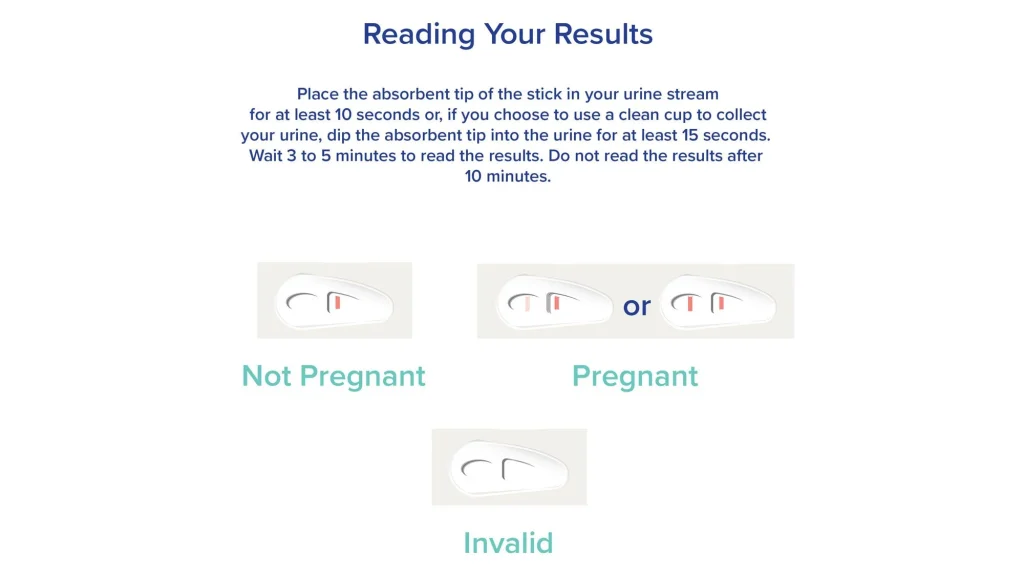
    Instructions for reading pregnancy test results with visual indicators for "Not Pregnant," "Pregnant," and "Invalid.

    DIY Baby-Making: Exploring the Components of an At-Home Conception Support Kit

    4. Conception-friendly Lubricant

    During ovulation, the cervical mucus becomes thinner and more alkaline to help sperm reach the egg. However, some couples may have trouble producing enough fertile cervical mucus, making it challenging for sperm to survive and reach the egg. That’s where conception-friendly lubricants come in. These lubricants mimic the properties of fertile cervical mucus and can improve sperm motility and survival.

    5. Stress-Relieving Items

    Trying to conceive can be a stressful experience for many couples. High levels of stress can affect hormone levels and interfere with ovulation. Therefore, it’s essential to include stress-relieving items in an at-home conception support kit. These can include meditation apps, essential oils, or even a calming tea to help relax the mind and body.

    6. Fertility Tracking Apps

    In today’s digital age, there are numerous fertility tracking apps available that can be used to monitor menstrual cycles, ovulation, and other fertility-related information. These apps can also be used to track symptoms and moods, providing a comprehensive overview of a woman’s cycle. By using a fertility tracking app, couples can identify patterns and make informed decisions about their fertility journey.

    7. Pregnancy Tests

    Finally, no at-home conception support kit would be complete without pregnancy tests. These tests can help determine if a couple has been successful in their baby-making efforts. It’s essential to have a few pregnancy tests on hand to avoid any unnecessary stress and to be prepared for the exciting news of a positive result.

    In conclusion, an at-home conception support kit is a valuable tool for couples who are trying to conceive naturally. By including these essential components in their kit, couples can track ovulation, improve fertility, reduce stress, and increase their chances of conceiving. However, it’s essential to remember that every couple’s fertility journey is unique, and it’s crucial to consult with a healthcare professional for personalized advice and guidance.

    SEO metadata:

  • Taking Control of Your Fertility: Why You Need an At-Home Conception Kit

    Summary:

    Taking control of your fertility is an important aspect of family planning and overall reproductive health. While there are various methods and tools available to help track and monitor fertility, at-home conception kits have become increasingly popular for their convenience and accuracy. In this blog post, we will discuss the benefits of using an at-home conception kit, how it works, and why it is an essential tool for anyone trying to conceive.

    Benefits of Using an At-Home Conception Kit:

    1. Convenience: The use of an at-home conception kit eliminates the need for frequent visits to the doctor’s office or fertility clinics. This can save both time and money, as well as provide privacy for those who may feel uncomfortable discussing their fertility with others.

    2. Cost-effective: Fertility treatments and clinic appointments can be expensive, making it difficult for some individuals or couples to afford. At-home conception kits are a more affordable option, making it accessible to a wider range of people.

    3. Accuracy: At-home conception kits use advanced technology to track and monitor fertility hormones in the body. This provides accurate and reliable results, giving individuals a better understanding of their fertility and increasing the chances of successful conception.

    4. Personalized approach: Each individual’s body and fertility journey is unique, and an at-home conception kit allows for a personalized approach. By tracking individual hormone levels, the kit can provide insight into ovulation patterns and fertile windows, making it easier to plan for conception.

    How Does an At-Home Conception Kit Work?

    guide and materials for using Mosie Baby fertility kit on a textured surface

    Taking Control of Your Fertility: Why You Need an At-Home Conception Kit

    At-home conception kits typically involve tracking fertility hormones through either urine or saliva samples. These hormones, such as luteinizing hormone (LH) and estrogen, fluctuate throughout a woman’s menstrual cycle and can provide valuable information about ovulation and fertility.

    Urine-based kits require the user to collect a urine sample and use a test strip or device to detect the presence of LH, which surges just before ovulation. Saliva-based kits use a small microscope or fertility monitor to examine dried saliva samples for the presence of ferning, a pattern that indicates high levels of estrogen and ovulation.

    Once the results are obtained, users can track their hormone levels and fertile window to determine the best time for conception. This personalized approach can increase the chances of successful conception and reduce the stress and uncertainty of trying to conceive.

    Why You Need an At-Home Conception Kit:

    1. Plan for pregnancy: Knowing your fertile window and ovulation patterns can help plan for pregnancy and increase the chances of conception. This is especially beneficial for individuals with irregular periods or those who have been trying to conceive for a while.

    2. Identify potential fertility issues: At-home conception kits can also help identify potential fertility issues, such as irregular ovulation or hormonal imbalances. This information can be shared with a doctor to determine the best course of action for fertility treatments.

    3. Take control of your reproductive health: By using an at-home conception kit, individuals can take control of their reproductive health and have a better understanding of their fertility. This can also help reduce the stress and anxiety that often comes with trying to conceive.

    4. Use in conjunction with other fertility methods: At-home conception kits can also be used in conjunction with other fertility methods, such as tracking basal body temperature or cervical mucus. This can provide a more comprehensive understanding of fertility and increase the chances of successful conception.

    In conclusion, an at-home conception kit is an essential tool for anyone trying to conceive. Its convenience, cost-effectiveness, and accuracy make it a valuable addition to any fertility journey. By taking control of your fertility and using an at-home conception kit, you can increase the chances of successful conception and have a better understanding of your reproductive health.

  • DIY Methods to Improve Your Odds of Getting Pregnant

    Blog Post:

    Trying to conceive can be a challenging and emotional journey for many couples. While some may have success right away, others may struggle for months or even years. If you’re looking to improve your odds of getting pregnant, there are some DIY methods you can try at home. These methods may not guarantee pregnancy, but they can certainly increase your chances. In this blog post, we will discuss some natural and cost-effective ways to improve your odds of getting pregnant.

    1. Know Your Fertile Window
    The first step in improving your odds of getting pregnant is knowing your fertile window. This is the time during your menstrual cycle when you are most likely to conceive. It usually occurs around the time of ovulation, which is when a mature egg is released from the ovary. To determine your fertile window, you can use an ovulation predictor kit or track your basal body temperature. Ovulation predictor kits detect the surge of luteinizing hormone (LH) in your urine, which happens 12-36 hours before ovulation. Tracking your basal body temperature involves taking your temperature every morning before getting out of bed. A slight increase in temperature indicates that ovulation has occurred.

    2. Optimize Your Diet
    A healthy and balanced diet is crucial for overall health, including fertility. Certain nutrients and vitamins can improve your chances of getting pregnant. These include folic acid, iron, and vitamin D. Folic acid is essential for fetal development and can reduce the risk of birth defects. Iron helps in the production of healthy eggs and sperm, and vitamin D is crucial for regulating hormones. Make sure to include foods like leafy greens, whole grains, lean proteins, and fruits and vegetables in your diet.

    3. Reduce Stress
    Stress can have a significant impact on your fertility. When you are stressed, your body produces higher levels of cortisol, which can interfere with ovulation and sperm production. It’s essential to find ways to manage stress, such as practicing yoga, meditation, or deep breathing exercises. You can also try acupuncture, which has been shown to reduce stress and improve fertility.

    4. Maintain a Healthy Weight
    Being underweight or overweight can affect your fertility. Women who are underweight may have irregular periods or stop ovulating altogether. On the other hand, being overweight can lead to hormonal imbalances and interfere with ovulation. Maintaining a healthy weight can improve your chances of getting pregnant. If you’re trying to conceive, speak to your doctor about a healthy weight range for your body.

    guide and materials for using Mosie Baby fertility kit on a textured surface

    DIY Methods to Improve Your Odds of Getting Pregnant

    5. Quit Smoking and Limit Alcohol
    Smoking and excessive alcohol consumption can have a negative impact on fertility. Both can damage eggs and sperm, making it challenging to conceive. Smoking also increases the risk of miscarriage and ectopic pregnancy. If you’re trying to get pregnant, it’s best to quit smoking and limit alcohol consumption to no more than one drink per day.

    6. Try Natural Supplements
    In addition to a healthy diet, certain natural supplements can improve fertility. These include CoQ10, which helps improve egg quality, and omega-3 fatty acids, which can increase blood flow to the reproductive organs. You can also try maca root, which is believed to regulate hormones and improve fertility in both men and women.

    7. Monitor Your Cervical Mucus
    Cervical mucus plays a vital role in fertility. It helps sperm travel to the egg and creates a hospitable environment for fertilization. By monitoring your cervical mucus, you can determine when you are most fertile. During ovulation, your cervical mucus will be thin, clear, and stretchy, resembling egg whites. Tracking your cervical mucus can help you time intercourse for the best chances of getting pregnant.

    8. Have Sex Regularly
    Having sex regularly, especially during your fertile window, can increase your odds of getting pregnant. While some couples may try to time intercourse for specific days, having sex every 2-3 days throughout the month can improve your chances. This ensures that sperm is always present in the reproductive tract and increases the likelihood of fertilization.

    9. Consider Alternative Methods
    If you’ve been trying to conceive for a while without success, you may want to consider alternative methods. These include intrauterine insemination (IUI) and in vitro fertilization (IVF). IUI involves placing sperm directly into the uterus, while IVF involves fertilizing eggs with sperm in a laboratory and then transferring the embryo into the uterus. Both methods can increase your chances of getting pregnant, but they can also be costly and may require medical assistance.

    In summary, improving your odds of getting pregnant can involve making simple lifestyle changes and monitoring your body’s signals. Knowing your fertile window, maintaining a healthy diet and weight, reducing stress, and quitting smoking and limiting alcohol can all increase your chances of conceiving naturally. You can also try natural supplements, monitor your cervical mucus, and have sex regularly. If these methods do not work, consider alternative methods with the guidance of a medical professional.

  • Creating a Conception Timeline: When to Start Trying and What to Expect

    Creating a Conception Timeline: When to Start Trying and What to Expect

    Having a baby is a life-changing event that many couples look forward to. However, starting a family is not always as easy as it seems. It is important to have a plan and a timeline in place when trying to conceive. This blog post will guide you through creating a conception timeline, including when to start trying and what to expect during the process.

    1. Start with Preconception Planning

    Before even thinking about trying to conceive, it is important to have a preconception plan in place. This includes talking to your doctor about any potential health concerns, taking prenatal vitamins, and making necessary lifestyle changes. It is also a good idea to discuss your plans with your partner and make sure you are both on the same page.

    2. Know Your Menstrual Cycle

    Understanding your menstrual cycle is crucial when trying to conceive. The average menstrual cycle is 28 days long, with ovulation occurring around day 14. However, every woman’s cycle is different, so it is important to track your cycle and know when you are most fertile. There are many apps and tools available to help you track your cycle, making it easier to plan for conception.

    3. Timing is Key

    Timing is everything when trying to conceive. The best time to have intercourse is during your fertile window, which is usually a few days before and after ovulation. This is when the egg is released from the ovary and is most likely to be fertilized by sperm. Tracking your menstrual cycle and knowing when you ovulate can help you plan for the best time to try for a baby.

    4. Stay Healthy

    Leading a healthy lifestyle is important when trying to conceive. This includes eating a balanced diet, exercising regularly, and avoiding harmful substances such as alcohol and tobacco. It is also recommended to limit caffeine intake and maintain a healthy weight. These healthy habits can increase your chances of conceiving and lead to a healthier pregnancy.

    5. Don’t Stress

    Trying to conceive can be a stressful process, but it is important to try and stay calm and relaxed. Stress and anxiety can have a negative impact on fertility, so finding ways to manage your stress levels is crucial. This could include practicing relaxation techniques, talking to a therapist, or taking up a hobby that you enjoy.

    6. Seek Help if Needed

    If you have been actively trying to conceive for over a year (or six months if you are over 35), it is recommended to seek help from a fertility specialist. They can conduct tests to identify any potential issues and provide guidance and treatment options to help you conceive. Early intervention can greatly increase your chances of getting pregnant.

    Hands holding a syringe and a small container against a blue background.

    Creating a Conception Timeline: When to Start Trying and What to Expect

    7. Be Patient

    Conceiving a baby can take time and it is important to be patient and not get discouraged. It is estimated that it takes the average couple 4-6 months to conceive, with some taking up to a year. It is normal to experience a range of emotions during this process, but it is important to remember that it is a journey and to stay positive.

    What to Expect During the Conception Process

    1. Early Signs of Pregnancy

    Some women may experience early signs of pregnancy even before a missed period. These can include fatigue, breast tenderness, nausea, and frequent urination. However, these symptoms can also be caused by other factors, so it is important not to rely solely on them as an indication of pregnancy.

    2. Pregnancy Tests

    The most accurate way to determine if you are pregnant is by taking a pregnancy test. These tests detect the hormone human chorionic gonadotropin (hCG) in your urine. It is recommended to wait until after a missed period to take a pregnancy test for the most accurate results.

    3. Prenatal Care

    Once you have confirmed your pregnancy, it is important to schedule your first prenatal appointment with your doctor. Prenatal care is crucial for a healthy pregnancy and includes regular check-ups, screenings, and tests to monitor the health of both you and your baby.

    4. Changes in Your Body

    During pregnancy, your body will go through many changes to support the growth and development of your baby. These changes can include weight gain, morning sickness, and hormonal fluctuations. It is important to listen to your body and communicate any concerns with your doctor.

    5. Preparing for Baby

    As your due date approaches, it is important to prepare for the arrival of your baby. This includes setting up a nursery, purchasing necessary items, and creating a birth plan. It is also a good idea to attend prenatal classes to learn about labor, delivery, and newborn care.

    In conclusion, creating a conception timeline is an important step in starting a family. It involves preconception planning, understanding your menstrual cycle, timing intercourse, staying healthy, managing stress, seeking help if needed, and being patient. It is also important to know what to expect during the conception process, including early signs of pregnancy, taking pregnancy tests, prenatal care, changes in your body, and preparing for the arrival of your baby. Remember to stay positive, communicate with your partner, and seek help if needed. With proper planning and patience, you can increase your chances of conceiving and starting your journey towards parenthood.

  • The Emotional Rollercoaster of Trying to Conceive: How to Cope

    The Emotional Rollercoaster of Trying to Conceive: How to Cope

    Trying to conceive can be an incredibly emotional journey, filled with highs and lows, hope and disappointment, and a rollercoaster of emotions. For many couples, the process of trying to get pregnant can take a toll on their mental and emotional well-being. In this blog post, we will explore the different stages of the emotional rollercoaster of trying to conceive and provide tips on how to cope with the challenges that come with it.

    Stage 1: Hope and Excitement

    The journey of trying to conceive often starts with a sense of hope and excitement. Couples may feel eager to start a family and have dreams of a happy and healthy pregnancy. It’s a time filled with optimism and anticipation for the future. However, this stage can quickly turn into disappointment if conception does not happen as quickly as expected.

    Tip: While it’s important to stay positive, it’s also crucial to manage expectations. Remember that getting pregnant can take time, and it’s not uncommon for it to take several months or even longer.

    Stage 2: Frustration and Disappointment

    As the months go by without a positive pregnancy test, frustration and disappointment may start to set in. This can be a challenging time for couples as they may start to question their fertility and feel like they are failing at something that should come naturally. It’s also common for this stage to be accompanied by feelings of guilt, shame, and even jealousy towards others who seem to get pregnant effortlessly.

    Tip: It’s essential to communicate openly with your partner and acknowledge each other’s emotions. Remember that it’s okay to feel frustrated and disappointed, but don’t let it consume you. Seek support from friends, family, or a therapist if needed.

    Stage 3: Anxiety and Stress

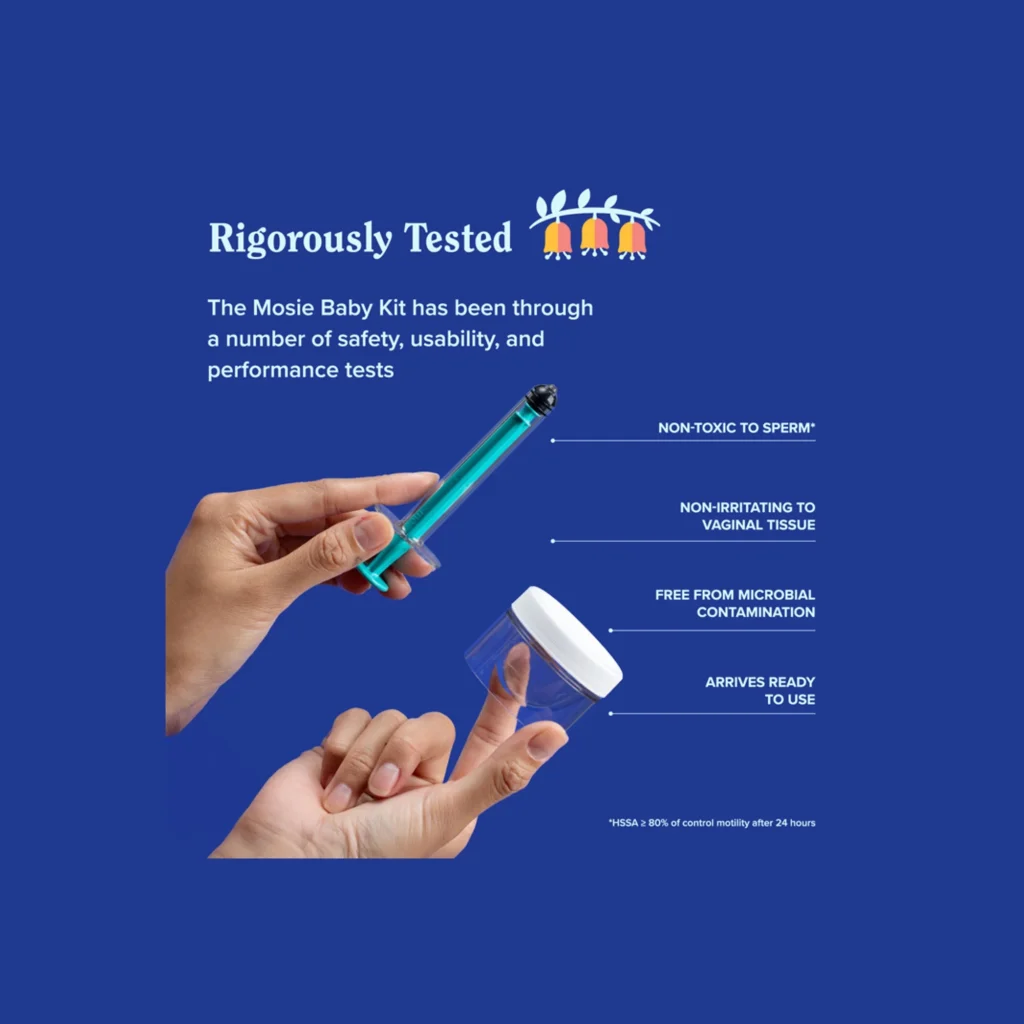
    Mosie Baby Kit features a syringe and container, highlighting safety and usability tests on a blue background.

    The Emotional Rollercoaster of Trying to Conceive: How to Cope

    As more time passes without a positive pregnancy test, anxiety and stress can start to take over. Couples may start to worry that something is wrong, and the pressure to conceive can put a strain on their relationship. It’s also common for women to experience anxiety and stress around ovulation and their menstrual cycle, constantly wondering if this is the month they will finally get pregnant.

    Tip: Find healthy ways to manage stress, such as exercise, meditation, or journaling. It’s also crucial to take breaks from trying to conceive and focus on other aspects of your life that bring you joy and fulfillment.

    Stage 4: Despair and Grief

    For some couples, the emotional rollercoaster of trying to conceive can lead to feelings of despair and grief. As more time passes without a positive pregnancy test, the realization that having a baby may not be as easy as expected can be devastating. This stage can also be triggered by pregnancy announcements from friends and family or attending baby showers, which can serve as a painful reminder of what you are struggling to achieve.

    Tip: Allow yourself to grieve and process your emotions. It’s essential to have a support system during this time, whether it’s your partner, a friend, or a therapist. Remember that it’s okay to take a break from baby-related activities and focus on self-care instead.

    Stage 5: Acceptance and Moving Forward

    After going through the ups and downs of trying to conceive, many couples eventually reach a stage of acceptance and moving forward. This doesn’t necessarily mean giving up on the dream of having a baby, but rather coming to terms with the fact that the process may be more challenging than anticipated. This stage can also involve exploring other options, such as fertility treatments or adoption.

    Tip: Be open to alternative paths to parenthood and don’t be afraid to seek professional help. Remember that your journey to start a family may look different than someone else’s, and that’s okay.

    Summary:

    Trying to conceive can be an emotional rollercoaster, with stages of hope, frustration, anxiety, despair, and ultimately acceptance. It’s essential to manage expectations, communicate with your partner, and seek support when needed. Finding healthy ways to cope with stress and taking breaks from trying to conceive can also be beneficial. Remember that every journey to parenthood is unique, and it’s okay to explore alternative options if needed.

  • The Emotional Rollercoaster of Home Insemination

    Blog Post:

    Home insemination, also known as self-insemination or DIY insemination, is the process of using a donor’s sperm to conceive a child without medical intervention. While this method may seem like a simple and cost-effective option for those trying to conceive, it can also be an emotional rollercoaster. The journey of home insemination is filled with highs and lows, and it’s important to understand and prepare for the emotional impact it can have.

    The Excitement of Starting the Process

    For many couples, the decision to start the home insemination process is an exciting one. It’s the beginning of a journey towards starting or expanding their family. The process often starts with researching and finding the right donor, whether it’s a known donor or a stranger from a sperm bank. This can involve reading through donor profiles, discussing options with partners, and making a decision that feels right for everyone involved.

    The anticipation of trying to conceive can also bring about feelings of excitement and hope. It’s a time where dreams of having a child start to feel more tangible. The thought of creating a life and growing a family together can be an incredibly joyous and emotional experience.

    The Frustration of Inconsistent Results

    One of the biggest challenges of home insemination is the inconsistency of results. Unlike medical procedures, there is no guarantee of success with each attempt. This can be frustrating and disheartening for couples who are eagerly trying to conceive.

    Many factors can affect the success of home insemination, such as timing, ovulation, and sperm quality. It can take multiple attempts before achieving a positive pregnancy test, and this can be emotionally taxing. Each month, there is the anticipation and hope of a positive outcome, followed by the disappointment and sadness of a negative result. This emotional rollercoaster can take a toll on individuals and their relationships.

    The Pressure of Timing

    Timing is crucial when it comes to home insemination. Unlike natural conception, there is a limited window of opportunity for sperm to fertilize an egg. This means that couples must be diligent in tracking ovulation and planning insemination accordingly.

    The pressure of timing can add stress and anxiety to the already emotional process. Couples may feel pressure to have sex or inseminate at a specific time, which can take away from the intimacy of the experience. It can also lead to feelings of disappointment and frustration if the timing doesn’t result in a pregnancy.

    The Disappointment of Failed Attempts

    mosie baby logo featuring a heart and leaves in blue, pink, and green colors.

    The Emotional Rollercoaster of Home Insemination

    Despite the best efforts and intentions, home insemination can sometimes result in failed attempts. This can be a devastating blow for couples who have invested time, energy, and emotions into the process. Each negative result can feel like a personal failure, and it’s common for individuals to blame themselves or their bodies.

    The disappointment of failed attempts can also bring up feelings of inadequacy or self-doubt. It’s important for couples to support each other and remind themselves that it’s a normal part of the process. Even with medical assistance, conception can take time, and it’s essential to have patience and perseverance.

    The Joy of a Positive Pregnancy Test

    After weeks or even months of trying, the joy of a positive pregnancy test can be overwhelming. It’s a moment of pure happiness and excitement, knowing that all the hard work and emotional ups and downs have led to this moment. The news can bring couples closer together and solidify their bond as they prepare for the journey of parenthood.

    The anxiety and fear of the unknown can also creep in with a positive pregnancy test. It’s natural to feel nervous and overwhelmed about the responsibility of bringing a child into the world. But overall, the joy and anticipation of welcoming a new life into the world often outweigh any fears or worries.

    The Fear and Uncertainty of the Pregnancy

    Pregnancy, whether achieved through home insemination or natural conception, comes with its own set of emotional challenges. For couples who have used home insemination, there may be added fears and uncertainties, such as the lack of medical supervision or the potential for complications.

    It’s common for expectant parents to worry about the health and well-being of their unborn child, and this can be heightened for those who have used home insemination. The fear of the unknown and the what-ifs can lead to a rollercoaster of emotions throughout the pregnancy.

    The Relief and Joy of a Successful Birth

    Finally, after months of anticipation and emotional ups and downs, the arrival of a healthy baby brings a sense of relief and joy. The hard work, sacrifices, and emotional journey are all worth it when holding a precious little one in your arms.

    The birth of a child can also be a time of healing and closure for couples who have faced challenges along the way. The struggles of home insemination are now a distant memory as they embark on a new journey as parents.

    Summary:

    Home insemination is an emotional rollercoaster that comes with highs and lows. The excitement of starting the process, the frustration of inconsistent results, the pressure of timing, and the disappointment of failed attempts are just some of the emotions that couples may experience. The joy of a positive pregnancy test, the fear and uncertainty of pregnancy, and the relief and joy of a successful birth are also part of the rollercoaster. It’s important for couples to support each other and prepare for the emotional impact that home insemination can have on their journey towards starting or expanding their family.

  • The Syringe Method: A Gentle Approach to Natural Conception

    Blog Title: The Syringe Method: A Gentle Approach to Natural Conception

    Are you and your partner trying to conceive and looking for a more natural and gentle approach? The Syringe Method may be the perfect solution for you. This method has gained popularity in recent years, as it offers a more holistic and non-invasive way to increase your chances of getting pregnant. In this blog post, we will explore the Syringe Method and how it can help you achieve your dream of becoming a parent.

    What is the Syringe Method?

    The Syringe Method, also known as the “soft insemination method,” is a natural fertility technique that involves using a syringe to insert semen into the vagina during the woman’s fertile window. This method is often used by same-sex couples, single women, or couples with fertility issues. It can also be used as an alternative to traditional artificial insemination methods.

    How Does the Syringe Method Work?

    The Syringe Method is based on the principle that sperm can survive and travel through the cervix and into the fallopian tubes without the need for ejaculation. This method involves collecting the semen from the male partner, either through masturbation or using a condom during intercourse. The semen is then placed into a sterile syringe, and the woman inserts it into her vagina, near the cervix, during her fertile window.

    Why Choose the Syringe Method?

    One of the main reasons why couples choose the Syringe Method is that it is a natural and non-invasive way to conceive. Unlike other fertility treatments, this method does not involve any medications or medical procedures. It also allows couples to have more control over the process and be more involved in their journey towards conception.

    Another advantage of the Syringe Method is that it can be done in the comfort of your own home. This eliminates the need for frequent visits to a fertility clinic and can save you time and money. It also offers a more intimate and romantic experience for couples, as they can be more involved in the process of trying to conceive.

    hands using a blue syringe to extract contents from a clear container for a home insemination kit

    The Syringe Method: A Gentle Approach to Natural Conception

    Who Can Benefit from the Syringe Method?

    The Syringe Method can be used by any couple or individual trying to conceive, regardless of their sexual orientation. It is also a great option for couples who have been trying to conceive for a long time without success. This method can also be used by couples with male factor infertility, as it bypasses any potential issues with sperm count or quality.

    How to Prepare for the Syringe Method?

    Before trying the Syringe Method, it is essential to consult with a fertility specialist or your healthcare provider. They can provide you with guidance and advice on how to maximize your chances of success. It is also recommended to track your ovulation using methods such as ovulation predictor kits or monitoring your basal body temperature. This will help you determine your fertile window and increase your chances of conceiving.

    The Syringe Method can also be combined with other natural fertility methods, such as using fertility-friendly lubricants and maintaining a healthy lifestyle. Eating a balanced diet, exercising regularly, and reducing stress levels can all contribute to improving your fertility and increasing your chances of conceiving.

    Is the Syringe Method Effective?

    The effectiveness of the Syringe Method varies from couple to couple and depends on many factors, such as age, overall health, and fertility status. Some studies have shown that the Syringe Method has a success rate of 12-15% per cycle, which is comparable to other assisted reproductive techniques. It is essential to keep in mind that pregnancy success rates also depend on the timing of insemination, the quality of sperm, and the woman’s overall fertility.

    Possible Risks and Side Effects

    The Syringe Method is generally considered safe and does not pose any significant risks or side effects. However, as with any fertility treatment, there is a small risk of infection, especially if proper hygiene is not maintained during the process. It is crucial to use a sterile syringe and wash your hands thoroughly before and after the insemination.

    In conclusion, the Syringe Method is a gentle and natural approach to conception that offers couples more control and intimacy in their journey towards parenthood. It is a non-invasive and cost-effective option that can be used by anyone trying to conceive. However, it is essential to consult with a specialist and follow the recommended guidelines to increase your chances of success. With patience, perseverance, and the right techniques, the Syringe Method can help you achieve your dream of starting a family.

  • Boosting Fertility at Home: 23 DIY Tools You Need to Know

    Boosting Fertility at Home: 23 DIY Tools You Need to Know

    Trying to conceive can be a challenging process for many couples. While there may be underlying medical conditions that affect fertility, there are also many lifestyle changes and DIY tools that can help boost fertility at home. In this blog post, we will discuss 23 DIY tools that can help increase fertility and improve your chances of getting pregnant naturally.

    1. Yoga and Meditation
    Stress can greatly affect fertility, so incorporating yoga and meditation into your daily routine can be beneficial. These practices can help reduce stress and improve blood flow to the reproductive organs, making it easier for conception to occur.

    2. Acupuncture
    Acupuncture is an ancient Chinese practice that involves inserting thin needles into specific points on the body. It has been proven to help regulate hormones, improve blood flow, and reduce stress, all of which can increase fertility.

    3. Fertility Massage
    Fertility massages involve using specific techniques to increase blood flow to the reproductive organs and help break up any blockages in the fallopian tubes. This can improve the chances of a successful pregnancy.

    4. Essential Oils
    Certain essential oils, such as clary sage and geranium, have been shown to help regulate hormones and improve fertility. It is important to consult with a certified aromatherapist before using essential oils for fertility purposes.

    5. Herbal Supplements
    There are many herbal supplements that claim to boost fertility. Some of the most commonly used ones include maca, red raspberry leaf, and chasteberry. It is important to consult with a healthcare professional before taking any herbal supplements.

    6. Diet and Nutrition
    Eating a well-balanced diet that includes plenty of fruits, vegetables, whole grains, and lean proteins can improve overall health and fertility. It is also important to avoid foods that are high in sugar and unhealthy fats.

    7. Exercise
    Regular exercise is important for maintaining a healthy weight and reducing stress, both of which can affect fertility. However, it is important not to overdo it, as excessive exercise can also negatively impact fertility.

    8. Fertility-Boosting Foods
    There are certain foods that are believed to increase fertility, such as oysters, avocado, and pomegranate. These foods are rich in nutrients that can improve reproductive health.

    9. Cervical Mucus Monitoring
    Tracking changes in cervical mucus can help determine the most fertile days of your cycle. This method involves checking the consistency and color of your cervical mucus to predict ovulation.

    10. Basal Body Temperature Charting
    Basal body temperature charting involves taking your temperature every morning before getting out of bed. A slight increase in temperature can indicate ovulation and the most fertile days of your cycle.

    11. Ovulation Predictor Kits
    Ovulation predictor kits are an easy and convenient way to determine ovulation. These kits detect the surge of luteinizing hormone, which occurs right before ovulation.

    illustration of Mosie Baby home insemination kit highlighting seamless transfer and size features

    Boosting Fertility at Home: 23 DIY Tools You Need to Know

    12. Fertility Apps
    There are many fertility apps available that can help track your menstrual cycle, ovulation, and fertile days. These apps can also provide helpful tips and reminders to increase your chances of getting pregnant.

    13. Pre-Seed Lubricant
    Traditional lubricants can hinder sperm motility, making it more difficult for them to reach the egg. Pre-Seed lubricant is specifically designed for couples trying to conceive and is sperm-friendly.

    14. Fertility-Friendly Diet
    Some experts recommend following a fertility-friendly diet that includes foods like salmon, chickpeas, and leafy greens. These foods are rich in nutrients that can support reproductive health.

    15. Fertility Tea
    Fertility tea is a blend of herbs that are believed to improve fertility, regulate hormones, and support reproductive health. It is important to consult with a healthcare professional before trying any fertility tea.

    16. Castor Oil Packs
    Castor oil packs are a traditional remedy that involves applying a cloth soaked in castor oil to the lower abdomen. This can help promote blood flow to the reproductive organs and improve fertility.

    17. Fertility Yoga Poses
    There are certain yoga poses that are specifically designed to improve fertility. These poses can help reduce stress, increase blood flow, and support reproductive health.

    18. Fertility Visualization
    Visualization involves creating a mental image of yourself getting pregnant and carrying a healthy baby. This technique can help reduce stress and increase feelings of positivity and hope.

    19. Fertility Crystals
    Some believe that certain crystals have properties that can increase fertility. Some of the most commonly used crystals for fertility include rose quartz, moonstone, and carnelian.

    20. Relaxation Techniques
    Stress can greatly affect fertility, so incorporating relaxation techniques such as deep breathing, progressive muscle relaxation, and guided imagery can be beneficial.

    21. Sunlight and Vitamin D
    Exposure to sunlight can help increase levels of vitamin D, which is important for reproductive health. If you live in an area with limited sun exposure, consider taking a vitamin D supplement.

    22. Fertility-Friendly Sex Positions
    Certain sex positions can help increase the chances of conception. Positions that allow for deeper penetration can help sperm reach the cervix more easily.

    23. Positive Mindset
    Having a positive mindset and staying optimistic can greatly impact fertility. It is important to have faith in your body and the process of trying to conceive.

    In conclusion, while there may be underlying medical conditions that affect fertility, there are also many DIY tools and lifestyle changes that can help boost fertility at home. From yoga and meditation to fertility-friendly foods and supplements, these 23 tools can help increase your chances of getting pregnant naturally.