Tag: Fertility Apps.

  • At-Home Conception and Pregnancy Planning: What to Expect

    Blog post:

    At-home conception and pregnancy planning have become increasingly popular options for couples who are looking to start a family. With the rise of fertility awareness and technology, it is now possible for couples to take control of their own fertility journey from the comfort of their own home. In this blog post, we will discuss what to expect when embarking on an at-home conception and pregnancy planning journey.

    Understanding Your Fertility:
    The first step in at-home conception and pregnancy planning is understanding your fertility. This involves tracking your menstrual cycle, monitoring ovulation, and learning about your fertile window. There are various methods for tracking your cycle such as using a calendar, tracking basal body temperature, or using an ovulation predictor kit. By understanding your cycle, you can determine the best time to try to conceive.

    Making Lifestyle Changes:
    Another important aspect of at-home conception and pregnancy planning is making lifestyle changes. This includes maintaining a healthy diet and weight, reducing stress levels, and avoiding alcohol and smoking. These changes can improve your overall health and increase your chances of conception. It is also recommended to start taking a prenatal vitamin to ensure your body is getting all the necessary nutrients for a healthy pregnancy.

    Using Fertility Apps:
    In addition to tracking your cycle, there are also various fertility apps available to help with at-home conception and pregnancy planning. These apps can help you keep track of your menstrual cycle, ovulation, and fertile window. Some even offer personalized insights and tips based on your individual data. By using a fertility app, you can have all your information in one place and easily share it with your partner or healthcare provider.

    Natural Fertility Methods:
    Many couples who choose at-home conception and pregnancy planning also opt for natural fertility methods. These methods involve using natural techniques such as monitoring cervical mucus, practicing timed intercourse, and using natural herbs and supplements. While these methods may not work for everyone, they can be a great option for couples who want to avoid medical intervention.

    Colorful promotional image for Mosie Baby, featuring home insemination kit and encouraging text.

    At-Home Conception and Pregnancy Planning: What to Expect

    Fertility Testing:
    For couples who have been trying to conceive for over a year without success, it may be time to consider fertility testing. This can be done at home through fertility testing kits or by seeking assistance from a fertility specialist. Fertility testing can help identify any underlying issues that may be preventing conception and provide guidance on the best course of action.

    Insemination at Home:
    Another option for at-home conception is home insemination. This involves using a syringe or cervical cap to insert sperm into the vagina during the fertile window. This method can be used by same-sex female couples or couples who have difficulty with intercourse. It is important to note that home insemination does not guarantee pregnancy and may require multiple attempts.

    The Two-Week Wait:
    After trying to conceive, couples often experience the two-week wait, which is the time between ovulation and the expected period. This can be a stressful time filled with anticipation and anxiety. It is important to stay positive and keep busy during this time. Some couples find it helpful to distract themselves with hobbies or spending time with loved ones.

    Pregnancy Testing:
    Once the two-week wait is over, it is time to take a pregnancy test. At-home pregnancy tests are easily accessible and can be done in the comfort of your own home. It is recommended to wait until the first day of a missed period to take a test for more accurate results. If the test is positive, it is important to schedule an appointment with a healthcare provider to confirm the pregnancy and start prenatal care.

    In conclusion, at-home conception and pregnancy planning can be a great option for couples who want to take control of their fertility journey. By understanding your fertility, making lifestyle changes, using fertility apps, and considering natural fertility methods, you can increase your chances of conception. It is also important to seek medical assistance if needed and stay positive during the two-week wait. With proper planning and preparation, you can expect a smooth and successful at-home conception and pregnancy journey.

    Summary:
    In this blog post, we have discussed the various aspects of at-home conception and pregnancy planning. From understanding your fertility and making lifestyle changes to using fertility apps and natural fertility methods, there are many steps involved in this journey. We also covered the two-week wait and the importance of pregnancy testing. By following these tips, you can expect a successful and rewarding at-home conception and pregnancy experience.

  • Navigating the World of At-Home Conception: What You Need to Know

    Navigating the World of At-Home Conception: What You Need to Know

    With advancements in technology and a growing trend towards natural and holistic methods, more and more couples are turning to at-home conception methods. This can be an overwhelming and confusing process for many, as there are numerous options available and not enough guidance on how to navigate them. In this blog post, we’ll provide a comprehensive guide on what you need to know when it comes to at-home conception, including the different methods, important considerations, and potential risks.

    What is At-Home Conception?

    At-home conception refers to any method or technique used to increase the chances of becoming pregnant without medical intervention. This can include natural methods such as tracking ovulation and timing intercourse, as well as more unconventional methods like using fertility apps, supplements, or alternative therapies like acupuncture.

    The Different Methods of At-Home Conception

    1. Tracking Ovulation: One of the most common and natural methods of at-home conception is tracking ovulation. This involves monitoring your menstrual cycle and determining when you are most likely to ovulate, which is the optimal time for conception. There are several ways to track ovulation, including using an ovulation predictor kit, tracking basal body temperature, and monitoring cervical mucus changes.

    2. Timing Intercourse: Along with tracking ovulation, timing intercourse during your most fertile days can increase the chances of conceiving. This method involves having intercourse a few days before and during ovulation. It is essential to understand your menstrual cycle and be aware of any potential irregularities to ensure accurate timing.

    3. Fertility Apps: With the rise of technology, there are now many fertility apps available that claim to help women track their ovulation and increase their chances of getting pregnant. These apps use algorithms to predict ovulation based on data such as menstrual cycle length, basal body temperature, and cervical mucus changes. While these apps can be helpful, it’s essential to remember that they are not foolproof and should not be relied upon as the only method of at-home conception.

    4. Supplements: Some couples turn to supplements such as prenatal vitamins, folic acid, and other herbal supplements to boost fertility. While these supplements are generally safe, it’s crucial to consult with a healthcare professional before starting any new regimen. Additionally, it’s essential to research the ingredients and potential side effects of supplements before taking them.

    5. Alternative Therapies: Acupuncture, meditation, and other alternative therapies have also become popular among couples trying to conceive. While there is limited scientific evidence to support the effectiveness of these methods, many couples have reported success with alternative therapies. As with supplements, it’s essential to consult with a healthcare professional before starting any new treatment.

    Important Considerations

    illustration of Mosie Baby home insemination kit highlighting seamless transfer and size features

    Navigating the World of At-Home Conception: What You Need to Know

    While at-home conception methods can be a great option for many couples, there are some important considerations to keep in mind.

    1. Age: Age plays a crucial role in a woman’s fertility, and as women get older, their chances of conceiving naturally decrease. It’s essential to be aware of this and seek medical advice if you’ve been trying to conceive for more than a year without success.

    2. Underlying Medical Conditions: Certain medical conditions, such as polycystic ovary syndrome (PCOS) or endometriosis, can affect a woman’s fertility. It’s crucial to consult with a healthcare professional if you have a known medical condition that may impact your ability to conceive.

    3. Lifestyle Factors: Certain lifestyle factors, such as smoking, excessive alcohol consumption, and a poor diet, can also affect fertility. It’s essential to make healthy lifestyle choices and avoid any potential harm to your reproductive health when trying to conceive.

    Potential Risks of At-Home Conception

    While at-home conception methods are generally safe, there are some potential risks to be aware of.

    1. Misinformation: With the abundance of information available online, it’s essential to be cautious and ensure that you are getting accurate information from reliable sources. Misinformation can lead to incorrect timing of ovulation, which can decrease the chances of conception.

    2. False Hope: At-home conception methods can give couples a sense of control and hope, which can be beneficial. However, it’s essential to keep in mind that these methods do not guarantee pregnancy, and it’s essential to manage expectations.

    3. Delay in Seeking Medical Help: If you have been trying to conceive for more than a year without success, it’s crucial to seek medical help. Delaying medical intervention can decrease your chances of successfully conceiving.

    In conclusion, at-home conception can be an effective and natural way to increase the chances of getting pregnant. However, it’s essential to understand the different methods available, important considerations, and potential risks before embarking on this journey. It’s also crucial to consult with a healthcare professional for personalized advice and guidance.

    Summary:

    At-home conception refers to any method or technique used to increase the chances of becoming pregnant without medical intervention. This can include tracking ovulation, timing intercourse, using fertility apps, supplements, and alternative therapies. Important considerations when it comes to at-home conception include age, underlying medical conditions, and lifestyle factors. Potential risks include misinformation, false hope, and a delay in seeking medical help. It’s crucial to research and consult with a healthcare professional before embarking on any at-home conception methods.

  • DIY Baby-Making: Essential Tools for Tracking Ovulation

    DIY Baby-Making: Essential Tools for Tracking Ovulation

    Making the decision to start a family is an exciting and life-changing journey. For many couples, conceiving a child may not happen as easily as they had hoped. In fact, 1 in 8 couples in the United States struggle with fertility issues. Fortunately, with advancements in technology and a better understanding of the human body, there are several tools available for tracking ovulation and increasing the chances of conception. In this blog post, we will discuss the essential tools for tracking ovulation, empowering couples to take control of their fertility journey and increase their chances of successfully conceiving a baby.

    Understanding Ovulation

    Before diving into the essential tools for tracking ovulation, it’s important to have a basic understanding of the ovulation process. Ovulation is the release of an egg from the ovary, which then travels down the fallopian tube and is ready to be fertilized by a sperm. This typically occurs once a month, around day 14 of a 28-day menstrual cycle. However, every woman’s body is different, and ovulation may occur at different times for different individuals.

    Tracking Ovulation Through Basal Body Temperature

    One of the most common and reliable methods for tracking ovulation is by monitoring basal body temperature (BBT). This involves taking your temperature every morning before getting out of bed and recording it on a chart. A slight increase in temperature, usually around 0.5 to 1 degree Fahrenheit, indicates that ovulation has occurred. This is due to the rise in progesterone levels after ovulation. BBT tracking requires consistency and can be done with a regular thermometer or a specialized BBT thermometer.

    Using Ovulation Predictor Kits

    Ovulation predictor kits (OPKs) are another popular tool for tracking ovulation. These kits detect the presence of luteinizing hormone (LH) in the urine, which surges just before ovulation. This surge indicates that an egg is about to be released, and the couple can then time intercourse accordingly. OPKs are easy to use and can be purchased over-the-counter, making them a convenient option for many couples.

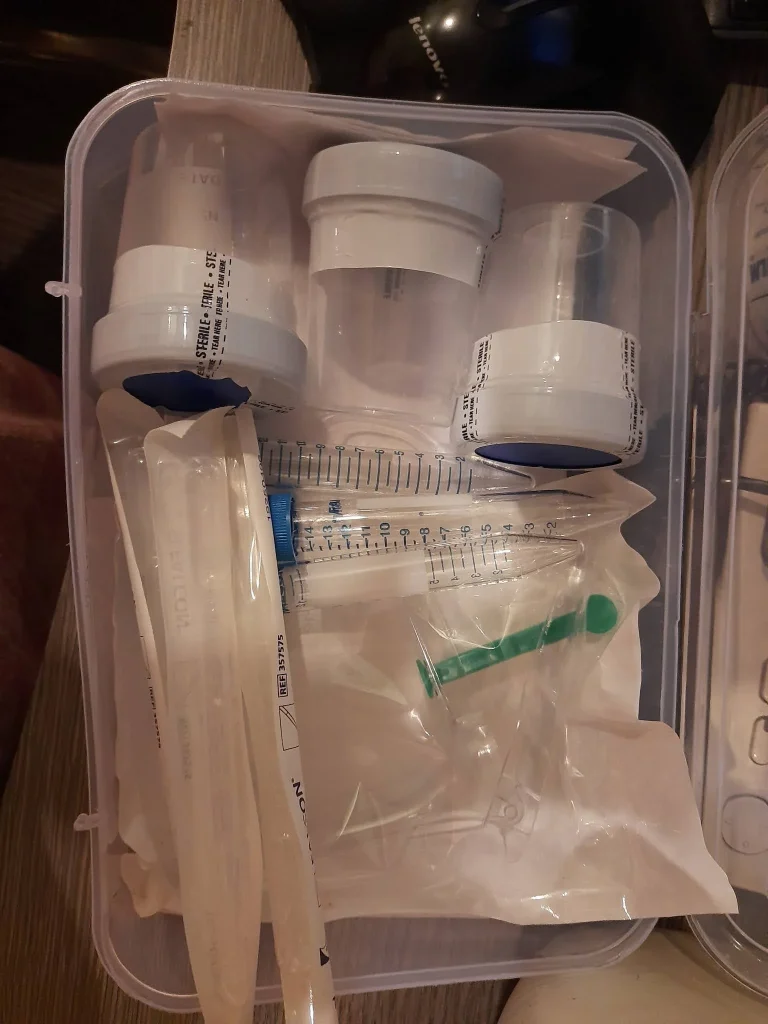
    various medical supplies and containers organized in a clear plastic box on a wooden surface

    DIY Baby-Making: Essential Tools for Tracking Ovulation

    Tracking Cervical Mucus

    Another way to track ovulation is by monitoring changes in cervical mucus. Cervical mucus is a fluid secreted by the cervix that helps sperm travel through the reproductive system. As ovulation approaches, cervical mucus becomes more thin, slippery, and stretchy, resembling the consistency of egg whites. This type of mucus is ideal for sperm to survive and travel through, increasing the chances of fertilization. Couples can track changes in cervical mucus by observing it daily and noting any changes in consistency and appearance.

    Using Fertility Apps

    In today’s digital age, there are several fertility apps available that can help track ovulation and other important factors related to conception. These apps use data input by the user, such as BBT, menstrual cycle, and symptoms, to predict ovulation and fertile days. Some apps also offer additional features, such as tracking ovulation tests and providing educational resources. Fertility apps are a convenient and accessible option for couples who want to track their fertility journey on-the-go.

    Tracking Ovulation Through Ultrasound

    For couples who may be struggling with fertility issues, tracking ovulation through ultrasound may be a helpful tool. This involves undergoing an ultrasound at a fertility clinic to monitor the growth and development of follicles in the ovaries. Follicles contain the eggs and can be seen through the ultrasound. This method allows for more accurate tracking of ovulation and can help identify any potential issues with ovulation.

    Incorporating Natural Remedies and Supplements

    In addition to the essential tools for tracking ovulation, couples can also incorporate natural remedies and supplements to increase their chances of conception. These may include traditional herbs and supplements, such as evening primrose oil, maca root, and chasteberry, which are believed to support hormonal balance and fertility. Couples can also make dietary and lifestyle changes to promote overall health and fertility, such as reducing stress, exercising regularly, and eating a balanced diet.

    In conclusion, tracking ovulation is an essential step for couples who are trying to conceive. By using a combination of the tools mentioned above, couples can have a better understanding of their ovulation cycle and increase their chances of successfully conceiving a baby. Whether it’s through tracking BBT, using ovulation predictor kits, monitoring cervical mucus, or incorporating natural remedies, taking control of the fertility journey can be empowering for couples.

  • Exploring Natural Conception: The Key Components of an Aid Kit

    Exploring Natural Conception: The Key Components of an Aid Kit

    Conception is an important and often emotional journey for many individuals and couples. While some may be able to conceive naturally without any complications, others may need some extra assistance. This is where aid kits come in, providing essential tools and resources to help increase the chances of conception. In this blog post, we will explore the key components of an aid kit for natural conception.

    1. Ovulation Predictor Kits

    The first component of an aid kit for natural conception is ovulation predictor kits. These kits are designed to help individuals determine the most fertile days in their menstrual cycle. This is crucial information for those trying to conceive naturally, as it increases the chances of successful fertilization. Ovulation predictor kits typically include test strips or sticks that detect the presence of luteinizing hormone (LH) in the urine. LH levels surge just before ovulation, signaling that an egg is about to be released. By tracking these levels, individuals can pinpoint the best time to try for conception.

    2. Fertility Supplements

    Another important component of an aid kit for natural conception is fertility supplements. These supplements are designed to support overall reproductive health and increase fertility. They often contain a variety of vitamins and minerals, such as folic acid, iron, and zinc, which are essential for healthy egg and sperm production. Fertility supplements can also help regulate hormone levels and improve the quality of cervical mucus, making it easier for sperm to reach and fertilize an egg.

    3. Pre-Seed Lubricant

    Many people may not realize that traditional lubricants can actually hinder sperm movement and decrease the chances of conception. This is where pre-seed lubricant comes in. Pre-seed is a fertility-friendly lubricant that mimics the body’s natural cervical mucus, providing a safe and sperm-friendly environment for conception. It can also help increase sperm motility, making it easier for them to reach the egg. Pre-seed lubricant is a crucial component of an aid kit for natural conception, especially for couples who are trying to conceive but may experience discomfort or dryness during intercourse.

    4. Basal Body Temperature Thermometer

    Mosie Baby kit with two jars, a syringe, and a supportive message card inside a colorful box.

    Exploring Natural Conception: The Key Components of an Aid Kit

    Tracking basal body temperature (BBT) is another method used to determine the most fertile days in a menstrual cycle. A BBT thermometer is more sensitive than a regular thermometer and can detect even the slightest changes in body temperature. This is important because a woman’s BBT rises slightly after ovulation, indicating that an egg has been released. By tracking BBT, individuals can identify their fertile window and time intercourse accordingly.

    5. Fertility Apps

    In today’s digital age, fertility apps have become a popular tool for tracking menstrual cycles and fertility. These apps use various methods, such as BBT tracking, to predict the most fertile days in a cycle. They also allow users to input other data, such as menstruation and intercourse, to provide a more accurate prediction. Fertility apps are a convenient and easy way to keep track of fertility and are an essential component of any aid kit for natural conception.

    6. Stress-Relieving Tools

    Stress can have a significant impact on fertility. When the body is under stress, it produces higher levels of the hormone cortisol, which can interfere with ovulation and decrease sperm production. Therefore, it is essential to include stress-relieving tools in an aid kit for natural conception. These can include items such as meditation or relaxation apps, essential oils, and stress balls. By reducing stress levels, individuals can improve their chances of conceiving naturally.

    7. Books or Resources on Natural Conception

    Lastly, an aid kit for natural conception should also include educational resources on the topic. This can include books, articles, or online resources that provide information on natural conception, fertility, and tips for increasing chances of conception. These resources can also offer emotional support and guidance, which is crucial for individuals who may be struggling with fertility issues. By educating themselves on the subject, individuals can feel more empowered and take control of their journey towards conception.

    In conclusion, an aid kit for natural conception should include a variety of tools and resources to support the journey towards parenthood. From ovulation predictor kits and fertility supplements to stress-relieving tools and educational resources, each component plays a crucial role in increasing the chances of conception. By utilizing these aids, individuals and couples can take a proactive approach towards natural conception and increase their chances of success.

    Summary:

    Natural conception can be an emotional and challenging journey for many individuals and couples. An aid kit can significantly increase the chances of conception by providing essential tools and resources. The key components of an aid kit for natural conception include ovulation predictor kits, fertility supplements, pre-seed lubricant, BBT thermometer, fertility apps, stress-relieving tools, and educational resources. By using these aids, individuals can take a proactive approach towards conceiving naturally and increase their chances of success.
