Tag: inflammation

  • Can Allergies Lead to Infertility? Understanding the Mechanisms

    Can Allergies Lead to Infertility? Understanding the Mechanisms

    Allergies are a common health issue that affects millions of people worldwide. They occur when the body’s immune system reacts to a specific substance, known as an allergen, and releases chemicals that cause symptoms such as sneezing, itching, and swollen airways. While allergies are usually not considered a serious health concern, recent studies have suggested a potential link between allergies and fertility issues in both men and women. In this blog post, we will explore the mechanisms behind this possible connection and whether allergies can indeed lead to infertility.

    The Link Between Allergies and Infertility

    Studies have shown that individuals with allergies are more likely to experience fertility issues than those without allergies. In women, allergies have been linked to conditions such as endometriosis, polycystic ovary syndrome (PCOS), and irregular menstrual cycles, all of which can affect fertility. For men, allergies have been associated with low sperm count, poor sperm motility, and abnormal sperm morphology, all of which can contribute to infertility.

    One possible explanation for this link is the body’s inflammatory response to allergens. When the immune system is triggered by an allergen, it releases chemicals called cytokines, which can cause inflammation in various parts of the body. Inflammation in the reproductive organs can lead to damage and dysfunction, making it difficult for couples to conceive.

    Another potential mechanism is the use of antihistamines. These medications are commonly used to treat allergies, but they can also interfere with the production of hormones that are essential for reproduction. For example, antihistamines can suppress the production of luteinizing hormone (LH) and follicle-stimulating hormone (FSH), which are important for ovulation and sperm production, respectively.

    Furthermore, allergies can also disrupt the delicate balance of hormones in the body. Imbalances in hormones such as estrogen, progesterone, and testosterone can affect fertility and lead to conditions that can make it harder to conceive.

    The Role of Stress

    Stress is another factor that may contribute to the link between allergies and infertility. Allergies can cause significant stress in individuals, both physically and mentally. The constant discomfort and symptoms can take a toll on one’s mental health, leading to increased levels of stress and anxiety.

    Stress can also have a direct impact on fertility. It can disrupt the hormonal balance in the body, affecting the release of eggs and sperm. High levels of stress can also interfere with the production of gonadotropin-releasing hormone (GnRH), which is responsible for regulating the menstrual cycle and sperm production.

    blue box with "mosie" logo, syringes, and informational pamphlet on a pink background

    Can Allergies Lead to Infertility? Understanding the Mechanisms

    Prenatal Allergen Exposure

    Some studies have also suggested a potential link between prenatal allergen exposure and fertility issues later in life. This is based on the “hygiene hypothesis,” which suggests that early exposure to allergens can help the body develop a stronger immune system. However, when a person is not exposed to enough allergens during early development, their immune system may be weaker, making them more prone to allergies and other health issues later in life.

    In the case of fertility, this theory suggests that children who are not exposed to enough allergens during early development may have a weaker immune system in their reproductive organs, making them more susceptible to inflammatory conditions and fertility problems in adulthood.

    Treatment Options

    If you are struggling with both allergies and fertility issues, there are treatment options available. For allergies, it is essential to work with a healthcare provider to identify and avoid allergens that may be triggering your symptoms. Medications such as antihistamines and corticosteroids can also help manage allergies.

    For fertility issues, it is crucial to seek medical advice to identify and address any underlying conditions that may be causing difficulties. Treatment options may include fertility drugs, surgery, or assisted reproductive technologies such as in vitro fertilization (IVF).

    Additionally, managing stress through techniques such as yoga, meditation, and therapy can also help improve overall health and potentially aid in fertility.

    Conclusion

    While more research is needed to fully understand the mechanisms behind the link between allergies and infertility, there is evidence to suggest that allergies can indeed contribute to fertility issues. The body’s inflammatory response, the use of antihistamines, hormone imbalances, and stress are all potential mechanisms that may play a role in this connection.

    If you are struggling with both allergies and fertility issues, it is essential to work with a healthcare provider to develop a personalized treatment plan that addresses both concerns. By managing allergies and reducing stress, you may be able to improve your overall health and increase your chances of conceiving.

    In summary, allergies may lead to infertility through various mechanisms such as inflammation, hormonal imbalance, and stress. Working with a healthcare provider to manage allergies and address any underlying conditions may help improve fertility. It is crucial to prioritize self-care and seek medical advice to increase the chances of conceiving and starting a family.


  • The Role of Allergies in Cervical Mucus Quantity and Quality

    Blog Post:

    Cervical mucus is a vital component of a woman’s reproductive system. It plays a crucial role in the process of conception by providing a hospitable environment for sperm to travel and fertilize an egg. However, many women may not realize that their allergies can have a significant impact on the quantity and quality of their cervical mucus. In this blog post, we will explore the role of allergies in cervical mucus and how it can affect a woman’s fertility.

    First, let’s understand what cervical mucus is and its function in the body. Cervical mucus is a fluid produced by the cervix, the lower part of the uterus. It serves as a protective barrier, keeping the cervix moist and preventing harmful bacteria from entering the uterus. Additionally, it acts as a transportation system for sperm, helping them reach the egg for fertilization.

    The quantity and quality of cervical mucus vary throughout a woman’s menstrual cycle. During menstruation, the body produces a minimal amount of mucus, and it is usually thick and sticky, making it difficult for sperm to travel. As ovulation approaches, the body starts to produce more mucus, and it becomes thinner and more stretchy, creating a favorable environment for sperm. This type of mucus is often referred to as “fertile mucus” and is necessary for conception to occur.

    Now, let’s delve into the role of allergies in cervical mucus. Allergies are the body’s immune response to a particular substance, known as an allergen. Common allergens include pollen, dust, pet dander, and certain foods. When a person with allergies comes into contact with their trigger, their body releases histamine, which causes symptoms such as sneezing, itching, and congestion.

    One of the ways allergies can affect cervical mucus is by causing inflammation in the body. When the body is in a state of inflammation, it produces more mucus to protect itself. This excess mucus can also affect the mucus production in the cervix, leading to thicker and stickier mucus. As a result, it becomes more challenging for sperm to swim through and reach the egg.

    Moreover, allergies can also cause changes in the composition of cervical mucus. In a study published in the Journal of Allergy and Clinical Immunology, researchers found that women with allergies had a higher concentration of white blood cells in their cervical mucus during ovulation. These cells are a part of the body’s immune response and can potentially harm sperm, reducing their chances of fertilizing an egg.

    Mosie Baby kit with two jars, a syringe, and a supportive message card inside a colorful box.

    The Role of Allergies in Cervical Mucus Quantity and Quality

    Furthermore, allergies can also affect the hormonal balance in the body, which can impact cervical mucus production. Histamine, the chemical responsible for allergy symptoms, can also affect the production of estrogen, a hormone that plays a vital role in the menstrual cycle. If there is an imbalance in estrogen levels, it can lead to changes in cervical mucus production, making it more difficult for sperm to survive.

    It is also essential to note that allergies can cause other symptoms that can affect cervical mucus. For example, some allergy medications can cause dryness in the body, including the cervix, leading to a decrease in mucus production. Additionally, allergies can cause stress and fatigue, which are known to disrupt the delicate hormonal balance in the body, further impacting cervical mucus.

    So, what can women with allergies do to improve their cervical mucus quantity and quality? The first step is to identify and avoid allergens as much as possible. This can be challenging, especially during peak allergy seasons, but taking precautions such as wearing a mask and staying indoors can make a significant difference. It is also essential to manage allergies with medication, as recommended by a doctor, to reduce inflammation and decrease the production of excess mucus.

    In addition to these steps, women with allergies can also try natural remedies to improve their cervical mucus. These include staying hydrated, eating a balanced diet rich in fruits and vegetables, and taking supplements such as vitamin C and omega-3 fatty acids, which have anti-inflammatory properties. Some women also find using a saline nasal spray or performing regular nasal irrigation helpful in reducing allergy symptoms.

    In conclusion, allergies can have a significant impact on the quantity and quality of cervical mucus. They can cause inflammation, changes in mucus composition, and disrupt hormonal balance, all of which can make it difficult for sperm to travel and fertilize an egg. It is essential for women with allergies to take necessary precautions and manage their allergies to improve their chances of conception. If you are struggling with fertility, it is always best to consult with a healthcare professional for personalized advice and treatment.

    Summary:

    Cervical mucus plays a crucial role in a woman’s reproductive system, providing a hospitable environment for sperm to travel and fertilize an egg. However, allergies can affect the quantity and quality of cervical mucus, making it difficult for conception to occur. Allergies can cause inflammation, changes in mucus composition, and disrupt hormonal balance, all of which can impact cervical mucus production. To improve cervical mucus, women can identify and avoid allergens, manage allergies with medication, and try natural remedies such as staying hydrated and taking supplements. Seeking advice from a healthcare professional is also recommended for personalized treatment.

  • Allergies and Cervical Mucus Health: What’s the Connection?

    Blog Post:

    Allergies and Cervical Mucus Health: What’s the Connection?

    Allergies are a common health issue that affects millions of people worldwide. They are caused by the body’s immune system overreacting to a substance that is normally harmless. This reaction can result in various symptoms, such as sneezing, coughing, and runny nose. However, what many people may not know is that allergies can also have an impact on cervical mucus health.

    Cervical mucus, also known as cervical fluid, is a natural substance produced by the cervix. It plays a vital role in female fertility, as it helps sperm travel through the reproductive tract to reach the egg. Cervical mucus also protects the reproductive organs from infections and helps to maintain a healthy pH balance.

    The Connection Between Allergies and Cervical Mucus Health

    Allergies can affect cervical mucus health in several ways. One of the main ways is through inflammation. When a person has allergies, their body releases histamines, which can cause inflammation in various parts of the body, including the cervix. This inflammation can lead to changes in the amount and quality of cervical mucus.

    Additionally, allergies can also cause changes in hormone levels, which can affect cervical mucus production. This is because histamines can disrupt the balance of estrogen and progesterone, two hormones that play a crucial role in the production of cervical mucus. When these hormones are imbalanced, it can lead to a decrease in the quantity and quality of cervical mucus.

    Furthermore, allergies can also make cervical mucus thicker, stickier, and more acidic. This can create an inhospitable environment for sperm, making it difficult for them to reach the egg and fertilize it. As a result, allergies can contribute to fertility issues in women.

    The Impact of Allergies on Cervical Mucus and Fertility

    at-home insemination kit by Mosie Baby, featuring syringes and containers for comfort and convenience.

    Allergies and Cervical Mucus Health: What's the Connection?

    The changes in cervical mucus caused by allergies can significantly impact a woman’s fertility. Cervical mucus is essential for sperm to survive and travel to the egg. When the quality and quantity of cervical mucus are affected, it can make it challenging for sperm to survive and reach the egg. This can lead to difficulties in conceiving and can also increase the risk of miscarriage.

    Furthermore, allergies can also cause changes in the cervix itself. Inflammation in the cervix can lead to the formation of scar tissue, which can block the cervical canal and make it difficult for sperm to enter the uterus. This can also prevent the fertilized egg from implanting in the uterus, leading to infertility.

    How to Manage Allergies and Improve Cervical Mucus Health

    The good news is that there are ways to manage allergies and improve cervical mucus health. The first step is to identify and avoid allergens that trigger a reaction. This may include certain foods, pollen, dust, and pet dander. Keeping a journal and tracking symptoms can help identify specific triggers.

    Medications, such as antihistamines, can also help manage allergy symptoms and reduce inflammation. However, it is essential to consult with a healthcare provider before taking any medication, as some may affect fertility.

    In addition to managing allergies, there are also steps that can be taken to improve cervical mucus health. Staying hydrated and maintaining a healthy diet that includes foods rich in vitamin C and zinc can help produce healthier cervical mucus. Avoiding toxins, such as cigarettes and excessive alcohol, can also improve cervical mucus quality.

    Moreover, there are natural supplements, such as evening primrose oil and guaifenesin, that can help thin cervical mucus and make it more sperm-friendly. These supplements should be taken under the guidance of a healthcare provider.

    Summary:

    Allergies can have a significant impact on cervical mucus health. Inflammation and hormonal changes caused by allergies can affect the quantity and quality of cervical mucus, making it difficult for sperm to reach the egg. This can lead to fertility issues and increase the risk of miscarriage. However, managing allergies and taking steps to improve cervical mucus health can help increase the chances of conception. Consult with a healthcare provider for personalized recommendations and treatment options.

  • The Surprising Ways Allergies Can Impact Your Cervical Mucus

    Allergies are a common condition that affects millions of people worldwide. They occur when the body’s immune system reacts to a foreign substance, such as pollen or dust, and triggers a response to fight it off. While most people associate allergies with symptoms like sneezing, watery eyes, and congestion, they can also have surprising effects on other areas of the body, including the cervical mucus.

    Cervical mucus, also known as cervical fluid, is a natural and essential part of a woman’s reproductive system. It plays a crucial role in fertility and helps sperm travel through the reproductive tract to fertilize an egg. Changes in cervical mucus can indicate where a woman is in her menstrual cycle and provide valuable insights into her overall reproductive health. However, allergies can significantly impact the quality and quantity of cervical mucus, affecting a woman’s fertility and reproductive health in unexpected ways.

    In this blog post, we will explore the surprising ways that allergies can impact cervical mucus and how it can affect a woman’s reproductive health.

    1. Inflammation and Irritation
    When the body is exposed to an allergen, it produces histamines, which trigger an inflammatory response. This inflammation can occur in different parts of the body, including the reproductive organs. When the cervix becomes inflamed, it can produce more mucus than usual, making it difficult for sperm to reach the egg. Additionally, inflammation can cause the cervical mucus to become thicker and stickier, making it harder for sperm to penetrate. As a result, women with allergies may experience difficulties getting pregnant due to the inflammation and irritation caused by their allergies.

    2. Changes in Cervical Mucus Consistency
    Allergies can also change the consistency of cervical mucus, making it less conducive to sperm survival. Normally, cervical mucus is clear and slippery, providing a pathway for sperm to travel. However, allergies can cause the mucus to become thicker and stickier, making it difficult for sperm to swim through. This change in consistency can also affect the sperm’s ability to move and survive, leading to fertility issues.

    home insemination kit components: a syringe and a collection container against a blue background.

    The Surprising Ways Allergies Can Impact Your Cervical Mucus

    3. Changes in Cervical Mucus Quantity
    Allergies can also affect the quantity of cervical mucus produced. In some cases, allergies can cause the body to produce excess mucus, leading to a condition called hypersecretion. This excess mucus can clog the cervical canal, making it difficult for sperm to pass through. Conversely, allergies can also cause the body to produce less cervical mucus, making it difficult for sperm to survive and reach the egg. These changes in cervical mucus quantity can significantly impact a woman’s fertility and reproductive health.

    4. Seasonal Allergies and Fertility
    Seasonal allergies, such as hay fever, can significantly impact a woman’s fertility. When a woman is allergic to pollen, her body will produce more mucus to protect the reproductive organs from the allergen. As a result, the cervical mucus becomes thicker, making it challenging for sperm to reach the egg. Additionally, seasonal allergies can also cause a woman’s body to produce more histamines, making it difficult for the sperm to survive in the reproductive tract. Therefore, women with seasonal allergies may experience more difficulties getting pregnant during allergy season.

    5. Impact on Ovulation
    Allergies can also impact a woman’s ovulation cycle, making it difficult for her to conceive. Inflammation caused by allergies can affect the release of hormones responsible for ovulation, leading to irregular or delayed ovulation. Additionally, allergies can also cause changes in cervical mucus, making it difficult for sperm to reach the egg during ovulation. As a result, women with allergies may find it challenging to conceive during their ovulation window.

    6. Increased Risk of Infections
    Allergies can also increase a woman’s risk of developing infections in the reproductive tract. Inflammation and changes in cervical mucus consistency can create an ideal environment for bacteria to thrive, leading to infections such as bacterial vaginosis and yeast infections. These infections can affect a woman’s fertility and reproductive health and may require medical treatment to resolve.

    In conclusion, allergies can have surprising effects on cervical mucus and a woman’s reproductive health. Inflammation and changes in mucus consistency and quantity can make it challenging for sperm to reach the egg, impacting fertility. Seasonal allergies and changes in ovulation can also affect a woman’s chances of getting pregnant. Additionally, allergies can increase the risk of infections in the reproductive tract, which can further impact fertility and reproductive health. Therefore, it is essential for women with allergies to monitor their cervical mucus and seek medical advice if they experience any changes or difficulties in getting pregnant.

    In summary, allergies can have an unexpected impact on cervical mucus, affecting a woman’s fertility and reproductive health. Inflammation and changes in mucus consistency and quantity can make it difficult for sperm to reach the egg, leading to fertility issues. Seasonal allergies and changes in ovulation can also affect a woman’s chances of getting pregnant. Additionally, allergies can increase the risk of infections in the reproductive tract, which can further affect fertility and reproductive health. It is essential to monitor any changes in cervical mucus and seek medical advice if necessary.

  • Allergies and Fertility: How Cervical Mucus Quality Plays a Role

    Blog Post: Allergies and Fertility: How Cervical Mucus Quality Plays a Role

    Allergies are a common health issue that affects millions of people worldwide. They can cause a range of symptoms, from mild discomfort to severe reactions, and can greatly impact one’s daily life. But what many people don’t realize is that allergies can also have an effect on fertility, specifically in regards to cervical mucus quality. In this blog post, we will explore the connection between allergies and fertility, and how the quality of cervical mucus can play a significant role in a woman’s ability to conceive.

    Understanding Allergies and Fertility
    Allergies are caused by an overactive immune system, which mistakenly identifies harmless substances as harmful invaders and triggers a response to fight them off. This can manifest in various forms, such as sneezing, itching, hives, and more severe reactions like anaphylaxis. Allergies can be triggered by a wide range of substances, including pollen, dust mites, pet dander, and certain foods.

    When it comes to fertility, allergies can have an impact in several ways. Firstly, they can cause physical discomfort, making it difficult for individuals to engage in sexual activity or have the desire to do so. Additionally, allergies can also affect hormonal balance, which is crucial for ovulation and the menstrual cycle. This disruption can lead to irregular periods, making it challenging to predict the most fertile days for conception. But one of the most significant ways that allergies can affect fertility is through the quality of cervical mucus.

    The Role of Cervical Mucus in Fertility
    Cervical mucus is a fluid produced by the cervix that changes in consistency throughout a woman’s menstrual cycle. It plays a vital role in fertility by creating a hospitable environment for sperm to survive and travel through the reproductive tract to fertilize an egg. The quality and quantity of cervical mucus can vary depending on factors such as hormonal changes and external factors like allergies.

    During ovulation, cervical mucus becomes thin, slippery, and stretchy, creating an ideal environment for sperm to swim through. However, allergies can cause the cervical mucus to become thicker and more acidic, making it difficult for sperm to survive and decreasing the chances of conception. This change in cervical mucus quality can also affect the sperm’s ability to reach the egg, as it may become more difficult for them to navigate through the thick mucus.

    at-home insemination kit by Mosie Baby, featuring syringes and containers for comfort and convenience.

    Allergies and Fertility: How Cervical Mucus Quality Plays a Role

    Allergies can also affect the quantity of cervical mucus, as the body may produce excess mucus as a response to allergens. This excess mucus can create a barrier in the cervix, making it challenging for sperm to reach the egg. Additionally, allergies can cause inflammation in the reproductive organs, which can disrupt the production of cervical mucus and further decrease fertility.

    Improving Cervical Mucus Quality
    If you are experiencing allergies and are trying to conceive, it is crucial to pay attention to your cervical mucus quality and take steps to improve it. Firstly, it is essential to manage your allergies with proper treatment and medication. This can help reduce inflammation and the production of excess mucus, which can improve the quality and quantity of cervical mucus.

    Secondly, maintaining a healthy diet and lifestyle can also have a positive impact on cervical mucus quality. Eating a balanced diet rich in nutrients and staying hydrated can help ensure that the body produces enough cervical mucus and that it is of good quality. Additionally, avoiding substances that may further irritate allergies, such as smoking and excessive alcohol consumption, can also help improve cervical mucus quality.

    Finally, there are also external factors that can help improve cervical mucus quality. Using a fertility-friendly lubricant can help create a more hospitable environment for sperm, making it easier for them to reach the egg. Additionally, staying well-hydrated and avoiding dehydrating substances like caffeine can also help maintain adequate cervical mucus production.

    In conclusion, allergies can have a significant impact on fertility, particularly in regards to cervical mucus quality. It is essential to manage allergies properly and take steps to improve cervical mucus quality for those trying to conceive. By understanding this connection and making necessary lifestyle changes, couples can increase their chances of achieving pregnancy and starting a family.

    Summary:
    Allergies can have a significant impact on fertility, particularly in regards to cervical mucus quality. Allergies can cause physical discomfort, disrupt hormonal balance, and affect the production of cervical mucus, which is crucial for conception. Improving cervical mucus quality can be achieved through proper allergy management, maintaining a healthy diet and lifestyle, and using fertility-friendly lubricants. By understanding this connection and taking necessary steps, couples can increase their chances of achieving pregnancy and starting a family.

  • Can Allergies Lead to Cervical Mucus Imbalances?

    Blog Post:

    Allergies are a common condition that affects millions of people worldwide. They occur when the body’s immune system overreacts to a substance that is normally harmless, such as pollen or dust. While allergies are often associated with symptoms like sneezing, coughing, and itchy eyes, they can also have a surprising impact on cervical mucus levels.

    Cervical mucus, also known as cervical fluid, is a vital component of the female reproductive system. It plays a crucial role in fertilization by helping sperm travel through the cervix to reach the egg. Cervical mucus also helps to protect the reproductive organs from infections and keeps the vagina lubricated.

    In this blog post, we will explore the link between allergies and cervical mucus imbalances. We will discuss how allergies can affect cervical mucus production and quality, and what steps you can take to manage this issue.

    How Allergies Can Cause Cervical Mucus Imbalances

    Allergies can lead to cervical mucus imbalances in two ways: through inflammation and hormonal changes.

    Inflammation is the body’s natural response to allergens. When your body detects an allergen, it releases histamine, a chemical that triggers inflammation in the affected area. If you have allergies that affect your respiratory system, such as hay fever or asthma, the inflammation can spread to the reproductive organs, including the cervix. This can cause the cervix to produce less mucus or even block the cervix, making it difficult for sperm to reach the egg.

    Hormonal changes can also be a factor in cervical mucus imbalances caused by allergies. Allergies can trigger the release of certain hormones, such as cortisol and adrenaline, which can affect the body’s natural hormone balance. This can lead to changes in cervical mucus production and quality, making it thicker and less hospitable to sperm.

    Identifying Allergies as the Culprit

    If you have been trying to conceive without success, it may be worth investigating whether allergies are the root cause. Some common symptoms of allergies affecting cervical mucus include a decrease in cervical mucus production, changes in the consistency of cervical mucus, and a shorter fertile window.

    A decrease in cervical mucus production is one of the most telling signs of allergies affecting cervical mucus. If you notice a significant decrease in the amount of mucus you produce, it could be due to inflammation or hormonal changes caused by allergies.

    Changes in the consistency of cervical mucus can also signal an imbalance. Cervical mucus typically changes throughout the menstrual cycle, from dry and sticky to creamy and slippery. However, if you notice that your mucus is consistently thick and sticky, it could be a sign of allergies affecting your mucus production.

    Finally, allergies can also shorten your fertile window, making it difficult to conceive. The fertile window is the period when you are most likely to get pregnant, and it usually lasts around six days. However, allergies can cause changes in cervical mucus that make it difficult for sperm to survive, reducing your fertility window.

    various medical supplies and containers organized in a clear plastic box on a wooden surface

    Can Allergies Lead to Cervical Mucus Imbalances?

    Managing Cervical Mucus Imbalances Caused by Allergies

    The good news is that you can manage cervical mucus imbalances caused by allergies. Here are some steps you can take to help improve your chances of conceiving:

    1. Identify and Avoid Allergens

    The first step in managing allergies is to identify the substances that trigger your symptoms. Allergies can be caused by a wide range of substances, including pollen, dust, pet dander, and certain foods. Once you have identified your triggers, try to avoid them as much as possible.

    2. Take Allergy Medication

    If you cannot completely avoid your allergens, taking allergy medication can help manage your symptoms. Antihistamines can help reduce inflammation and mucus production in the body, which can also improve your cervical mucus levels.

    3. Consider Immunotherapy

    Immunotherapy, also known as allergy shots, can help desensitize your body to allergens over time. This treatment involves receiving regular injections of small amounts of allergens, which can help your body build up a tolerance to them. In the long run, this can reduce your allergic reactions and improve your cervical mucus levels.

    4. Stay Hydrated

    Drinking plenty of water can help keep your cervical mucus thin and slippery, making it easier for sperm to travel through the cervix. Aim to drink at least eight glasses of water per day to keep your body hydrated.

    5. Try Fertility-friendly Lubricants

    If you are experiencing a decrease in cervical mucus production, using a fertility-friendly lubricant can help. These lubricants are designed to mimic the consistency and pH of cervical mucus, making them a great alternative for women experiencing mucus imbalances.

    Summary:

    Allergies can have a surprising effect on cervical mucus levels, which can make it difficult for women to conceive. Inflammation and hormonal changes caused by allergies can lead to a decrease in cervical mucus production, changes in consistency, and a shorter fertile window. However, by identifying and avoiding allergens, taking medication, considering immunotherapy, staying hydrated, and using fertility-friendly lubricants, you can manage cervical mucus imbalances and improve your chances of conceiving.

  • Addressing Allergies for Optimal Cervical Mucus Health

    Addressing Allergies for Optimal Cervical Mucus Health

    Allergies are a common problem that affects millions of people worldwide, and they can have a significant impact on our overall health. From sneezing and watery eyes to more severe symptoms like rashes and difficulty breathing, allergies can make our lives miserable. But did you know that allergies can also affect your cervical mucus health? Cervical mucus, also known as cervical fluid, plays a crucial role in a woman’s fertility and overall reproductive health. In this blog post, we will explore the connection between allergies and cervical mucus health and provide tips on how to address allergies for optimal cervical mucus health.

    Understanding Cervical Mucus Health

    Before we dive into the relationship between allergies and cervical mucus health, let’s first understand the importance of cervical mucus. Cervical mucus is a fluid produced by the cervix, the opening of the uterus. It plays a crucial role in the reproductive process, as it helps sperm reach the egg for fertilization. Additionally, cervical mucus helps protect the reproductive organs from infection and provides a hospitable environment for sperm to survive and thrive.

    The quality and quantity of cervical mucus can vary throughout a woman’s menstrual cycle, and it is influenced by several factors such as hormones, hydration, and overall health. Healthy cervical mucus is typically clear and stretchy, similar to raw egg whites, and it increases in quantity and quality as a woman approaches ovulation. On the other hand, unhealthy or abnormal cervical mucus can be thick, clumpy, or dry, making it difficult for sperm to reach the egg and increasing the risk of infection.

    Allergies and Cervical Mucus Health

    Allergies occur when your immune system reacts to a substance that is usually harmless, such as pollen, dust, or pet dander. This reaction triggers the release of histamines, which can cause a variety of symptoms, including inflammation. Inflammation is the body’s natural response to injury or irritation, and it can also affect cervical mucus production and quality.

    When the body is inflamed, it produces more mucus as a protective mechanism. This excess mucus can result in thicker, stickier, and less hospitable cervical mucus, making it difficult for sperm to reach the egg. Additionally, allergies can cause inflammation in the reproductive organs, which can affect the production and quality of cervical mucus. For women trying to conceive, addressing allergies is crucial to ensure optimal cervical mucus health and increase the chances of fertilization.

    Addressing Allergies for Optimal Cervical Mucus Health

    Now that we understand the connection between allergies and cervical mucus health, let’s explore some tips on how to address allergies for optimal cervical mucus health.

    1. Identify Your Triggers

    The first step to addressing allergies is to identify your triggers. Keep a record of your symptoms and the potential allergens you have been exposed to. This will help you determine the substances that are causing your allergies and avoid them in the future.

    illustration of Mosie Baby home insemination kit highlighting seamless transfer and size features

    Addressing Allergies for Optimal Cervical Mucus Health

    2. Avoid Allergens

    Once you have identified your triggers, the best way to address allergies is to avoid them. If you are allergic to pollen, try to limit your time outdoors during peak pollen season. If you are allergic to dust, make sure to regularly clean your home and avoid carpets and other dust collectors. Avoiding allergens can help reduce inflammation and improve cervical mucus health.

    3. Use Allergy Medications

    If you are unable to avoid your triggers, consider using over-the-counter or prescription allergy medications. Antihistamines, decongestants, and nasal sprays can help reduce allergy symptoms and inflammation, which can improve cervical mucus health. However, make sure to consult with your doctor before taking any medications, especially if you are trying to conceive.

    4. Stay Hydrated

    Drinking plenty of water can help thin out cervical mucus and make it easier for sperm to swim through. Additionally, staying hydrated can help reduce inflammation in the body and improve overall cervical mucus health. Aim to drink at least eight glasses of water a day to stay hydrated and support optimal cervical mucus production.

    5. Consider Natural Remedies

    Some natural remedies can help alleviate allergy symptoms and improve cervical mucus health. These include nettle tea, quercetin supplements, and local honey. However, it is important to consult with your doctor before trying any natural remedies, especially if you have any underlying health conditions.

    6. Address Underlying Health Conditions

    Sometimes, allergies can be a symptom of an underlying health condition, such as an autoimmune disorder or hormonal imbalance. If your allergies are persistent and severe, it is essential to consult with your doctor to address any underlying health issues that may be affecting your cervical mucus health.

    7. Seek Help from a Fertility Specialist

    If you have been struggling with allergies and have not been able to conceive, it may be time to seek help from a fertility specialist. They can conduct fertility tests and provide personalized recommendations to address allergies and improve cervical mucus health.

    In summary, allergies can have a significant impact on cervical mucus health, which plays a crucial role in a woman’s fertility and overall reproductive health. By identifying and avoiding triggers, using allergy medications, staying hydrated, and addressing any underlying health conditions, women can improve their cervical mucus health and increase their chances of conceiving. If you are struggling with allergies and are trying to conceive, do not hesitate to seek help from a medical professional who can provide personalized guidance and support.

  • The Link Between Allergies, Inflammation, and Cervical Mucus Quality

    Have you ever experienced allergies and wondered if they could be affecting your cervical mucus quality? Or have you struggled with fertility issues and wondered if inflammation could be to blame? The truth is, there is a strong link between allergies, inflammation, and cervical mucus quality. In this blog post, we will explore this connection and how it can impact your overall health and fertility.

    First, let’s define these terms. Allergies are a reaction of the immune system to substances that are normally harmless, such as pollen, dust, or certain foods. Inflammation, on the other hand, is the body’s natural response to injury or infection, and it involves the release of chemicals and immune cells to remove harmful stimuli and promote healing. Cervical mucus, also known as cervical fluid, is a fluid produced by the cervix that plays an essential role in fertility and reproductive health. It helps sperm survive and swim to the egg, and it also provides protection from bacteria and other harmful substances.

    Now, you may be wondering how these three seemingly unrelated things are connected. The answer lies in the immune system and its role in both allergies and inflammation. When a person has allergies, their immune system overreacts to normally harmless substances, releasing histamines and other chemicals that cause symptoms like sneezing, watery eyes, and congestion. These same chemicals can also trigger inflammation in other parts of the body, including the reproductive system.

    Inflammation in the reproductive system can have a significant impact on cervical mucus quality. When the body is in a state of inflammation, it produces more mucus than usual, making it thicker and stickier. This can make it difficult for sperm to swim through and reach the egg, reducing the chances of fertilization. Additionally, inflammation can also lead to the production of abnormal or hostile mucus, which can harm sperm or prevent it from reaching the egg altogether.

    But it’s not just allergies that can cause inflammation in the reproductive system. Other factors such as stress, diet, and exposure to toxins can also lead to chronic inflammation. This is where the link between allergies and cervical mucus quality becomes even more important. If a person already has allergies, their immune system is already in a state of overactivity, and any additional sources of inflammation can further worsen their symptoms and affect their cervical mucus quality.

    Instructions for reading pregnancy test results with visual indicators for "Not Pregnant," "Pregnant," and "Invalid.

    The Link Between Allergies, Inflammation, and Cervical Mucus Quality

    Moreover, the quality of cervical mucus can also be affected by hormonal imbalances, which are often linked to inflammation. High levels of estrogen can cause the cervix to produce too much mucus, while low levels of progesterone can result in poor quality mucus. Both of these hormonal imbalances can be caused by inflammation in the body, further emphasizing the connection between allergies, inflammation, and cervical mucus quality.

    So, what can be done to improve cervical mucus quality and ultimately increase fertility? The first step is to address any underlying allergies and inflammation. This can involve getting tested for allergies and avoiding triggers, as well as adopting an anti-inflammatory diet and lifestyle. This may include consuming more anti-inflammatory foods like fruits, vegetables, and healthy fats, and avoiding or minimizing processed and inflammatory foods like sugar, refined grains, and trans fats. Stress management techniques, such as meditation and exercise, can also help reduce inflammation in the body.

    Additionally, certain supplements and herbs can also be beneficial in reducing inflammation and improving cervical mucus quality. These include omega-3 fatty acids, vitamin C, and herbs like turmeric and ginger. It is important to consult with a healthcare provider before starting any supplements to ensure they are safe and appropriate for your individual needs.

    In conclusion, allergies, inflammation, and cervical mucus quality are all interconnected. Allergies can trigger inflammation in the body, which can impact the quality of cervical mucus and increase the risk of fertility issues. By addressing allergies and inflammation through a combination of lifestyle changes, supplements, and herbs, it is possible to improve cervical mucus quality and increase the chances of conception. So, if you are struggling with allergies or fertility issues, it may be worth considering how they could be related and taking steps to reduce inflammation in your body.

    Summary:

    There is a strong link between allergies, inflammation, and cervical mucus quality. Allergies can trigger inflammation in the body, which can lead to the production of abnormal or hostile mucus, making it difficult for sperm to reach the egg. This can impact fertility and increase the risk of conception. Addressing allergies and inflammation through lifestyle changes, supplements, and herbs can help improve cervical mucus quality and increase the chances of conception.

  • How Allergies Can Disrupt Cervical Mucus Balance

    Allergies can have a significant impact on our health and well-being, affecting various systems and functions in our body. One area that is often overlooked when discussing allergies is the impact they can have on cervical mucus balance. Cervical mucus refers to the fluid produced by the cervix, which plays a crucial role in reproductive health. Its consistency, quantity, and quality can be affected by allergies, causing disruptions that can have a significant impact on fertility and overall reproductive health.

    In this blog post, we will explore how allergies can disrupt cervical mucus balance and the potential effects it can have on our reproductive health. We will also discuss ways to manage allergies and maintain a healthy cervical mucus balance.

    The Connection between Allergies and Cervical Mucus Balance

    Allergies occur when our immune system overreacts to a foreign substance, triggering a reaction that can manifest in various symptoms such as sneezing, itching, and congestion. Common allergens include pollen, dust, pet dander, and certain foods. When our immune system is fighting off an allergen, it produces histamine, a chemical that causes inflammation and swelling in the affected area.

    In the case of cervical mucus, allergies can trigger an inflammatory response that can disrupt the balance of this important fluid. The cervix contains specialized cells that produce mucus, and these cells can be affected by the same histamine response as other parts of the body. This can lead to changes in the quantity, consistency, and quality of cervical mucus.

    Effects of Allergies on Cervical Mucus

    Cervical mucus plays a vital role in the reproductive process, particularly in fertility. It helps to nourish and protect sperm as it travels through the cervix towards the egg. It also creates a hospitable environment for sperm, allowing it to survive for several days and increasing the chances of fertilization. Any disruptions in cervical mucus balance can have a significant impact on these functions and potentially affect fertility.

    One of the primary effects of allergies on cervical mucus is a decrease in quantity. The inflammatory response triggered by allergies can cause the cells in the cervix to produce less mucus, leading to a decrease in the amount available. This can make it more difficult for sperm to travel through the cervix and reach the egg, reducing the chances of fertilization.

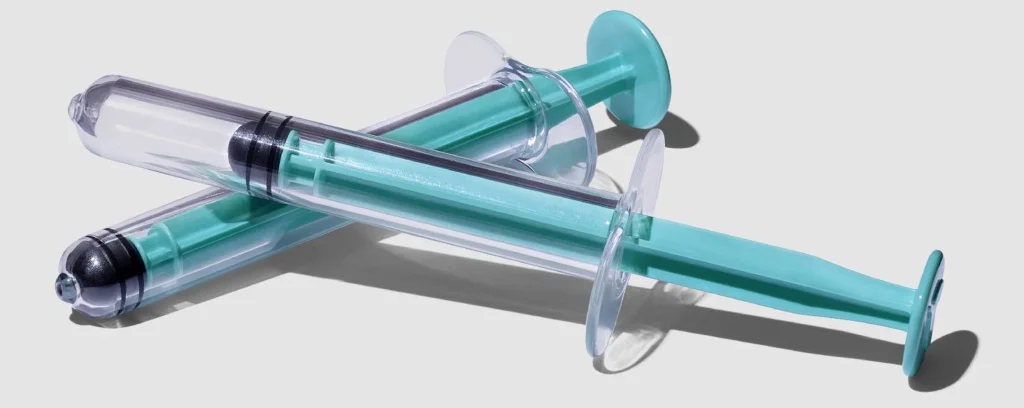
    Two transparent syringes with teal accents positioned diagonally on a light gray background.

    How Allergies Can Disrupt Cervical Mucus Balance

    Allergies can also alter the consistency of cervical mucus. Normally, cervical mucus is thin and watery, making it easier for sperm to swim through. However, allergies can cause the mucus to become thicker and stickier, making it harder for sperm to pass through. This can also decrease the chances of fertilization.

    Another effect of allergies on cervical mucus is changes in its quality. Cervical mucus is not just a simple fluid; it contains essential nutrients and antibodies that help to nourish and protect sperm. Allergies can alter the composition of cervical mucus, reducing its ability to provide these crucial components. This can affect the quality of sperm and decrease the chances of successful fertilization.

    Managing Allergies to Maintain Cervical Mucus Balance

    The key to maintaining a healthy cervical mucus balance in the face of allergies is to manage the allergies effectively. This may involve identifying and avoiding triggers, taking medication to control symptoms, and making lifestyle changes to reduce exposure to allergens. It is also essential to consult with a healthcare professional for proper diagnosis and treatment of allergies.

    In addition to managing allergies, there are also steps you can take to support cervical mucus production and balance. Staying hydrated, eating a healthy and balanced diet, and taking supplements such as vitamin C and omega-3 fatty acids can help to promote healthy cervical mucus production. It is also essential to maintain good overall reproductive health through regular exercise, stress management, and avoiding harmful substances like tobacco and excessive alcohol.

    Summarizing the Impact of Allergies on Cervical Mucus Balance

    Allergies can significantly disrupt cervical mucus balance, affecting the quantity, consistency, and quality of this vital fluid. This can have a significant impact on fertility and overall reproductive health. By managing allergies effectively and taking steps to support cervical mucus production, it is possible to maintain a healthy balance and increase the chances of successful conception.

    In conclusion, allergies can have a far-reaching impact on our health, including our reproductive health. By understanding the connection between allergies and cervical mucus balance, we can take steps to manage allergies and support healthy cervical mucus production. Consult with a healthcare professional for proper diagnosis and treatment of allergies, and make lifestyle changes to promote overall reproductive health.

  • Allergy Season and Your Fertility: What You Need to Know

    Blog Post Title: Allergy Season and Your Fertility: What You Need to Know

    Spring is a beautiful time of year, with flowers blooming and warmer weather beckoning us outside. However, for those who suffer from seasonal allergies, this time of year can also bring a lot of discomfort and frustration. But did you know that allergy season can also have an impact on your fertility? As you navigate through the sneezing, congestion, and itchy eyes, it’s important to understand how allergies can affect your reproductive health. In this blog post, we will explore the connection between allergy season and your fertility and provide tips on how to manage both effectively.

    How Allergies Affect Your Fertility

    Allergies are caused by an overreaction of the immune system to substances in the environment, such as pollen, dust, or pet dander. This results in symptoms like sneezing, watery eyes, and congestion. But what does this have to do with your fertility? The answer lies in the body’s inflammatory response.

    When you are exposed to an allergen, your body releases a chemical called histamine, which triggers an inflammatory response. This response can cause inflammation in the reproductive organs, such as the uterus and fallopian tubes, which can disrupt the ovulation process and make it more difficult to conceive. Inflammation can also affect sperm quality and motility, making it harder for fertilization to occur.

    Furthermore, allergies can also lead to hormonal imbalances. Histamine can interfere with the production of estrogen and progesterone, two hormones crucial for the reproductive process. When these hormones are disrupted, it can affect the timing of ovulation and the thickness of the uterine lining, making it harder for a fertilized egg to implant and develop.

    How to Manage Allergies and Fertility During Allergy Season

    If you suffer from seasonal allergies, it’s essential to manage your symptoms effectively to minimize their impact on your fertility. Here are some tips to help you do so:

    1. Consult with an Allergist

    If you haven’t already, it’s crucial to consult with an allergist to determine the root cause of your allergies and the best treatment plan for you. They can conduct tests to identify your specific allergens and recommend the appropriate medication or allergy shots to alleviate your symptoms.

    hand holding a syringe with a blue plunger against a solid blue background

    Allergy Season and Your Fertility: What You Need to Know

    2. Take Antihistamines

    Antihistamines are a common medication used to manage allergy symptoms. They work by blocking the effects of histamine, reducing the inflammation and discomfort caused by allergies. If you are trying to conceive, it’s essential to consult with your doctor before taking any medication to ensure it is safe for pregnancy.

    3. Try Natural Remedies

    If you prefer a more natural approach, there are several remedies that can help alleviate allergy symptoms. Nasal irrigation with a saline solution can help flush out allergens and reduce congestion. You can also try using a neti pot or a saline nasal spray. Other natural remedies include eating local honey, which contains small amounts of pollen that can help your body build immunity to allergens.

    4. Reduce Exposure to Allergens

    One of the most effective ways to manage allergies is to minimize your exposure to allergens. During allergy season, try to limit your time outdoors, especially on windy days when pollen counts are high. Keep windows closed and use air conditioning to filter out allergens. If you have pets, make sure to bathe them regularly to reduce the amount of pet dander in your home.

    5. Optimize Your Fertility

    While managing your allergies is important, it’s also crucial to optimize your fertility during allergy season. Make sure to eat a healthy, balanced diet, exercise regularly, and get enough rest. You can also consider taking supplements such as vitamin D, which has been linked to improved fertility in both men and women.

    Conclusion

    Allergy season can be a challenging time for those trying to conceive. The inflammation and hormonal imbalances caused by allergies can hinder the reproductive process and make it more difficult to get pregnant. By understanding the connection between allergies and fertility and following these tips, you can manage your allergies while also optimizing your fertility.

    In summary, allergy season can have a significant impact on your fertility due to the body’s inflammatory response and hormonal imbalances. To manage allergies and fertility during this time, it’s crucial to consult with an allergist, take appropriate medication, try natural remedies, reduce exposure to allergens, and optimize your fertility through a healthy lifestyle and supplements.