Tag: basal body temperature

  • DIY Fertility: Tools for Understanding and Tracking Your Basal Body Temperature

    DIY Fertility: Tools for Understanding and Tracking Your Basal Body Temperature

    When it comes to trying to conceive, many women turn to expensive fertility treatments or medications without fully understanding their own body’s natural fertility cycles. However, there are many tools and methods available for DIY fertility tracking that can provide valuable insights and help increase the chances of conception. One of the most reliable and accessible methods is tracking basal body temperature (BBT). In this blog post, we will explore the basics of BBT tracking, its benefits, and the tools and techniques for accurately monitoring and understanding your body’s fertility patterns.

    Understanding Basal Body Temperature

    Basal body temperature is the body’s lowest resting temperature, which is typically measured first thing in the morning before any physical activity. This temperature is influenced by hormonal changes throughout the menstrual cycle, specifically the rise in progesterone after ovulation. By tracking BBT, women can identify the exact day of ovulation, as well as the length and regularity of their cycles. This information is crucial for those trying to conceive, as it can help determine the most fertile days and optimal timing for intercourse.

    Benefits of BBT Tracking

    The primary benefit of tracking BBT is the ability to accurately predict ovulation and identify the fertile window. This can be especially helpful for women with irregular cycles or those who are not using hormonal birth control. BBT tracking can also help identify potential fertility issues, such as a luteal phase defect or anovulation. By monitoring BBT, women can also track the effectiveness of any changes to their diet or lifestyle in improving their fertility. Additionally, BBT tracking can be a cost-effective and non-invasive method for couples who are not yet ready to seek medical assistance for fertility issues.

    Tools for Tracking BBT

    To track BBT, you will need a BBT thermometer, which is more sensitive and accurate than a regular thermometer. These can be purchased at most drugstores or online. It is important to use the same thermometer throughout your cycle to ensure consistency in readings. Along with a thermometer, you will need a BBT chart or a fertility tracking app to record your daily temperatures and track your cycle. These can be downloaded for free or purchased online.

    Mosie Baby Kit features a syringe and container, highlighting safety and usability tests on a blue background.

    DIY Fertility: Tools for Understanding and Tracking Your Basal Body Temperature

    Techniques for Accurate BBT Tracking

    To get the most accurate readings, it is essential to follow certain techniques when tracking BBT. First, you must take your temperature at the same time every morning, ideally before getting out of bed. Any physical activity or even getting up to use the bathroom can affect your BBT. It is also crucial to use the same thermometer and take your temperature orally, as other methods can provide inconsistent readings. Additionally, it is recommended to track your BBT for at least three consecutive months to establish a clear pattern and identify any irregularities.

    Understanding BBT Patterns

    Once you have been tracking your BBT for a few months, you can start to understand your body’s unique patterns and predict ovulation. Typically, BBT will be lower in the first half of the menstrual cycle, known as the follicular phase, and then rise after ovulation during the luteal phase. This rise in temperature indicates that ovulation has occurred. However, it is essential to note that BBT alone cannot confirm ovulation, as other factors such as illness or stress can also affect temperature. Therefore, it is crucial to track other fertility signs, such as cervical mucus and ovulation predictor kits, to confirm ovulation accurately.

    Tracking BBT for Fertility Treatment

    For women undergoing fertility treatment, tracking BBT can be a useful tool to monitor the effectiveness of treatments such as Clomid or artificial insemination. It can also help identify any potential issues that may be hindering conception, such as a luteal phase defect or anovulation. By tracking BBT, women can also communicate more effectively with their healthcare provider and make informed decisions about their treatment plan.

    DIY Fertility Tracking: Beyond BBT

    While BBT tracking is an essential tool for understanding fertility, it is not the only method available. Other methods that can be used in conjunction with BBT tracking include tracking cervical mucus, using ovulation predictor kits, and monitoring changes in the cervix. Each of these methods provides valuable information about the body’s fertility patterns and can help increase the chances of conception when used together with BBT tracking.

    In conclusion, understanding and tracking basal body temperature can be a valuable tool for women trying to conceive. By accurately predicting ovulation and identifying any potential fertility issues, BBT tracking can help increase the chances of conception without the need for expensive treatments. With the right tools and techniques, women can take control of their fertility and make informed decisions about their reproductive health.

  • DIY Fertility: Tools for Tracking Your Cycle and Ovulation

    Blog Post: DIY Fertility: Tools for Tracking Your Cycle and Ovulation

    Are you and your partner trying to start a family but struggling to conceive? Or perhaps you’re planning for the future and want to understand your fertility better. Tracking your menstrual cycle and ovulation is an essential step in understanding your body and maximizing your chances of conception. In this blog post, we will discuss the importance of tracking your cycle and ovulation, and provide you with some DIY tools to make the process easier.

    Why Track Your Cycle and Ovulation?

    Your menstrual cycle is a crucial aspect of your reproductive health. It is the monthly process of your body preparing for a potential pregnancy, and it is controlled by hormones. Understanding your cycle and being able to predict when you will ovulate can significantly increase your chances of conceiving. Ovulation is when the ovaries release an egg, and it is the most fertile time of your cycle. If you are trying to get pregnant, having sex during this time maximizes your chances of conceiving.

    Tracking your cycle and ovulation can also help you identify any irregularities in your cycle, which could be a sign of an underlying health issue. It can also help you determine the best time to try for a baby. For example, if you have a regular 28-day cycle, you will likely ovulate around day 14. But if you have a longer cycle, you may ovulate later, and tracking can help you pinpoint the exact time.

    Now that we understand the importance of tracking our cycle and ovulation let’s look at some DIY tools that can help us do so effectively.

    Basal Body Temperature (BBT) Charting

    Basal Body Temperature (BBT) charting involves taking your temperature first thing in the morning before getting out of bed. Your BBT is your body’s temperature at rest, and it can help you identify when you have ovulated. Before ovulation, your BBT is lower, and it increases after ovulation due to the release of the hormone progesterone. By tracking your BBT every day, you can identify when your temperature rises, indicating that you have ovulated.

    To track your BBT, you will need a basal thermometer, which is more sensitive and accurate than a regular thermometer. You can also use a BBT chart or an app to record your daily temperature and track your cycle. It’s essential to note that BBT charting requires consistency and should be done every day at the same time to get accurate results.

    Cervical Mucus Monitoring

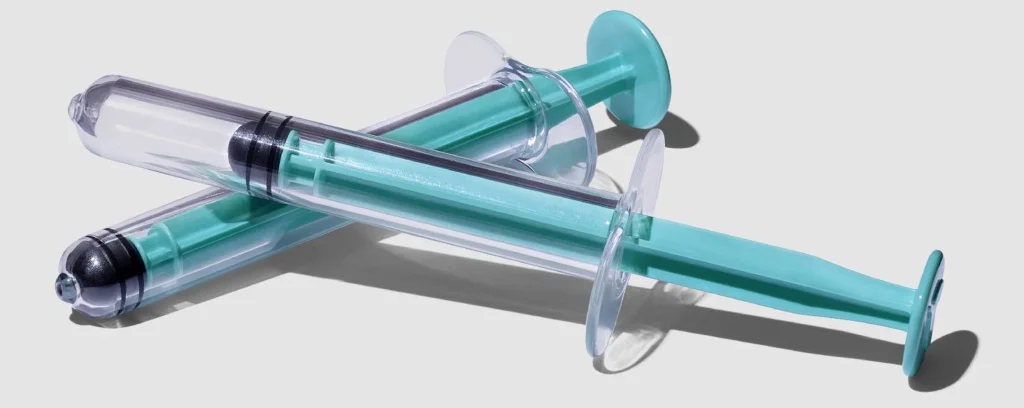
    Two transparent syringes with teal accents positioned diagonally on a light gray background.

    DIY Fertility: Tools for Tracking Your Cycle and Ovulation

    Monitoring your cervical mucus is another DIY tool for tracking your ovulation. The cervix produces mucus throughout your menstrual cycle, and the texture and consistency of the mucus change depending on where you are in your cycle. During your fertile window, the mucus becomes thin, slippery, and clear, similar to the consistency of egg whites. This type of mucus helps sperm swim through the cervix and survive longer in the reproductive tract, increasing your chances of conceiving.

    To track your cervical mucus, you can use a clean finger to collect a sample of mucus from your vaginal opening and observe its texture and consistency. You can also use a chart or an app to record your observations and determine your fertile days.

    Ovulation Predictor Kits (OPKs)

    Ovulation Predictor Kits (OPKs) are another useful tool for tracking your ovulation. They work by detecting the surge of luteinizing hormone (LH) in your urine, which happens a day or two before ovulation. The LH surge triggers the release of the egg from the ovary, and OPKs can help you determine your most fertile days.

    OPKs are easy to use and are available over-the-counter at most drugstores. They come with test strips that you dip in your urine, and the results are usually ready within a few minutes. It’s essential to follow the instructions carefully and test at the same time each day to get accurate results.

    Menstrual Cycle Tracking Apps

    In this digital age, there are many apps available that can help you track your menstrual cycle and ovulation. These apps allow you to record your period start and end dates, BBT, cervical mucus observations, and other relevant information. They also use algorithms to predict your fertile days and notify you when you are most likely to ovulate. Some apps also allow you to track other factors such as intercourse, ovulation symptoms, and even your mood.

    While these apps are convenient, it’s essential to choose a reliable and accurate one. Look for apps with good reviews and ratings, and make sure they are backed by medical professionals. It’s also crucial to remember that these apps are not a substitute for professional medical advice and should be used as a supplement to other tracking methods.

    In conclusion, tracking your menstrual cycle and ovulation is crucial for understanding your fertility and increasing your chances of conception. Whether you choose to use BBT charting, cervical mucus monitoring, OPKs, or a combination of these methods, consistency is key. By tracking your cycle and ovulation, you can take control of your reproductive health and make informed decisions about your fertility journey.

    Summary:

    Tracking your menstrual cycle and ovulation is crucial for understanding your fertility and increasing your chances of conception. By tracking your BBT, cervical mucus, using OPKs, or a menstrual cycle tracking app, you can determine your fertile days and take control of your reproductive health. These DIY tools require consistency and are not a substitute for professional medical advice.

  • Fertility DIY: Tools for Taking Charge of Your Fertility

    Fertility DIY: Tools for Taking Charge of Your Fertility

    Fertility is a complex and often misunderstood aspect of our reproductive health. Many people struggle with fertility issues and feel like they have little control over their own bodies. However, there are steps that you can take to better understand your fertility and increase your chances of conceiving. In this blog post, we will discuss the concept of fertility DIY and explore some tools that can help you take charge of your fertility journey.

    What is Fertility DIY?

    Fertility DIY, or Do-It-Yourself, is a term that refers to taking a proactive and hands-on approach to understanding and improving your fertility. It involves learning about your body, tracking your menstrual cycle, and making lifestyle changes to optimize your reproductive health. Fertility DIY empowers individuals to take control of their fertility journey and make informed decisions about their reproductive health.

    Tools for Fertility DIY

    1. Ovulation Predictor Kits (OPKs)

    Tracking your ovulation is a crucial aspect of fertility DIY. Ovulation predictor kits are a useful tool for determining when you are most likely to conceive. These kits detect the surge in luteinizing hormone (LH) in your urine, which occurs 24-48 hours before ovulation. By tracking your LH surge, you can pinpoint your most fertile days and increase your chances of getting pregnant.

    2. Fertility Apps

    In today’s digital age, there are many fertility apps available that can help you track your menstrual cycle, ovulation, and other important fertility-related information. These apps offer features such as period and ovulation tracking, fertility predictions, and personalized insights based on your data. Some popular fertility apps include Clue, Flo, and Kindara.

    3. Basal Body Temperature (BBT) Thermometer

    Tracking your basal body temperature (BBT) is another crucial aspect of fertility DIY. Your BBT is your body’s temperature at rest, and it can change slightly throughout your menstrual cycle. By tracking your BBT every morning before getting out of bed, you can determine when you have ovulated and when your next period is due. This information can help you plan for intercourse during your most fertile days.

    at-home insemination kit by Mosie Baby, featuring syringes and containers for comfort and convenience.

    Fertility DIY: Tools for Taking Charge of Your Fertility

    4. Fertility Monitors

    Fertility monitors are advanced devices that track your hormone levels to predict ovulation. These monitors work by analyzing your saliva or urine for the presence of hormones such as estrogen and LH. Some monitors also come with a connected app that helps you track your data and provides personalized insights. Popular fertility monitors include OvaCue and Daysy.

    5. Cervical Mucus Monitoring

    Monitoring your cervical mucus is another essential aspect of fertility DIY. Your cervical mucus changes throughout your menstrual cycle, becoming more abundant and stretchy around the time of ovulation. By tracking your cervical mucus, you can determine when you are most fertile and increase your chances of conceiving.

    6. Fertility-Boosting Supplements

    There are several supplements that can help boost your fertility and improve your chances of getting pregnant. These include folic acid, vitamin D, and omega-3 fatty acids. It is essential to consult with your healthcare provider before starting any new supplements, as they may interact with other medications or have adverse effects on your health.

    7. Lifestyle Changes

    In addition to using tools and tracking methods, making lifestyle changes can also play a significant role in improving fertility. These may include maintaining a healthy diet, reducing stress, getting enough sleep, and avoiding harmful substances such as alcohol and tobacco. It is also crucial to establish a healthy exercise routine and maintain a healthy weight, as being overweight or underweight can impact fertility.

    Benefits of Fertility DIY

    The primary benefit of fertility DIY is that it gives individuals more control over their fertility journey. By using the tools and methods mentioned above, you can better understand your body’s natural rhythms and take proactive steps to improve your chances of conceiving. Fertility DIY also allows you to track your progress and make informed decisions about any necessary medical interventions.

    Summary

    Fertility DIY is a proactive and hands-on approach to understanding and improving fertility. It involves using tools such as ovulation predictor kits, fertility apps, BBT thermometers, and fertility monitors to track your menstrual cycle and determine when you are most fertile. Additionally, monitoring cervical mucus and making lifestyle changes can also play a significant role in improving fertility. Fertility DIY empowers individuals to take control of their fertility journey and make informed decisions about their reproductive health.

  • Taking Control of Your Fertility: Why the Conception on Your Own Terms Kit is a Must-Have

    Taking Control of Your Fertility: Why the Conception on Your Own Terms Kit is a Must-Have

    For many women, fertility can be a source of stress, confusion, and even disappointment. Whether you are trying to conceive or prevent pregnancy, navigating the world of fertility can be overwhelming. The good news is that there are now tools and resources available to help you take control of your fertility journey and make informed decisions about your reproductive health. One such tool is the Conception on Your Own Terms Kit, a comprehensive kit designed to empower women to understand and track their fertility. In this blog post, we will explore the importance of taking control of your fertility and why the Conception on Your Own Terms Kit is a must-have for women of all ages.

    Understanding the Importance of Taking Control of Your Fertility

    Fertility is a natural and essential aspect of a woman’s reproductive health. However, many women do not fully understand their fertility and the factors that can affect it. This lack of knowledge can lead to unintended pregnancies, fertility issues, and even emotional distress. Taking control of your fertility means educating yourself about your body, its reproductive functions, and the various options available to you for managing your fertility.

    By taking control of your fertility, you can make informed decisions about when to try to conceive, when to use contraception, and when to seek medical help. This knowledge also gives you the power to take proactive steps to improve your fertility, such as making lifestyle changes or seeking fertility treatments if needed. Ultimately, taking control of your fertility can help you feel more confident and in charge of your reproductive health.

    The Conception on Your Own Terms Kit: What it is and How it Can Help

    The Conception on Your Own Terms Kit is a comprehensive fertility tracking kit that includes everything you need to understand and manage your fertility. The kit includes a basal body thermometer, ovulation predictor tests, a fertility tracking calendar, and a guidebook that explains the basics of fertility and how to use the kit effectively.

    One of the standout features of this kit is the basal body thermometer, which allows you to track your basal body temperature (BBT) accurately. BBT tracking is an essential tool for predicting ovulation and understanding your menstrual cycle. By tracking your BBT, you can determine when you are most fertile and increase your chances of conceiving or avoiding pregnancy.

    hand holding a pregnancy test with instructions on a colorful background

    Taking Control of Your Fertility: Why the Conception on Your Own Terms Kit is a Must-Have

    The kit also includes ovulation predictor tests, which measure the levels of luteinizing hormone (LH) in your urine. LH is the hormone that triggers ovulation, and by testing for it, you can pinpoint the most fertile days of your cycle. The fertility tracking calendar included in the kit helps you keep track of your BBT, ovulation predictor test results, and other fertility-related information, making it easier to identify patterns and plan for conception or contraception.

    Why the Conception on Your Own Terms Kit is a Must-Have

    There are several reasons why the Conception on Your Own Terms Kit is a must-have for women who want to take control of their fertility. First and foremost, the kit is incredibly user-friendly and accessible. The guidebook provides clear and easy-to-understand instructions on how to track your fertility, and the included tools are straightforward to use. This makes the kit suitable for women of all ages, whether you are new to fertility tracking or have been doing it for years.

    Additionally, the Conception on Your Own Terms Kit is affordable and a one-time purchase. Unlike other fertility tracking methods, such as ovulation predictor kits or fertility apps, the kit does not require monthly or yearly subscriptions, saving you money in the long run. Plus, the kit comes with enough ovulation predictor tests to last several months, making it a cost-effective option for women trying to conceive.

    Furthermore, the Conception on Your Own Terms Kit is a non-invasive and natural way to track your fertility. Unlike hormonal birth control methods, which can have side effects, the kit relies on your body’s natural signs and signals to determine your fertility. This makes it a safer and more holistic approach to managing your fertility.

    Finally, the Conception on Your Own Terms Kit is a versatile tool that can be used for both conception and contraception. Whether you are trying to get pregnant or want to avoid pregnancy, the kit provides accurate and reliable information to help you make the best decisions for your reproductive health.

    In conclusion, taking control of your fertility is crucial for any woman who wants to make informed decisions about her reproductive health. The Conception on Your Own Terms Kit is a must-have for any woman looking to track her fertility accurately and effectively. With its user-friendly design, affordability, and versatility, the kit empowers women to take control of their fertility journey and make choices that align with their goals and preferences.

    SEO Metadata:

  • DIY Fertility Solutions: The Importance of Tracking Ovulation

    Blog post:

    Fertility is a complex and deeply personal subject for many people. Whether you are trying to conceive or simply want to better understand your body and reproductive health, tracking ovulation is a crucial step in the process. While there are many DIY fertility solutions available, tracking ovulation is often overlooked and undervalued. In this blog post, we will discuss the importance of tracking ovulation and how it can help you take control of your fertility journey.

    What is ovulation?

    Ovulation is the process in which a mature egg is released from the ovary, ready to be fertilized by sperm. This usually occurs once a month, around day 14 of a 28-day menstrual cycle. However, every woman’s body is different and ovulation can occur at different times for different individuals. Tracking ovulation helps you determine when this process is happening in your body, which is crucial for understanding your fertility and planning for pregnancy.

    Why is tracking ovulation important?

    1. Understanding your menstrual cycle

    Tracking ovulation allows you to better understand your menstrual cycle. Many women are taught from a young age that a regular 28-day cycle is the norm, but the reality is that cycles can vary greatly from person to person. By tracking ovulation, you can determine the length of your cycle, how long your luteal phase (the time between ovulation and the start of your period) is, and whether your cycle is consistent or irregular. This information can be helpful in identifying potential fertility issues and seeking appropriate medical assistance if needed.

    2. Predicting your most fertile days

    Ovulation is the key to conception and tracking it can help you determine your most fertile days. The egg is only viable for around 12-24 hours after ovulation, while sperm can survive in the reproductive tract for up to 5 days. By tracking ovulation and knowing when it is likely to occur, you can plan to have intercourse during your most fertile days, increasing your chances of getting pregnant.

    3. Identifying potential fertility issues

    Tracking ovulation can also help identify potential fertility issues. For example, if you consistently have irregular cycles or do not ovulate at all, it could indicate an underlying issue such as polycystic ovary syndrome (PCOS) or a hormonal imbalance. By tracking ovulation and noting any irregularities, you can bring this information to your doctor and seek proper treatment.

    4. Avoiding unwanted pregnancy

    at-home insemination kit featuring a syringe and container for fresh or donor sperm conception

    DIY Fertility Solutions: The Importance of Tracking Ovulation

    On the flip side, tracking ovulation can also help you avoid unwanted pregnancy. By understanding your fertile window and avoiding intercourse during that time, you can prevent unintended pregnancies without relying solely on birth control methods. This can be especially beneficial for women who may have adverse reactions to hormonal birth control or are trying to conceive in the future.

    DIY fertility solutions for tracking ovulation

    Now that we understand the importance of tracking ovulation, let’s discuss some DIY fertility solutions that can help make this process easier and more accurate.

    1. Basal body temperature (BBT) charting

    BBT charting involves taking your temperature every morning before getting out of bed and charting it on a graph. Before ovulation, your BBT will be lower, but after ovulation, it rises slightly due to an increase in progesterone. By tracking your BBT over the course of a few months, you can determine when ovulation occurs in your cycle.

    2. Ovulation predictor kits (OPKs)

    OPKs work by detecting the presence of luteinizing hormone (LH) in your urine. LH levels surge just before ovulation, so by using an OPK, you can predict when you are about to ovulate. These kits can be purchased over the counter and are relatively easy to use.

    3. Cervical mucus monitoring

    The consistency and amount of cervical mucus changes throughout your menstrual cycle. During ovulation, it becomes thinner and stretchier, resembling the consistency of egg whites. By monitoring your cervical mucus, you can determine when you are most fertile.

    4. Fertility tracking apps

    In today’s digital age, there are many fertility tracking apps available for download. These apps allow you to input data such as your period start and end dates, BBT, and other fertility signs. They then use algorithms to predict when ovulation is likely to occur and when you are most fertile.

    In summary, tracking ovulation is an essential step in understanding your fertility and planning for pregnancy. By doing so, you can better understand your menstrual cycle, predict your most fertile days, identify potential fertility issues, and even avoid unwanted pregnancy. With the help of DIY fertility solutions such as BBT charting, OPKs, cervical mucus monitoring, and fertility tracking apps, tracking ovulation has never been easier or more accessible.

  • DIY Baby-Making: Essential Tools for Tracking Cervical Mucus

    Blog Post: DIY Baby-Making: Essential Tools for Tracking Cervical Mucus

    Are you and your partner trying to conceive? One of the most important factors in successful baby-making is understanding your monthly cycle and monitoring your cervical mucus. This may seem like a daunting task, but with the right tools and knowledge, you can easily track your cervical mucus and increase your chances of getting pregnant. In this blog post, we will discuss the essential tools for tracking cervical mucus and how to use them effectively.

    Understanding Cervical Mucus

    Before we dive into the tools, let’s first understand what cervical mucus is and why it is important for conception. Cervical mucus is a fluid produced by your cervix that changes in consistency and color throughout your menstrual cycle. It is an essential part of the female reproductive system, as it helps sperm travel through the cervix to reach the egg.

    During your menstrual cycle, your cervical mucus goes through different stages, which can indicate your most fertile days. In the days leading up to ovulation, your cervical mucus becomes thin, stretchy, and clear, resembling the consistency of egg whites. This type of mucus is ideal for sperm to swim through and fertilize an egg. Tracking your cervical mucus can help you determine when you are most fertile and increase your chances of getting pregnant.

    1. Ovulation Predictor Kits

    Ovulation predictor kits (OPKs) are one of the most popular tools for tracking cervical mucus. These kits work by detecting the surge of luteinizing hormone (LH) in your urine, which occurs 24-36 hours before ovulation. OPKs are available in various forms, such as strips, sticks, and digital readers. They are easy to use and can provide accurate results.

    To use an OPK, you will need to start testing a few days before your predicted ovulation date. Follow the instructions carefully and test at the same time each day. When the test line appears as dark or darker than the control line, it means that you are about to ovulate.

    2. Basal Body Temperature Thermometer

    Basal body temperature (BBT) is your body’s lowest temperature when at rest. Tracking your BBT can help you determine when you have ovulated, as your BBT rises slightly after ovulation. For this method, you will need a basal body temperature thermometer, which is more sensitive than a regular thermometer.

    To use a BBT thermometer, you will need to take your temperature at the same time every morning before getting out of bed. It is best to keep a chart or use an app to track your temperatures, as it will help you see a pattern and determine when you have ovulated.

    pregnancy test kit with instructions, test device, and packaging on a white background

    DIY Baby-Making: Essential Tools for Tracking Cervical Mucus

    3. Cervical Mucus Chart

    A cervical mucus chart is a visual tool that allows you to track the changes in your cervical mucus throughout your menstrual cycle. It can be as simple as a handwritten chart or a more detailed one using an app or online tool. A cervical mucus chart can help you see the patterns in your mucus and determine when you are most fertile.

    To use a cervical mucus chart, you will need to observe your mucus every day and record it on the chart. This will help you determine your most fertile days and increase your chances of getting pregnant.

    4. Fertility Tracking Apps

    In this digital age, there are many fertility tracking apps available that can make tracking your cervical mucus and menstrual cycle much more manageable. These apps allow you to record your mucus, BBT, and other fertility signs, such as cervical position and ovulation pain. They also provide personalized predictions for your most fertile days and can sync with your calendar to help you plan for pregnancy.

    Some popular fertility tracking apps include Clue, Flo, and Glow. These apps are user-friendly and can be a great tool for tracking your cervical mucus and increasing your chances of conception.

    5. Saliva Ovulation Microscopes

    Saliva ovulation microscopes are another tool for tracking cervical mucus that uses your saliva to predict ovulation. These microscopes work by detecting changes in your saliva that occur due to an increase in estrogen levels before ovulation. When you observe your saliva under the microscope, you will see a fern-like pattern if you are about to ovulate.

    To use a saliva ovulation microscope, you will need to place a small amount of saliva on the lens, let it dry, and then observe it under the microscope. These microscopes are reusable and do not require any replacement kits, making them a cost-effective option for tracking your cervical mucus.

    In conclusion, tracking your cervical mucus is an essential aspect of trying to conceive. By using the right tools and methods, you can determine your most fertile days and increase your chances of getting pregnant. Ovulation predictor kits, basal body temperature thermometers, cervical mucus charts, fertility tracking apps, and saliva ovulation microscopes are all effective tools for tracking cervical mucus. Remember to be patient and consistent with your tracking, and consult with your doctor if you have any concerns or difficulties.

    Summary:

    Tracking cervical mucus is crucial for couples trying to conceive. Understanding what cervical mucus is and how it changes throughout the menstrual cycle is essential. Ovulation predictor kits, basal body temperature thermometers, cervical mucus charts, fertility tracking apps, and saliva ovulation microscopes are all effective tools for tracking cervical mucus. These tools help determine the most fertile days and increase the chances of getting pregnant. Be consistent and consult with a doctor if needed.
