Blog Post Title: From Home Insemination to Clinic Collection: Exploring Your Options for Pregnancy Planning
Summary:
Pregnancy planning is an exciting and sometimes overwhelming journey for many individuals and couples. With advancements in technology and medicine, there are now more options available for those looking to conceive. From traditional methods like at-home insemination to more advanced procedures like clinic collection, there are a variety of options to consider. In this blog post, we will explore the different methods of pregnancy planning, their pros and cons, and how to choose the best option for you.
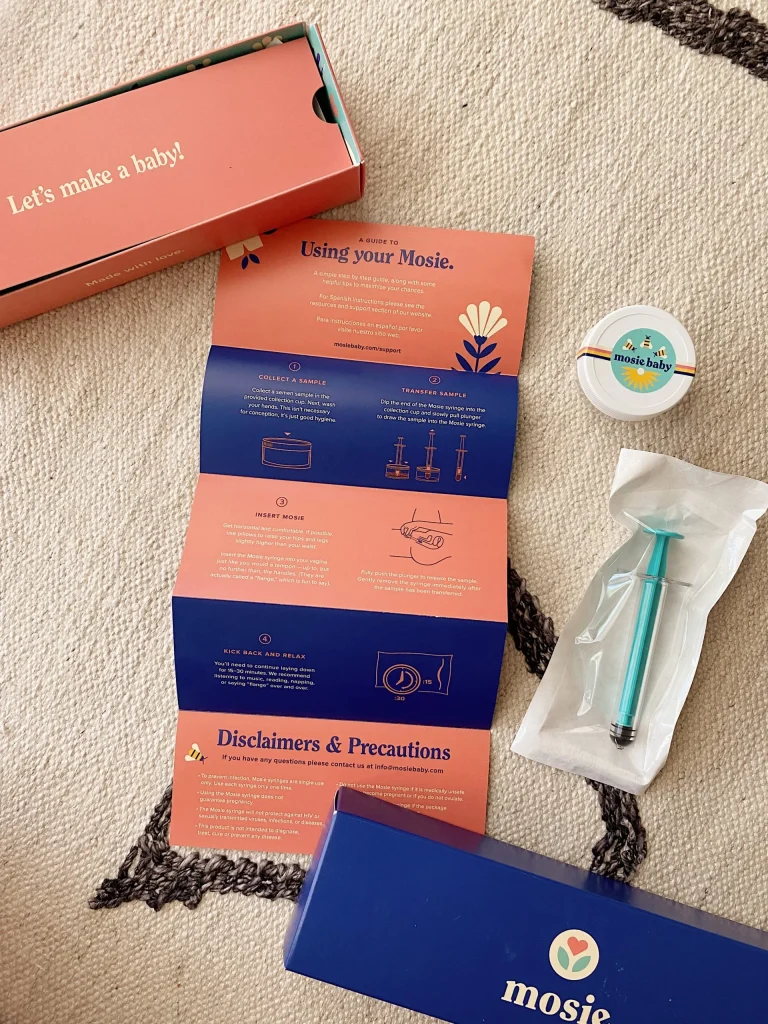
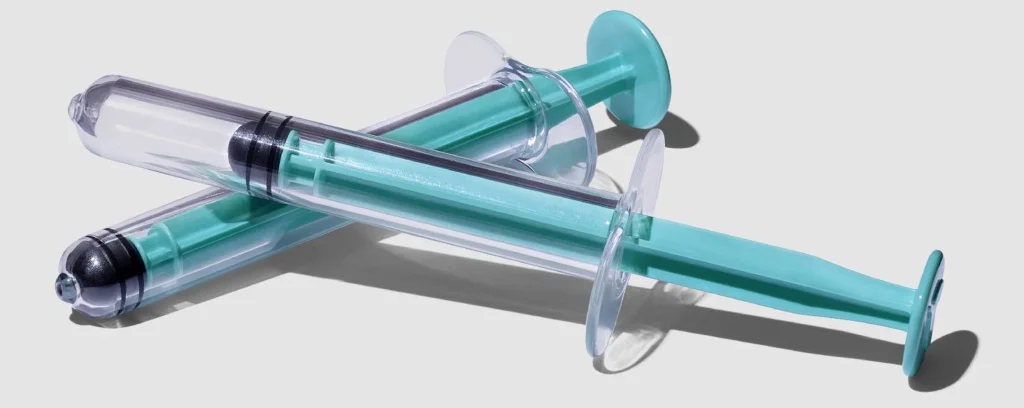
First, let’s discuss at-home insemination. This method involves using a syringe or cervical cap to insert semen into the vagina, close to the cervix, during ovulation. At-home insemination can be a cost-effective and convenient option for couples who are trying to conceive. It also allows for a more intimate and natural experience. However, there are some downsides to this method. It may not be as effective as other methods, as sperm can be lost during the process. It also requires careful planning and timing, as ovulation can be unpredictable.
Another option for pregnancy planning is using fertility apps and tracking ovulation. These apps use algorithms to predict when a person is most likely to ovulate based on their menstrual cycle and other factors. They can be a useful tool for those trying to conceive, especially when combined with other methods like at-home insemination. However, these apps are not always accurate, and relying solely on them may not result in successful conception.

From Home Insemination to Clinic Collection: Exploring Your Options for Pregnancy Planning
For couples who are struggling to conceive naturally, fertility clinics offer a range of advanced options. One of these options is intrauterine insemination (IUI). This procedure involves inserting washed and prepared sperm directly into the uterus, bypassing the cervix. It can increase the chances of conception, especially for individuals with fertility issues. However, IUI is a more invasive and expensive option compared to at-home insemination.
In vitro fertilization (IVF) is another common option offered at fertility clinics. This process involves retrieving eggs from the ovaries and fertilizing them with sperm in a laboratory. The fertilized eggs are then implanted into the uterus. IVF has a higher success rate than other methods, making it a popular choice for couples struggling with fertility. However, it is a more complex and expensive procedure that may involve multiple rounds for successful conception.
For same-sex couples or individuals who do not have a partner to provide sperm, donor insemination is a viable option. This involves using donated sperm from a sperm bank or a known donor. Donor insemination can be done through at-home insemination or at a fertility clinic. However, it is essential to ensure that proper screening and testing are done to prevent any potential health risks or legal issues.
When considering pregnancy planning options, it is crucial to consult with a fertility specialist. They can help determine the best method for your individual situation and provide guidance throughout the process. They can also address any concerns or questions you may have and monitor your progress to ensure the best chances of conception.
In conclusion, pregnancy planning is a personal journey, and there is no one-size-fits-all approach. From traditional at-home insemination to more advanced fertility treatments, there are various options available for those looking to conceive. It is essential to weigh the pros and cons of each method, consult with a fertility specialist, and choose the option that feels right for you.