Tag: stress management

  • Self-Care Practices for a More Restful and Rejuvenating Sleep

    Self-care is a crucial aspect of maintaining our physical, mental, and emotional well-being. And one of the most important ways to take care of ourselves is by prioritizing a good night’s sleep. However, with the fast-paced and busy lifestyle that many of us lead, getting a restful and rejuvenating sleep can often be a challenge. In this blog post, we will discuss some self-care practices that can help improve the quality of your sleep and leave you feeling refreshed and energized in the morning.

    1. Create a Relaxing Bedtime Routine
    Having a consistent bedtime routine can signal to your body that it’s time to wind down and get ready for sleep. This routine can include activities such as taking a warm bath, reading a book, or practicing relaxation techniques like deep breathing or meditation. Avoid using electronic devices at least an hour before bedtime as the blue light emitted from these devices can disrupt your body’s natural sleep-wake cycle.

    2. Invest in a Comfortable Mattress and Bedding
    The quality of your sleep is greatly influenced by the comfort level of your mattress and bedding. It’s important to invest in a good quality mattress that provides proper support for your body. Additionally, choose bedding that is soft, breathable, and comfortable. This will not only help you fall asleep faster but also ensure that you stay asleep without any discomfort.

    3. Create a Calming Sleep Environment
    The environment in which you sleep plays a significant role in the quality of your sleep. Make your bedroom a peaceful and clutter-free space. Use blackout curtains or an eye mask to block out any light that may disrupt your sleep. Keep the room at a cool temperature and use a white noise machine or earplugs to block out any disturbing sounds.

    4. Practice Stress-Relieving Activities
    Stress and anxiety can greatly impact our ability to fall asleep and stay asleep. It’s important to find ways to manage stress and incorporate them into your bedtime routine. This could include journaling, listening to calming music, or practicing yoga or gentle stretching. Find what works best for you and make it a part of your nightly routine.

    5. Limit Caffeine and Alcohol Intake
    Caffeine and alcohol consumption can have a significant impact on our sleep. Caffeine is a stimulant that can keep us awake and disrupt our sleep patterns, while alcohol may initially make us feel drowsy but can lead to poor quality sleep. It’s best to limit caffeine intake to the morning and avoid consuming alcohol close to bedtime.
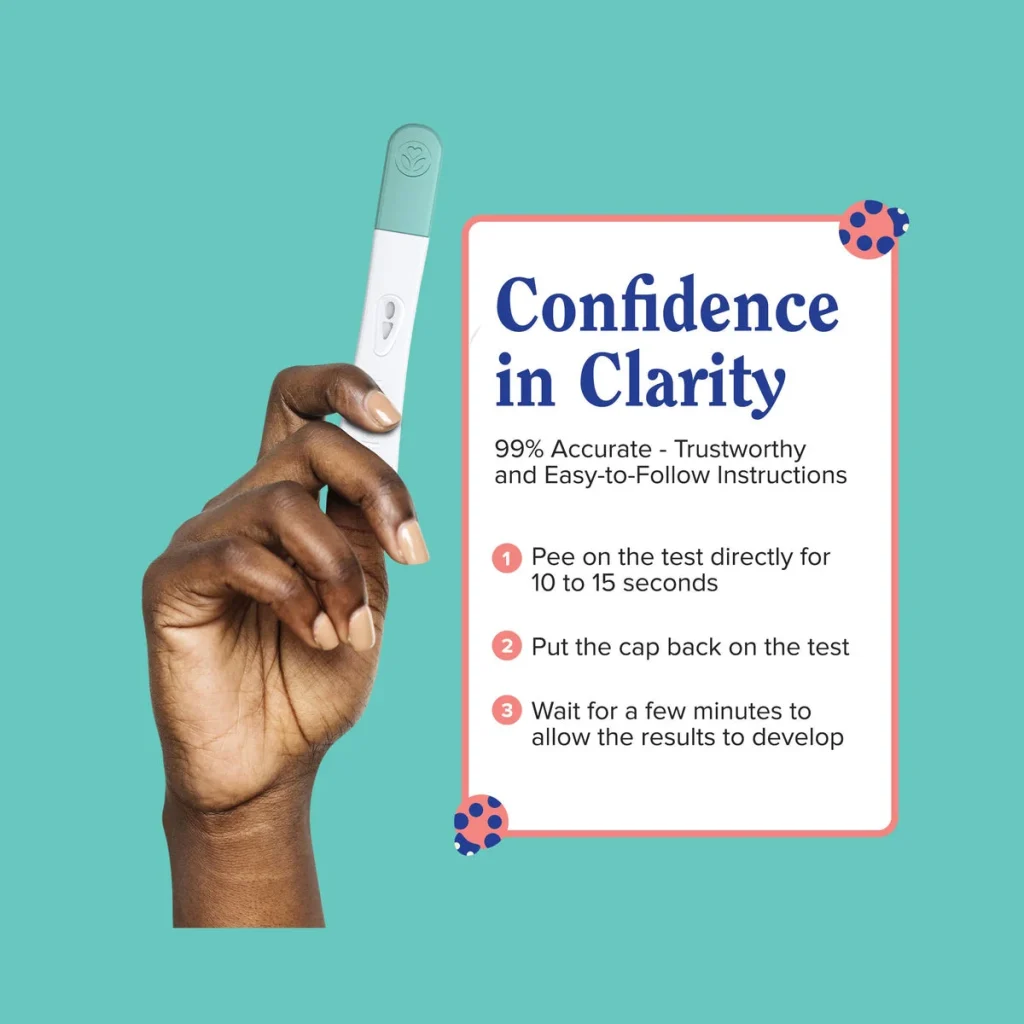
    hand holding a pregnancy test with instructions on a colorful background

    Self-Care Practices for a More Restful and Rejuvenating Sleep

    6. Incorporate Relaxation Techniques
    Incorporating relaxation techniques such as progressive muscle relaxation or guided imagery can help calm the mind and prepare the body for sleep. These techniques can be especially beneficial for individuals who struggle with racing thoughts or anxiety before bedtime. You can find guided meditations or relaxation exercises online or through meditation apps.

    7. Create a Comfortable Sleep Position
    Finding a comfortable sleep position is crucial for a restful sleep. It’s important to choose a position that supports your body and doesn’t cause any discomfort. Experiment with different positions and use pillows to support your neck, back, and knees if needed. Additionally, avoid sleeping on your stomach as it can strain your neck and back.

    8. Try Natural Sleep Aids
    There are many natural sleep aids available that can help promote a restful sleep. Some popular options include melatonin, valerian root, and chamomile tea. However, it’s important to consult with your doctor before incorporating any new supplements into your routine.

    9. Practice Gratitude and Reflection
    Practicing gratitude and reflection before bedtime can help calm the mind and promote a sense of peace. Take a few minutes to reflect on your day and focus on the positive aspects. Write down things you are grateful for or keep a gratitude journal. This practice can help reduce stress and promote a more restful sleep.

    10. Seek Professional Help if Needed
    If you consistently struggle with getting a good night’s sleep, it’s important to seek professional help. A doctor or therapist can help identify any underlying issues that may be causing your sleep problems and provide guidance on how to address them. They may also recommend a sleep study to identify any sleep disorders that may be hindering your ability to get restful sleep.

    In conclusion, incorporating self-care practices into your bedtime routine can greatly improve the quality of your sleep and leave you feeling more rested and rejuvenated in the morning. By creating a relaxing environment, managing stress, and practicing relaxation techniques, you can promote a better night’s sleep and ultimately improve your overall well-being.


  • The 22 Best Self-Care Practices for a Stress-Free Mindset

    Self-care has become a buzzword in recent years, and for good reason. With the constant stressors of daily life, it’s important to prioritize taking care of ourselves mentally, emotionally, and physically. When we neglect self-care, we can quickly become overwhelmed and burnt out, leading to a negative mindset and a decline in overall well-being. In this blog post, we will explore the 22 best self-care practices for a stress-free mindset.

    1. Practice Mindfulness and Meditation
    Mindfulness and meditation are powerful tools for reducing stress and promoting a positive mindset. Take a few minutes each day to sit in a quiet space and focus on your breath, letting go of any racing thoughts or worries. You can also try guided meditations or mindfulness exercises to help you stay present and calm.

    2. Get Enough Sleep
    Lack of sleep can have a significant impact on our mental and emotional well-being. Make sure to prioritize getting 7-9 hours of sleep each night to give your mind and body the rest it needs. Create a relaxing bedtime routine and avoid screens before bed to improve your sleep quality.

    3. Move Your Body
    Regular exercise not only has physical benefits but also helps to reduce stress and improve mood. Find a form of exercise that you enjoy and make it a regular part of your routine. Even a short walk or yoga session can provide a much-needed mental break from the stresses of daily life.

    4. Eat Nutritious Foods
    Our diet plays a significant role in our overall well-being, including our mental health. Make sure to fuel your body with nutritious foods that give you sustained energy and support a healthy mind. Aim for a balanced diet with plenty of fruits, vegetables, whole grains, and lean proteins.

    5. Connect with Nature
    Spending time in nature has been shown to reduce stress and improve mood. Make time to go for a walk in the park, hike in the mountains, or simply sit outside and soak up some vitamin D. Disconnect from technology and take in the beauty of the natural world around you.

    6. Practice Gratitude
    Gratitude is a powerful practice that can shift our mindset from negative to positive. Each day, take a few minutes to reflect on what you are grateful for. This can be as simple as a roof over your head or the people in your life. Cultivating a grateful mindset can improve overall happiness and well-being.

    7. Set Boundaries
    Learning to say no and setting boundaries is crucial for self-care. It’s okay to prioritize your needs and say no to things that don’t align with your well-being. Set clear boundaries with others and make time for yourself without feeling guilty.

    8. Spend Time with Loved Ones
    Social connection is essential for our mental health and well-being. Make time to connect with friends and family, whether it’s through a phone call, video chat, or in-person visit. Surrounding ourselves with loved ones can uplift our mood and provide a sense of support and belonging.

    9. Engage in Creative Activities
    Engaging in creative activities can be a form of self-care and stress relief. Whether it’s painting, writing, playing an instrument, or cooking, find a creative outlet that brings you joy and allows you to express yourself.

    10. Take Breaks and Rest
    In our fast-paced world, it’s crucial to take breaks and rest when needed. Pushing ourselves too hard can lead to burnout and a negative mindset. Listen to your body and rest when you need it, whether it’s taking a nap or simply taking a few minutes to breathe and relax.

    11. Declutter Your Space
    Our environment can have a significant impact on our mental state. Take some time to declutter and organize your space. A clean and organized environment can help to reduce stress and promote a sense of calm and control.

    at-home insemination kit with syringes, collection cups, and instructions on a pink background

    The 22 Best Self-Care Practices for a Stress-Free Mindset

    12. Engage in Self-Care Activities
    Self-care activities can vary from person to person, but the key is to find activities that bring you joy and help you relax. This can be anything from taking a bubble bath, reading a book, or watching your favorite movie. Make time for self-care activities regularly to recharge and replenish your mind and body.

    13. Limit Social Media Use
    Social media can be a major source of stress and comparison. Make sure to set boundaries and limit your social media use, especially if it tends to negatively impact your mental health. Consider taking breaks from social media altogether to focus on your own well-being.

    14. Practice Deep Breathing
    Deep breathing exercises can help to reduce stress and promote a sense of calm. Whenever you feel overwhelmed or anxious, take a few deep breaths, filling your lungs and exhaling slowly. This can help to slow down your heart rate and bring your mind back to the present moment.

    15. Practice Self-Compassion
    We are often our own worst critics, but practicing self-compassion can help to improve our mindset and overall well-being. Instead of beating yourself up over mistakes or shortcomings, practice self-compassion and treat yourself with kindness and understanding.

    16. Try Aromatherapy
    Certain scents can have a powerful effect on our mood and mindset. Consider trying aromatherapy with essential oils like lavender, peppermint, or citrus to promote relaxation and reduce stress.

    17. Learn to Let Go
    Letting go of things that are out of our control can help to reduce stress and promote a more positive mindset. Practice acceptance and focus on what you can control rather than dwelling on things you can’t change.

    18. Keep a Journal
    Journaling can be a therapeutic practice for improving our mental and emotional well-being. Write down your thoughts, feelings, and experiences to help process and release any negative emotions. You can also use journaling as a tool for gratitude and self-reflection.

    19. Practice Self-Reflection
    Taking the time to reflect on our thoughts, feelings, and actions can help us gain insight into our mindset and well-being. Make it a habit to check in with yourself regularly and reflect on what is working and what needs improvement.

    20. Seek Professional Help
    Sometimes, self-care practices may not be enough, and it’s essential to seek professional help. If you are struggling with your mental health, don’t hesitate to reach out to a therapist or counselor who can provide support and guidance.

    21. Learn Stress Management Techniques
    Stress is a natural part of life, but learning how to manage it effectively can improve our mindset and overall well-being. Consider learning techniques like time management, assertiveness, and problem-solving to better handle stressors in your life.

    22. Be Patient and Kind to Yourself
    Finally, be patient and kind to yourself on your self-care journey. It takes time and effort to cultivate a stress-free mindset, and there will be ups and downs along the way. Remember to be gentle with yourself and celebrate small victories.

    In summary, self-care practices are essential for maintaining a stress-free mindset and improving our overall well-being. From mindfulness and meditation to seeking professional help, find what works best for you and make self-care a priority in your daily life.

  • Embracing Self-Care: 22 Ways to Prioritize Your Needs

    Self-care has become a buzzword in recent years, but what does it actually mean? At its core, self-care is about prioritizing your own needs and taking care of yourself physically, mentally, and emotionally. It is not selfish or indulgent, but rather a necessary practice for maintaining overall well-being. In a world that is constantly demanding our time and energy, it is important to take a step back and make self-care a priority. In this blog post, we will delve into 22 ways to embrace self-care and make it a regular part of our lives.

    1. Identify your needs and boundaries
    The first step in embracing self-care is to identify your needs and set boundaries. This means taking the time to reflect on what makes you feel happy, fulfilled, and at peace. It also means recognizing what drains your energy and setting boundaries to protect your well-being.

    2. Prioritize rest and sleep
    In today’s fast-paced world, rest and sleep are often overlooked. However, getting enough rest and quality sleep is crucial for our physical and mental health. Make it a priority to get at least 7-8 hours of sleep each night and take breaks throughout the day to rest and recharge.

    3. Nourish your body
    Self-care also includes taking care of our physical health. This means nourishing our bodies with nutritious food, staying hydrated, and engaging in regular physical activity. Treat your body with love and respect by fueling it with healthy choices.

    4. Practice mindfulness
    Mindfulness is the practice of being present in the moment and paying attention to our thoughts and feelings without judgment. It can help reduce stress and anxiety and improve overall well-being. Incorporate mindfulness into your daily routine by taking a few minutes to focus on your breath or engaging in a mindful activity like yoga or meditation.

    5. Set realistic goals
    Setting unrealistic goals can lead to burnout and feelings of failure. Instead, set realistic and achievable goals for yourself. This will not only help you stay motivated, but also prevent unnecessary stress and pressure.

    6. Say no
    Learning to say no is an important part of self-care. It is okay to decline invitations or requests that do not align with your needs or priorities. Saying no does not make you selfish, but rather shows that you value your time and energy.

    7. Learn to delegate
    Similarly, it is important to recognize when you need help and learn to delegate tasks. Trying to do everything on your own can lead to exhaustion and burnout. Delegate tasks at work or at home to free up some time for self-care activities.

    8. Unplug from technology
    In today’s digital age, it can be hard to disconnect from technology. However, constantly being plugged in can be draining and overwhelming. Take breaks from your phone, computer, and social media to give your mind a rest.

    9. Find a creative outlet
    Engaging in a creative activity can be a great form of self-care. Whether it’s painting, writing, or playing an instrument, finding a creative outlet can help reduce stress and improve overall well-being.

    10. Spend time in nature
    Spending time in nature has been proven to have numerous benefits for our mental and physical health. Take a walk in the park, go for a hike, or simply sit outside and enjoy the fresh air. Connecting with nature can be a powerful form of self-care.

    11. Journal
    Writing down your thoughts and feelings can be a therapeutic form of self-care. Set aside some time each day to journal and reflect on your experiences, emotions, and goals.

    at-home insemination kit by Mosie Baby, featuring syringes, collection cups, and instructions on a pink background.

    Embracing Self-Care: 22 Ways to Prioritize Your Needs

    12. Connect with loved ones
    Spending time with loved ones and building strong relationships is an important aspect of self-care. Make time for friends and family, and prioritize nurturing these connections.

    13. Set aside time for yourself
    It is easy to get caught up in the hustle and bustle of daily life, but it is important to set aside time for yourself. Schedule in some “me time” each week to do something that you enjoy and helps you relax.

    14. Practice self-compassion
    We are often our own harshest critics, but it is important to practice self-compassion. Treat yourself with kindness, understanding, and forgiveness. Remember that you are only human and it is okay to make mistakes.

    15. Learn to manage stress
    Stress is a part of life, but it is important to find healthy ways to manage it. This could include exercise, meditation, or talking to a therapist. Find what works best for you and make it a regular part of your self-care routine.

    16. Get enough sunlight
    Sunlight is a natural source of Vitamin D, which plays a crucial role in our mental and physical health. Make an effort to spend some time outside each day to soak up some sunlight.

    17. Celebrate your accomplishments
    We often focus on our failures and shortcomings, but it is equally important to celebrate our accomplishments. Take time to acknowledge and celebrate your successes, no matter how small they may seem.

    18. Take breaks
    It is important to take breaks throughout the day, especially when you are feeling overwhelmed or stressed. Use this time to relax, recharge, and refocus your energy.

    19. Learn to say positive affirmations
    Positive affirmations are statements that can help challenge and overcome negative thoughts. Incorporate them into your daily routine to boost self-confidence and promote a more positive mindset.

    20. Seek support when needed
    Self-care does not mean doing everything on your own. It is important to seek support when needed, whether it be from friends, family, or a therapist. Remember that it is okay to ask for help.

    21. Embrace imperfection
    Perfectionism can be a roadblock to self-care. Instead of striving for perfection, embrace imperfection and focus on progress rather than perfection.

    22. Be patient with yourself
    Lastly, be patient with yourself. Self-care is a journey and it takes time to develop healthy habits. Be kind and patient with yourself as you navigate this process.

    In summary, self-care is not just about bubble baths and face masks. It is about prioritizing your needs, setting boundaries, and taking care of yourself physically, mentally, and emotionally. By incorporating these 22 ways to embrace self-care into your daily routine, you can improve your overall well-being and lead a more fulfilling life.

  • The Importance of Self-Care: 22 Tips for a Healthier and Happier You

    Summary:

    Self-care is an essential aspect of maintaining a healthy and happy life. It involves consciously taking care of oneself physically, mentally, and emotionally. In today’s fast-paced world, it can be easy to neglect self-care, but it is crucial to prioritize it for overall well-being. This blog post will discuss the importance of self-care and provide 22 tips for a healthier and happier you.

    The Importance of Self-Care:

    1. Reduces stress and anxiety: Taking time for self-care activities can help reduce stress and anxiety levels. It allows you to recharge and refresh, leading to a calmer and more relaxed state of mind.

    2. Boosts self-esteem: When you take care of yourself, you are showing yourself love and kindness, which can boost your self-esteem. It also helps you appreciate yourself and your worth.

    3. Improves physical health: Self-care involves taking care of your physical health, such as getting enough sleep, eating nutritious meals, and exercising regularly. These habits can improve your overall physical health and prevent illnesses.

    4. Enhances mental health: By incorporating self-care into your routine, you can improve your mental health. It can help reduce symptoms of depression and anxiety and improve overall well-being.

    5. Increases productivity: When you are well-rested, nourished, and in a positive state of mind, you are more likely to be productive in your daily tasks.

    6. Prevents burnout: Neglecting self-care can lead to exhaustion and burnout. Taking breaks and engaging in self-care activities can help prevent burnout and improve overall work performance.

    7. Improves relationships: Self-care allows you to take care of yourself, making you more emotionally stable and better equipped to handle relationships.

    22 Tips for a Healthier and Happier You:

    1. Get enough sleep: Aim for 7-9 hours of sleep every night to recharge and allow your body to rest.

    2. Eat nutritious meals: Fuel your body with healthy and nutritious meals to improve physical and mental health.

    3. Stay hydrated: Drink enough water to stay hydrated and improve overall health.

    4. Exercise regularly: Engage in physical activities you enjoy to stay active and improve your physical and mental well-being.

    5. Take breaks: Don’t forget to take breaks throughout the day. It can help you recharge and boost productivity.

    6. Practice mindfulness: Take a few minutes each day to practice mindfulness, such as meditation or deep breathing, to reduce stress and improve mental clarity.

    comparison of Mosie syringe opening versus standard syringe opening with text highlighting benefits

    The Importance of Self-Care: 22 Tips for a Healthier and Happier You

    7. Disconnect from technology: Set aside time each day to disconnect from technology and unplug. It can help reduce stress and improve sleep quality.

    8. Set boundaries: Learn to say no and set boundaries to avoid overcommitting and feeling overwhelmed.

    9. Spend time alone: Take time for yourself to reflect, relax, and recharge. It can help improve self-awareness and reduce stress.

    10. Engage in hobbies: Make time for activities you enjoy, such as reading, painting, or playing a musical instrument. It can help reduce stress and improve overall happiness.

    11. Surround yourself with positive people: Surrounding yourself with positive and supportive people can have a significant impact on your mental health and overall well-being.

    12. Practice self-compassion: Be kind and understanding towards yourself, especially during difficult times.

    13. Get regular check-ups: Don’t neglect your physical health. Schedule regular check-ups to catch any potential health issues early on.

    14. Take care of your skin: Practicing good skincare habits can improve your physical appearance and boost self-confidence.

    15. Declutter your space: A cluttered space can lead to a cluttered mind. Take the time to declutter and organize your living space for a more peaceful and productive environment.

    16. Learn to manage stress: Find healthy ways to manage stress, such as exercise, meditation, or talking to a therapist.

    17. Practice gratitude: Take a few minutes each day to reflect on what you are grateful for. It can improve overall happiness and perspective.

    18. Engage in self-care activities: Find activities that bring you joy and make time for them regularly, whether it’s taking a relaxing bath, reading a book, or going for a walk.

    19. Learn to say no: Don’t be afraid to say no to things that don’t align with your values or priorities. It can help reduce stress and improve time management.

    20. Laugh often: Laughter is the best medicine. Make time for activities that make you laugh and bring joy into your life.

    21. Get outside: Spending time in nature can have a positive impact on mental health and overall well-being.

    22. Seek help when needed: Don’t be afraid to reach out for help if you are struggling. Speaking to a therapist or seeking support from loved ones can make a significant difference.

    In conclusion, self-care is crucial for maintaining a healthy and happy life. By incorporating these 22 tips into your routine, you can improve your overall well-being and lead a more fulfilling life.

  • Discovering 22 Self-Care Practices That Will Change Your Life

    Title: Discovering 22 Self-Care Practices That Will Change Your Life

    Self-care has become a buzzword in recent years, but what does it really mean? Simply put, self-care is taking care of ourselves physically, mentally, and emotionally. It is about prioritizing our well-being and making sure that we are nurturing ourselves in all aspects of our lives. Many people may think that self-care is selfish or indulgent, but in reality, it is essential for our overall health and happiness. In this blog post, we will explore 22 self-care practices that can truly change your life.

    1. Practice Mindfulness
    Mindfulness is the act of being present in the moment and fully aware of your thoughts and feelings. It can help reduce stress and anxiety, improve focus, and increase self-awareness. You can practice mindfulness through meditation, deep breathing, or simply taking a few minutes to be still and focus on your surroundings.

    2. Get Enough Sleep
    Sleep is crucial for our physical and mental well-being. It allows our bodies to rest and recharge, and it is essential for proper brain function. Make sure to get at least 7-9 hours of sleep each night to feel rejuvenated and ready to take on the day.

    3. Set Boundaries
    Setting boundaries is an important part of self-care. It means knowing your limits and being able to communicate them to others. This can include saying no to things that don’t align with your values, taking breaks when needed, and not overextending yourself.

    4. Practice Gratitude
    Gratitude is a powerful tool for improving our overall well-being. By focusing on the things we are thankful for, we can shift our mindset to a more positive one. Make a habit of writing down three things you are grateful for each day to cultivate a grateful mindset.

    5. Move Your Body
    Exercise is not only beneficial for our physical health but also our mental health. It can boost our mood, reduce stress, and improve sleep. Find a form of movement that you enjoy, whether it’s going for a walk, dancing, or practicing yoga.

    6. Eat Nourishing Foods
    The food we put into our bodies has a significant impact on how we feel. Make sure to nourish yourself with whole, nutritious foods that will fuel your body and mind. Eating a well-balanced diet can help improve energy levels, mood, and overall health.

    7. Connect with Nature
    Spending time in nature has been shown to reduce stress, improve mood, and increase creativity. Take a walk in a park, go for a hike, or simply sit outside and enjoy the fresh air. Disconnecting from technology and connecting with nature can be incredibly therapeutic.

    8. Learn to Say No
    Saying yes to things we don’t want to do or don’t have time for can lead to burnout and resentment. Learning to say no can be challenging but is an essential part of self-care. Remember that it is okay to prioritize your needs and say no to things that don’t align with them.

    9. Take Breaks
    In our fast-paced world, it can be easy to feel like we always need to be doing something. However, taking breaks is essential for our well-being. Allow yourself to take breaks throughout the day to rest and recharge.

    10. Unplug from Technology
    Technology is a significant part of our lives, but it can also be a source of stress and anxiety. Make a conscious effort to unplug from technology for a set amount of time each day. This can help reduce distractions and allow you to be more present in the moment.

    home insemination kit components: a syringe and a collection container against a blue background.

    Discovering 22 Self-Care Practices That Will Change Your Life

    11. Learn to Manage Stress
    Stress is a part of life, but it is essential to learn how to manage it effectively. This can include deep breathing, exercise, journaling, or talking to a trusted friend or therapist. Find what works best for you and incorporate it into your routine.

    12. Find a Creative Outlet
    Engaging in a creative activity, such as painting, writing, or playing an instrument, can be an excellent way to express yourself and relieve stress. It allows you to disconnect from the outside world and focus on something that brings you joy.

    13. Practice Self-Compassion
    We are often our harshest critics, which can take a toll on our self-esteem and well-being. Practicing self-compassion means treating yourself with kindness and understanding, just as you would a friend. Be gentle with yourself and remember that it is okay to make mistakes.

    14. Surround Yourself with Positive People
    The people we surround ourselves with can have a significant impact on our well-being. Make sure to spend time with people who uplift and support you. Distance yourself from those who bring negativity into your life.

    15. Take a Mental Health Day
    Just like we take sick days when we are physically unwell, it is essential to take a mental health day when needed. This can be a day to rest, do activities that bring you joy, and recharge.

    16. Set Realistic Goals
    Setting goals is essential for personal growth, but they must be realistic. Unrealistic goals can lead to disappointment and a feeling of failure. Set smaller, achievable goals that will help you reach your bigger goals over time.

    17. Learn to Manage Your Finances
    Financial stress can take a toll on our mental and emotional well-being. Take the time to learn how to manage your finances effectively, create a budget, and save for the future. This can help reduce stress and allow you to feel more in control of your life.

    18. Practice Self-Care Rituals
    Self-care rituals are small acts that we can incorporate into our daily routine to nourish ourselves. This can include taking a bath, reading a book, or listening to calming music. Find what brings you peace and make it a part of your daily routine.

    19. Set Realistic Expectations
    Having unrealistic expectations for ourselves can lead to feelings of overwhelm and burnout. Set realistic expectations and know that it is okay to take breaks and not be perfect.

    20. Practice Forgiveness
    Holding onto grudges and past mistakes can weigh us down and prevent us from moving forward. Practice forgiveness, both for yourself and others, to let go of negative feelings and make room for positivity.

    21. Seek Help When Needed
    Remember that it is okay to ask for help when you need it. Seeking therapy or talking to a trusted friend or family member can be beneficial for our mental health. Don’t be afraid to reach out for support when you need it.

    22. Celebrate Your Achievements
    Finally, take the time to celebrate your achievements, big or small. Acknowledge your hard work and be proud of what you have accomplished. This can boost your self-confidence and motivate you to keep moving forward.

    In conclusion, self-care is crucial for our overall well-being. By incorporating these 22 self-care practices into your life, you can improve your physical, mental, and emotional health. Remember to prioritize yourself and make self-care a part of your daily routine.

  • Self-Care Practices to Boost Your Mood and Energy

    Self-care is a vital aspect of maintaining our mental and physical well-being. In today’s fast-paced and high-stress world, it is more important than ever to prioritize self-care practices that can help us boost our mood and energy. In this blog post, we will explore various self-care practices that can have a positive impact on our overall well-being.

    1. Exercise Regularly: Exercise not only helps to keep our physical health in check but also has a significant impact on our mental health. Regular exercise releases endorphins, the feel-good hormones, which can boost our mood and energy levels. It can also help reduce stress and anxiety, both of which can significantly impact our mood and energy.

    2. Get Enough Sleep: Getting enough quality sleep is crucial for our overall well-being. Lack of sleep can lead to irritability, fatigue, and low energy levels, making it difficult to function at our best. Aim for 7-9 hours of sleep each night, and establish a bedtime routine to help you relax and fall asleep faster.

    3. Practice Mindfulness: Mindfulness is the practice of being fully present in the moment and paying attention to our thoughts, feelings, and surroundings. It can help reduce stress and anxiety, which can have a negative impact on our mood and energy. Incorporate mindfulness practices such as meditation, deep breathing, or yoga into your daily routine.

    4. Eat a Balanced Diet: The food we eat plays a significant role in our mood and energy levels. A well-balanced diet consisting of fruits, vegetables, whole grains, and lean proteins can provide our body with the necessary nutrients to function at its best. Avoid excessive consumption of sugar and caffeine, which can cause mood swings and energy crashes.

    5. Connect with Others: Human connection is essential for our well-being. Make an effort to connect with friends and family regularly, whether it’s through phone calls, video chats, or in-person meetings. Social support can boost our mood and energy levels and help alleviate stress and anxiety.

    illustration comparing standard and Mosie syringe openings with text highlighting design benefits for home insemination

    Self-Care Practices to Boost Your Mood and Energy

    6. Engage in Hobbies: Hobbies are an excellent way to relax and unwind, and they can also boost our mood and energy. Engage in activities that you enjoy, such as painting, gardening, reading, or playing a musical instrument. Hobbies can provide a sense of accomplishment and satisfaction, which can positively impact our mood.

    7. Spend Time Outdoors: Spending time outdoors has numerous benefits for our mental and physical well-being. Exposure to natural light can boost our mood and energy levels, and being in nature can help reduce stress and anxiety. Take a walk in the park, go for a hike, or simply sit outside and enjoy the fresh air.

    8. Set Boundaries: Learning to say no and setting boundaries is an essential aspect of self-care. It is okay to prioritize your needs and say no to things that may drain your energy or negatively impact your mood. Set realistic expectations for yourself and communicate your boundaries to others.

    9. Practice Gratitude: Taking the time to appreciate the good things in our lives can have a significant impact on our mood and energy levels. Make a habit of practicing gratitude daily, whether it’s through journaling or simply reflecting on things you are thankful for. It can help shift your focus to the positive aspects of your life and boost your overall well-being.

    10. Seek Professional Help: If you are struggling with your mood and energy levels, do not hesitate to seek professional help. A therapist or counselor can provide you with the necessary support and guidance to improve your mental well-being.

    In conclusion, self-care practices are essential for boosting our mood and energy levels. By incorporating these self-care practices into our daily routine, we can improve our overall well-being and lead a happier and healthier life.

  • Alcohol and Cervical Mucus: How to Maintain Optimal Fertility for Women

    Blog Post:

    When it comes to fertility, there are many factors that can affect a woman’s ability to conceive. One important factor that is often overlooked is the role of alcohol consumption and its impact on cervical mucus. Cervical mucus plays a vital role in fertility and understanding how alcohol affects it can help women maintain optimal fertility. In this blog post, we will discuss the relationship between alcohol and cervical mucus and provide tips on how to maintain optimal fertility for women.

    Cervical mucus is a fluid produced by the cervix that plays a crucial role in fertility. It serves as a protective barrier, keeping the reproductive organs safe from infection and helps sperm travel through the cervix to reach the egg. The consistency and quality of cervical mucus change throughout a woman’s menstrual cycle, and this is directly influenced by hormones. As a woman approaches ovulation, her estrogen levels increase, causing the cervical mucus to become thinner, clearer, and more stretchy, making it easier for sperm to reach the egg.

    Now let’s talk about the impact of alcohol on cervical mucus. Consuming alcohol can have various effects on the body, including disrupting hormone levels. When alcohol is consumed, it is metabolized in the liver, and this process can affect the production and regulation of hormones. Studies have shown that alcohol consumption can lead to a decrease in estrogen levels, which can lead to changes in the consistency and quality of cervical mucus. This can make it more difficult for sperm to travel through the cervix and reach the egg, ultimately affecting a woman’s fertility.

    In addition to disrupting hormone levels, alcohol can also have a dehydrating effect on the body. This can lead to a decrease in cervical mucus production, making it thicker and less hospitable for sperm. Dehydration can also affect the overall health of the reproductive organs, making it more difficult for fertilization to occur.

    at-home insemination kit with syringes, collection cups, and instructions on a pink background

    Alcohol and Cervical Mucus: How to Maintain Optimal Fertility for Women

    So, what can women do to maintain optimal fertility when it comes to alcohol consumption? The first and most obvious step is to limit or avoid alcohol altogether. While occasional moderate consumption may not have a significant impact on fertility, excessive and regular alcohol intake can have detrimental effects. It is recommended for women who are trying to conceive to limit their alcohol intake to no more than one drink per day.

    Another important aspect to consider is staying hydrated. Drinking enough water can help maintain the production of cervical mucus and ensure that it is of good quality. It is recommended to drink at least 8 glasses of water per day to stay hydrated. Additionally, avoiding other dehydrating substances such as caffeine can also help maintain optimal cervical mucus production.

    In addition to limiting alcohol consumption and staying hydrated, there are other lifestyle factors that can impact cervical mucus and overall fertility. Maintaining a healthy diet, exercising regularly, and managing stress levels are all important for optimal fertility. A balanced diet rich in fruits, vegetables, and whole grains can provide essential nutrients that support reproductive health. Regular exercise can help regulate hormone levels and reduce stress, which can have a positive impact on cervical mucus production. Finding healthy ways to manage stress, such as meditation or yoga, can also be beneficial in maintaining optimal fertility.

    In conclusion, alcohol consumption can have a significant impact on cervical mucus and ultimately affect a woman’s fertility. By limiting alcohol intake, staying hydrated, and maintaining a healthy lifestyle, women can help ensure that their cervical mucus is at its best for optimal fertility. It is essential to remember that every woman’s body is different, and factors such as age and overall health can also play a role in fertility. It is always best to consult with a healthcare professional for personalized advice on maintaining optimal fertility.

    Summary:

    Alcohol consumption can have a significant impact on cervical mucus and fertility for women. The production and quality of cervical mucus are directly influenced by hormones, and alcohol consumption can disrupt hormone levels, making it more difficult for sperm to reach the egg. Staying hydrated, limiting alcohol intake, and maintaining a healthy lifestyle can all help maintain optimal fertility. It is essential to consult with a healthcare professional for personalized advice on maintaining fertility.

  • How to Naturally Balance Your Vaginal pH for Optimal Health

    Blog Post:

    The pH level of the vagina is an important factor in maintaining optimal health. A healthy vaginal pH level falls between 3.8 and 4.5, which is slightly acidic. However, certain factors such as diet, hygiene, and hormonal changes can disrupt this balance, leading to a higher or lower pH level. When the pH level is imbalanced, it can cause discomfort, itching, and infections. In this blog post, we will discuss how to naturally balance your vaginal pH for optimal health.

    1. Probiotics

    One of the best ways to balance your vaginal pH is by incorporating probiotics into your diet. Probiotics are live microorganisms that help maintain a healthy balance of good bacteria in the body. They can be found in fermented foods such as yogurt, kefir, kimchi, and sauerkraut. Probiotics can also be taken in supplement form. By consuming probiotics, you can help increase the number of good bacteria in your body, which can help maintain a healthy vaginal pH level.

    2. Avoid Harsh Soaps and Douching

    The vagina is a self-cleaning organ, and using harsh soaps or douching can disrupt the natural balance of good bacteria. Douching involves rinsing the vagina with water or other fluids, which can wash away the good bacteria and increase the pH level. It is best to avoid using scented soaps or douching products and instead opt for a gentle, unscented soap for cleansing.

    3. Maintain Good Hygiene

    Good hygiene plays a critical role in maintaining a healthy vaginal pH level. It is essential to wash the external area of the vagina with warm water and a mild soap daily. However, over-washing can also disrupt the pH balance, so it is important to find a balance. It is also recommended to wipe from front to back after using the bathroom to prevent bacteria from entering the vagina.

    4. Stay Hydrated

    Drinking plenty of water is essential for overall health, and it can also help maintain a healthy vaginal pH level. Water helps flush out toxins from the body and keeps the body hydrated. When the body is dehydrated, it can cause an imbalance in pH levels, leading to discomfort and infections.

    5. Avoid Sugary Foods

    A diet high in sugar can cause an overgrowth of yeast in the body, which can disrupt the vaginal pH balance. Yeast feeds on sugar, so it is important to limit your intake of sugary foods and drinks. Instead, opt for a diet rich in whole foods, fruits, and vegetables to maintain a healthy balance of good bacteria in the body.

    illustration comparing standard and Mosie syringe openings with text highlighting design benefits for home insemination

    How to Naturally Balance Your Vaginal pH for Optimal Health

    6. Use pH-Balanced Products

    Using pH-balanced feminine hygiene products can help maintain the natural balance of the vagina. These products are specifically designed to match the pH level of the vagina, which can help prevent irritation and infections. It is also important to change tampons and pads regularly to avoid bacteria buildup.

    7. Consider Herbal Remedies

    Certain herbs have been used for centuries to maintain a healthy vaginal pH level. These include garlic, tea tree oil, and goldenseal. Garlic has natural antimicrobial properties that can help fight off infections, while tea tree oil has anti-fungal properties that can help balance the pH level. Goldenseal is known for its ability to help maintain a balanced pH level in the body.

    8. Manage Stress Levels

    Stress can weaken the immune system and disrupt the balance of good bacteria in the body, leading to an imbalance in the vaginal pH level. Finding ways to manage stress, such as yoga, meditation, or regular exercise, can help maintain a healthy balance in the body.

    9. Wear Breathable Underwear

    Wearing tight, non-breathable underwear can create a warm and moist environment, which is ideal for bacteria to grow. This can lead to an overgrowth of bad bacteria and an imbalance in the vaginal pH level. Opt for breathable cotton underwear, and avoid wearing tight-fitting clothing for extended periods.

    10. Consult with a Healthcare Professional

    If you are experiencing persistent discomfort, itching, or unusual discharge, it is important to consult with a healthcare professional. They can perform tests to determine the cause of the imbalance and provide proper treatment if needed.

    In conclusion, maintaining a healthy vaginal pH level is essential for optimal health. By incorporating these natural methods, you can help balance the pH level and prevent discomfort and infections. Remember to listen to your body and consult with a healthcare professional if you experience any persistent symptoms.

    Summary:

    Maintaining a healthy vaginal pH level is crucial for optimal health. Factors such as diet, hygiene, and hormonal changes can disrupt this balance, leading to discomfort and infections. To naturally balance vaginal pH, incorporate probiotics, avoid harsh soaps and douching, maintain good hygiene, stay hydrated, avoid sugary foods, use pH-balanced products, consider herbal remedies, manage stress levels, wear breathable underwear, and consult with a healthcare professional if needed.

  • The Impact of Stress on Cervical Mucus and Vaginal pH

    Blog Post:

    Cervical mucus and vaginal pH are two important factors in maintaining a healthy reproductive system. Cervical mucus is a fluid secreted by the cervix that plays a crucial role in fertility and conception, while vaginal pH refers to the level of acidity or alkalinity in the vagina. Both these factors are affected by stress, which can have a significant impact on women’s reproductive health.

    Stress is an inevitable part of life, and it can manifest in various forms such as work pressure, relationship problems, financial issues, or health concerns. While a certain level of stress is normal and can even be beneficial, chronic or prolonged stress can have detrimental effects on the body, including the reproductive system.

    In this blog post, we will delve into the impact of stress on cervical mucus and vaginal pH and how it can affect a woman’s fertility and overall reproductive health.

    Stress and Cervical Mucus:

    Cervical mucus is crucial for conception as it helps sperm reach and fertilize the egg. It also plays a vital role in protecting the reproductive organs from infections and keeping the vaginal environment healthy. The consistency, texture, and amount of cervical mucus change throughout the menstrual cycle, influenced by hormones such as estrogen and progesterone.

    Stress can disrupt the delicate balance of hormones, leading to changes in cervical mucus production and quality. When a woman is stressed, the body releases a hormone called cortisol, which can interfere with the production of estrogen and progesterone. This can result in a decrease in cervical mucus production, making it difficult for sperm to survive and reach the egg. In some cases, stress can also cause changes in the texture of cervical mucus, making it thicker and less conducive for sperm movement.

    Moreover, stress can also affect the pH level of cervical mucus, making it more acidic. This can create a hostile environment for sperm, reducing their chances of survival and fertilization. In severe cases, stress can even lead to a complete absence of cervical mucus, making it almost impossible for conception to occur.

    Stress and Vaginal pH:

    The vagina is a self-cleaning organ, and maintaining a balanced pH level is crucial for its health. The normal vaginal pH level is between 3.5 and 4.5, which is slightly acidic. This acidity helps to keep harmful bacteria and infections at bay, protecting the reproductive organs. However, stress can disrupt this delicate balance, leading to an increase in vaginal pH level.

    When stress levels are high, the body releases cortisol, which can increase the production of lactic acid. This acid is responsible for maintaining the acidity in the vagina. However, with chronic stress, the body may not produce enough lactic acid, causing the vagina to become more alkaline. This can make the environment more favorable for harmful bacteria, leading to infections and other reproductive health issues.

    two teal and clear syringes positioned on a white background

    The Impact of Stress on Cervical Mucus and Vaginal pH

    High vaginal pH levels can also affect the quality and quantity of cervical mucus, as mentioned earlier. Additionally, it can also cause irritation and discomfort in the vaginal area, making sexual intercourse painful and affecting a woman’s libido.

    Stress and Fertility:

    The effects of stress on cervical mucus and vaginal pH can have a significant impact on a woman’s fertility. If the cervical mucus is not optimal, it can hinder sperm movement and survival, making it difficult for conception to occur. Similarly, an imbalanced vaginal pH can create a hostile environment for sperm, reducing their chances of fertilizing the egg.

    Moreover, chronic stress can also disrupt the menstrual cycle, leading to irregular periods and ovulation. This can make it challenging to track ovulation and determine the fertile window, making it difficult for couples trying to conceive. Stress can also affect a woman’s libido, reducing sexual desire and making it harder to conceive.

    In some cases, stress can also cause hormonal imbalances, leading to conditions such as polycystic ovary syndrome (PCOS) and endometriosis, which can affect fertility. It can also lead to a weakened immune system, making women more prone to reproductive infections and diseases.

    Managing Stress for Better Reproductive Health:

    The impact of stress on cervical mucus and vaginal pH highlights the importance of managing stress for better reproductive health. While it is not possible to eliminate stress entirely, there are various ways to cope with it and reduce its impact on the body.

    Some effective stress management techniques include regular exercise, mindfulness practices such as meditation and yoga, spending time in nature, and seeking support from friends and family. It is also essential to prioritize self-care and take breaks when needed to avoid burnout.

    Moreover, seeking professional help from a therapist or counselor can also be beneficial in managing stress. They can provide tools and techniques to cope with stress and address any underlying issues that may be causing chronic stress.

    In conclusion, stress can have a significant impact on cervical mucus and vaginal pH, affecting a woman’s fertility and overall reproductive health. It is crucial to manage stress effectively to maintain a healthy reproductive system and improve the chances of conception. If you are struggling with stress and its effects on your reproductive health, do not hesitate to seek help and support.

    Summary:

    Stress can have a significant impact on cervical mucus and vaginal pH, affecting a woman’s fertility and overall reproductive health. Chronic stress can lead to changes in cervical mucus production, texture, and pH level, making it difficult for sperm to reach the egg and survive. It can also disrupt the delicate balance of vaginal pH, creating a favorable environment for harmful bacteria and infections. This can hinder conception and also lead to other reproductive health issues. Effective stress management techniques such as exercise, mindfulness practices, and seeking professional help can help maintain a healthy reproductive system and improve fertility.

  • Cervical Mucus and Ovulation: Tips for Improving Egg Quality

    Blog Post:

    Cervical mucus and ovulation are two important factors in a woman’s fertility and ability to conceive. Cervical mucus is a fluid produced by the cervix that helps sperm travel to the egg and protects it from harmful bacteria. Meanwhile, ovulation is the process of releasing an egg from the ovary, which is essential for conception. In this blog post, we will discuss the role of cervical mucus and ovulation in fertility, as well as provide tips for improving egg quality.

    Understanding Cervical Mucus and Ovulation:
    Cervical mucus is a natural lubricant that helps sperm reach the egg. It also acts as a barrier, preventing harmful bacteria from entering the uterus. The consistency and quality of cervical mucus changes throughout a woman’s menstrual cycle, depending on the levels of estrogen and progesterone in her body. During ovulation, when a woman is most fertile, cervical mucus becomes thin, watery, and stretchy, resembling the texture of egg whites. This type of mucus allows sperm to swim easily through the cervix and reach the egg.

    Ovulation, on the other hand, is the release of an egg from the ovary. This usually occurs once a month, around day 14 of a woman’s menstrual cycle. Ovulation is essential for conception as it is the only time when an egg is available to be fertilized by sperm. If the egg is not fertilized, it will disintegrate within 24 hours.

    Tips for Improving Egg Quality:
    1. Maintain a healthy diet: A well-balanced diet rich in nutrients is crucial for improving egg quality. Foods that are high in antioxidants, such as fruits and vegetables, can help protect the eggs from damage caused by free radicals. Additionally, including healthy fats, such as omega-3 fatty acids, can also help improve egg quality.

    2. Stay hydrated: Drinking enough water is essential for overall health, including fertility. Adequate hydration can help maintain the quality and quantity of cervical mucus, making it easier for sperm to reach the egg.

    3. Reduce stress: Stress can have a significant impact on fertility. When the body is under stress, it produces cortisol, a hormone that can disrupt the hormonal balance needed for ovulation. Finding ways to manage and reduce stress, such as practicing yoga or meditation, can help improve egg quality.

    4. Avoid toxins and chemicals: Exposure to toxins and chemicals, such as cigarette smoke, alcohol, and certain pollutants, can negatively affect egg quality. It is essential to limit exposure to these substances as much as possible, especially when trying to conceive.

    At-home insemination kit with syringes and collection cups on a teal background.

    Cervical Mucus and Ovulation: Tips for Improving Egg Quality

    5. Exercise regularly: Regular exercise can help improve overall health and fertility. It can also help regulate hormone levels and improve blood flow to the reproductive organs, which can enhance egg quality.

    6. Consider supplements: Certain supplements, such as CoQ10, DHEA, and myo-inositol, have been shown to improve egg quality and ovarian function. However, it is essential to consult with a healthcare professional before starting any supplements.

    7. Get enough sleep: Adequate sleep is vital for hormonal balance and overall health. Getting seven to nine hours of quality sleep each night can help improve egg quality and increase fertility.

    8. Limit caffeine intake: High caffeine intake has been linked to decreased fertility and egg quality. It is recommended to limit caffeine intake to 200 mg per day, which is equivalent to about two cups of coffee.

    9. Quit smoking: Smoking not only affects overall health, but it can also harm egg quality and decrease fertility. If you smoke, consider quitting to improve your chances of conceiving.

    10. Seek medical help: If you are struggling to conceive or have concerns about your egg quality, it is essential to seek medical help. Your doctor can perform tests to assess your fertility and provide personalized recommendations for improving egg quality.

    In conclusion, cervical mucus and ovulation play crucial roles in a woman’s fertility and ability to conceive. By following these tips, you can improve your egg quality and increase your chances of getting pregnant. Remember to take care of your overall health and consult with a healthcare professional if you have any concerns about your fertility.

    Summary:
    This blog post discussed the importance of cervical mucus and ovulation in a woman’s fertility and provided tips for improving egg quality. Cervical mucus is a fluid that helps sperm travel to the egg and protects it from harmful bacteria. Ovulation is the release of an egg from the ovary, which is essential for conception. Tips for improving egg quality include maintaining a healthy diet, staying hydrated, reducing stress, avoiding toxins and chemicals, exercising regularly, considering supplements, getting enough sleep, limiting caffeine intake, quitting smoking, and seeking medical help if needed. By following these tips, women can improve their egg quality and increase their chances of conceiving.