Tag: home insemination

  • Sperm Donors 101: How to Find and Use Them for Home Insemination

    Blog Post:

    Sperm donation is a method of assisted reproductive technology that involves the donation of sperm from a male to help a woman or couple conceive a child. This process has been around for decades and has helped many people fulfill their dreams of becoming parents. With advancements in technology, it is now possible for individuals or couples to use sperm donors for home insemination, making the process more convenient and accessible. In this blog post, we will discuss sperm donors 101 – how to find and use them for home insemination.

    Finding a Sperm Donor:

    The first step in using a sperm donor for home insemination is to find the right donor. There are a few options available when it comes to finding a sperm donor:

    1. Known Donor:
    A known donor is someone you know personally, such as a friend or family member. This option may seem like the most convenient and cost-effective, but it also comes with its own set of challenges. It is important to have a clear understanding of the legal and emotional implications involved in using a known donor. It is recommended to seek legal advice and have a written agreement in place before proceeding with a known donor.

    2. Sperm Bank:
    Sperm banks are specialized facilities that collect, freeze, and store sperm from donors. They have a strict screening process for donors, which includes a detailed medical history, physical examination, and genetic testing. This ensures the quality and safety of the sperm. Sperm banks also offer a variety of options such as donor profiles, medical and personal information, and even photos. This allows individuals or couples to choose a donor that best fits their preferences.

    3. Online Sperm Donor:
    The rise of the internet has made it possible for individuals or couples to find sperm donors online. There are many websites and forums dedicated to connecting donors with potential recipients. While this option may seem more affordable and convenient, there are risks involved, such as the lack of screening and verification of the donor’s information. It is crucial to thoroughly research and communicate with the donor before proceeding with this option.

    Using a Sperm Donor for Home Insemination:

    mosie baby logo featuring a heart and leaves in blue, pink, and green colors.

    Sperm Donors 101: How to Find and Use Them for Home Insemination

    Once you have found a suitable sperm donor, the next step is to prepare for home insemination. Here are some important factors to consider:

    1. Fertility Testing:
    Before proceeding with home insemination, it is recommended to have a fertility test done to ensure that the recipient is ovulating and has a healthy uterus. This can be done through a fertility clinic or at-home fertility kits.

    2. Timing:
    Timing is crucial when it comes to home insemination. The recipient should track their ovulation cycle to determine the most fertile days. It is recommended to inseminate on the day of ovulation or a day before to increase the chances of conception.

    3. Insemination Method:
    There are various methods of home insemination, including using a syringe or a menstrual cup. It is important to follow the instructions provided by the sperm bank or fertility clinic to ensure the proper handling and insertion of the sperm.

    4. Post-Insemination Care:
    After the insemination, it is important to rest for about 20-30 minutes to allow the sperm to reach the cervix. It is also recommended to elevate the hips using pillows to aid the sperm in reaching the egg.

    5. Pregnancy Testing:
    After a few weeks, a pregnancy test can be done to determine if the insemination was successful. If not, the process can be repeated in the next ovulation cycle.

    In conclusion, using a sperm donor for home insemination can be a viable option for individuals or couples looking to start a family. It is important to thoroughly research and understand the process, as well as consult with a medical professional and seek legal advice before proceeding. With proper preparation and care, the use of sperm donors for home insemination can be a successful and fulfilling journey towards parenthood.

    Summary:

    Using sperm donors for home insemination is a convenient and accessible option for individuals or couples looking to start a family. There are various options for finding a donor, including known donors, sperm banks, and online donors. It is crucial to thoroughly research and understand the process, as well as seek legal and medical advice before proceeding. The process involves fertility testing, timing, and post-insemination care, and can result in a successful pregnancy with proper preparation and care.


  • Home Insemination: A Cost-Effective Alternative to Fertility Treatments

    Home insemination is a cost-effective alternative to traditional fertility treatments that can help couples or individuals conceive without the high costs and invasive procedures associated with fertility clinics. This method involves using a donor’s sperm to inseminate at home, either through natural insemination or with a home insemination kit. While it may not be suitable for everyone, it can be a viable option for those who are looking for a more affordable and private way to start a family.

    In this blog post, we will explore the process of home insemination, its benefits and drawbacks, and how to safely and effectively perform it at home.

    The Process of Home Insemination

    Home insemination involves using either a donor’s fresh sperm or frozen sperm to inseminate at home. The process can be done through natural insemination, where the donor’s sperm is inserted into the vagina during intercourse, or with the help of a home insemination kit.

    For those choosing the natural insemination method, it is essential to ensure that the donor is screened for any sexually transmitted infections and has a clean bill of health. It is also essential to discuss and agree upon the terms of the insemination, such as the frequency and timing of intercourse, and any legal considerations.

    For those using a home insemination kit, the process involves collecting the donor’s sperm in a sterile cup or syringe and inserting it into the vagina or cervix using a soft catheter. Most kits come with detailed instructions, and some even include ovulation predictor kits to help with timing.

    Benefits of Home Insemination

    One of the main benefits of home insemination is its cost-effectiveness. Fertility treatments such as in vitro fertilization (IVF) can cost thousands of dollars, while home insemination can be done for a fraction of the cost. This makes it a more accessible option for couples or individuals who may not be able to afford expensive fertility treatments.

    Another advantage of home insemination is the privacy and comfort it offers. Many people feel uncomfortable with the idea of going to a fertility clinic and having to undergo invasive procedures. With home insemination, the process can be done in the comfort and privacy of one’s own home.

    Home insemination also gives couples or individuals more control over the process. They can choose a donor they know and trust, and there is no pressure to adhere to a specific treatment plan or timeline. This can be particularly beneficial for those who have experienced previous unsuccessful fertility treatments and want to try a more personal approach.

    Potential Drawbacks of Home Insemination

    While home insemination may seem like an ideal solution, it is essential to consider the potential drawbacks before making a decision. One of the main concerns is the lack of medical supervision. Fertility clinics offer medical expertise and monitoring throughout the treatment process, which may not be available with home insemination.

    Mosie Baby kit with two jars, a syringe, and a supportive message card inside a colorful box.

    Home Insemination: A Cost-Effective Alternative to Fertility Treatments

    There is also the risk of using fresh sperm from a donor, as it may not be screened for potential genetic and hereditary conditions. This can be mitigated by using frozen sperm from a sperm bank, which is thoroughly screened and tested.

    Another drawback is the success rate of home insemination compared to traditional fertility treatments. While there are success stories of couples or individuals conceiving through home insemination, it may not be as effective as procedures such as IVF. It is essential to have realistic expectations and be prepared for the possibility of multiple insemination attempts.

    Tips for Safe and Effective Home Insemination

    If you are considering home insemination, here are some tips to ensure a safe and effective process:

    1. Choose a Known Donor: It is crucial to choose a donor you know and trust to reduce the risk of potential health and legal issues.

    2. Communicate and Agree: Before starting the insemination process, make sure to communicate and agree upon the terms and expectations with the donor.

    3. Use a Home Insemination Kit: While natural insemination is an option, using a home insemination kit can provide a more hygienic and controlled process.

    4. Time It Right: Timing is crucial for a successful home insemination. Use ovulation predictor kits or track your menstrual cycle to determine the best time for insemination.

    5. Practice Good Hygiene: It is essential to maintain good hygiene during the insemination process to reduce the risk of infections.

    6. Consider Using Frozen Sperm: If possible, consider using frozen sperm from a sperm bank as it is thoroughly screened and tested.

    7. Seek Medical Advice: It is always advisable to seek medical advice before starting any fertility treatment, including home insemination.

    In conclusion, home insemination is a cost-effective and private alternative to traditional fertility treatments. While it may not be suitable for everyone, it can be a viable option for those looking for a more personal and affordable way to start a family. By following the tips mentioned above and considering the potential drawbacks, home insemination can be a safe and effective method for conceiving.

  • The Benefits of Home Insemination vs. Traditional Methods

    Title: The Benefits of Home Insemination vs. Traditional Methods

    Word Count: 2000

    In recent years, there has been a growing trend towards home insemination as an alternative to traditional methods of conception. Home insemination involves using a donor’s sperm to fertilize the egg, either through artificial insemination or self-insemination, in the comfort and privacy of one’s own home. This method has gained popularity due to its convenience, affordability, and increased chances of success. In this blog post, we will discuss the benefits of home insemination compared to traditional methods and why it may be a favorable option for those looking to start a family.

    1. Convenience and Privacy

    One of the main benefits of home insemination is the convenience it offers. Unlike traditional methods, which often require multiple visits to a fertility clinic, home insemination can be done in the comfort and privacy of one’s own home. This eliminates the need to schedule appointments, take time off work, and deal with the stress and hassle of traveling to a clinic.

    Moreover, for many couples and individuals, the privacy aspect of home insemination is highly appealing. Some may feel uncomfortable with the idea of discussing their personal fertility struggles with strangers at a clinic. With home insemination, they can maintain their privacy and have more control over the entire process.

    2. Cost-Effective

    Another significant advantage of home insemination is its affordability. Traditional methods, such as in vitro fertilization (IVF), can cost thousands of dollars, making it inaccessible for many couples and individuals. Home insemination, on the other hand, is a much more cost-effective option. The necessary supplies, such as ovulation kits and insemination kits, are readily available online at a fraction of the cost of traditional methods.

    Additionally, home insemination eliminates the need for expensive fertility clinic visits, which can add up to a significant amount of money in the long run. For those on a budget, home insemination can be a more feasible option for starting a family.

    3. Increased Chances of Success

    logo featuring a pink heart above two teal leaves on a blue circular background

    The Benefits of Home Insemination vs. Traditional Methods

    Many people turn to home insemination because they have had little success with traditional methods. While traditional methods have been proven to be effective, they may not work for everyone. Home insemination, on the other hand, allows for more control over the timing and frequency of insemination, which can increase the chances of success.

    Moreover, home insemination allows for a more relaxed and intimate environment, which can help reduce stress and improve the success rate. Studies have shown that stress can affect fertility, and by eliminating the anxiety of clinic visits, home insemination may be a more successful option for some couples.

    4. More Inclusive for LGBTQ+ Couples

    Home insemination has also been a game-changer for LGBTQ+ couples looking to start a family. Traditional methods, such as IVF, can be more challenging and expensive for same-sex couples since they often require a sperm donor or a surrogate. Home insemination allows for same-sex couples to use donor sperm and self-insemination kits, making the process more accessible and affordable.

    Moreover, home insemination allows for more control, privacy, and intimacy for same-sex couples, which can make the process more comfortable and less stressful.

    5. A More Personalized Experience

    Home insemination also offers a more personalized experience compared to traditional methods. With traditional methods, couples often have to rely on a doctor or a clinic for the entire process. With home insemination, couples have more control and can tailor the process to their needs and preferences.

    From selecting a donor to timing the insemination, home insemination allows for a more individualized and personalized approach. This can be particularly beneficial for those who have specific preferences or concerns about traditional methods.

    Summary:

    Home insemination offers several benefits compared to traditional methods of conception. It provides convenience and privacy, is cost-effective, has increased chances of success, is more inclusive for LGBTQ+ couples, and offers a more personalized experience. With its growing popularity, home insemination has become a viable option for many couples and individuals looking to start a family.

  • Bringing Home Baby: How to Inseminate at Home

    Bringing Home Baby: How to Inseminate at Home

    Bringing a new life into the world is an exciting and joyful experience, but for some couples, the traditional method of conceiving a baby may not be an option. In these situations, many couples may turn to home insemination as a way to start their journey towards parenthood. Inseminating at home can offer a more intimate and relaxed setting, while also being more cost-effective than medical procedures. However, it can also be a daunting and unfamiliar process for many. In this blog post, we will discuss the steps and precautions to take when inseminating at home, so that you can confidently bring home your bundle of joy.

    1. Understand the Basics of Home Insemination
    Before diving into the process, it is important to understand the basics of home insemination. The process involves placing sperm into the vagina, near the cervix, in order to fertilize an egg. This can be done through a variety of methods, including using a syringe, a cervical cap, or even a DIY insemination kit. It is crucial to research and understand the different methods available to determine which one is best for you and your partner.

    2. Prepare Your Body
    Preparing your body for insemination is just as important as understanding the process itself. It is recommended to start taking prenatal vitamins at least three months before attempting to conceive. These vitamins help to ensure that your body has all the necessary nutrients to support a healthy pregnancy. Additionally, maintaining a healthy diet, staying hydrated, and avoiding harmful substances such as alcohol and tobacco can also increase your chances of a successful pregnancy.

    3. Choose the Right Sperm Donor
    One of the most important decisions when it comes to home insemination is choosing the right sperm donor. This can be a known donor, such as a friend or family member, or an anonymous donor from a sperm bank. It is important to thoroughly research your options and consider factors such as medical history, genetics, and personal preferences. It is also recommended to have a legal agreement in place with the donor to protect all parties involved.

    Mosie Baby pregnancy test kit with two tests and packaging, featuring a mint green color scheme.

    Bringing Home Baby: How to Inseminate at Home

    4. Timing is Everything
    Timing is crucial when it comes to insemination. In order for conception to occur, the sperm needs to be present in the reproductive tract around the time of ovulation. Tracking your ovulation cycle can greatly increase your chances of success. This can be done through methods such as ovulation predictor kits, tracking basal body temperature, or monitoring changes in cervical mucus. It is also recommended to have intercourse or inseminate around the time of ovulation, as sperm can survive in the reproductive tract for up to five days.

    5. Create a Comfortable Environment
    Inseminating at home can provide a more relaxed and intimate setting, compared to a clinical setting. It is important to create a comfortable environment for both you and your partner. This can include playing relaxing music, dimming the lights, and using scented candles or oils. It is also recommended to have a quiet and private space to avoid any distractions.

    6. Follow Proper Hygiene Protocols
    When inseminating at home, it is crucial to follow proper hygiene protocols to avoid any risk of infection. This includes washing your hands before and after handling sperm, sterilizing any equipment used, and using a clean and sterile container for the sperm. It is also recommended to use a sterile lubricant during the insemination process to aid in the sperm’s journey to the cervix.

    7. Stay Positive and Patient
    While home insemination can be a more relaxed and intimate process, it is important to remember that it may not always be successful on the first try. It is important to stay positive and patient, and not get discouraged if it does not work right away. It may take a few attempts before a successful conception occurs. It is also recommended to seek support from friends, family, or online communities during this journey.

    In summary, home insemination can be a viable option for couples looking to start a family. By understanding the basics, preparing your body, choosing the right sperm donor, timing intercourse correctly, creating a comfortable environment, following proper hygiene protocols, and staying positive and patient, you can increase your chances of a successful pregnancy. While it may be a challenging and unfamiliar process, with the proper knowledge and precautions, you can confidently bring home your baby.

  • DIY Baby-Making: Home Insemination Made Simple

    DIY Baby-Making: Home Insemination Made Simple

    Having a baby is one of the most exciting and life-changing experiences a person can have. However, for some couples, conceiving a child may not come as easily as they had hoped. This is where DIY baby-making through home insemination can provide a simple and cost-effective solution. In this blog post, we will discuss everything you need to know about DIY baby-making through home insemination, including the advantages, risks, and step-by-step instructions to help you get started.

    Advantages of DIY Baby-Making through Home Insemination

    One of the main advantages of DIY baby-making through home insemination is the cost savings. Traditional methods of conceiving a child, such as in vitro fertilization (IVF), can be extremely expensive and may not be a feasible option for everyone. With home insemination, you can skip the costly medical procedures and perform the insemination in the comfort of your own home.

    Another advantage is the convenience. Many couples may feel uncomfortable or self-conscious about undergoing medical procedures for conception. With DIY baby-making, you have complete privacy and can perform the insemination at your own pace and in a comfortable setting.

    In addition, home insemination allows for more control over the process. You can choose the timing and frequency of insemination, which can be particularly helpful for couples with irregular ovulation cycles. It also gives couples the option to use fresh sperm from a known donor, rather than relying on frozen sperm from a sperm bank.

    Risks of DIY Baby-Making through Home Insemination

    While DIY baby-making through home insemination may seem like a simple and risk-free option, there are still potential risks to consider. The main risk is the lack of medical supervision. Without a doctor overseeing the process, there is a possibility of incorrect technique or contamination, which could lead to infection or other complications.

    Another risk is the possibility of using sperm from an unknown donor, which may increase the risk of genetic diseases or disorders. It is important to thoroughly research and screen any potential donors to ensure the health and safety of the baby.

    Step-by-Step Guide to Home Insemination

    Before beginning the process of home insemination, it is important to consult with a doctor to ensure that you are a good candidate and to rule out any potential fertility issues. Once you have the green light, here is a step-by-step guide to DIY baby-making through home insemination:

    Step 1: Track Ovulation

    The first step is to determine when you are ovulating. This can be done through tracking your menstrual cycle, using ovulation predictor kits, or monitoring your basal body temperature. Ovulation typically occurs around day 14 of a 28-day cycle, but it can vary for each woman.

    illustration of Mosie Baby home insemination kit highlighting seamless transfer and size features

    DIY Baby-Making: Home Insemination Made Simple

    Step 2: Gather Supplies

    You will need a few supplies for the insemination process, including a sterile syringe, a sterile cup, and a sterile specimen jar. These can be purchased at most drugstores or online. It is important to ensure that all equipment is sterile to avoid any potential contamination.

    Step 3: Collect the Sperm

    If using a known donor, the sperm can be collected in the sterile specimen jar. If using frozen sperm from a sperm bank, it will need to be thawed according to the instructions provided. It is important to note that sperm can only survive for a few hours outside of the body, so it is crucial to time the insemination correctly.

    Step 4: Prepare the Insemination Site

    The insemination site should be clean and comfortable. Some couples prefer to use a bed or couch, while others prefer the bathroom. Make sure to lay down a towel or sheet to protect any surfaces from potential spills.

    Step 5: Insert the Sperm

    Using a sterile syringe, extract the sperm from the specimen jar and insert it into the vagina. This should be done as close to the cervix as possible to increase the chances of conception. It may be helpful to use a mirror or have a partner assist in the process.

    Step 6: Rest and Relax

    After the insemination, it is important to remain lying down for 15-20 minutes to allow the sperm to travel to the cervix. This will increase the chances of conception. It is also important to stay relaxed and avoid strenuous activities for the rest of the day.

    Step 7: Repeat the Process

    For the best chances of conception, it is recommended to repeat the insemination process for a few days in a row, starting a few days before ovulation and continuing until a day or two after ovulation. This will provide the sperm with multiple opportunities to fertilize an egg.

    Summary

    DIY baby-making through home insemination is a cost-effective and convenient option for couples struggling with fertility issues. It allows for more control over the process and provides privacy for those who may feel uncomfortable with medical procedures. However, it is important to consider the risks involved, such as lack of medical supervision and potential genetic concerns. By following a simple step-by-step guide and consulting with a doctor beforehand, couples can increase their chances of conceiving a child through home insemination.

  • Fertility Boosting Insemination Kits: The Perfect Solution for Couples Struggling with Fertility

    Blog Post:

    Fertility issues can be a difficult and emotional journey for couples trying to conceive. For many, the traditional route of fertility treatments and expensive procedures can be overwhelming and financially draining. However, there is a solution that offers a more affordable and convenient option for those struggling with fertility – fertility boosting insemination kits.

    These kits provide a simple and effective method for couples to increase their chances of conceiving without the need for medical intervention. In this blog post, we will explore the benefits of fertility boosting insemination kits and how they can help couples on their journey to parenthood.

    Understanding Fertility Boosting Insemination Kits

    Fertility boosting insemination kits, also known as home insemination kits, are designed to make the process of insemination easier and more convenient for couples. They typically include ovulation tests, sperm-friendly lubricant, and a syringe for insemination. Some kits may also include supplements and other tools to track ovulation and improve sperm quality.

    These kits are a popular choice for couples struggling with fertility as they offer a more natural and less invasive approach compared to traditional fertility treatments. They can be purchased over the counter or online, making them easily accessible for couples trying to conceive.

    The Benefits of Fertility Boosting Insemination Kits

    1. Cost-Effective

    One of the main advantages of using fertility boosting insemination kits is the cost. Traditional fertility treatments can be expensive, and many couples may not be able to afford them. Insemination kits, on the other hand, are a more affordable option, with prices ranging from $50 to $200. This makes them a more accessible choice for couples who may not have the financial means to undergo expensive fertility treatments.

    2. Convenience

    Fertility boosting insemination kits offer couples the convenience of being able to perform the insemination process in the comfort of their own home. This eliminates the need for multiple visits to a fertility clinic, which can be time-consuming and stressful. With these kits, couples can easily track their ovulation and perform insemination at the right time, increasing their chances of conception.

    3. Non-Invasive

    pregnancy test kit features labeled for comfort and confidence on a teal background

    Fertility Boosting Insemination Kits: The Perfect Solution for Couples Struggling with Fertility

    Unlike traditional fertility treatments, which can involve invasive procedures such as IVF, home insemination is a non-invasive method. This means that there is no need for shots, anesthesia, or any other invasive treatments. This can be a huge relief for couples who may be hesitant to undergo medical procedures.

    4. Natural Approach

    Fertility boosting insemination kits offer a more natural approach to conception. They do not involve any medications or hormones, making them a safer option for couples. This can also be beneficial for couples who may have concerns about the potential side effects of fertility drugs.

    5. Increased Privacy

    Many couples may feel uncomfortable discussing their fertility issues with doctors and nurses. With home insemination kits, couples can avoid the awkwardness and maintain their privacy. This can be especially helpful for those who are more reserved or feel embarrassed about their fertility struggles.

    How to Use Fertility Boosting Insemination Kits

    To use a fertility boosting insemination kit, couples will need to track the female partner’s ovulation using the included ovulation tests. Once ovulation is detected, a sperm-friendly lubricant is used to prepare the vagina for insemination. The male partner will then produce a semen sample, which is collected in the syringe provided in the kit. The semen is then inserted into the vagina through the cervix using the syringe.

    It is important to carefully follow the instructions provided in the kit to ensure the best chances of success. Some kits may also recommend taking supplements or making lifestyle changes to improve sperm quality and increase fertility.

    Are Fertility Boosting Insemination Kits Right for You?

    Fertility boosting insemination kits can be a great option for couples struggling with fertility. However, it is important to note that they may not be suitable for everyone. Couples with severe fertility issues or underlying medical conditions may still need to seek medical help. It is always recommended to consult with a fertility specialist to determine the best course of action for your specific situation.

    Summary:

    Fertility boosting insemination kits offer a cost-effective, convenient, non-invasive, and natural approach to increasing fertility and chances of conception for couples. These kits include ovulation tests, sperm-friendly lubricant, and a syringe for insemination, and can also come with supplements and tools for tracking ovulation. They offer increased privacy and can be used in the comfort of one’s own home. However, it is important to consult with a fertility specialist to determine if these kits are suitable for your specific situation.

  • The Benefits of Using a Syringe Kit for Natural Conception After a Miscarriage

    Blog Post:

    Miscarriage is a heartbreaking and devastating experience for any woman who is trying to conceive. It is a loss that can leave a woman feeling emotionally and physically drained. However, many women choose to try again after a miscarriage, hoping for a successful pregnancy. While there are various methods and techniques available for natural conception, one that has gained popularity in recent years is the use of a syringe kit.

    A syringe kit, also known as a “turkey baster” method, involves using a sterile syringe to deposit sperm near the cervix during ovulation. This method has been used for artificial insemination for decades, but it has also proven to be effective for natural conception after a miscarriage. In this blog post, we will explore the benefits of using a syringe kit for natural conception after a miscarriage.

    1. Easy and Convenient
    One of the main benefits of using a syringe kit is its ease and convenience. Unlike other methods such as timed intercourse or fertility treatments, using a syringe kit can be done at home without the need for medical supervision. This allows couples to have more control over the process and eliminates the added stress of scheduling appointments and dealing with medical procedures.

    2. Increased Chances of Conception
    After a miscarriage, a woman’s body may need some time to recover and adjust. This can affect her ovulation and make it more difficult to conceive. Using a syringe kit can increase the chances of conception by placing sperm directly near the cervix, bypassing any potential obstacles in the reproductive system. Additionally, since the sperm is placed closer to the egg, it has a better chance of fertilizing it.

    3. Cost-Effective
    Fertility treatments can be expensive, and the cost can add up quickly, especially after a miscarriage where finances may already be strained. On the other hand, a syringe kit is relatively inexpensive and can be purchased at most drugstores or online. This makes it a more affordable option for couples who are trying to conceive after a miscarriage.

    mosie baby logo featuring a heart and leaves in blue, pink, and green colors.

    The Benefits of Using a Syringe Kit for Natural Conception After a Miscarriage

    4. Can Be Used with Donor Sperm
    For couples who are using donor sperm, a syringe kit is a simple and effective method for conception. It eliminates the need for invasive procedures and allows for a more natural process. This can be particularly helpful for same-sex couples or single women who are trying to conceive.

    5. Can Be Used for Home Insemination
    The use of a syringe kit for natural conception after a miscarriage can also be beneficial for couples who are using the home insemination method. This method involves collecting sperm from the male partner and using a syringe to deposit it near the cervix. It can be done in the comfort of one’s own home and gives couples more control over the process.

    6. No Side Effects
    Unlike fertility treatments, using a syringe kit for natural conception after a miscarriage does not have any side effects. This is because it is a non-invasive method that does not involve any medications or procedures. This can be a relief for couples who are concerned about the potential risks and side effects of other methods.

    7. Can Be Used with Fertility Tracking Methods
    Many women use fertility tracking methods such as ovulation predictor kits or tracking their basal body temperature to determine the best time for conception. These methods can be used in conjunction with a syringe kit, making it easier to pinpoint the most fertile days and increase the chances of conception.

    8. Can Help with Emotional Healing
    After a miscarriage, many women may feel a sense of loss and sadness. Trying to conceive again can be a way to heal emotionally and move forward. Using a syringe kit can give couples a sense of control and empowerment during this difficult time. It can also be a way for couples to come together and support each other through the process.

    In summary, using a syringe kit for natural conception after a miscarriage has many benefits. It is easy and convenient, increases the chances of conception, is cost-effective, can be used with donor sperm, and has no side effects. It can also be used with fertility tracking methods and can help with emotional healing. If you are trying to conceive after a miscarriage, consider using a syringe kit as a natural and effective method.

  • Syringe Kits and Acupuncture: A Powerful Combination for Natural Conception

    Blog Post Title: Syringe Kits and Acupuncture: A Powerful Combination for Natural Conception

    Introduction:

    Infertility can be a difficult and emotionally taxing journey for many couples. It is estimated that 1 in 8 couples struggle with fertility issues, and the journey to natural conception can be a long and expensive process. While there are many medical interventions available, some couples may prefer a more natural approach to conception. This is where the combination of syringe kits and acupuncture comes into play. These two methods, when used together, have shown promising results in helping couples achieve their dream of starting a family.

    What are Syringe Kits?

    Syringe kits, also known as home insemination kits, are a simple and affordable method of artificial insemination that can be done in the comfort of your own home. The kit typically includes a sterile syringe, a specimen cup, and a sterile collection cup. The process involves collecting semen in the specimen cup, filling the syringe with the semen, and then using the syringe to inseminate the woman either vaginally or intrauterine. This method allows for a more direct and controlled delivery of sperm, increasing the chances of conception.

    What is Acupuncture?

    Acupuncture is a form of traditional Chinese medicine that involves the insertion of thin needles into specific points on the body to stimulate energy flow. It has been used for centuries to treat a variety of health conditions, including infertility. Acupuncture can help regulate the menstrual cycle, improve blood flow to the reproductive organs, and balance hormones, all of which are important for natural conception.

    The Power of Combining Syringe Kits and Acupuncture:

    While syringe kits and acupuncture are effective on their own, when used together, they can create a powerful combination for natural conception. Here are some reasons why:

    At-home insemination kit with ovulation and pregnancy tests, promoting fertility and family planning.

    Syringe Kits and Acupuncture: A Powerful Combination for Natural Conception

    1. Improved Sperm Quality: Using a syringe kit allows for a more controlled delivery of sperm, ensuring that the highest quality sperm is being used for insemination. This, combined with acupuncture, which can improve sperm count and motility, can significantly increase the chances of conception.

    2. Increased Blood Flow to the Reproductive Organs: Acupuncture has been shown to improve blood flow to the reproductive organs, which can help thicken the uterine lining and increase the chances of embryo implantation. When used in combination with a syringe kit, which delivers sperm directly to the uterus, this can greatly enhance the chances of conception.

    3. Balancing Hormones: Hormonal imbalances can be a major factor in infertility. Acupuncture has been shown to regulate hormones, which can help with ovulation and improve the chances of fertilization. When combined with a syringe kit, which allows for the use of high-quality sperm, this can create a more favorable environment for conception.

    4. Reduced Stress: The journey to natural conception can be stressful and emotionally draining. Acupuncture has been shown to reduce stress and promote relaxation, which can positively impact fertility. Using a syringe kit at home also allows for a more relaxed and intimate environment, reducing any added stress or anxiety.

    5. Cost-Effective: In vitro fertilization (IVF) and other assisted reproductive techniques can be expensive, with no guarantee of success. Syringe kits and acupuncture, on the other hand, are affordable options that can be done in the comfort of your own home. This makes them accessible to couples who may not have the financial means for more expensive treatments.

    Success Stories:

    There have been many success stories of couples using the combination of syringe kits and acupuncture for natural conception. One such story is of a couple who had been struggling with infertility for five years. After trying various medical interventions without success, they decided to try the syringe kit and acupuncture method. After just three months, the wife became pregnant and gave birth to a healthy baby boy.

    Another couple had been trying to conceive for two years and had undergone multiple fertility treatments, including IVF, without success. They decided to try the syringe kit and acupuncture method and were able to conceive naturally within three months. They now have a beautiful baby girl.

    Summary:

    Infertility can be a difficult and emotional journey for many couples. While there are many medical interventions available, some couples may prefer a more natural approach to conception. The combination of syringe kits and acupuncture has shown promising results in helping couples achieve their dream of starting a family. Syringe kits allow for a more controlled delivery of sperm, while acupuncture can improve sperm quality, regulate hormones, and reduce stress. This combination is not only effective but also cost-effective and can be done in the comfort of your own home.

  • Exploring Alternative Methods: How a Syringe Kit Can Aid in Natural Conception

    Exploring Alternative Methods: How a Syringe Kit Can Aid in Natural Conception

    In recent years, there has been an increasing interest in alternative methods for achieving pregnancy. Many couples facing fertility challenges are turning to natural conception methods, such as home insemination, as a more affordable and less invasive option compared to assisted reproductive techniques. One tool that has gained attention in this journey is the syringe kit. In this blog post, we will explore how a syringe kit can aid in natural conception and its benefits for couples trying to conceive.

    What is a Syringe Kit?

    A syringe kit, also known as an insemination kit, is a set of tools designed specifically for at-home insemination. It typically includes a sterile syringe, a catheter, and a collection cup. The syringe is used to collect the sperm sample, while the catheter is used to insert the sperm into the cervix. The collection cup is used to hold the sperm sample during the insemination process.

    How Does a Syringe Kit Aid in Natural Conception?

    1. Increases Sperm Survival Rate

    When using a syringe kit for home insemination, the sperm is placed directly into the cervix, increasing its chances of reaching the fallopian tubes. This method bypasses the acidic environment of the vagina, which can be harmful to sperm. By increasing the sperm’s survival rate, couples are more likely to achieve pregnancy.

    2. Allows for Timing Control

    Timing is crucial in natural conception. With a syringe kit, couples have more control over when they insert the sperm into the cervix, ensuring that it is done at the most optimal time during the woman’s fertile window. This is especially helpful for couples with irregular ovulation or those using fertility tracking methods to determine the best time for insemination.

    3. Cost-Effective

    hands using a blue syringe to extract contents from a clear container for a home insemination kit

    Exploring Alternative Methods: How a Syringe Kit Can Aid in Natural Conception

    Assisted reproductive techniques, such as intrauterine insemination (IUI) or in vitro fertilization (IVF), can be expensive and not always covered by insurance. A syringe kit, on the other hand, can be purchased for a fraction of the cost and used in the comfort of one’s home. This makes it a more affordable option for couples trying to conceive.

    4. Less Invasive

    Compared to other assisted reproductive techniques, using a syringe kit for home insemination is relatively non-invasive. There are no necessary medical procedures or medications involved, making it a more comfortable and less intimidating option for couples.

    5. Easy to Use

    Syringe kits are designed to be user-friendly, with clear instructions on how to collect and insert the sperm. Couples can perform the insemination in the privacy of their own home, eliminating any potential embarrassment or discomfort that may come with medical procedures.

    6. Can Be Used by Same-Sex Couples and Single Women

    One of the significant benefits of using a syringe kit for natural conception is that it can be used by same-sex couples and single women. These individuals may not have access to sperm donation through a clinic, making home insemination with a syringe kit a viable option for starting a family.

    7. Can Be Used Alongside Other Fertility Treatments

    For couples undergoing fertility treatments, such as IUI or IVF, using a syringe kit can be a complementary method to increase their chances of success. It can also be used alongside natural conception methods, such as tracking ovulation, to boost the chances of pregnancy.

    In conclusion, a syringe kit can be a valuable tool for couples trying to conceive through natural methods. It offers several benefits, including increased sperm survival rate, timing control, cost-effectiveness, and ease of use. Whether used alone or in combination with other fertility treatments, a syringe kit can aid in natural conception and help couples achieve their dream of starting a family.

  • Reasons to Consider Non-Invasive Insemination for Family Planning

    Blog Post:

    When it comes to starting a family, there are many different paths that couples can choose to take. While some may opt for traditional methods of conception, such as natural intercourse or assisted reproductive technologies like in vitro fertilization, others may choose non-invasive insemination as a means of family planning. Non-invasive insemination, also known as “artificial insemination,” is a process in which sperm is placed inside a woman’s reproductive tract in order to achieve pregnancy. While it may not be the most well-known method of conception, there are several reasons why couples may want to consider non-invasive insemination for their family planning needs. In this blog post, we will explore some of the top reasons why non-invasive insemination may be the right choice for you and your partner.

    1. Less Invasive and Physically Demanding

    One of the main benefits of non-invasive insemination is that it is a less invasive and physically demanding process compared to other methods of conception. Unlike in vitro fertilization, which involves retrieving eggs from the woman’s ovaries and fertilizing them in a laboratory, non-invasive insemination is a much simpler and less physically demanding procedure. It typically involves inserting a small catheter into the woman’s cervix and injecting the sperm directly into the uterus. This can be done in a doctor’s office and does not require any anesthesia or surgical procedures.

    2. More Affordable

    Another reason why non-invasive insemination is becoming a popular choice for family planning is its affordability. In vitro fertilization can cost tens of thousands of dollars, making it unattainable for many couples. On the other hand, non-invasive insemination is a much more affordable option, with costs ranging from a few hundred to a few thousand dollars per cycle. This makes it a more accessible option for couples who may not have the financial means for more expensive fertility treatments.

    3. Can be Done at Home

    While non-invasive insemination is typically done in a medical setting, it is also possible to perform the procedure at home. This is known as “home insemination” and involves purchasing a kit that contains everything needed to safely perform the procedure. Some couples may prefer this option as it allows for privacy and can also be more cost-effective. However, it is important to note that home insemination should only be done after consultation with a doctor and with proper education on how to perform the procedure correctly and safely.

    4. Can Help with Fertility Issues

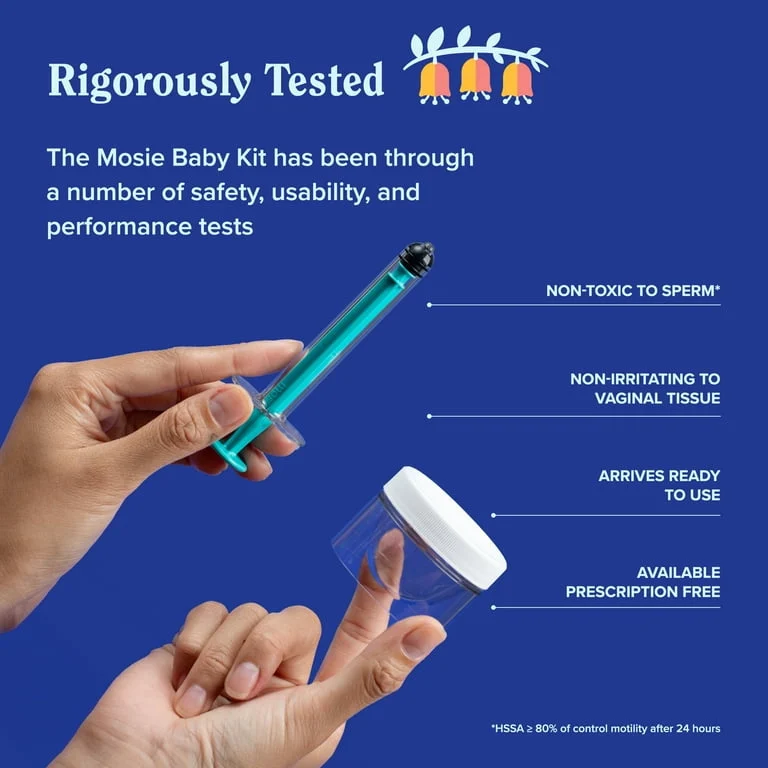
    Mosie Baby Kit with a syringe and container, highlighting safety and usability features on a blue background.

    Reasons to Consider Non-Invasive Insemination for Family Planning

    Non-invasive insemination can also be a helpful option for couples who are struggling with fertility issues. For women with cervical or uterine abnormalities, or for men with low sperm count or motility, non-invasive insemination can increase the chances of conception by placing the sperm closer to the egg. Additionally, non-invasive insemination can also be used with donor sperm, making it a viable option for same-sex couples or single women who want to start a family.

    5. Less Risk of Multiple Births

    One of the potential risks of assisted reproductive technologies like in vitro fertilization is the increased chance of multiple births, which can lead to complications for both the mother and the babies. Non-invasive insemination, on the other hand, typically only results in a single pregnancy. This can be a reassuring factor for couples who are concerned about the potential risks of multiple births.

    6. More Control over Timing

    Unlike natural intercourse, where timing can be unpredictable and may not align with a woman’s ovulation cycle, non-invasive insemination allows for more control over timing. This can be especially beneficial for couples who are trying to conceive on a specific schedule, such as for work or travel purposes. Additionally, non-invasive insemination can also be used with fertility medication to stimulate ovulation, further increasing the chances of conceiving during a specific time frame.

    7. Can Help Preserve Privacy and Discretion

    For some couples, maintaining privacy and discretion during the conception process is important. Non-invasive insemination offers a more private and discreet option compared to other methods, as it can be done in the comfort of one’s own home or in a private medical setting. This can be especially beneficial for those who may not want to share their fertility journey with others or who may feel uncomfortable with the more invasive procedures involved in other methods of conception.

    8. Can Be Used for Future Pregnancies

    Non-invasive insemination can also be used for future pregnancies, making it a versatile option for family planning. In vitro fertilization, on the other hand, may require multiple rounds of treatment for each pregnancy, which can be physically and emotionally draining for couples. With non-invasive insemination, the process can be repeated as many times as needed without the need for additional procedures or treatments.

    In summary, non-invasive insemination offers many benefits for couples looking to start a family. It is a less invasive and more affordable option, can help with fertility issues, offers more control over timing, and can also be used for future pregnancies. Whether done in a medical setting or at home, non-invasive insemination provides a versatile and accessible option for family planning.