Tag: Insemination

  • and Ready for Anything: Embracing Insemination on Your Own Terms with Confidence

    Blog Post:

    Insemination is a medical procedure that involves injecting sperm into a woman’s reproductive tract to facilitate fertilization. While this procedure has been commonly associated with couples struggling with infertility, it has also become a popular option for single women who want to have a child on their own terms. However, the decision to undergo insemination can be a daunting and overwhelming one, especially for women who are going through it alone. In this blog post, we will discuss how to approach insemination with confidence, embrace the process on your own terms, and be ready for whatever comes your way.

    Embracing insemination on your own terms means taking control of your journey and making decisions that align with your beliefs, values, and goals. It also means being emotionally and mentally prepared for the process, as it can be physically and emotionally taxing. So, before you embark on this journey, it is important to take some time to reflect on your reasons for choosing insemination, your expectations, and your fears. This will help you approach the process with a clear and focused mindset.

    One of the first steps to take when considering insemination is to do your research. It is essential to understand the procedure, its success rates, and any potential risks or side effects. You can consult with a fertility specialist or do your own research online. It is also beneficial to join online support groups or forums where you can connect with other single women who have gone through or are going through insemination. These platforms can provide valuable insights and support as you navigate your journey.

    Once you have a good understanding of the procedure, it is crucial to consider your options. There are various methods of insemination, including intrauterine insemination (IUI) and in vitro fertilization (IVF). Each method has its own advantages and disadvantages, so it is essential to choose one that is best suited for your situation. You should also consider the cost of the procedure and whether you want to use donor sperm or a known donor. It is crucial to make informed decisions that align with your values and goals.

    Another important aspect of embracing insemination on your own terms is taking care of yourself. The process can be physically and emotionally demanding, so it is essential to prioritize self-care. This includes eating healthy, getting enough rest, and managing stress. You can also consider incorporating relaxation techniques such as meditation or yoga into your routine. Taking care of your physical and emotional well-being will not only help you stay healthy during the process but also prepare you for the challenges that may come your way.
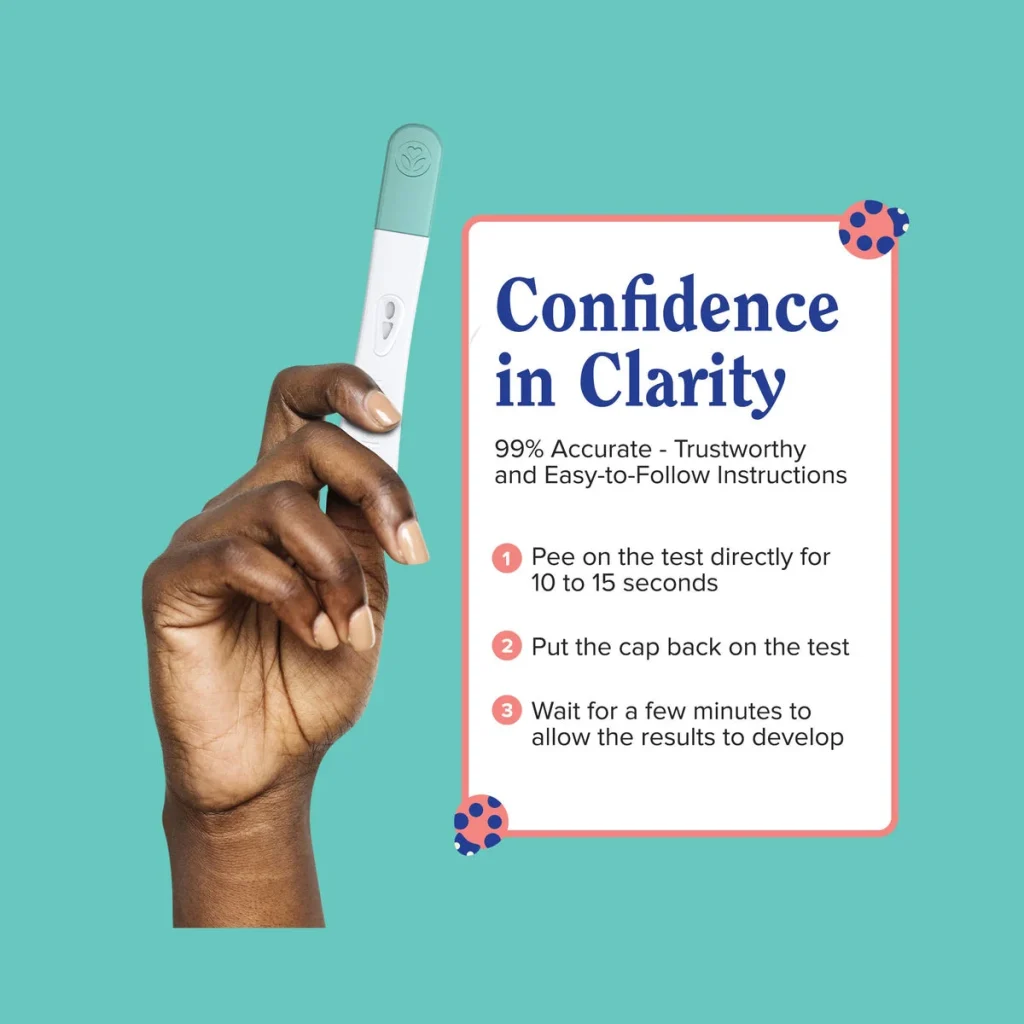
    hand holding a pregnancy test with instructions on a colorful background

    and Ready for Anything: Embracing Insemination on Your Own Terms with Confidence

    Insemination can also bring up a range of emotions, including excitement, fear, and anxiety. It is essential to acknowledge and process these emotions as they arise. You can talk to a therapist or join a support group to help you navigate through your feelings. It is also crucial to have a support system of friends and family who can provide emotional support and be there for you throughout the process.

    One of the biggest challenges of undergoing insemination alone is facing societal stigma and judgment. Unfortunately, there is still a stigma attached to single motherhood, and you may face criticism or questions from friends, family, or strangers. It is essential to remember that you are making a decision that is best for you, and their opinions do not define your worth or your ability to be a loving and capable parent. Surround yourself with people who support and uplift you, and don’t be afraid to set boundaries with those who do not.

    When it comes to insemination, there is no one-size-fits-all approach. Every woman’s journey is unique, and it is essential to embrace your journey with confidence and trust in your decisions. Remember that you are in control of your life and your future, and insemination is just one step towards achieving your dreams of motherhood. Be open to the possibilities and challenges that may come your way, and trust that you are ready for anything.

    In conclusion, insemination on your own terms requires courage, determination, and self-love. It is a journey that can be challenging, but also empowering and fulfilling. By taking the time to research, make informed decisions, prioritize self-care, and surround yourself with a supportive community, you can approach insemination with confidence and be ready for whatever comes your way. Embrace your journey, trust in yourself, and know that you are capable of achieving your dreams of motherhood.

    Summary:

    Insemination is a medical procedure that involves injecting sperm into a woman’s reproductive tract to facilitate fertilization. For single women, the decision to undergo insemination can be daunting and overwhelming. However, with proper research, understanding of the process, self-care, emotional support, and embracing the journey with confidence, women can approach insemination on their own terms and be ready for anything that comes their way. It is essential to prioritize self-love and trust in one’s decisions to achieve the dream of motherhood.


  • Insemination on Your Own Terms: A Global Perspective

    Insemination on Your Own Terms: A Global Perspective

    Insemination, or the process of introducing sperm into the reproductive tract, has been a topic of controversy and debate for centuries. From traditional methods of procreation to modern advancements in reproductive technology, the concept of insemination has evolved and continues to be a prominent issue in today’s society. However, what may be surprising to many is that the practice of insemination has a long and complex history, with different cultural and societal perspectives playing a significant role in its development. In this blog post, we will explore the global perspective of insemination, from its origins to its current state, and how individuals around the world are taking control of their own reproductive choices.

    Origins of Insemination

    The origins of insemination can be traced back to ancient civilizations, where it was primarily used as a method of procreation. In ancient Egypt, it was believed that the god Khnum molded humans from clay and then breathed life into them through their nostrils. This belief led to the practice of introducing semen into a woman’s nostrils to impregnate her. Similarly, in ancient Greece, it was believed that the god Zeus impregnated women by transforming into a shower of gold and entering their bodies. As a result, the practice of using donor sperm to impregnate women became prevalent in ancient Greece.

    Insemination also has a rich history in traditional Chinese medicine, where it was used to treat infertility. The traditional Chinese method, known as “fubing,” involved inserting semen into a woman’s reproductive tract. This method was believed to balance the yin and yang energies in the body and increase the chances of conception.

    Insemination in Modern Times

    With the advancement of medical technology, the practice of insemination has evolved significantly. In the late 1800s, the first successful artificial insemination was performed on a dog by an Italian scientist. This breakthrough paved the way for the use of artificial insemination in humans, and by the mid-20th century, it became a standard practice for treating infertility.

    In the 1970s, the first successful case of in vitro fertilization (IVF) was reported, which opened up new possibilities for couples struggling with infertility. IVF, which involves fertilizing eggs with sperm in a laboratory and then transferring the resulting embryo into the woman’s uterus, has become a popular method of assisted reproduction.

    Insemination and LGBTQ+ Rights

    Insemination has also played a significant role in the fight for LGBTQ+ rights. With the legalization of same-sex marriage in many countries, couples from the LGBTQ+ community have gained access to assisted reproductive techniques, including insemination. This has allowed same-sex couples to have biological children and start families on their own terms.

    illustration comparing standard and Mosie syringe openings with text highlighting design benefits for home insemination

    Insemination on Your Own Terms: A Global Perspective

    In some countries, however, there are still legal barriers that prevent same-sex couples from accessing insemination and other forms of assisted reproduction. For example, in many parts of Asia and Africa, same-sex relationships are still criminalized, making it challenging for LGBTQ+ couples to start families.

    Insemination on Your Own Terms

    One of the most significant advancements in the field of insemination is the ability for individuals to take control of their own reproductive choices. With the rise of at-home insemination kits, individuals and couples can now perform insemination in the comfort of their own homes, without the need for medical assistance.

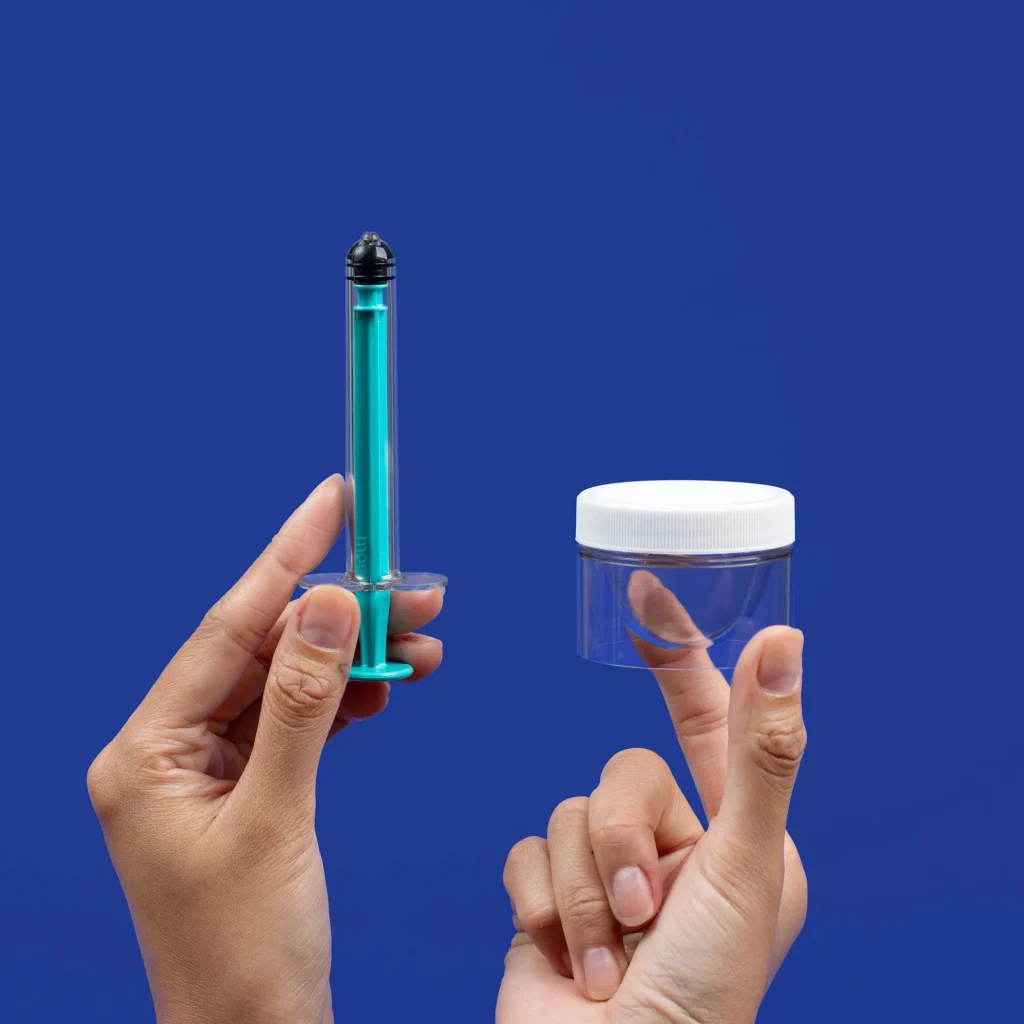
    At-home insemination kits typically include a syringe, a tube, and a collection cup for semen. The process involves collecting semen from a donor or partner, loading it into the syringe, and inserting it into the reproductive tract. This method has become popular among single individuals, same-sex couples, and individuals experiencing infertility who may not have access to medical assistance.

    Global Perspectives on At-Home Insemination

    While at-home insemination kits have gained popularity in many parts of the world, there are still cultural and legal barriers that prevent its widespread use. In some countries, the practice of at-home insemination is considered illegal, and individuals may face criminal charges for attempting it. Additionally, in some cultures, the concept of “natural” conception is highly valued, and any form of assisted reproduction may be seen as taboo.

    However, there are also many countries and cultures where at-home insemination is accepted and even encouraged. In countries like the United States, Canada, and many European countries, at-home insemination is legal and widely practiced. In some cultures, there is also a growing movement towards natural and home births, which includes at-home insemination as a method of conception.

    Conclusion

    Insemination, in all its forms, has a long and complex history, with different cultural and societal perspectives shaping its development. From its origins in ancient civilizations to its current state as a method of assisted reproduction, insemination has played a significant role in the lives of individuals and families around the world. With advancements in medical technology and the rise of at-home insemination, individuals have gained more control over their reproductive choices, allowing them to start families on their own terms.

    Summary:

    Insemination has a long and complex history, with different cultural and societal perspectives shaping its development. From its origins in ancient civilizations to its current state as a method of assisted reproduction, insemination has played a significant role in the lives of individuals and families around the world. With advancements in medical technology and the rise of at-home insemination, individuals have gained more control over their reproductive choices, allowing them to start families on their own terms. However, there are still cultural and legal barriers that prevent its widespread use, making it a complex and controversial topic.

  • The Importance of Legal Protection in Insemination on Your Own Terms

    Blog Post:

    Insemination, also known as artificial insemination, is a process where sperm is inserted into a woman’s reproductive tract in order to fertilize an egg. While traditionally done through a medical professional, advancements in technology have made it possible for individuals to perform insemination on their own terms, often from the comfort of their own home. This has opened up possibilities for same-sex couples, single individuals, and those struggling with infertility to start a family on their own.

    However, with this newfound independence comes the need for legal protection. Insemination on your own terms can bring about potential legal, financial, and emotional challenges that must be addressed in order to ensure a smooth and successful process. In this blog post, we will discuss the importance of legal protection in insemination on your own terms and how it can protect both the donor and the recipient.

    First and foremost, legal protection in insemination on your own terms is crucial in establishing parental rights. In traditional insemination done through a medical professional, the donor is required to sign legal documents relinquishing any parental rights to any resulting child. However, when insemination is done outside of a medical setting, these legal documents may not be in place, leaving the donor vulnerable to legal disputes in the future. In some cases, the donor may be held financially responsible for the child, even if they had no intention of being involved in the child’s life. By having a legal agreement in place, both the donor and the recipient can have peace of mind in knowing their parental rights and responsibilities are clearly defined.

    Another important aspect of legal protection in insemination on your own terms is the prevention of legal disputes. Insemination is a highly personal and emotional process, and disagreements can arise between the donor and the recipient. These disputes can range from financial disagreements to disagreements about the level of involvement the donor will have in the child’s life. Having a legally binding agreement in place can help prevent these disputes from escalating and provide a clear framework for resolving any issues that may arise.

    Baby wearing a blue shirt with "made with Love" text, surrounded by colorful floral and butterfly designs.

    The Importance of Legal Protection in Insemination on Your Own Terms

    In addition to protecting the donor and the recipient, legal protection in insemination on your own terms is also important for the child’s well-being. In cases where the donor is known to the recipient, there may be a desire for the child to have a relationship with the donor. By having a legal agreement in place, the child’s best interests can be taken into consideration and the terms of the relationship can be clearly defined. This can also help prevent any misunderstandings or conflicts between the donor and the recipient, which can have a negative impact on the child’s emotional well-being.

    Moreover, legal protection in insemination on your own terms can also provide financial security. The cost of insemination can be significant, and the donor may be expecting to be compensated for their time and effort. By having a legal agreement in place, both parties can agree on the terms of compensation and any other financial responsibilities. This can help prevent any misunderstandings or disagreements in the future and ensure that both parties are satisfied with the financial aspect of the process.

    Lastly, legal protection in insemination on your own terms can provide a sense of closure and peace of mind for all parties involved. By having a clear and legally binding agreement in place, all parties can move forward knowing that their rights and responsibilities are protected. This can help alleviate any anxieties or uncertainties about the process and allow for a more positive and fulfilling experience for everyone involved.

    In conclusion, insemination on your own terms can be a life-changing and empowering experience, but it is important to recognize the potential legal challenges that may arise. By prioritizing legal protection, individuals can ensure that their rights and responsibilities are protected, and the child’s best interests are taken into consideration. Whether through a known donor or a sperm bank, having a legally binding agreement in place can provide peace of mind and a solid foundation for creating a family on your own terms.

    Summary:

    Insemination on your own terms has become a popular option for those looking to start a family, but it also comes with potential legal challenges. The importance of legal protection in insemination cannot be overstated, as it helps establish parental rights, prevent disputes, protect the child’s well-being, ensure financial security, and bring closure and peace of mind for all parties involved. By having a legally binding agreement in place, individuals can feel confident and empowered in their decision to pursue insemination on their own terms.

  • The Role of Donor Selection in Insemination on Your Own Terms

    Blog Post:

    Insemination is a method of assisted reproduction that involves transferring sperm directly into the cervix, uterus, or fallopian tubes to increase the chances of fertilization. This method is often used by couples struggling with infertility, same-sex couples, and single individuals who are looking to start a family on their own terms.

    One of the key factors in successful insemination is donor selection. Choosing the right donor is crucial in ensuring a healthy and happy pregnancy. In this blog post, we will discuss the role of donor selection in insemination and how it can impact the experience of starting a family on your own terms.

    Importance of Donor Selection

    The process of donor selection involves carefully evaluating and choosing a sperm donor based on various factors such as physical characteristics, medical history, and personal preferences. This process is essential as the donor’s genetic material will play a significant role in the child’s physical and mental traits.

    One of the primary concerns in donor selection is the risk of passing on genetic diseases or disorders to the child. This is why it is crucial to thoroughly review the donor’s medical history and genetic screening results to ensure a healthy pregnancy and a healthy baby. Additionally, it is essential to consider any hereditary conditions that may run in the donor’s family and how it could potentially impact the child’s health.

    Another significant factor in donor selection is physical characteristics. Many individuals or couples prefer to choose a donor who shares similar physical traits, such as eye or hair color, to ensure a more seamless blending of genetics. While physical characteristics do not play a crucial role in a child’s health, it can be a vital factor for some people in creating a sense of connection and belonging.

    Lastly, personal preferences and values also play a role in donor selection. Some individuals or couples may prefer a donor who shares similar beliefs or interests, while others may prioritize finding a donor with a specific educational or professional background. These preferences are entirely valid and can contribute to the overall happiness and satisfaction of the parents and the child.

    Challenges in Donor Selection

    Despite the importance of donor selection, there are some challenges that individuals or couples may face in the process. One of the main challenges is the limited availability of donors, especially for those looking for specific traits or characteristics. This can make it difficult to find a suitable donor, leading to frustration and disappointment.

    home insemination kit components: a syringe and a collection container against a blue background.

    The Role of Donor Selection in Insemination on Your Own Terms

    Moreover, the cost of insemination and donor selection can also be a challenge for some individuals or couples. Insemination can be an expensive process, and adding the cost of donor selection and screening can be a significant financial burden for many. This can limit the options and choices for individuals or couples who are on a tight budget.

    Insemination on Your Own Terms

    Despite the challenges, the good news is that there are now more options for individuals or couples looking to start a family on their own terms. With the advancement of technology, there are now various ways to access donor sperm, such as sperm banks, fertility clinics, and online donor databases.

    Online donor databases, in particular, have become a popular option for many people. These databases allow individuals or couples to browse through a vast selection of donors and view detailed profiles, including physical characteristics, medical histories, and personal preferences. This gives individuals or couples more control and flexibility in their donor selection process.

    Additionally, some online donor databases also offer at-home insemination kits, making the process more accessible and affordable. This allows individuals or couples to have greater control over the insemination process and conduct it in the comfort of their own home.

    Insemination on your own terms also means having the option to choose a known donor, such as a friend or family member. This can be a preferred option for some individuals or couples, as it allows them to have a more personal connection with the donor and potentially involve them in the child’s life.

    Conclusion

    Insemination on your own terms is an empowering option for individuals or couples who are looking to start a family. Donor selection plays a crucial role in this process, and it is essential to carefully consider all factors and options to ensure a successful and fulfilling experience.

    Despite the challenges, advancements in technology have made donor selection more accessible and customizable. With the right donor, individuals or couples can create a happy and healthy family on their own terms.

    Summary:

    Insemination is a method of assisted reproduction that involves choosing a sperm donor and transferring sperm directly into the cervix, uterus, or fallopian tubes to increase the chances of fertilization. Donor selection is crucial in ensuring a healthy and happy pregnancy and involves evaluating factors such as medical history, physical characteristics, and personal preferences. Challenges in donor selection include limited availability and high costs, but advancements in technology have made insemination on your own terms more accessible and customizable. With the right donor, individuals or couples can create a happy and healthy family on their own terms.

  • and Fertile: Exploring Insemination on Your Own Terms for Women with Medical Conditions

    Blog Post Title: Fertile: Exploring Insemination on Your Own Terms for Women with Medical Conditions

    Summary:

    For many women, the journey to motherhood can be filled with challenges and obstacles. This is especially true for women with medical conditions that affect their fertility. However, with advancements in medical technology and a growing understanding of reproductive health, there are now more options available for women who want to conceive on their own terms. One of these options is insemination, a process that involves inserting sperm into a woman’s reproductive tract to facilitate fertilization.

    In this blog post, we will explore the topic of insemination for women with medical conditions. We will discuss the various types of insemination, the benefits and risks, and how women can navigate this process with their unique medical needs in mind. Through this, we hope to empower women with medical conditions to make informed decisions about their fertility and achieve their dream of motherhood.

    Types of Insemination:

    There are two main types of insemination – intrauterine insemination (IUI) and intracervical insemination (ICI). IUI involves placing washed and concentrated sperm directly into a woman’s uterus, while ICI involves placing the sperm near the cervix. Both procedures are relatively quick and painless, and can be done at a doctor’s office or at home.

    Benefits of Insemination:

    Insemination can be a beneficial option for women with medical conditions who are looking to conceive. This is because it bypasses any potential issues with ovulation or the fallopian tubes, which may be affected by certain conditions. It also allows for a more controlled and timed approach to conception, increasing the chances of success.

    Additionally, insemination can be a more affordable option compared to other fertility treatments such as in vitro fertilization (IVF). It also allows women to use their partner’s or a donor’s sperm, giving them the opportunity to have a biological connection to their child.

    Baby with blue eyes wearing a light blue onesie that says "made with Love" on a soft white background.

    and Fertile: Exploring Insemination on Your Own Terms for Women with Medical Conditions

    Risks of Insemination:

    While insemination is generally a safe procedure, there are some risks involved. The most common risk is infection, which can be minimized by following proper hygiene and using sterile equipment. There is also a small chance of multiple pregnancies, which can be managed through careful monitoring and adjusting the number of sperm used in the insemination.

    Navigating Insemination with Medical Conditions:

    Before considering insemination, it is important for women with medical conditions to consult with their doctor. They will be able to assess the individual’s medical history and determine if insemination is a safe and viable option. It is also important to discuss any medications or treatments that may impact fertility, and make any necessary adjustments.

    Women should also consider their emotional and mental well-being before embarking on insemination. It can be a stressful and emotional process, and it is important to have a supportive network and coping mechanisms in place. Seeking counseling or joining support groups can also be beneficial.

    For women who have conditions that may affect their ability to carry a pregnancy to full term, it is important to discuss the possibility of surrogacy or adoption with their doctor. While insemination can assist with conception, it may not address underlying issues that could cause complications during pregnancy.

    Insemination for Women with Medical Conditions: A Personal Choice

    Ultimately, the decision to undergo insemination is a personal one. Women should feel empowered to make choices that align with their values and medical needs. It is important to have open and honest communication with partners, doctors, and other support systems throughout the process.

    In conclusion, for women with medical conditions, insemination can be a viable option for achieving motherhood. It offers a more controlled and affordable approach to conception, and can be tailored to individual medical needs. By considering the different types of insemination, understanding the benefits and risks, and navigating the process with the guidance of a doctor, women can make informed decisions about their fertility and embark on their journey to motherhood on their own terms.

  • The Impact of Insemination on Your Own Terms on Traditional Family Structures

    Blog Post:

    Insemination, also known as artificial insemination, is a method of pregnancy conception that has been gaining popularity in recent years. This process involves the insertion of sperm into the female reproductive tract to fertilize an egg, bypassing traditional sexual intercourse. While insemination has been used for decades to help couples struggling with fertility, it is now being used by a growing number of individuals who want to start a family on their own terms. This shift is having a significant impact on traditional family structures, challenging long-held beliefs and norms about what makes a family.

    The concept of insemination on one’s own terms has opened up a new realm of possibilities for individuals who may not have had the opportunity to start a family in the past. This includes single individuals, same-sex couples, and individuals who may have fertility issues. By removing the need for a partner or traditional sexual intercourse, insemination allows these individuals to create a family in a way that is accessible and empowering.

    One of the most significant impacts of insemination on traditional family structures is the redefinition of what constitutes a family. Traditionally, a family is seen as a married couple with children. However, with the rise of insemination, families can now be formed by single individuals or same-sex couples. This breaks away from the traditional nuclear family structure and challenges societal norms about what a family should look like.

    Insemination also allows individuals to become parents on their own terms, without having to rely on a partner or traditional heterosexual relationships. This is particularly significant for single individuals who may have always dreamed of becoming a parent but did not have a partner. With insemination, they can now fulfill their desire for parenthood without having to wait for the “right” partner to come along.

    Moreover, insemination has also made it possible for same-sex couples to have biological children, something that was not previously possible. This has allowed these couples to experience the joys of parenthood and create a family that is biologically connected to them. Insemination has also helped break down societal barriers and prejudices towards same-sex couples as it is now seen as a legitimate way to start a family.

    at-home insemination kit by Mosie Baby, featuring syringes, collection cups, and instructions on a pink background.

    The Impact of Insemination on Your Own Terms on Traditional Family Structures

    Insemination has also had an impact on traditional gender roles within families. With more individuals choosing to start a family on their own terms, traditional gender roles are being challenged and redefined. For example, single mothers who have used insemination to conceive are no longer confined to traditional gender roles of being the primary caregiver. They can now also be the breadwinner and provide for their family, breaking away from traditional notions of motherhood.

    Furthermore, insemination has also given individuals the opportunity to become parents later in life. With advancements in fertility treatments and increasing acceptance of insemination, individuals can now start a family well into their 40s and 50s. This delays the traditional timeline of starting a family and allows individuals to focus on their careers and personal goals before becoming parents. This shift has challenged the idea that there is a “right” time to start a family and has given individuals more control over their reproductive choices.

    While insemination has had a positive impact on traditional family structures, it has also raised ethical and legal concerns. One of the main concerns is the potential for exploitation of donors, particularly in cases where individuals may not be fully aware of their rights and responsibilities. There have also been cases of donors seeking financial compensation for their sperm, which raises questions about the commodification of reproductive material.

    In addition, the lack of legal regulations surrounding insemination can also create challenges for families created through this method. For example, in cases of same-sex couples, the non-biological parent may not have legal rights over the child, leading to complications in matters such as custody and inheritance. This highlights the need for clear and comprehensive legislation to protect the rights of families created through insemination.

    In conclusion, insemination on one’s own terms has had a significant impact on traditional family structures. It has challenged societal norms and redefined what it means to be a family. With more individuals choosing to start a family on their own terms, insemination has given them the opportunity to fulfill their desire for parenthood and break away from traditional gender roles. However, it is essential to address the ethical and legal concerns surrounding insemination to ensure the protection of the rights of all individuals involved.

    Summary:

    Insemination, also known as artificial insemination, is a method of pregnancy conception that involves inserting sperm into the female reproductive tract to fertilize an egg, bypassing traditional sexual intercourse. This process has been gaining popularity in recent years and has had a significant impact on traditional family structures. It has allowed individuals to start a family on their own terms, challenging societal norms and redefining what it means to be a family. Insemination has also given individuals more control over their reproductive choices and has changed traditional gender roles within families. However, it has also raised ethical and legal concerns that need to be addressed to protect the rights of all individuals involved.

  • Insemination on Your Own Terms: A Step-by-Step Guide

    Blog Post Title: Insemination on Your Own Terms: A Step-by-Step Guide

    Summary:

    Insemination is a method of assisted reproduction that involves placing sperm into the reproductive tract in order to achieve pregnancy. While it is often associated with medical procedures such as intrauterine insemination (IUI) or in vitro fertilization (IVF), it is also possible to perform insemination at home without the supervision of a medical professional. This can be an empowering option for individuals or couples who want to take control of their fertility journey and do it on their own terms.

    In this step-by-step guide, we will outline the process of insemination on your own terms, from understanding the basics of fertility and ovulation to choosing the right method and tools for insemination. We will also discuss the legal and ethical considerations of home insemination and provide tips for a successful and safe experience.

    Step 1: Educate Yourself on Fertility and Ovulation

    Before embarking on any fertility journey, it is important to understand the basics of fertility and ovulation. Ovulation is the process in which a woman’s body releases an egg from the ovary, making it available for fertilization. This typically occurs once a month, around 12-16 days after the first day of your last period.

    Tracking your ovulation is crucial for successful insemination. There are various methods for tracking ovulation, including using ovulation predictor kits, tracking your basal body temperature, and monitoring changes in cervical mucus. It is also recommended to consult with a healthcare provider to ensure that you are ovulating regularly and that there are no underlying fertility issues.

    Step 2: Choose the Right Method of Insemination

    There are two main methods of insemination: intracervical insemination (ICI) and intrauterine insemination (IUI). ICI involves placing sperm near the cervix, while IUI involves placing sperm directly into the uterus. IUI is generally more effective than ICI, but it also requires more preparation and equipment.

    For those choosing to perform insemination at home, ICI may be the more feasible option as it can be done using a syringe or a cervical cap. However, it is important to note that ICI has a lower success rate compared to IUI, especially for couples with fertility issues.

    Step 3: Gather the Necessary Tools

    illustration comparing standard and Mosie syringe openings with text highlighting design benefits for home insemination

    Insemination on Your Own Terms: A Step-by-Step Guide

    In addition to understanding the different methods of insemination, it is also important to gather the necessary tools for a successful experience. These tools may include a sterile syringe or cervical cap, ovulation predictor kits, a cup to collect semen, and sterile gloves. It is also recommended to purchase a sperm-friendly lubricant to aid in the insemination process.

    Step 4: Consider Legal and Ethical Considerations

    Before proceeding with home insemination, it is important to consider the legal and ethical considerations. Laws and regulations around home insemination may vary depending on your location, so it is important to research and understand the laws in your area.

    It is also crucial to have open and honest communication with your partner, if applicable, and to discuss any potential emotional, legal, or financial implications of home insemination. It is recommended to have a legal contract in place to protect both parties involved.

    Step 5: Follow the Instructions Carefully

    Once you have gathered the necessary tools and have discussed all the legal and ethical considerations, it is time to proceed with the insemination process. It is important to follow the instructions carefully and to maintain a sterile environment to avoid any potential infections.

    Step 6: Be Patient and Take Care of Yourself

    The process of home insemination may not always result in a successful pregnancy, and it is important to be patient and take care of yourself during this time. It is also recommended to continue tracking your ovulation and trying again in the following months if necessary.

    In addition, it is important to take care of your physical and emotional well-being during this journey. Seek support from your partner, friends, or a healthcare provider if needed.

    In conclusion, insemination on your own terms can be a viable option for individuals or couples who want to take control of their fertility journey. By educating yourself on fertility and ovulation, choosing the right method and tools, and considering the legal and ethical considerations, you can have a successful and empowering experience with home insemination.

    SEO metadata:

  • and Ready to Take the Plunge: Overcoming Fears of Insemination on Your Own Terms

    Blog Post:

    Deciding to start a family is a big step for anyone, but for those who are considering insemination on their own, it can be an even more daunting decision. The thought of going through the process of fertility treatments and pregnancy without a partner can be overwhelming and bring up a lot of fears and insecurities. However, there is no reason to let those fears hold you back from pursuing your dreams of becoming a parent. With the right mindset and preparation, you can overcome your fears and take the plunge into insemination on your own terms.

    Acknowledge Your Fears

    The first step in overcoming any fear is acknowledging it. It’s normal to feel scared and uncertain about the idea of insemination on your own. You may fear the unknown, the judgment of others, or the financial and emotional costs of the process. Whatever your fears may be, it’s important to recognize and accept them. Avoiding or suppressing your fears will only make them grow stronger. Instead, try to understand where these fears stem from and address them head-on.

    Educate Yourself

    One of the best ways to overcome fears is to arm yourself with knowledge. Take the time to research and educate yourself about the insemination process, fertility treatments, and the options available to you. Understand the risks and potential challenges, but also the success rates and the support systems available to you. The more informed you are, the more empowered you will feel to make the right decisions for yourself.

    Find Support

    Going through insemination on your own can feel isolating, but it’s important to remember that you are not alone. Reach out to friends, family, or support groups for single parents by choice. Connecting with others who have gone through or are going through a similar journey can provide you with much-needed emotional support and guidance. You may also want to consider therapy to work through any fears or concerns you may have.

    Take Control of Your Reproductive Health

    Insemination may be a different path to parenthood, but it’s still a valid and legitimate choice. Don’t let societal pressures or others’ opinions dictate your decisions. Take control of your reproductive health and make the choices that feel right for you. This is your journey, and you have the right to make decisions that align with your values and desires.

    at-home insemination kit by Mosie Baby, featuring syringes, collection cups, and instructions on a pink background.

    and Ready to Take the Plunge: Overcoming Fears of Insemination on Your Own Terms

    Be Prepared Financially

    Insemination can be a costly process, and it’s important to be prepared financially. Start by researching the costs of different fertility treatments and consider saving up or looking into financial assistance options. If you have insurance, check to see if they cover any of the costs. You may also want to consider alternative options such as sperm banks or crowdfunding. Being financially prepared can help ease the stress and fears that come with insemination.

    Create a Supportive Environment

    As you embark on your journey towards insemination, it’s crucial to create a supportive environment for yourself. This may mean setting boundaries with friends and family who may not understand or support your decision. It may also mean surrounding yourself with positive and uplifting people who will encourage and support you through this process.

    Trust Your Instincts

    Throughout your journey towards insemination, there will be moments of doubt and uncertainty. However, it’s important to trust your instincts and remember why you made this decision in the first place. You know yourself and your desires better than anyone else. Stay true to yourself and trust that you are making the right choices for yourself and your future family.

    Celebrate Your Strength and Courage

    Insemination on your own is not an easy decision, but it takes strength and courage to pursue it. As you navigate through the process, don’t forget to celebrate yourself and your bravery. You are taking control of your own life and creating the family you’ve always wanted, despite any fears or challenges that may come your way.

    In summary, deciding to pursue insemination on your own may bring up fears and uncertainties, but it’s important to acknowledge and address them. Educate yourself, find support, take control of your reproductive health, and be financially prepared. Create a supportive environment and trust your instincts. And most importantly, celebrate your strength and courage as you embark on this journey towards creating the family of your dreams.

    SEO metadata:

  • The Importance of Documentation in Insemination on Your Own Terms

    Blog Post: The Importance of Documentation in Insemination on Your Own Terms

    Insemination, also known as artificial insemination, is a method of assisted reproduction where sperm is placed into the reproductive tract of a female in order to fertilize an egg. While traditionally used by heterosexual couples struggling with infertility, insemination has become a popular option for single individuals and same-sex couples who want to start a family on their own terms. However, with this shift in societal norms comes the need for proper documentation in the insemination process.

    Documentation may not be the first thing that comes to mind when considering insemination, but it is a crucial aspect that should not be overlooked. In this blog post, we will explore the importance of documentation in insemination on your own terms and why it should not be taken lightly.

    1. Legal Protection
    One of the primary reasons why documentation is crucial in insemination is for legal protection. In many countries, the laws surrounding assisted reproduction are still evolving, and there may be gray areas when it comes to the rights and responsibilities of donors, recipients, and children born through insemination. Without proper documentation, there may be confusion and potential legal issues in the future. By having written agreements and records of the insemination process, all parties involved can have a clear understanding of their roles and responsibilities, ensuring a smoother process and avoiding any legal complications.

    2. Medical History
    Another critical aspect of documentation in insemination is the recording of medical history. When using a sperm donor, it is essential to have a thorough understanding of their medical history to ensure the health and well-being of the recipient and any potential offspring. Proper documentation of the donor’s health history, including any genetic conditions or diseases, can help make informed decisions and avoid potential health risks. Furthermore, having medical records can also be helpful in the case of any medical emergencies or complications that may arise during or after the insemination process.

    hands using a blue syringe to extract contents from a clear container for a home insemination kit

    The Importance of Documentation in Insemination on Your Own Terms

    3. Donor Anonymity
    For those using a sperm donor, documentation is crucial in maintaining donor anonymity. Many donors choose to remain anonymous, and it is essential to respect their wishes. Proper documentation, such as written agreements and records, can help maintain anonymity and confidentiality for both the donor and recipient. It also ensures that the donor’s identity is protected in case of any legal disputes or requests for information in the future.

    4. Financial Agreements
    Insemination can be a costly process, and it is essential to have proper documentation of any financial agreements between the donor and recipient. This includes any expenses incurred during the insemination process, such as medical procedures, travel costs, or compensation for the donor. Having written agreements and records can help avoid any misunderstandings or disputes regarding financial obligations and ensure a fair and transparent process for all parties involved.

    5. Emotional Considerations
    Insemination can be an emotionally charged process, and having proper documentation can help manage expectations and avoid any emotional complications. Written agreements can outline the roles and responsibilities of all parties involved, ensuring that everyone is on the same page and there are no misunderstandings. It can also help manage any potential emotional attachments between the donor and recipient, as well as any future relationships between the donor and the child.

    In conclusion, documentation is a crucial aspect of insemination on your own terms. It provides legal protection, ensures donor anonymity, records medical history, manages financial agreements, and considers emotional factors. By having proper documentation, all parties involved can have a clear understanding of their roles and responsibilities, making the insemination process smoother and more successful.

    In summary, insemination on your own terms is a significant decision that requires careful consideration and proper documentation. From legal protection and medical history to donor anonymity and emotional considerations, documentation plays a crucial role in ensuring a smooth and successful process. So, if you are considering insemination, make sure to prioritize documentation to avoid any potential issues in the future.

  • Insemination on Your Own Terms: A Personalized Approach to Starting a Family

    Blog Post:

    Starting a family is a deeply personal and life-changing decision that many people make at different points in their lives. While many choose to conceive a child through traditional methods, such as sexual intercourse, others may choose alternative options, such as insemination. Insemination is the process of placing sperm into the reproductive tract of a female with the goal of fertilization. This can be done in a clinical setting, but it can also be done at home, giving individuals the opportunity to start a family on their own terms.

    Insemination on Your Own Terms:

    The traditional way of starting a family may not be the right fit for everyone. Some individuals may not have a partner with whom they want to conceive a child, while others may have fertility challenges that make traditional methods difficult or impossible. Insemination on your own terms is a personalized approach to starting a family that allows individuals to take control of their fertility journey.

    One of the biggest benefits of insemination on your own terms is the ability to choose your sperm donor. In a clinical setting, individuals may have limited options for donors, and they may not have much information about the donor’s background or health history. However, with at-home insemination, individuals have the opportunity to select a donor that meets their specific criteria. This could include physical characteristics, educational background, or even genetic health history. By choosing a donor that aligns with their values and desires, individuals can feel more confident and in control of their fertility journey.

    Another advantage of insemination on your own terms is the ability to create a comfortable and familiar environment for the insemination process. Many people may feel anxious or uncomfortable in a clinical setting, which could affect the success of the procedure. By choosing to do insemination at home, individuals can create a calm and comfortable environment that can help reduce stress and increase the chances of success.

    The Process of Insemination:

    Insemination on your own terms involves a few key steps, including choosing a donor, preparing for the insemination, and performing the insemination process.

    at-home insemination kit by Mosie Baby, featuring syringes and containers for comfort and convenience.

    Insemination on Your Own Terms: A Personalized Approach to Starting a Family

    Choosing a Donor: As mentioned earlier, one of the main benefits of insemination on your own terms is the ability to choose your sperm donor. There are various options for obtaining sperm, including using a known donor, purchasing sperm from a sperm bank, or using a sperm donation service. It’s important to do thorough research and consider all factors before selecting a donor. Some things to consider include the donor’s health history, genetic background, and the legal implications of using a known donor.

    Preparing for Insemination: Before performing the insemination, it’s essential to prepare the body for the process. This may include tracking ovulation and using ovulation predictor kits to determine the best time for insemination. It’s also crucial to ensure that the reproductive tract is clean and free from any potential infections. This can be done through douching or using a sterile saline solution.

    Performing the Insemination: The actual process of insemination involves placing the sperm into the reproductive tract through a syringe or a special device called an insemination catheter. The sperm can be inserted into the vagina, cervix, or uterus, depending on the individual’s preference and the method chosen. After the insemination, it’s recommended to lie down for 10-15 minutes to allow the sperm to reach the fallopian tubes and increase the chances of fertilization.

    Is Insemination on Your Own Terms Right for You?

    Insemination on your own terms can be an excellent option for individuals or couples who want to start a family in a more personalized and controlled way. However, it’s essential to consider all factors and potential challenges before embarking on this journey. It’s also recommended to consult with a healthcare provider or a fertility specialist to ensure that this method is suitable for your specific needs.

    In conclusion, starting a family is a personal decision, and individuals should have the freedom to do so on their own terms. Insemination on your own terms offers a personalized approach to starting a family, giving individuals the opportunity to choose their donor and create a comfortable environment for the insemination process. With proper research and preparation, this method can be a viable option for those looking to start a family.

    Summary:

    Insemination on your own terms is a personalized approach to starting a family that allows individuals to choose their sperm donor and create a comfortable environment for the insemination process. This method involves choosing a donor, preparing for insemination, and performing the insemination at home. It can be a suitable option for individuals or couples who want more control over their fertility journey.