Tag: Equality

  • The Role of Social Justice in Addressing the 16 Most Talked About Political Issues

    Blog Post: The Role of Social Justice in Addressing the 16 Most Talked About Political Issues

    In today’s society, discussions about politics and social justice are at the forefront of our conversations. With the rise of social media and the constant flow of information, it’s difficult to ignore the pressing issues that impact our daily lives. From immigration to healthcare, there are a variety of political issues that are constantly being talked about. But what role does social justice play in addressing these issues?

    Social justice is the concept of promoting equality, fairness, and respect for all individuals regardless of their race, gender, religion, or socioeconomic status. It aims to create a society where everyone has equal opportunities and access to resources. In this blog post, we will explore the role of social justice in addressing the 16 most talked about political issues and how it can lead to meaningful change.

    1. Immigration
    Immigration has been a hot topic in recent years, with debates about border control, DACA, and refugee policies. Social justice calls for fair treatment of all individuals, regardless of their country of origin. It also advocates for a humane approach to immigration policies, ensuring that families are not separated and individuals are not discriminated against based on their immigration status.

    2. Climate Change
    Climate change is a global issue that impacts everyone, but it disproportionately affects marginalized communities. Social justice demands that we take action to protect the environment and create sustainable solutions for the future. It also calls for policies that prioritize the needs of those most impacted by climate change.

    3. Healthcare
    Access to healthcare is a fundamental human right, but many individuals, especially those from marginalized communities, struggle to afford or obtain proper healthcare. Social justice advocates for a healthcare system that provides equal access to quality care for all individuals, regardless of their income or background.

    4. LGBTQ+ Rights
    The LGBTQ+ community has been fighting for equal rights and protections for decades. Social justice calls for equal treatment and protections for individuals of all sexual orientations and gender identities. It also aims to eradicate discrimination and promote acceptance and inclusion in all aspects of society.

    5. Gun Control
    Gun violence is a pressing issue in the United States, with mass shootings and daily acts of gun violence affecting communities across the country. Social justice believes in the right to safety and calls for responsible gun control measures to prevent further tragedies and protect individuals from harm.

    6. Education
    Access to quality education is essential for the success and advancement of individuals. However, the education system in the United States is often unequal, with marginalized communities facing barriers to receiving a quality education. Social justice advocates for equal access to education and resources for all students, regardless of their race or socioeconomic status.

    7. Women’s Rights
    Women’s rights have been a topic of debate for centuries, and social justice aims to promote gender equality and eliminate discrimination against women. This includes fighting for equal pay, reproductive rights, and protections against gender-based violence.
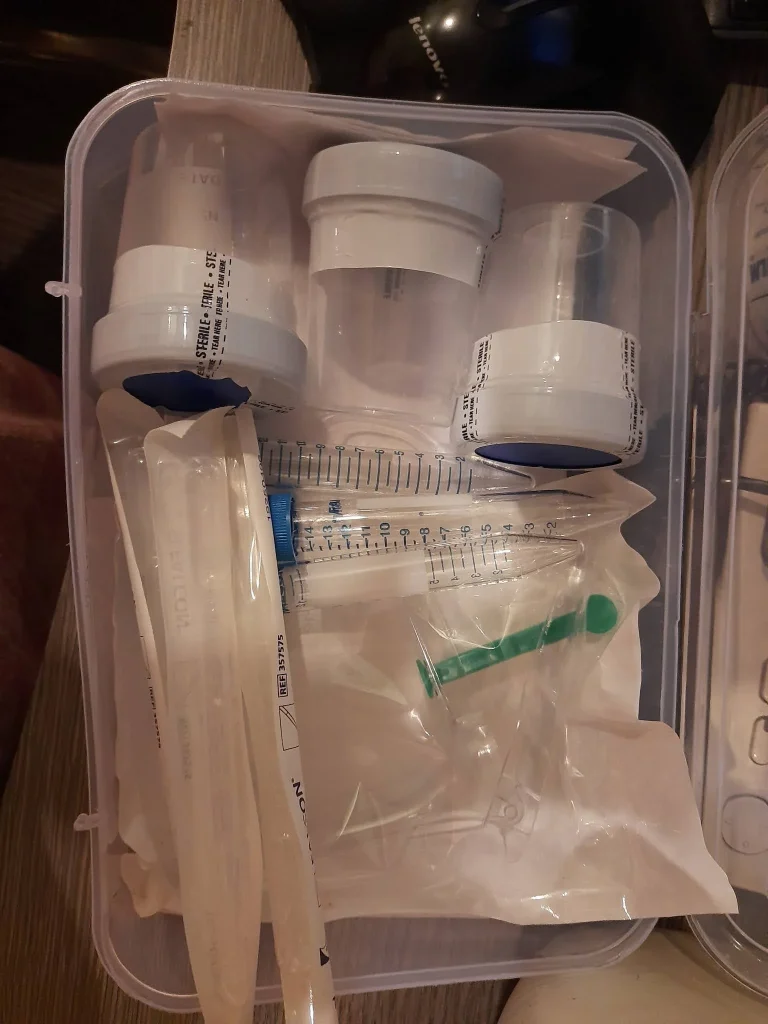
    various medical supplies and containers organized in a clear plastic box on a wooden surface

    The Role of Social Justice in Addressing the 16 Most Talked About Political Issues

    8. Income Inequality
    The gap between the rich and the poor continues to widen, and social justice calls for economic policies that promote fair distribution of wealth and resources. It also advocates for the protection of workers’ rights and a living wage for all individuals.

    9. Criminal Justice Reform
    The criminal justice system in the United States has been criticized for its racial biases and harsh treatment of marginalized communities. Social justice calls for reforms to address systemic racism and promote fair and just treatment for all individuals within the criminal justice system.

    10. Racism
    Racism is a pervasive issue that affects individuals and communities on a daily basis. Social justice aims to eradicate racism in all forms and promote diversity, equity, and inclusion in all aspects of society.

    11. Mental Health
    Mental health is often stigmatized and overlooked, with marginalized communities facing barriers to accessing mental healthcare. Social justice advocates for equal access to mental health services and the destigmatization of mental illness.

    12. Poverty
    Poverty disproportionately affects marginalized communities, and social justice calls for policies to address the root causes of poverty and provide support for those in need. This includes access to affordable housing, food security, and job opportunities.

    13. Foreign Policy
    Foreign policy decisions have a significant impact on global issues and often have consequences for marginalized communities. Social justice calls for ethical and just foreign policies that consider the well-being and rights of all individuals, both domestically and internationally.

    14. Disability Rights
    Individuals with disabilities face discrimination and barriers in many aspects of their lives. Social justice advocates for the rights and inclusion of individuals with disabilities, including equal access to education, employment, and public spaces.

    15. Voting Rights
    The right to vote is a cornerstone of democracy, but voter suppression and disenfranchisement impact marginalized communities. Social justice calls for fair and accessible voting procedures to ensure that all voices are heard in the political process.

    16. Elder Care
    As the population ages, the care and well-being of older adults become increasingly important. Social justice advocates for policies that protect and support older adults, including access to healthcare, affordable housing, and resources for caregivers.

    In conclusion, social justice plays a crucial role in addressing the 16 most talked about political issues. It calls for a fair and just society where all individuals are treated with dignity and respect. By promoting equality, inclusivity, and fairness, we can work towards creating a better and more equitable world for all.

    Summary:
    This blog post delves into the role of social justice in addressing the 16 most talked about political issues, including immigration, climate change, healthcare, LGBTQ+ rights, gun control, education, women’s rights, income inequality, criminal justice reform, racism, mental health, poverty, foreign policy, disability rights, voting rights, and elder care. Social justice advocates for equal treatment and opportunities for all individuals, regardless of their race, gender, religion, or socioeconomic status. It aims to create a fair and just society where everyone has equal access to resources and opportunities. By promoting social justice, we can work towards addressing these pressing political issues and creating a more equitable world for all.


  • Love is Love: 13 Inclusive Wedding Trends That Celebrate Diversity and Equality

    Blog Post:

    Love is love. It knows no boundaries, no gender, no race, and no religion. And as the world continues to progress towards inclusivity and equality, so does the wedding industry. Gone are the days when weddings were only celebrated between a man and a woman. Now, love is celebrated in all its forms and expressions. In this blog post, we will explore 13 inclusive wedding trends that celebrate diversity and equality, making weddings truly a celebration of love for everyone.

    1. Gender-Neutral Bridal Party: The traditional concept of having bridesmaids and groomsmen is now being replaced with a gender-neutral bridal party. This trend allows couples to have their loved ones stand by their side, regardless of their gender identity.

    2. Same-Sex Wedding Attire: The days of a bride wearing a white dress and a groom wearing a tux are long gone. Same-sex couples are now embracing their individual styles and choosing wedding attire that represents their personal taste and identity.

    3. Inclusive Wedding Invitations: Wedding invitations are no longer limited to the traditional “Mr. and Mrs.” format. Couples are now opting for gender-neutral titles or using both their names to make their invitations more inclusive.

    4. Non-Traditional Wedding Venues: While churches and banquet halls used to be the go-to wedding venues, couples are now choosing unique and non-traditional locations to tie the knot. This trend allows couples to express their individuality while also supporting diverse businesses.

    5. Multicultural Weddings: With the world becoming more interconnected, multicultural weddings are on the rise. Couples are incorporating elements from different cultures into their wedding ceremonies, such as traditional dances, rituals, and cuisine.

    6. Inclusive Wedding Vendors: More and more wedding vendors are now embracing inclusivity and offering services to all couples, regardless of their sexual orientation or gender identity. This trend not only supports diversity but also allows couples to choose vendors that align with their values.

    Hands holding a syringe and a small container against a blue background.

    Love is Love: 13 Inclusive Wedding Trends That Celebrate Diversity and Equality

    7. Pronoun Inclusive Wedding Vows: In the past, wedding vows were heavily focused on traditional gender roles. But now, couples are writing their own vows that are inclusive of their unique relationship and identity. This trend allows couples to express their love and commitment in a way that feels authentic to them.

    8. Gender-Neutral Restrooms: Traditionally, wedding venues only offer male and female restrooms. But now, venues are incorporating gender-neutral restrooms to make all guests feel comfortable and included.

    9. Celebrating Non-Binary Couples: With the rise of non-binary identities, more and more couples are choosing to embrace their non-binary identity in their wedding celebrations. This trend allows couples to honor their true selves and celebrate their love without conforming to societal expectations.

    10. Inclusive Wedding Favors: Couples are now choosing wedding favors that are inclusive and meaningful to all guests. This can include items that support marginalized communities or charities that align with the couple’s values.

    11. LGBTQ+ Representation in Wedding Media: In the past, wedding media mainly featured heterosexual couples. But now, there is a rise in LGBTQ+ representation in magazines, blogs, and social media platforms, allowing couples to see themselves represented and celebrated in the wedding industry.

    12. Inclusive Wedding Themes: Couples are now choosing wedding themes that are inclusive and reflect their unique love story. This trend allows couples to showcase their personalities and celebrate their love in a way that feels authentic to them.

    13. Mixed-Gender Wedding Parties: Another trend that challenges traditional gender roles is having a mixed-gender wedding party. This allows couples to have their closest friends and family members stand by their side, regardless of their gender.

    Overall, these inclusive wedding trends celebrate diversity and equality in all its forms. They allow couples to express their love and celebrate their unique identities without conforming to societal expectations. Love truly knows no boundaries, and these trends prove that weddings are a celebration of love for everyone, regardless of their race, gender, or sexual orientation.

    In conclusion, love is love, and it should be celebrated in all its beautiful forms. These 13 inclusive wedding trends are a step towards a more inclusive and accepting society, where love is celebrated and embraced in all its diversity. Let’s continue to support and embrace these trends, making weddings a truly inclusive and joyous celebration of love for everyone.

  • Breaking the Mold: Insemination with Mosiebaby for LGBTQ+ Families

    Breaking the Mold: Insemination with Mosiebaby for LGBTQ+ Families

    In recent years, there has been a significant increase in the number of LGBTQ+ families who are choosing to start their own families through insemination. However, traditional methods of insemination, such as using a sperm bank or seeking out a sperm donor, may not be accessible or affordable for all LGBTQ+ couples and individuals. This is where Mosiebaby comes in – a revolutionary at-home insemination kit that is specifically designed for LGBTQ+ families.

    So, what exactly is Mosiebaby and how does it differ from traditional insemination methods? Let’s dive in and explore the benefits and impact that Mosiebaby has on the LGBTQ+ community.

    What is Mosiebaby?

    Mosiebaby is an at-home insemination kit that was created by a same-sex couple, Maureen and Marc Brown, who struggled with traditional insemination methods themselves. After multiple failed attempts, they decided to take matters into their own hands and develop a product that would make the process easier and more accessible for LGBTQ+ families.

    The Mosiebaby kit includes two syringes, a cervical cap, and a detailed instruction manual. The syringes are designed to be softer and more flexible than traditional syringes, making them more comfortable to use. The cervical cap helps to keep the sperm in place and protect it from being absorbed by the body.

    Why is Mosiebaby a Game Changer for LGBTQ+ Families?

    One of the biggest challenges faced by LGBTQ+ families when it comes to insemination is the lack of accessibility and affordability of traditional methods. Sperm banks can be expensive, and finding a suitable sperm donor can be a daunting and time-consuming process. Mosiebaby eliminates these barriers by providing an affordable and easy-to-use alternative for at-home insemination.

    Moreover, Mosiebaby allows LGBTQ+ families to have more control over the insemination process. With traditional methods, individuals and couples have to rely on the sperm bank or donor for information about the donor’s health and medical history. However, with Mosiebaby, individuals can choose to use sperm from a known donor, which can provide a sense of security and peace of mind.

    home insemination kit components: a syringe and a collection container against a blue background.

    Breaking the Mold: Insemination with Mosiebaby for LGBTQ+ Families

    Another significant advantage of Mosiebaby is that it can be used in the comfort and privacy of one’s own home. For LGBTQ+ couples and individuals, this can be particularly beneficial as it eliminates the potential discomfort or discrimination that may be experienced in a clinical setting.

    Breaking the Mold with Mosiebaby: Stories from Real LGBTQ+ Families

    The impact of Mosiebaby on LGBTQ+ families is evident from the countless success stories shared by individuals and couples who have used the kit to start their own families. One such story is that of Sarah and Liz, a lesbian couple who used Mosiebaby to conceive their first child. Sarah shared, “We were both a bit nervous about the insemination process, but Mosiebaby made it so easy and stress-free. We were able to do it in the comfort of our home, and we are now proud parents to a beautiful baby boy.”

    Another couple, Scott and John, also had a positive experience using Mosiebaby. “As a gay couple, we were worried about the cost and accessibility of traditional insemination methods. But with Mosiebaby, we were able to take control of the process and start our family without breaking the bank,” they shared.

    Insemination with Mosiebaby: A Step Towards Equality

    Mosiebaby not only provides a more accessible and affordable option for LGBTQ+ families but also helps to break the societal mold and challenge traditional notions of what a family should look like. In a world where LGBTQ+ families are still facing discrimination and challenges, Mosiebaby is a step towards equality and inclusivity.

    Moreover, Mosiebaby is also committed to giving back to the LGBTQ+ community. The company donates a portion of their profits to LGBTQ+ organizations, such as The Trevor Project and Family Equality, to support their efforts in creating a more accepting and equal society.

    In conclusion, Mosiebaby has proven to be a game changer for LGBTQ+ families who are looking to start their own families through insemination. With its accessibility, affordability, and commitment to inclusivity, Mosiebaby is breaking the mold and paving the way for a more equal and accepting society.

    Summary:

    Mosiebaby is an at-home insemination kit specifically designed for LGBTQ+ families. It was created by a same-sex couple who struggled with traditional insemination methods themselves. The kit includes two syringes, a cervical cap, and an instruction manual. Mosiebaby eliminates the barriers of accessibility and affordability faced by LGBTQ+ families in traditional insemination methods. It also provides more control and privacy for individuals and couples. Real success stories from LGBTQ+ families who have used Mosiebaby showcase its impact. The kit not only provides a more accessible option but also challenges traditional notions of what a family should look like. Mosiebaby also supports LGBTQ+ organizations through its profits. Overall, Mosiebaby is a game changer for LGBTQ+ families and a step towards equality and inclusivity.

  • The Impact of Mosiebaby on Traditional Gender Roles in the Journey to Parenthood

    The journey to parenthood is filled with excitement, anticipation, and often, a sense of traditional gender roles. From the moment a couple decides to start a family, there can be societal expectations and pressures to adhere to certain gender norms. However, with the introduction of innovative products like Mosiebaby, traditional gender roles in the journey to parenthood are being challenged and redefined.

    Mosiebaby is a simple, at-home insemination kit designed to help couples conceive without the need for medical intervention. This revolutionary product not only offers a more affordable and convenient option for trying to conceive, but it also allows couples to take control of their fertility journey. In this blog post, we will explore the impact of Mosiebaby on traditional gender roles in the journey to parenthood.

    The Traditional Gender Roles in the Journey to Parenthood
    For decades, there has been a clear division of roles in the journey to parenthood. Society has often placed the burden of fertility struggles on women, with men being seen as the “provider” and not actively involved in the process. This traditional gender role has put immense pressure on women to conceive and carry a child successfully. In addition, there has also been a stigma surrounding infertility, with many women feeling inadequate or ashamed if they are unable to conceive.

    On the other hand, men have been expected to be the “breadwinner” and not actively involved in the fertility process. This has often led to a lack of support for their partners, and they may feel disconnected from the journey to parenthood. These traditional gender roles, while changing in recent years, have still played a significant role in the journey to parenthood.

    The Impact of Mosiebaby
    Mosiebaby has had a significant impact on traditional gender roles in the journey to parenthood. First and foremost, this product has shifted the focus from solely on women to both partners in the relationship. By providing a simple and effective at-home insemination option, Mosiebaby allows both partners to actively participate in the conception process. This not only helps to alleviate some of the pressure and burden on women but also allows men to be more involved and supportive.

    at-home insemination kit featuring a syringe and container for fresh or donor sperm conception

    The Impact of Mosiebaby on Traditional Gender Roles in the Journey to Parenthood

    Moreover, Mosiebaby has also challenged the idea that fertility issues are solely a woman’s problem. With the use of this product, men can now take an active role in the journey to parenthood, rather than being a passive bystander. This has helped to break down the stigma surrounding male fertility struggles and has encouraged men to seek support and take control of their fertility journey.

    Redefining Gender Roles
    In addition to challenging traditional gender roles, Mosiebaby has also helped to redefine them. With its inclusive and supportive approach, this product recognizes that the journey to parenthood is a shared experience between partners. It encourages open communication and cooperation, breaking down the barriers that have often existed between men and women in the fertility process.

    Furthermore, Mosiebaby has also helped to redefine the role of men in the journey to parenthood. By actively participating in the insemination process, men are no longer seen as just the “provider” but as an equal partner in the journey to parenthood. This has allowed for a more balanced and supportive dynamic in relationships, breaking away from the traditional gender roles that have often placed pressure on men to be the sole provider in a family.

    The Impact on Society
    The impact of Mosiebaby on traditional gender roles in the journey to parenthood goes beyond just the individual couples using the product. It has also had a significant impact on society as a whole. By challenging and redefining traditional gender roles, Mosiebaby is promoting a more inclusive and supportive society. This not only benefits couples struggling with fertility issues but also helps to break down gender stereotypes and promote equality in the journey to parenthood.

    In Conclusion
    The journey to parenthood is a personal and unique experience for every couple. However, societal expectations and traditional gender roles have often placed unnecessary pressure and limitations on this journey. With the introduction of Mosiebaby, these traditional gender roles are being challenged and redefined. This innovative product is not only offering a more convenient and affordable option for trying to conceive but is also promoting a more equal and supportive approach to the journey to parenthood.

    Summary: Mosiebaby, an at-home insemination kit, is challenging traditional gender roles in the journey to parenthood. By involving both partners in the process, breaking down stereotypes, and promoting equality, this product is redefining the roles of men and women in the journey to parenthood. Its impact goes beyond just individual couples and is promoting a more inclusive and supportive society.

  • Mosiebaby and the LGBTQ+ Community: A Tool for Inclusivity and Equality

    Blog Post Title: Mosiebaby and the LGBTQ+ Community: A Tool for Inclusivity and Equality

    Summary:

    When it comes to starting a family, LGBTQ+ couples and individuals often face unique challenges and obstacles. In the past, options for conceiving were limited and expensive, making it difficult for queer individuals and couples to have biological children. However, with the rise of technology and increased awareness about LGBTQ+ rights, there are now more options available for starting a family. One such option is Mosiebaby, a simple and affordable at-home insemination kit designed to help people conceive.

    In this blog post, we will explore the importance of inclusivity and equality in the LGBTQ+ community and how Mosiebaby is playing a crucial role in making parenthood accessible for all.

    The Importance of Inclusivity and Equality for the LGBTQ+ Community:

    For decades, the LGBTQ+ community has been fighting for equal rights and representation in society. Despite significant progress in recent years, there is still a long way to go in terms of inclusivity and equality. One area where this is particularly evident is in the realm of family planning and parenthood.

    Traditionally, the concept of family has been limited to a heterosexual couple and their biological children. This narrow definition has excluded LGBTQ+ individuals and couples, making it difficult for them to start a family. This lack of inclusivity not only perpetuates discrimination but also denies LGBTQ+ individuals and couples the opportunity to experience the joys of parenthood.

    Furthermore, LGBTQ+ individuals and couples also face challenges when it comes to accessing reproductive healthcare. Many healthcare providers are not trained to understand the unique needs of LGBTQ+ individuals, leading to miscommunication and inadequate care. This lack of understanding and sensitivity can make it challenging for queer individuals and couples to seek fertility treatments and start a family.

    Mosiebaby: A Game-Changer for the LGBTQ+ Community:

    At-home insemination kit with ovulation and pregnancy tests, promoting fertility and family planning.

    Mosiebaby and the LGBTQ+ Community: A Tool for Inclusivity and Equality

    Mosiebaby is an at-home insemination kit that is designed to help people conceive in the comfort and privacy of their own home. This innovative product was created by Maureen and Marc Brown, a lesbian couple who struggled with infertility. After going through numerous failed fertility treatments, they decided to take matters into their own hands and create a solution that would make conception more accessible and affordable for all.

    Mosiebaby is a simple and easy-to-use tool that eliminates the need for expensive and invasive fertility treatments. The kit includes syringes, a collection cup, and instructions, making it a convenient option for those who want to conceive at home. This is especially beneficial for LGBTQ+ individuals and couples, as it allows them to bypass any potential discrimination or misunderstanding from healthcare providers.

    Moreover, Mosiebaby is also a great option for those who want to conceive without the involvement of a sperm donor. The kit can be used with fresh or frozen sperm, giving individuals and couples the flexibility to choose the donor of their choice. This is particularly important for LGBTQ+ individuals and couples who may not have access to a sperm bank or may want to use a known donor.

    The Impact of Mosiebaby on the LGBTQ+ Community:

    The introduction of Mosiebaby has had a significant impact on the LGBTQ+ community. By providing a simple, affordable, and inclusive option for conceiving, Mosiebaby is breaking down barriers and promoting equality in the realm of family planning. It is giving LGBTQ+ individuals and couples the opportunity to experience the joys of parenthood and create their own definition of family.

    Moreover, Mosiebaby is also playing a crucial role in normalizing LGBTQ+ parenthood. By providing a tool that is specifically designed for queer individuals and couples, Mosiebaby is helping to break the societal stigma surrounding LGBTQ+ families. This is an important step towards creating a more accepting and inclusive society for all.

    Inclusivity and Equality: The Future of Parenthood:

    With the rise of technology and increased awareness about LGBTQ+ rights, the future of parenthood is looking more inclusive and equal. Products like Mosiebaby are paving the way for a more accessible and affordable option for starting a family. As we continue to fight for equality and inclusivity for the LGBTQ+ community, it is essential to recognize and support companies like Mosiebaby that are making a positive impact on the lives of queer individuals and couples.

    In conclusion, Mosiebaby is not just a tool for conceiving, but it is also a symbol of inclusivity and equality for the LGBTQ+ community. By providing a simple and affordable option for starting a family, Mosiebaby is breaking barriers and promoting acceptance and understanding. As we continue to strive for a more inclusive and equal society, it is crucial to support companies like Mosiebaby that are making a positive impact on the lives of LGBTQ+ individuals and couples.

  • Empowering Women with Mosie Brand Insemination

    Blog Post:

    Empowering Women with Mosie Brand Insemination: A Step Towards Inclusivity and Equality

    Insemination, or the introduction of sperm into a woman’s reproductive tract for the purpose of achieving pregnancy, has been a common method for conception for many years. However, the process of insemination has often been associated with medical procedures and clinical settings, which can be intimidating and uncomfortable for some women. This is where Mosie Brand Insemination comes in – a revolutionary at-home insemination kit designed specifically for women who want to take control of their fertility journey.

    Mosie Brand Insemination was founded by a husband and wife team, Maureen and Marc Brown, who themselves struggled with infertility for many years. After multiple failed attempts at traditional insemination methods, the couple decided to take matters into their own hands and develop a product that would make the process more accessible and comfortable for women. And thus, the Mosie Brand Insemination kit was born.

    The concept of Mosie Brand Insemination is simple yet powerful – it allows women to take charge of their fertility journey and empowers them to make informed choices about their bodies. Here’s how it works: the kit contains a syringe and a soft, flexible catheter that is designed to be inserted into the vagina, bypassing the cervix and depositing sperm directly into the uterus. This method mimics the natural way sperm travels during intercourse, increasing the chances of conception.

    One of the key benefits of Mosie Brand Insemination is that it can be done in the comfort and privacy of one’s own home, eliminating the need for clinical appointments and invasive procedures. This is especially beneficial for women who feel uncomfortable or anxious about visiting a doctor’s office for their fertility journey. With Mosie, women can take control of their conception process and feel empowered by being able to do it on their own terms.

    Baby wearing a blue shirt with "made with Love" text, surrounded by colorful floral and butterfly designs.

    Empowering Women with Mosie Brand Insemination

    Another advantage of Mosie Brand Insemination is its inclusivity. Traditional insemination methods often require a male partner or donor, making it difficult for single women or same-sex couples to conceive. Mosie eliminates this barrier and allows women to inseminate with or without a partner, promoting inclusivity and equality in the world of fertility.

    Furthermore, Mosie Brand Insemination is also a more affordable option compared to other fertility treatments. Insemination procedures can cost thousands of dollars, which may not be feasible for many couples. Mosie is a one-time purchase that can be used multiple times, making it a more cost-effective solution for those on a budget.

    Aside from the practical benefits, Mosie Brand Insemination also has a strong community aspect. The company has created a supportive and informative online community, where women can share their experiences, ask questions, and support each other on their fertility journeys. This sense of community and support is crucial for women who may feel isolated or overwhelmed during their conception process.

    But perhaps the most significant impact of Mosie Brand Insemination is the sense of empowerment it brings to women. By providing them with a tool to take control of their fertility journey, Mosie encourages women to be proactive and informed about their bodies. It also breaks down the stigma surrounding infertility and allows women to openly discuss their struggles and seek support. Mosie is not just a product, but a movement towards empowering women and promoting their reproductive rights.

    In conclusion, Mosie Brand Insemination is a game-changer in the world of fertility. It offers women a safe, accessible, and affordable method for conception, while also promoting inclusivity, community, and empowerment. By taking the fertility process into their own hands, women can feel more in control and confident about their bodies and their choices. Mosie is a step towards a more equal and inclusive society where women can take charge of their reproductive health.

    Summary:

    Mosie Brand Insemination is an at-home insemination kit designed to empower women and promote inclusivity, equality, and affordability in the world of fertility. Founded by a couple who struggled with infertility, Mosie allows women to take control of their fertility journey and make informed choices about their bodies. It eliminates the need for clinical procedures and promotes a sense of community and empowerment among its users. Mosie is not just a product, but a movement towards a more inclusive and equal society where women can take charge of their reproductive health.

  • The Syringe Insemination System and LGBTQ+ Families: A Perfect Fit

    Summary:

    The Syringe Insemination System (SIS) has revolutionized the way LGBTQ+ families can conceive and expand their families. This innovative system provides a safe, affordable, and easy way for same-sex couples and individuals to have biological children. In this blog post, we will explore the benefits of the SIS, how it works, and how it has positively impacted the LGBTQ+ community. We will also discuss the legalities and challenges faced by LGBTQ+ families in the process of starting a family and how the SIS has helped overcome these obstacles. Finally, we will share personal stories and experiences of LGBTQ+ families who have used the SIS and their journey towards parenthood.

    The SIS was created by a lesbian couple, Dr. Kim and Dr. Emily, who struggled to conceive using traditional fertility methods. They wanted to create a system that was accessible and affordable for all LGBTQ+ families. The SIS is a simple and effective way to self-inseminate at home, without the need for expensive medical procedures.

    One of the main benefits of the SIS is that it allows same-sex couples and individuals to have a biological connection to their child. This is especially important for LGBTQ+ families who face societal stigmas and discrimination. The SIS gives them the opportunity to have a biological bond with their child, just like any other family.

    The SIS consists of a syringe and a small, flexible catheter. The syringe is used to collect sperm from a donor or partner, and the catheter is inserted into the vagina to deposit the sperm directly into the cervix. This method is less invasive and more comfortable than traditional insemination methods, making it a popular choice for LGBTQ+ families.

    Baby with blue eyes wearing a light blue onesie that says "made with Love" on a soft white background.

    The Syringe Insemination System and LGBTQ+ Families: A Perfect Fit

    The SIS has also been a game-changer for transgender individuals who want to start a family. It provides them with a safe and accessible way to conceive, without having to go through hormone therapy or other medical procedures. This has been a significant step towards inclusivity and equality for the LGBTQ+ community.

    In addition to the physical benefits, the SIS has also helped LGBTQ+ families overcome legal challenges. In many countries, same-sex couples are not allowed to adopt or use assisted reproductive technologies. The SIS allows them to bypass these restrictions and have a child that is biologically theirs. This has opened up new possibilities for LGBTQ+ families and has given them the chance to start a family on their terms.

    However, there are still challenges faced by LGBTQ+ families when using the SIS. The availability and legality of donor sperm vary from country to country, and finding a donor who is willing to be known or anonymous can be a difficult and emotional process. There are also financial challenges, as sperm donors can be expensive, and not all insurance plans cover the cost of donor sperm.

    Despite these challenges, many LGBTQ+ families have successfully used the SIS and have shared their stories to inspire others. For example, the Brown-Grays, a lesbian couple, used the SIS to have their two children and have shared their journey on their blog, “From Two Moms to Three.” They have become advocates for the SIS and have helped other LGBTQ+ families navigate the process.

    In conclusion, the Syringe Insemination System has been a game-changer for LGBTQ+ families, providing them with a safe, affordable, and accessible way to conceive. It has given them the opportunity to have a biological connection to their child and has helped overcome legal challenges. The SIS has also been a significant step towards inclusivity and equality for the LGBTQ+ community. Despite the challenges, many families have successfully used the SIS and have shared their stories to inspire others. With continued advancements in reproductive technology, the future looks bright for LGBTQ+ families wanting to start a family.

  • The Syringe Kit Revolution: Redefining Conception and Parenthood

    The Syringe Kit Revolution: Redefining Conception and Parenthood

    Conception and parenthood have traditionally followed a specific path – a couple tries to conceive naturally, and if they are unable to, they may turn to assisted reproductive techniques such as in vitro fertilization (IVF) or adoption. However, in recent years, a new revolutionary method has emerged in the form of at-home insemination using syringe kits. This revolutionary approach has been gaining popularity as an alternative to traditional methods, redefining the way we think about conception and parenthood.

    The concept of at-home insemination using syringe kits is not entirely new, but it has gained a lot of attention and interest in recent years. It involves using a syringe to insert semen into the vagina, mimicking the process of natural intercourse. The kits typically include a syringe, a collection cup, and instructions for use. This method is often used by same-sex couples, single women, and heterosexual couples with fertility issues.

    One of the main reasons for the rise in popularity of syringe kits for at-home insemination is the cost. Traditional assisted reproductive techniques such as IVF can cost tens of thousands of dollars, making it unaffordable for many couples. Adoption can also be a costly and lengthy process. In comparison, syringe kits are much more affordable, with prices ranging from $25 to $150. This accessibility has made it a viable option for individuals and couples who may not have been able to afford traditional methods.

    Syringe kits also offer a more private and intimate experience for couples trying to conceive. Traditional methods often involve medical professionals and procedures, which can be intimidating and uncomfortable for some individuals. With at-home insemination, couples can have more control over the process and can choose to involve a medical professional only if necessary. This allows for a more personal and less clinical approach to conception, creating a more positive experience for many couples.

    Another significant advantage of syringe kits is the convenience and flexibility they offer. In traditional methods, couples often have to schedule appointments and adhere to strict timelines, which can be stressful and time-consuming. With syringe kits, couples have the flexibility to inseminate at home on their own schedule. This can be especially beneficial for couples with busy work or travel schedules. It also eliminates the need to coordinate with a donor’s schedule, as is often the case with traditional methods.

    Mosie Baby At-Home Insemination Kit instructions and storage guidelines on a blue background.

    The Syringe Kit Revolution: Redefining Conception and Parenthood

    But perhaps the most groundbreaking aspect of the syringe kit revolution is the way it challenges traditional notions of conception and parenthood. In the past, the idea of a child being conceived at home using a syringe may have been seen as unconventional or even taboo. However, with the rise of at-home insemination, these preconceived notions are being challenged, and a new, more inclusive definition of parenthood is emerging.

    One of the most significant impacts of this revolution is on same-sex couples and single individuals. Historically, these groups have faced many challenges and barriers when it comes to starting a family. Traditional methods often require a male and female partner, making it difficult for same-sex couples and single individuals to conceive. With syringe kits, these barriers are removed, and these groups have more options and control over their reproductive choices. This is a significant step towards equality and inclusivity in the realm of conception and parenthood.

    Furthermore, at-home insemination using syringe kits also challenges the idea that a child must have a genetic connection to both parents to be considered a family. With traditional methods, there is often an emphasis on genetic ties, and adoption can be a lengthy and complicated process. However, with at-home insemination, couples can choose to use a donor’s sperm, and the child can still be considered part of the family. This opens up the concept of family to include a broader range of possibilities, promoting diversity and inclusivity in the definition of parenthood.

    Of course, like any revolutionary concept, there are some concerns and criticisms surrounding the use of syringe kits for at-home insemination. One of the main concerns is the lack of medical supervision, which can lead to potential health risks. However, many companies offering syringe kits provide thorough instructions and safety precautions to minimize these risks. Additionally, couples can choose to involve a medical professional if they feel more comfortable doing so.

    Another concern is the lack of legal protection for same-sex couples and single individuals using syringe kits. In some countries, laws may not recognize the non-biological parent as the legal guardian of the child, which can lead to complicated legal battles. It is essential for governments to update their policies and laws to reflect the changing landscape of parenthood and ensure that all families have equal rights and protections.

    In conclusion, the syringe kit revolution is redefining the way we think about conception and parenthood. It offers a more affordable, private, and flexible option for couples trying to conceive, while also challenging traditional notions and promoting inclusivity in the definition of family. As with any revolutionary concept, there are concerns and challenges, but the potential benefits and impact on society are undeniable. With continued education, awareness, and support, the syringe kit revolution has the potential to change the landscape of parenthood for the better.

    Summary: The use of syringe kits for at-home insemination is a revolutionary approach to conception and parenthood. This method offers a more affordable, private, and flexible option for couples and challenges traditional notions of family, promoting inclusivity and equality. While there are concerns and challenges, the potential benefits and impact on society are significant.

  • and LGBTQ+: Non-Invasive Insemination for Same-Sex Couples

    Blog Post: Non-Invasive Insemination for Same-Sex Couples: Breaking Barriers in Parenthood

    The LGBTQ+ community has long fought for equal rights and acceptance, including the right to start a family. While adoption and surrogacy have been popular options for same-sex couples, they can be expensive and often come with legal hurdles. However, there is another option that is gaining popularity among LGBTQ+ couples – non-invasive insemination.

    Non-invasive insemination, also known as intrauterine insemination (IUI), is a fertility treatment that involves placing sperm inside the uterus to increase the chances of fertilization. Unlike in vitro fertilization (IVF), which involves extracting eggs and fertilizing them outside the body, IUI is a less invasive and more affordable option for couples who want to conceive. It is a viable option for same-sex couples, as it allows them to use donor sperm to start their family.

    The Process of Non-Invasive Insemination

    The first step in non-invasive insemination is choosing a sperm donor. Same-sex couples can either use a known donor, such as a friend or family member, or they can opt for a sperm bank. Sperm banks have a wide selection of donors, and couples can choose based on characteristics like physical appearance, education, and medical history.

    Once a sperm donor is chosen, the next step is to prepare the sperm sample. The sperm sample is washed and concentrated to remove any non-motile sperm and debris, increasing the chances of fertilization. The sample is then placed in a thin catheter, which is inserted into the uterus through the cervix. This process is usually painless and takes only a few minutes.

    The final step is to wait for fertilization to occur. The sperm can survive in the uterus for up to five days, giving the egg enough time to be released and fertilized. If fertilization does occur, the embryo will travel to the uterus and implant, resulting in pregnancy.

    Benefits of Non-Invasive Insemination for Same-Sex Couples

    Mosie Baby At-Home Insemination Kit instructions and storage guidelines on a blue background.

    and LGBTQ+: Non-Invasive Insemination for Same-Sex Couples

    Non-invasive insemination offers several benefits for same-sex couples who want to start a family. Firstly, it is a less invasive and more affordable option compared to other fertility treatments like IVF. The process is also relatively simple and can be done in a doctor’s office, without the need for hospitalization.

    Moreover, unlike adoption or surrogacy, non-invasive insemination allows both partners to be biologically connected to the child. This can be an essential factor for LGBTQ+ couples who want to have a child that is genetically related to them. It also allows both partners to participate in the pregnancy and childbirth process, creating a stronger bond with the child.

    Breaking Barriers and Challenging Stigmas

    Non-invasive insemination for same-sex couples challenges traditional notions of parenthood and breaks down barriers to starting a family. In the past, same-sex couples faced many legal challenges when it came to adoption and surrogacy. However, with non-invasive insemination, the process is more straightforward and does not require legal intervention.

    Additionally, non-invasive insemination also challenges stigmas surrounding LGBTQ+ parenthood. It shows that same-sex couples can provide a loving and stable home for a child, just like any heterosexual couple. It also allows LGBTQ+ individuals to take control of their reproductive rights and choose to start a family on their terms.

    Final Thoughts

    Non-invasive insemination offers a promising option for same-sex couples who want to start a family. It is a less invasive and more affordable option compared to other fertility treatments, and it allows both partners to be biologically connected to the child. It also breaks down barriers and challenges stigmas surrounding LGBTQ+ parenthood, promoting inclusivity and equality for all.

    In a world where same-sex couples still face discrimination and obstacles, non-invasive insemination is a step towards achieving equal rights and acceptance. It allows them to fulfill their desire to become parents and create a loving home for their child. With advancements in medical technology and a more inclusive society, non-invasive insemination is becoming a viable and accessible option for LGBTQ+ couples, breaking barriers and creating a brighter future for all families.

  • Reasons Why Non-Invasive Insemination is a Game-Changer for Same-Sex Couples

    Summary:

    Non-invasive insemination, also known as intrauterine insemination (IUI), has been a game-changer for same-sex couples who are trying to conceive. This procedure allows couples to have a biological child without the need for sexual intercourse or invasive fertility treatments. In this blog post, we will discuss the top reasons why non-invasive insemination has been a revolutionary option for same-sex couples.

    1. Equality in Parenthood

    One of the main reasons why non-invasive insemination is a game-changer for same-sex couples is because it allows them to have equal opportunities in parenthood. Before this procedure, same-sex couples had limited options for starting a family. They either had to adopt or go through expensive and invasive fertility treatments. With non-invasive insemination, both partners can be involved in the conception process and have a biological connection to their child.

    2. Simple and Less Invasive Procedure

    Compared to other fertility treatments, non-invasive insemination is a simple and less invasive procedure. It involves placing sperm directly into the uterus, bypassing the cervix, increasing the chances of fertilization. This procedure can be done in a doctor’s office and typically takes less than 30 minutes. It does not require any anesthesia and has minimal discomfort. This makes it a convenient option for same-sex couples who want to start a family.

    3. Option for Known or Anonymous Donor

    Non-invasive insemination also gives same-sex couples the option to choose between a known or anonymous sperm donor. A known donor can be a friend or family member, allowing the couple to have a closer connection to their child’s biological father. On the other hand, an anonymous donor can provide a sense of privacy and eliminate any potential complications that may arise from involving a known donor. This flexibility in choosing a donor allows couples to make the best decision for their family.

    Mosie Baby kit with two jars, a syringe, and a supportive message card inside a colorful box.

    Reasons Why Non-Invasive Insemination is a Game-Changer for Same-Sex Couples

    4. Increased Chances of Conception

    Non-invasive insemination has a higher success rate compared to other fertility treatments. According to the American Pregnancy Association, the success rate for IUI is about 20% per cycle. This is because the sperm is placed directly into the uterus, reducing the distance the sperm needs to travel to reach the egg. Additionally, fertility medications can be used to stimulate the ovaries and increase the number of eggs produced, further increasing the chances of conception.

    5. Affordable Option

    Fertility treatments can be costly, but non-invasive insemination is a more affordable option. The cost of IUI can range from $300 to $1000 per cycle, making it a more accessible option for couples who may not be able to afford more expensive treatments like in vitro fertilization (IVF). Insurance coverage for fertility treatments also varies, but IUI may be more likely to be covered compared to more complex procedures.

    6. Less Stressful and Time-Consuming

    The process of trying to conceive can be stressful and time-consuming for same-sex couples. With non-invasive insemination, the process is less stressful and time-consuming compared to other fertility treatments. The procedure itself is quick, and there is no need for frequent doctor’s appointments or extensive monitoring. This allows couples to continue with their daily lives without the added stress and burden of fertility treatments.

    7. Empowerment and Control

    Non-invasive insemination also gives same-sex couples a sense of empowerment and control over their family planning journey. They can choose when they want to start trying to conceive and have control over the entire process. This can be a significant factor for couples who may have felt that their options for starting a family were limited.

    In conclusion, non-invasive insemination has been a game-changer for same-sex couples who want to have biological children. It provides them with equal opportunities in parenthood, a simple and less invasive procedure, flexibility in choosing a donor, increased chances of conception, affordability, less stress, and a sense of empowerment and control. This procedure has opened up a whole new world of possibilities for same-sex couples, making their dream of starting a family a reality.





