Blog Post: Non-Invasive Insemination for Same-Sex Couples: Breaking Barriers in Parenthood
The LGBTQ+ community has long fought for equal rights and acceptance, including the right to start a family. While adoption and surrogacy have been popular options for same-sex couples, they can be expensive and often come with legal hurdles. However, there is another option that is gaining popularity among LGBTQ+ couples – non-invasive insemination.
Non-invasive insemination, also known as intrauterine insemination (IUI), is a fertility treatment that involves placing sperm inside the uterus to increase the chances of fertilization. Unlike in vitro fertilization (IVF), which involves extracting eggs and fertilizing them outside the body, IUI is a less invasive and more affordable option for couples who want to conceive. It is a viable option for same-sex couples, as it allows them to use donor sperm to start their family.
The Process of Non-Invasive Insemination
The first step in non-invasive insemination is choosing a sperm donor. Same-sex couples can either use a known donor, such as a friend or family member, or they can opt for a sperm bank. Sperm banks have a wide selection of donors, and couples can choose based on characteristics like physical appearance, education, and medical history.
Once a sperm donor is chosen, the next step is to prepare the sperm sample. The sperm sample is washed and concentrated to remove any non-motile sperm and debris, increasing the chances of fertilization. The sample is then placed in a thin catheter, which is inserted into the uterus through the cervix. This process is usually painless and takes only a few minutes.
The final step is to wait for fertilization to occur. The sperm can survive in the uterus for up to five days, giving the egg enough time to be released and fertilized. If fertilization does occur, the embryo will travel to the uterus and implant, resulting in pregnancy.
Benefits of Non-Invasive Insemination for Same-Sex Couples
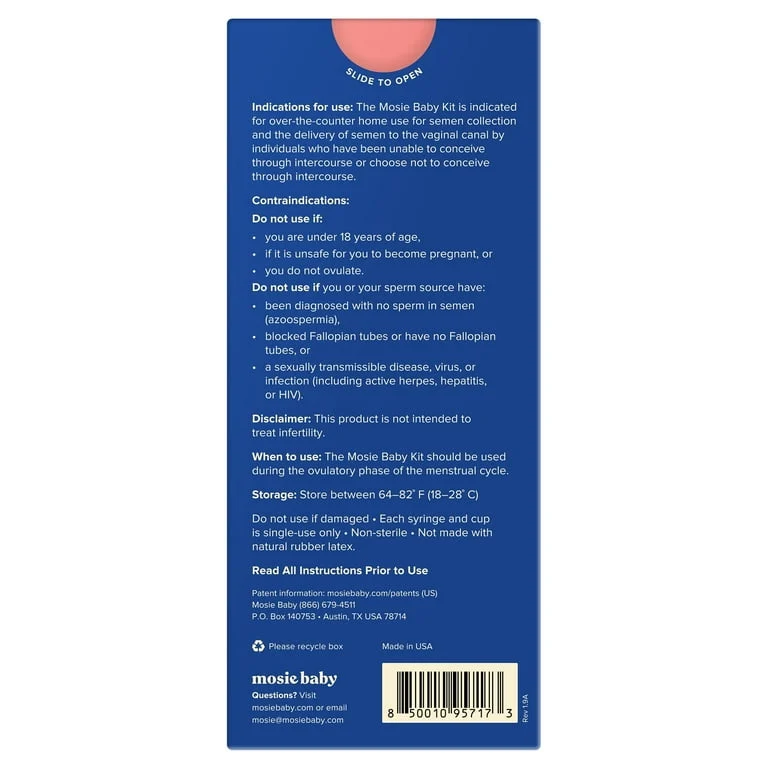
and LGBTQ+: Non-Invasive Insemination for Same-Sex Couples
Non-invasive insemination offers several benefits for same-sex couples who want to start a family. Firstly, it is a less invasive and more affordable option compared to other fertility treatments like IVF. The process is also relatively simple and can be done in a doctor’s office, without the need for hospitalization.
Moreover, unlike adoption or surrogacy, non-invasive insemination allows both partners to be biologically connected to the child. This can be an essential factor for LGBTQ+ couples who want to have a child that is genetically related to them. It also allows both partners to participate in the pregnancy and childbirth process, creating a stronger bond with the child.
Breaking Barriers and Challenging Stigmas
Non-invasive insemination for same-sex couples challenges traditional notions of parenthood and breaks down barriers to starting a family. In the past, same-sex couples faced many legal challenges when it came to adoption and surrogacy. However, with non-invasive insemination, the process is more straightforward and does not require legal intervention.
Additionally, non-invasive insemination also challenges stigmas surrounding LGBTQ+ parenthood. It shows that same-sex couples can provide a loving and stable home for a child, just like any heterosexual couple. It also allows LGBTQ+ individuals to take control of their reproductive rights and choose to start a family on their terms.
Final Thoughts
Non-invasive insemination offers a promising option for same-sex couples who want to start a family. It is a less invasive and more affordable option compared to other fertility treatments, and it allows both partners to be biologically connected to the child. It also breaks down barriers and challenges stigmas surrounding LGBTQ+ parenthood, promoting inclusivity and equality for all.
In a world where same-sex couples still face discrimination and obstacles, non-invasive insemination is a step towards achieving equal rights and acceptance. It allows them to fulfill their desire to become parents and create a loving home for their child. With advancements in medical technology and a more inclusive society, non-invasive insemination is becoming a viable and accessible option for LGBTQ+ couples, breaking barriers and creating a brighter future for all families.
Leave a Reply