Tag: medical supervision

  • Syringe Insemination vs IUI: Which is More Effective?

    Blog Post: Syringe Insemination vs IUI: Which is More Effective?

    When it comes to fertility treatments, there are various options available for individuals and couples who are struggling to conceive. Two common methods are syringe insemination and intrauterine insemination (IUI). While both procedures may seem similar, there are significant differences in terms of effectiveness, cost, and process. In this blog post, we will dive into the details of syringe insemination and IUI to determine which one is more effective in helping couples achieve their dream of having a baby.

    Syringe Insemination:

    Syringe insemination, also known as intracervical insemination (ICI), is a fertility treatment where the sperm is placed inside the vagina using a syringe. This method is typically used by couples who are trying to conceive at home or by single women who want to become pregnant through donor sperm. The process involves collecting the sperm sample, either from a partner or a sperm donor, and using a syringe to deposit it near the cervix. The goal is for the sperm to swim up through the cervix and into the uterus, where it can fertilize the egg.

    Pros of Syringe Insemination:

    1. Cost-effective: Syringe insemination is a relatively inexpensive fertility treatment compared to other options like IVF (in vitro fertilization) or IUI. Since it can be done at home, there is no need for medical supervision, which significantly reduces the cost.

    2. Convenience: Unlike other fertility treatments that require frequent visits to the clinic, syringe insemination can be done at home, making it more convenient for couples who have busy schedules.

    3. Non-invasive: This method is non-invasive and does not require any special equipment or medication. It is a simple and natural way of insemination, making it a preferred choice for many couples.

    Cons of Syringe Insemination:

    1. Lower success rates: The biggest disadvantage of syringe insemination is its lower success rates compared to other fertility treatments. This is because the sperm has to swim through the cervix and into the uterus, which can be a challenging journey for them. Therefore, the success rate of syringe insemination is only around 10-15%.

    2. No medical supervision: Since syringe insemination is done at home, there is no medical supervision. This can be a disadvantage for couples who may need guidance or assistance during the process.
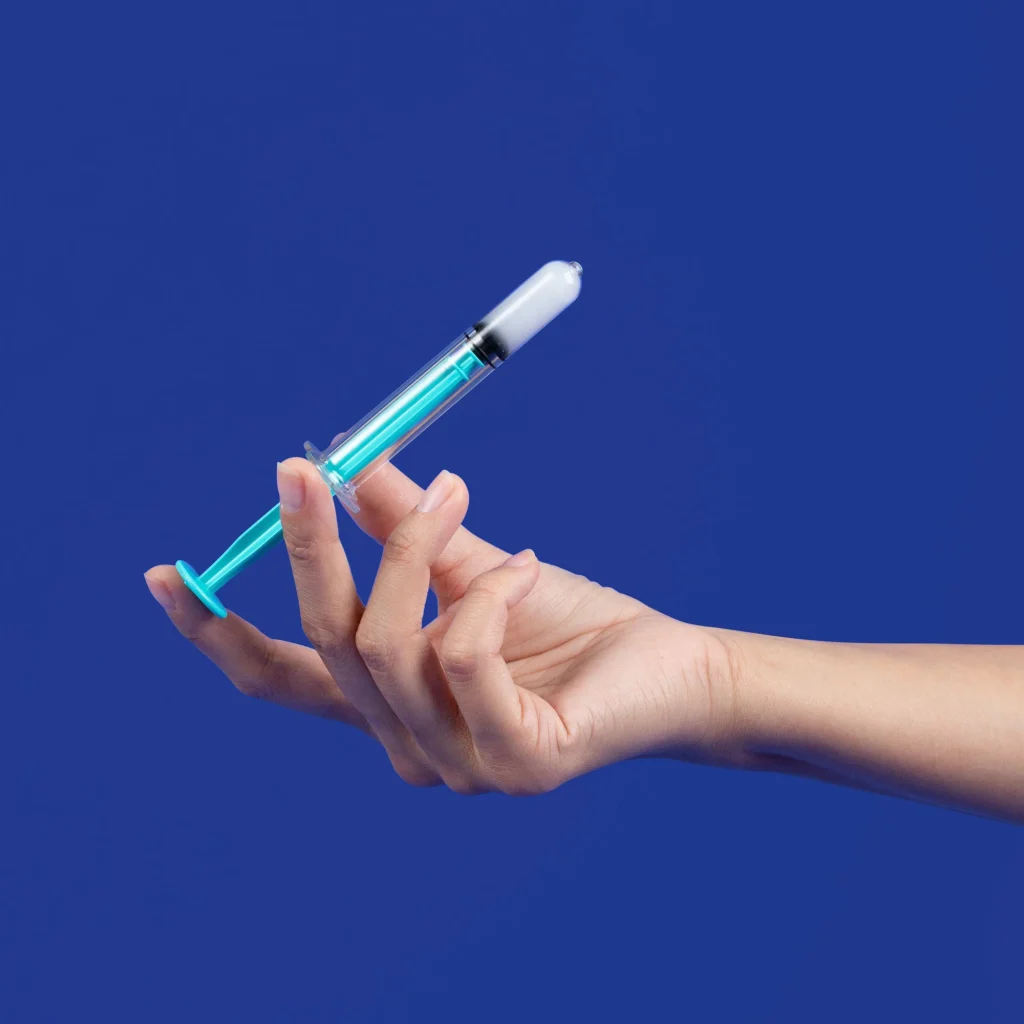
    hand holding a syringe with a blue plunger against a solid blue background

    Syringe Insemination vs IUI: Which is More Effective?

    Intrauterine Insemination (IUI):

    IUI, also known as artificial insemination, is a fertility treatment where sperm is placed directly into the uterus using a thin catheter. The process involves washing and preparing the sperm sample to increase its quality and then inserting it into the uterus at the time of ovulation. This method is usually recommended for couples who have been trying to conceive for a year or more without success or for those who have fertility issues.

    Pros of IUI:

    1. Higher success rates: Unlike syringe insemination, IUI has a higher success rate of around 20% per cycle. This is because the sperm is placed directly into the uterus, making it easier for them to reach the fallopian tubes and fertilize the egg.

    2. Medical supervision: IUI is done under the supervision of a fertility specialist, who can monitor the process and make any necessary adjustments to increase the chances of success.

    3. Can be combined with fertility drugs: IUI can be combined with fertility drugs, such as Clomid or Letrozole, to increase the chances of success. These drugs can help stimulate ovulation and increase the number of eggs released, making it more likely for fertilization to occur.

    Cons of IUI:

    1. More expensive: IUI is more expensive compared to syringe insemination, with an average cost of $500-$1000 per cycle. This is because it requires medical supervision and fertility drugs, which can add to the overall cost.

    2. Invasive: While not as invasive as IVF, IUI still involves the use of a catheter to insert the sperm into the uterus. This may not be comfortable for some women and can cause cramping or discomfort.

    Summary:

    In conclusion, both syringe insemination and IUI are fertility treatments that can help couples achieve their dream of having a baby. Syringe insemination is a cost-effective and convenient option, but it has lower success rates and no medical supervision. On the other hand, IUI has higher success rates and medical supervision, but it is more expensive and invasive. Ultimately, the choice between the two methods depends on the individual’s situation and preferences. It is always best to consult with a fertility specialist to determine which option is most suitable.


  • The Risks and Rewards of DIY Insemination with a Syringe Kit

    Blog Post Title: The Risks and Rewards of DIY Insemination with a Syringe Kit

    DIY insemination with a syringe kit has become a popular option for those looking to start a family or expand their existing one. With the rising costs of fertility treatments and the increasing acceptance of non-traditional family structures, more and more people are turning to at-home insemination as an affordable and accessible option. However, like any medical procedure, there are risks and rewards associated with DIY insemination with a syringe kit. In this blog post, we will explore the various factors to consider before embarking on this journey.

    The Risks:

    1. Lack of Medical Supervision: One of the biggest risks of DIY insemination is the lack of medical supervision. Unlike traditional fertility treatments that are performed under the guidance of a medical professional, at-home insemination is done without any oversight. This means that there is a higher chance of mistakes being made or complications arising.

    2. Incorrect Technique: Insemination is a delicate procedure that requires proper technique and knowledge of the female reproductive system. Without proper training or guidance, there is a risk of performing the procedure incorrectly, which can lead to a failed attempt or even potential health risks.

    3. Infection: Any time the body is exposed to foreign objects or substances, there is a risk of infection. This is particularly true when it comes to DIY insemination with a syringe kit. If the equipment or sperm used is not properly sterilized, it can lead to infections in both the donor and the person being inseminated.

    4. Legal Issues: In some countries, DIY insemination is not legal, and using a syringe kit can be seen as a form of unlicensed medical practice. This can lead to potential legal issues and complications, especially if the donor is not known or anonymous.

    Baby with blue eyes wearing a light blue onesie that says "made with Love" on a soft white background.

    The Risks and Rewards of DIY Insemination with a Syringe Kit

    5. Emotional Impact: DIY insemination can be a highly emotional experience, and it can be challenging to navigate without the support and guidance of a medical professional. The process of trying to conceive can be stressful and emotionally taxing, and without proper support, it can lead to further emotional distress.

    The Rewards:

    1. Affordability: One of the primary reasons people turn to DIY insemination is the cost. Traditional fertility treatments can be prohibitively expensive, and for those who do not have insurance coverage or cannot afford the high costs, at-home insemination is a more affordable option.

    2. Privacy: DIY insemination allows for a high level of privacy, which can be essential for those who do not wish to disclose their fertility journey to others. This can be particularly beneficial for LGBTQ+ couples or single individuals who may face discrimination or judgment from others.

    3. Control and Flexibility: At-home insemination gives individuals complete control over the process. They can choose the timing of insemination and the donor, which can provide a sense of flexibility and empowerment.

    4. Familiar Environment: For some, the idea of undergoing a medical procedure in a clinical setting can be daunting. DIY insemination allows individuals to perform the procedure in the comfort and familiarity of their own homes.

    5. Bonding with Partner: For couples, DIY insemination can be a bonding experience as they work together towards a common goal. It can also be an opportunity for LGBTQ+ couples to feel more involved in the process of starting a family.

    In conclusion, DIY insemination with a syringe kit has its risks and rewards. It is important to carefully consider all factors before deciding if it is the right option for you. Seeking guidance from a medical professional and ensuring proper sterilization and technique can help minimize the risks associated with at-home insemination. Ultimately, the decision to pursue DIY insemination should be made after careful consideration and with the support of loved ones.

  • DIY Baby-Making: Home Insemination Made Simple

    DIY Baby-Making: Home Insemination Made Simple

    Having a baby is one of the most exciting and life-changing experiences a person can have. However, for some couples, conceiving a child may not come as easily as they had hoped. This is where DIY baby-making through home insemination can provide a simple and cost-effective solution. In this blog post, we will discuss everything you need to know about DIY baby-making through home insemination, including the advantages, risks, and step-by-step instructions to help you get started.

    Advantages of DIY Baby-Making through Home Insemination

    One of the main advantages of DIY baby-making through home insemination is the cost savings. Traditional methods of conceiving a child, such as in vitro fertilization (IVF), can be extremely expensive and may not be a feasible option for everyone. With home insemination, you can skip the costly medical procedures and perform the insemination in the comfort of your own home.

    Another advantage is the convenience. Many couples may feel uncomfortable or self-conscious about undergoing medical procedures for conception. With DIY baby-making, you have complete privacy and can perform the insemination at your own pace and in a comfortable setting.

    In addition, home insemination allows for more control over the process. You can choose the timing and frequency of insemination, which can be particularly helpful for couples with irregular ovulation cycles. It also gives couples the option to use fresh sperm from a known donor, rather than relying on frozen sperm from a sperm bank.

    Risks of DIY Baby-Making through Home Insemination

    While DIY baby-making through home insemination may seem like a simple and risk-free option, there are still potential risks to consider. The main risk is the lack of medical supervision. Without a doctor overseeing the process, there is a possibility of incorrect technique or contamination, which could lead to infection or other complications.

    Another risk is the possibility of using sperm from an unknown donor, which may increase the risk of genetic diseases or disorders. It is important to thoroughly research and screen any potential donors to ensure the health and safety of the baby.

    Step-by-Step Guide to Home Insemination

    Before beginning the process of home insemination, it is important to consult with a doctor to ensure that you are a good candidate and to rule out any potential fertility issues. Once you have the green light, here is a step-by-step guide to DIY baby-making through home insemination:

    Step 1: Track Ovulation

    The first step is to determine when you are ovulating. This can be done through tracking your menstrual cycle, using ovulation predictor kits, or monitoring your basal body temperature. Ovulation typically occurs around day 14 of a 28-day cycle, but it can vary for each woman.

    illustration of Mosie Baby home insemination kit highlighting seamless transfer and size features

    DIY Baby-Making: Home Insemination Made Simple

    Step 2: Gather Supplies

    You will need a few supplies for the insemination process, including a sterile syringe, a sterile cup, and a sterile specimen jar. These can be purchased at most drugstores or online. It is important to ensure that all equipment is sterile to avoid any potential contamination.

    Step 3: Collect the Sperm

    If using a known donor, the sperm can be collected in the sterile specimen jar. If using frozen sperm from a sperm bank, it will need to be thawed according to the instructions provided. It is important to note that sperm can only survive for a few hours outside of the body, so it is crucial to time the insemination correctly.

    Step 4: Prepare the Insemination Site

    The insemination site should be clean and comfortable. Some couples prefer to use a bed or couch, while others prefer the bathroom. Make sure to lay down a towel or sheet to protect any surfaces from potential spills.

    Step 5: Insert the Sperm

    Using a sterile syringe, extract the sperm from the specimen jar and insert it into the vagina. This should be done as close to the cervix as possible to increase the chances of conception. It may be helpful to use a mirror or have a partner assist in the process.

    Step 6: Rest and Relax

    After the insemination, it is important to remain lying down for 15-20 minutes to allow the sperm to travel to the cervix. This will increase the chances of conception. It is also important to stay relaxed and avoid strenuous activities for the rest of the day.

    Step 7: Repeat the Process

    For the best chances of conception, it is recommended to repeat the insemination process for a few days in a row, starting a few days before ovulation and continuing until a day or two after ovulation. This will provide the sperm with multiple opportunities to fertilize an egg.

    Summary

    DIY baby-making through home insemination is a cost-effective and convenient option for couples struggling with fertility issues. It allows for more control over the process and provides privacy for those who may feel uncomfortable with medical procedures. However, it is important to consider the risks involved, such as lack of medical supervision and potential genetic concerns. By following a simple step-by-step guide and consulting with a doctor beforehand, couples can increase their chances of conceiving a child through home insemination.

  • and Beyond: Syringe Kits for Continued Fertility Support

    Blog Post Title: Beyond Syringe Kits: Navigating Fertility Support Beyond Traditional Methods

    Summary:

    Fertility struggles can be a challenging and emotional journey for many couples and individuals. While traditional methods such as in vitro fertilization (IVF) have been successful for some, they may not work for everyone. This is where alternative methods like at-home insemination and syringe kits come into play.

    Syringe kits have become increasingly popular in the fertility community due to their ease and convenience. These kits typically include a syringe, a needle, and a vial of sperm, making it possible for couples to inseminate at home without the assistance of a medical professional. However, there is a lack of information and resources available for those who are considering or currently using syringe kits for fertility support.

    In this blog post, we will dive deeper into the world of syringe kits for continued fertility support. We will discuss the benefits and drawbacks of using syringe kits, how to properly use them, and the importance of seeking professional guidance throughout the process. We will also explore alternative methods and resources for those who are looking for additional support on their fertility journey.

    Benefits of Syringe Kits:

    One of the main benefits of syringe kits is the convenience they offer. Inseminating at home can save couples time and money, as opposed to going to a fertility clinic for each insemination attempt. It also allows for more privacy and comfort, which can be crucial for some individuals who may feel uncomfortable with the medical setting of a clinic.

    Syringe kits also provide a sense of control and empowerment for couples, as they are able to take an active role in the fertility process. This can be especially important for those who have felt a lack of control or agency during their fertility journey.

    Drawbacks of Syringe Kits:

    While the convenience and control of syringe kits may seem appealing, there are some drawbacks to consider. One of the main concerns is the lack of medical supervision. Inseminating at home without the guidance of a medical professional can be risky, as there is a higher chance of infection or injury if proper precautions are not taken.

    pregnancy test kit features labeled for comfort and confidence on a teal background

    and Beyond: Syringe Kits for Continued Fertility Support

    Another drawback is the potential for inaccurate or expired sperm. Syringe kits may not always come from a reliable source, and it is crucial to ensure the sperm is safe and viable before using it for insemination. Additionally, there is a lack of regulation and quality control for syringe kits, which can lead to inconsistent results.

    Proper Usage of Syringe Kits:

    If you do decide to use a syringe kit for fertility support, it is important to follow proper usage guidelines. This includes using sterile equipment, following a strict insemination schedule, and seeking guidance from a medical professional throughout the process.

    It is also crucial to understand the fertility cycle and ovulation timing, as using a syringe kit at the wrong time can significantly decrease the chances of successful insemination. Seeking help from a fertility specialist or using ovulation predictor kits can help increase the chances of success.

    Beyond Syringe Kits: Alternative Methods and Resources:

    While syringe kits may work for some, they are not the only option for continued fertility support. Some individuals may find success with other at-home insemination methods such as the cervical cap method or soft cups. These methods involve using a barrier device to keep the sperm close to the cervix and increase the chances of fertilization.

    There are also resources available to those who are considering or currently using syringe kits. Online forums and support groups can provide a sense of community and offer advice and support from others who have gone through similar experiences. It is important to have a support system in place, both online and in-person, to navigate the emotional and physical challenges of fertility struggles.

    Final Thoughts:

    Fertility struggles can be a long and difficult journey, and it is important to have access to reliable information and resources for continued support. While syringe kits may offer convenience and control, it is crucial to consider the potential risks and seek guidance from a medical professional throughout the process. Additionally, exploring alternative methods and finding a supportive community can help individuals and couples navigate the challenges of fertility struggles.

    In conclusion, syringe kits can be a useful tool in the fertility journey, but they should not be the only method used. By understanding the benefits and drawbacks of syringe kits, properly using them, and seeking additional resources and support, individuals can take control of their fertility journey and increase their chances of success.

  • Beyond the Clinic: The Rise of At-Home Insemination Solution Sets for Conception

    Blog Post Title: Beyond the Clinic: The Rise of At-Home Insemination Solution Sets for Conception

    Summary:

    The journey to parenthood is different for every couple, and while some may be able to conceive naturally, others may need assistance. In the past, fertility treatments were limited to clinical settings, but with the rise of at-home insemination solution sets, couples now have more options for achieving their dream of starting a family. In this blog post, we will explore the growing trend of at-home insemination, the benefits and drawbacks, and how it is changing the landscape of conception.

    The Rise of At-Home Insemination Solution Sets:

    The concept of at-home insemination is not new, but it has gained popularity in recent years due to advancements in technology and the increasing acceptance of non-traditional family structures. At-home insemination involves the use of a solution set, which typically includes a syringe, a collection cup, and sometimes a cervical cap or cervical mucus-friendly lubricant. These solution sets are easily available online and do not require a prescription, making them a convenient and discreet option for couples.

    Benefits of At-Home Insemination:

    One of the main benefits of at-home insemination is the privacy and comfort it provides. Many couples may feel uncomfortable or self-conscious in a clinical setting, and at-home insemination allows them to take control of their fertility journey in the comfort of their own home. It also eliminates the need for multiple visits to a clinic, which can be time-consuming and expensive.

    At-home insemination also gives couples more control over the timing of insemination. In a clinical setting, insemination is typically done on a specific schedule, but with at-home insemination, couples can track their ovulation and inseminate at the most optimal time. This can increase the chances of conception and reduce the need for multiple insemination attempts.

    at-home insemination kit featuring a syringe and container for fresh or donor sperm conception

    Beyond the Clinic: The Rise of At-Home Insemination Solution Sets for Conception

    Drawbacks of At-Home Insemination:

    While at-home insemination may seem like an attractive option, it is not without its drawbacks. One of the main concerns is the lack of medical supervision. In a clinical setting, a doctor or nurse can monitor the process and provide guidance if any issues arise. With at-home insemination, there is a higher risk of infection or other complications if proper hygiene and sterilization protocols are not followed.

    Another concern is the accuracy of the insemination process. In a clinical setting, trained professionals handle the procedure, but at-home insemination relies on the couple to properly administer the solution. This can be challenging, especially for couples who are new to the process and may not have a thorough understanding of their anatomy.

    The Changing Landscape of Conception:

    The rise of at-home insemination is also changing the landscape of conception in many ways. It is providing an alternative for couples who may not have access to or cannot afford traditional fertility treatments. It is also giving same-sex couples and single individuals the opportunity to start a family without the need for a sperm donor or a surrogate.

    At-home insemination is also challenging the idea of what a traditional family looks like. With more people opting for non-traditional family structures, at-home insemination is making it possible for individuals and couples to have a biological connection to their child.

    Final Thoughts:

    At-home insemination solution sets are a convenient and discreet option for couples who are struggling with fertility. It provides them with more control over their fertility journey and eliminates the need for multiple visits to a clinic. However, it is important to weigh the benefits and drawbacks and consult with a healthcare professional before embarking on this journey.

  • Understanding the Risks and Benefits of Home Insemination

    Blog Post: Understanding the Risks and Benefits of Home Insemination

    Home insemination, also known as self-insemination, is the process of using at-home methods to get pregnant without medical intervention. This method has been gaining popularity in recent years as more and more couples opt for a more natural and intimate way of conceiving. However, like any other fertility method, home insemination has its risks and benefits that should be carefully considered before making a decision. In this blog post, we will delve deeper into the topic of home insemination, its risks, and potential benefits to help you make an informed decision.

    The Process of Home Insemination

    Before we get into the risks and benefits, let’s first understand how home insemination works. The process involves collecting semen from the male partner or a sperm donor and using a syringe or a cervical cap to insert it into the woman’s vagina. This can be done through various methods such as intracervical insemination (ICI), where the semen is injected into the cervix, or intravaginal insemination (IVI), where the semen is placed in the vagina.

    Risks of Home Insemination

    1. Lower Success Rates: One of the biggest risks of home insemination is the lower success rates compared to other fertility methods. According to a study published in the Journal of Assisted Reproduction and Genetics, the success rates of home insemination can range from 10-15%, while other assisted reproductive techniques, such as intrauterine insemination (IUI), have a success rate of 15-20%.

    2. Lack of Medical Supervision: Home insemination is a self-administered method, and hence, there is no medical supervision involved. This can be a significant risk as there is no one to monitor the process or provide guidance in case of any complications.

    3. Risk of Infection: Another risk of home insemination is the potential risk of infection. Since the process involves collecting semen from the male partner or donor, there is a chance of introducing bacteria or viruses into the woman’s reproductive system, which can lead to infections.

    4. Emotional and Psychological Risks: Home insemination can also take an emotional and psychological toll on the couple. The pressure of trying to conceive and the disappointment of unsuccessful attempts can cause stress, anxiety, and strain on the relationship.

    Benefits of Home Insemination

    Hands holding a syringe and a small container against a blue background.

    Understanding the Risks and Benefits of Home Insemination

    1. Privacy and Intimacy: One of the main benefits of home insemination is the privacy and intimacy it offers. Many couples prefer this method as it allows them to have control over the process and have a more intimate experience without any medical intervention.

    2. Cost-Effective: Home insemination is a more cost-effective option compared to other assisted reproductive techniques. The average cost of one cycle of IUI can range from $300 to $1000, while home insemination can be done at a fraction of the cost.

    3. Convenience: Home insemination can be done in the comfort of your own home, making it a more convenient option for couples who have busy schedules or live far from a fertility clinic.

    4. More Natural Approach: For some couples, home insemination can feel like a more natural approach to conceiving, as it does not involve any medications or medical procedures.

    5. Option for Same-Sex Couples: Home insemination is also a viable option for same-sex couples who wish to start a family. With the use of a sperm donor, both partners can be involved in the process and have a biological connection to their child.

    Factors to Consider Before Opting for Home Insemination

    1. The Cause of Infertility: Before deciding on home insemination, it is essential to understand the cause of infertility, as this method may not be suitable for all cases. If the infertility is due to male factor issues such as low sperm count or motility, home insemination may not be the best option.

    2. Age: Age can also play a significant role in the success of home insemination. As a woman’s fertility declines with age, couples who are older may have a lower chance of success with this method.

    3. Risk of Multiple Pregnancies: Home insemination can also increase the risk of multiple pregnancies, which can be a concern for some couples. If multiple pregnancies are not desired, other fertility methods may be a better option.

    4. Legal Implications: It is crucial to consider the legal implications of using a sperm donor in home insemination. In some countries, the sperm donor may have legal rights and responsibilities towards the child, which can complicate matters in the future.

    In summary, home insemination can be an attractive option for couples who prefer a more natural and intimate approach to conceiving. However, it is essential to understand the risks involved and carefully consider all factors before making a decision. It is always advisable to consult with a fertility specialist to determine the best course of action for your specific situation.

  • The Legalities of At-Home Insemination: What You Need to Know

    Blog Post Title: The Legalities of At-Home Insemination: What You Need to Know

    At-home insemination, also known as self-insemination, is the process of using a donor’s sperm to impregnate oneself at home without the involvement of a medical professional. This method has become increasingly popular among LGBTQ+ couples and single individuals who want to start a family. However, there are several legal considerations to take into account before embarking on this journey. In this blog post, we will discuss the legalities of at-home insemination and provide you with important information that you need to know.

    The Legality of At-Home Insemination
    Before delving into the legal aspects of at-home insemination, it is essential to understand the difference between at-home insemination and traditional artificial insemination. At-home insemination involves the use of a donor’s sperm without the guidance or assistance of a medical professional. On the other hand, traditional artificial insemination is performed by a doctor or fertility specialist, and the sperm is typically obtained from a sperm bank. In most countries, traditional artificial insemination is regulated and requires the involvement of a licensed medical professional. However, the laws surrounding at-home insemination are often less clear.

    In the United States, at-home insemination is generally legal, but it is not explicitly regulated. This means that there are no laws specifically prohibiting or regulating the practice. However, this does not mean that at-home insemination is entirely risk-free from a legal standpoint. The lack of regulations means that there is no oversight or protection for both the donor and the recipient, leaving them vulnerable to potential legal issues.

    Legal Considerations for Recipients
    As a recipient of at-home insemination, there are a few legal considerations that you need to be aware of. The most crucial aspect is the paternity and legal rights of the donor. In most countries, the donor of the sperm used in at-home insemination is considered the legal father of the child. This means that the donor may have rights to custody and visitation, and they may also be held responsible for child support. It is essential to discuss and clarify these matters with your donor before proceeding with at-home insemination.

    Two transparent syringes with teal accents positioned diagonally on a light gray background.

    The Legalities of At-Home Insemination: What You Need to Know

    Another crucial legal consideration for recipients is the potential risk of using a known donor. A known donor is someone that you have a personal relationship with, such as a friend or family member. While using a known donor may seem like a convenient and comfortable option, it can also lead to legal complications. For example, if the donor is married, their spouse may have parental rights over the child, and they may also be held responsible for child support. It is advisable to seek legal advice and have a written agreement in place with a known donor to avoid any potential legal disputes.

    Legal Considerations for Donors
    As a donor in at-home insemination, you also have legal considerations to be aware of. As mentioned earlier, in most countries, the donor is considered the legal father of the child. This means that they may be held responsible for child support and other parental rights and obligations. It is crucial for donors to understand their legal rights and obligations before agreeing to donate their sperm for at-home insemination. It is also advisable for donors to have a written agreement in place with the recipient to avoid any potential legal issues in the future.

    Other Legal Considerations
    Aside from the legal considerations for recipients and donors, there are other legal aspects to be aware of when it comes to at-home insemination. These include the potential risks of using unregulated sperm donors and the lack of medical supervision during the insemination process. It is crucial to thoroughly screen potential donors and use proper sterilization techniques to avoid the risk of contracting sexually transmitted infections. It is also recommended to consult with a medical professional before proceeding with at-home insemination to ensure that both the donor and recipient are in good health and to understand the potential risks involved.

    In addition to medical considerations, it is also essential to be aware of the legal rights of the child born through at-home insemination. In most countries, the child has the right to know their biological father’s identity, and they may be entitled to certain legal rights and benefits from the donor. It is advisable to seek legal advice and have a clear understanding of these rights and obligations before proceeding with at-home insemination.

    In Conclusion
    At-home insemination can be a viable option for individuals and couples who want to start a family, but it is essential to be aware of the legal considerations involved. It is crucial to seek legal advice and have a written agreement in place with the donor to avoid any potential legal disputes. It is also recommended to consult with a medical professional and thoroughly screen potential donors to ensure the safety and well-being of all parties involved. By understanding the legalities of at-home insemination, you can make an informed decision and start your journey to parenthood with peace of mind.

    Summary: At-home insemination, or self-insemination, is a popular method for starting a family among LGBTQ+ couples and single individuals. While it is generally legal in the United States, there are several important legal considerations to be aware of before proceeding with at-home insemination. These include the legal rights and responsibilities of both the donor and recipient, the potential risks of using a known donor, and the lack of medical supervision during the insemination process. It is crucial to seek legal advice and have a written agreement in place to avoid any potential legal disputes. Additionally, it is recommended to consult with a medical professional and thoroughly screen potential donors to ensure the safety and well-being of all parties involved.

  • Fertility Friend Insemination Kit vs. Traditional Insemination: Which is Right for You?

    Blog Post:

    For couples struggling with infertility, the journey to starting a family can be filled with challenges and difficult decisions. One of these decisions is choosing the method of insemination. While traditional insemination, where a doctor places sperm directly into the uterus, has been the go-to option for many years, there is now a new method on the market – the Fertility Friend Insemination Kit. In this blog post, we will break down the differences between these two methods and help you determine which one may be right for you.

    Traditional Insemination:

    Traditional insemination, also known as intrauterine insemination (IUI), involves a doctor placing washed and prepared sperm directly into the uterus. This is typically done during ovulation to increase the chances of conception. The procedure is usually performed in a doctor’s office and can take just a few minutes.

    Pros:

    1. Medical Supervision: One of the biggest advantages of traditional insemination is that it is performed under the supervision of a medical professional. This can bring a sense of security and comfort to couples who may have concerns about performing the procedure at home.

    2. Higher Success Rates: Traditional insemination has been used for many years and has a proven track record of success. According to the American Pregnancy Association, the success rates for IUI range from 5-20% per cycle, depending on factors such as age and overall health.

    Cons:

    1. Cost: Traditional insemination can be quite costly, with the average cost ranging from $300-$1000 per cycle. This can add up quickly, especially for couples who require multiple cycles to achieve pregnancy.

    2. Inconvenience: The need to visit a doctor’s office for the procedure can be inconvenient, especially for those who live far from a fertility clinic. This can also add to the overall cost and time commitment of the process.

    Fertility Friend Insemination Kit:

    The Fertility Friend Insemination Kit is a new method that allows couples to perform insemination in the comfort of their own home. The kit includes all the necessary items for the procedure, such as a syringe, catheter, and instructions.

    sperm-ready insemination kit with a syringe and container, featuring a screw top lid and non-tip safety wall

    Fertility Friend Insemination Kit vs. Traditional Insemination: Which is Right for You?

    Pros:

    1. Cost-Effective: The Fertility Friend Insemination Kit is significantly cheaper than traditional insemination, with an average cost of $50-$100 per cycle. This makes it a more affordable option for couples who may require multiple attempts to conceive.

    2. Convenience: With the Fertility Friend Insemination Kit, couples can perform the procedure in the privacy of their own home. This eliminates the need for frequent visits to a doctor’s office, saving time and money.

    3. Increased Intimacy: For some couples, the traditional insemination process can feel clinical and impersonal. With the Fertility Friend Insemination Kit, couples can perform the procedure in a more intimate setting, which may help to reduce stress and increase the chances of success.

    Cons:

    1. Lack of Medical Supervision: Unlike traditional insemination, the Fertility Friend Insemination Kit does not involve the supervision of a medical professional. This may make some couples feel less secure about the process.

    2. Lower Success Rates: Since the Fertility Friend Insemination Kit is a relatively new method, there is limited data on its success rates. However, some studies have shown that it may have a slightly lower success rate compared to traditional insemination.

    Which is Right for You?

    When deciding between traditional insemination and the Fertility Friend Insemination Kit, it is essential to consider your individual needs and preferences. If you prefer the security of medical supervision and have the resources to cover the cost, traditional insemination may be the right choice for you. However, if you are looking for a more affordable and convenient option, the Fertility Friend Insemination Kit may be the better fit.

    In conclusion, both traditional insemination and the Fertility Friend Insemination Kit have their pros and cons. It is crucial to consult with your doctor and consider your individual circumstances before making a decision. Whatever method you choose, remember to stay positive and have patience, as starting a family through insemination can be a journey full of ups and downs.

    Summary:

    For couples struggling with infertility, the decision between traditional insemination and the Fertility Friend Insemination Kit can be a difficult one. While traditional insemination offers medical supervision and higher success rates, it can be costly and inconvenient. On the other hand, the Fertility Friend Insemination Kit is more affordable and convenient, but lacks medical supervision and has lower success rates. Ultimately, the best option will vary for each couple, and it is essential to consider individual needs and preferences before making a decision.




