Tag: artificial insemination

  • Building Your Family on Your Terms: Home Insemination Starter Pack

    Building Your Family on Your Terms: Home Insemination Starter Pack

    Starting a family is a dream for many individuals and couples, but traditional methods may not always be feasible or desirable. For those looking to build their family on their own terms, home insemination can be a viable option. It allows for a more intimate and controlled experience, while also being more cost-effective. In this blog post, we will provide a comprehensive guide to help you navigate the process of home insemination and create your own Home Insemination Starter Pack.

    What is Home Insemination?

    Home insemination, also known as artificial insemination, is the process of manually placing sperm into the reproductive tract of a female in order to achieve pregnancy. It can be done at home with the help of a donor or a partner, or with the assistance of a medical professional. This method is commonly used by same-sex couples, single individuals, or those who are struggling with fertility issues.

    Benefits of Home Insemination

    There are several benefits to choosing home insemination as a method for starting your family. One of the main advantages is the ability to have more control over the process. You can choose the timing, location, and method that works best for you. Home insemination also eliminates the stress and cost of a medical setting, making it a more comfortable and affordable option. Additionally, it allows for a more intimate experience between partners or with a known donor.

    Home Insemination Starter Pack Essentials

    Before embarking on the home insemination process, it is important to have all the necessary supplies and tools. Here are some essential items that should be included in your Home Insemination Starter Pack:

    1. Quality Sperm Donor or Partner: The first step in home insemination is to find a quality sperm donor or partner. This can be someone you know or a donor from a reputable sperm bank. It is important to thoroughly screen any potential donors for genetic and medical history, as well as personal and legal considerations.

    2. Ovulation Predictor Kits: In order to increase your chances of success, it is important to track your ovulation cycle. Ovulation predictor kits can help you determine the most fertile days to inseminate.

    3. Syringe or Softcup: These are the two main methods for insemination. A syringe allows for more precise placement of the sperm, while a Softcup can be inserted and worn for several hours to increase the chances of insemination.

    4. Lubricant: It is important to use a fertility-friendly lubricant, as some types of lubricants can harm sperm mobility. Look for a lubricant that is specifically designed for fertility purposes.

    5. Basal Thermometer: A basal thermometer is used to track your basal body temperature (BBT), which can help determine when you are ovulating.

    6. Insemination Instructions: Having detailed instructions on hand is important for a successful home insemination. These can be found online or provided by your sperm donor or medical professional.

    Two transparent syringes with teal accents positioned diagonally on a light gray background.

    Building Your Family on Your Terms: Home Insemination Starter Pack

    7. Support System: The home insemination process can be emotional and stressful, so having a support system in place is crucial. This can include a partner, family member, or friend who can offer emotional support and help with the process.

    Performing Home Insemination

    Once you have all the essential items, you can begin the home insemination process. It is important to carefully follow the instructions and maintain a sterile environment to ensure the best chances of success. Here are some general steps to follow:

    1. Prepare the sperm: If using a donor, make sure to thaw the sperm according to the instructions provided. If using fresh sperm, it should be collected and used within an hour.

    2. Track ovulation: Use an ovulation predictor kit or track your BBT to determine when you are ovulating.

    3. Prepare the insemination area: Make sure the area is clean and sterile. This can be a bed with a towel or a clean bathroom floor.

    4. Prepare the syringe or Softcup: If using a syringe, draw up the sperm and remove any air bubbles. If using a Softcup, follow the instructions provided.

    5. Inseminate: Follow the instructions provided for your chosen method of insemination. The sperm should be placed as close to the cervix as possible.

    6. Rest: After insemination, it is recommended to lay down for at least 20 minutes to allow the sperm to travel towards the cervix.

    7. Wait and test: Wait for the recommended time frame before taking a pregnancy test. If the test is positive, congratulations! If not, you may need to try again in the next ovulation cycle.

    Conclusion

    Home insemination can be a rewarding and intimate experience for those looking to build their family on their own terms. With the right preparation and tools, you can increase your chances of success and enjoy the journey of starting your family. Remember to always consult with a medical professional and thoroughly research the process before beginning.

    Summary:

    Home insemination is a viable and cost-effective method for building your family on your own terms. It allows for more control, intimacy, and affordability compared to traditional methods. To successfully perform home insemination, it is important to have a Home Insemination Starter Pack that includes essential items such as a quality sperm donor or partner, ovulation predictor kits, syringe or Softcup, fertility-friendly lubricant, and a support system. Following the proper steps and maintaining a sterile environment can increase your chances of success. Always consult with a medical professional and thoroughly research the process before beginning.

  • Home Insemination Made Simple: A Starter Pack for Beginners

    Summary:

    In today’s modern world, there are many different options for starting a family. One method that has gained popularity in recent years is home insemination, also known as DIY artificial insemination. This method involves using a donor’s sperm to fertilize an egg, without the assistance of a medical professional.

    Home insemination can be a simple and affordable option for those who are unable to conceive naturally or prefer to have a more personal experience. However, for beginners, the process can seem intimidating and overwhelming. That’s why we have put together this starter pack to guide you through the process of home insemination, making it simple and stress-free.

    Step 1: Determine Your Method of Insemination
    The first step in home insemination is to decide which method you will use. There are two main options: intracervical insemination (ICI) and intrauterine insemination (IUI). ICI involves placing the sperm near the cervix, while IUI involves placing the sperm directly into the uterus. IUI is a more effective method but requires a special catheter, which may not be easily accessible for beginners. It is recommended to start with ICI and switch to IUI if needed.

    Step 2: Choose Your Donor
    The next step is to choose a donor. This can be a known donor, such as a friend or family member, or an anonymous donor from a sperm bank. It is important to discuss expectations and boundaries with the donor before starting the process. If using a sperm bank, make sure to choose a reputable one and thoroughly review their screening and testing processes.

    Step 3: Track Your Ovulation
    Timing is crucial in home insemination, as it increases the chances of success. It is important to track your ovulation using methods such as ovulation predictor kits or tracking your basal body temperature. This will help you determine the best time for insemination.

    illustration comparing standard and Mosie syringe openings with text highlighting design benefits for home insemination

    Home Insemination Made Simple: A Starter Pack for Beginners

    Step 4: Gather Your Supplies
    Before starting the insemination process, make sure you have all the necessary supplies. These include a sterile container for the sperm, a sterile syringe or needleless syringe, a menstrual cup or cervical cap, and a timer. It is also recommended to have some lubricant on hand to make the process more comfortable.

    Step 5: Prepare the Sperm
    If you are using a known donor, make sure they have followed the recommended guidelines for sperm collection. If using a sperm bank, follow their instructions for thawing the sperm. It is important to keep the sperm at room temperature for at least 20 minutes before insemination.

    Step 6: Insemination Process
    Once the sperm is ready, it’s time to start the insemination process. Make sure to thoroughly wash your hands and use gloves if desired. Place the sperm in the sterile container and use the syringe to draw it up. If using a menstrual cup or cervical cap, follow the instructions for insertion. If using a syringe, insert it into the vagina and slowly inject the sperm near the cervix. Once the sperm is deposited, set a timer for 20 minutes to allow it to reach the cervix.

    Step 7: Rest and Relax
    After the insemination process, it is important to rest and relax for at least 15 minutes. This will allow the sperm to swim towards the egg and increase the chances of fertilization. Some people also find it helpful to elevate their hips or place a pillow under their hips to help the sperm reach the cervix.

    Step 8: Wait for Results
    The final step is to wait for the results. It is recommended to take a pregnancy test about two weeks after insemination. If the test is positive, congratulations! If not, don’t get discouraged, as home insemination may take a few tries before success.

    In conclusion, home insemination can be a simple and effective method for starting a family. By following these steps and being patient, you can increase your chances of success. Remember to always consult with a medical professional if you have any concerns or questions.

    SEO metadata:

  • Everything You Need to Know About Home Insemination: A Starter Pack

    Blog Post Title: Everything You Need to Know About Home Insemination: A Starter Pack

    Summary:

    Home insemination, also known as at-home insemination, is a method of assisted reproduction that allows individuals and couples to conceive in the comfort of their own home. This option has become increasingly popular due to its affordability and convenience. In this blog post, we will provide a comprehensive guide to home insemination, including the basics, the process, and important considerations.

    First, let’s start with the basics. Home insemination is a form of artificial insemination where sperm is introduced into the reproductive tract of a woman in order to fertilize an egg. This can be done using a variety of methods, such as using a syringe, a cervical cap, or a menstrual cup. The goal is to bring the sperm as close to the cervix as possible to increase the chances of conception.

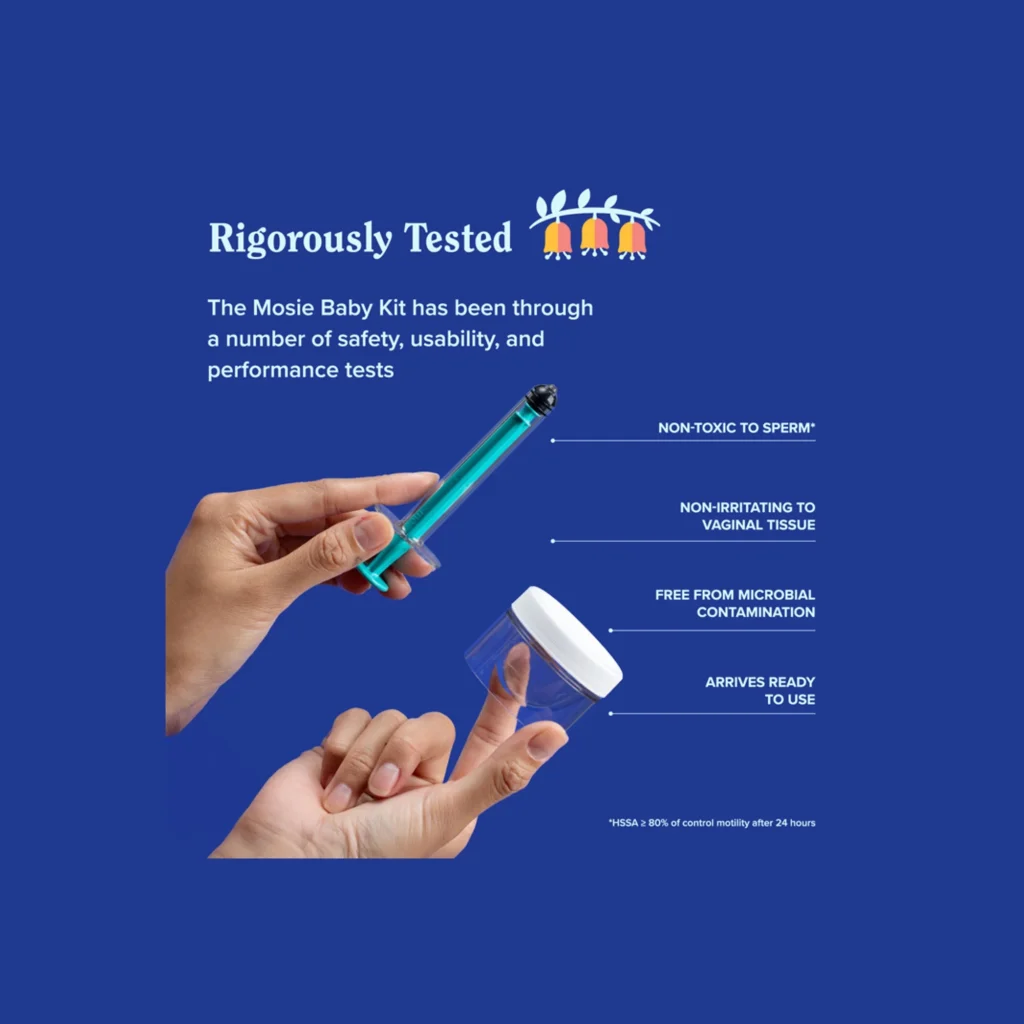
    Mosie Baby Kit features a syringe and container, highlighting safety and usability tests on a blue background.

    Everything You Need to Know About Home Insemination: A Starter Pack

    The process of home insemination involves several steps. The first step is to purchase donor sperm, which can be obtained from a sperm bank or through known donors. It is important to choose a reputable sperm bank and to thoroughly screen any known donors to ensure the health and quality of the sperm. Next, you will need to prepare the sperm for insemination. This may involve thawing frozen sperm or preparing fresh sperm. Then, using a sterile syringe or other method, the sperm is inserted into the vagina and directed towards the cervix. It is recommended to use an ovulation predictor kit to determine the most fertile days for insemination.

    There are several important considerations to keep in mind when considering home insemination. First, it is important to have a clear understanding of the legal implications, as laws regarding home insemination can vary by country and state. It is also crucial to have open and honest communication with your partner or any known donors involved in the process. Additionally, it is important to seek the guidance of a healthcare professional to ensure that you are following proper procedures and to monitor your progress.

    One of the main benefits of home insemination is the affordability. Compared to other assisted reproductive techniques, home insemination is significantly less expensive. It also allows for privacy and control over the entire process. However, it is important to note that there are no guarantees of success, and it may take multiple attempts before achieving pregnancy.

    While home insemination is a viable option for many individuals and couples, it is not suitable for everyone. Factors such as age, fertility issues, and medical conditions may make it necessary to seek medical assistance. It is important to consult with a healthcare professional to determine the best course of action for your specific situation.

    In conclusion, home insemination can be a successful and cost-effective option for those looking to conceive. However, it is important to research and understand the process, as well as to seek the guidance of a healthcare professional. With careful planning and consideration, home insemination can be a fulfilling and rewarding experience.

  • The Syringe Kit: A Promising Solution for Male Infertility

    The Syringe Kit: A Promising Solution for Male Infertility

    Infertility is a complex and emotional issue that affects millions of couples around the world. While many people associate infertility with women, the truth is that male infertility accounts for about 40% of all infertility cases. Male infertility can be caused by a variety of factors, including hormonal imbalances, genetic disorders, and lifestyle choices. Until recently, treatment options for male infertility were limited and often invasive. However, a new solution has emerged that shows promise for couples struggling with male infertility – the syringe kit.

    What is the Syringe Kit?

    The syringe kit is a new and innovative solution for male infertility. It is a simple and non-invasive device that allows men to collect and store semen samples at home. The kit consists of a collection cup, a syringe, and a storage container. The process is straightforward – the man collects his semen sample in the cup, then uses the syringe to transfer the sample to the storage container. The container is then sealed and can be stored in a refrigerator until it is needed.

    Why is the Syringe Kit a Promising Solution?

    One of the main reasons why the syringe kit is a promising solution for male infertility is its convenience. In traditional methods, such as sperm retrieval and intrauterine insemination (IUI), the man has to go to a clinic or hospital to provide a semen sample. This can be inconvenient and stressful, especially for men who live in rural areas or have busy schedules. With the syringe kit, men can collect their sample in the comfort of their own home, making the process more convenient and less stressful.

    Moreover, the syringe kit allows for more accurate and timely testing. In traditional methods, the semen sample has to be tested immediately after collection, which can be challenging if the man lives far from the clinic. With the syringe kit, the sample can be stored in a refrigerator for up to 24 hours, providing more flexibility for testing and reducing the risk of inaccurate results.

    The syringe kit also offers a more affordable option for couples struggling with male infertility. Traditional methods can be costly, with multiple visits to the clinic and expensive procedures. The syringe kit, on the other hand, is relatively inexpensive and can be used multiple times, making it a cost-effective solution for couples.

    guide and materials for using Mosie Baby fertility kit on a textured surface

    The Syringe Kit: A Promising Solution for Male Infertility

    How can the Syringe Kit Help with Male Infertility?

    The syringe kit can help couples struggling with male infertility in several ways. Firstly, it allows for more accurate testing of semen samples, giving doctors a better understanding of the underlying cause of infertility. This information can then guide the couple in choosing the most appropriate treatment option.

    Secondly, the syringe kit can also be used for artificial insemination at home. Intrauterine insemination (IUI) is a popular fertility treatment that involves placing sperm directly into the woman’s uterus. With the syringe kit, men can collect their semen sample at home and then use it for IUI, eliminating the need for multiple visits to the clinic.

    Lastly, the syringe kit can also be used for sperm storage. Men who are about to undergo medical treatments that may affect their fertility, such as chemotherapy, can use the syringe kit to store their sperm for future use. This ensures that they have the option of starting a family in the future, even if they become infertile due to medical treatments.

    Are there any Limitations to the Syringe Kit?

    While the syringe kit shows a lot of promise as a solution for male infertility, it does have some limitations. Firstly, it is not suitable for all types of infertility. For example, if a man has a severe sperm disorder, the syringe kit may not be an effective solution. In such cases, more invasive procedures may be necessary.

    Additionally, some men may find the process of collecting a semen sample at home uncomfortable or embarrassing. This can also be a barrier for couples who are not comfortable with the idea of artificial insemination at home.

    Summary:

    The syringe kit is a new and innovative solution for male infertility. It is a simple and non-invasive device that allows men to collect and store semen samples at home. This offers a more convenient and affordable option for couples struggling with male infertility. The kit can also be used for more accurate testing, artificial insemination at home, and sperm storage. However, it may not be suitable for all types of infertility, and some men may find it uncomfortable or embarrassing to use.

  • Fertility and the Syringe Kit: Debunking Common Misconceptions

    Fertility and the Syringe Kit: Debunking Common Misconceptions

    Fertility is a topic that is often surrounded by myths and misconceptions. One of the most misunderstood aspects of fertility is the use of syringe kits for conception. These kits, also known as artificial insemination kits, are often seen as a last resort for couples struggling with fertility. However, the truth is that syringe kits can be a helpful tool for many couples trying to conceive, and it’s time to debunk the common misconceptions surrounding them.

    Misconception #1: Syringe Kits are Only for Same-Sex Couples or Single Women

    One of the biggest misconceptions about syringe kits is that they are only used by same-sex couples or single women. While these groups may be more likely to use syringe kits, they are not the only ones who can benefit from them. Any couple struggling with fertility can use a syringe kit to increase their chances of conception. In fact, many heterosexual couples use syringe kits as a more affordable and less invasive option before considering other fertility treatments.

    Misconception #2: Syringe Kits are Ineffective

    Another common misconception about syringe kits is that they are not as effective as other fertility treatments. While it is true that syringe kits may not work for every couple, they have been proven to have a success rate of up to 25%. This success rate is comparable to other fertility treatments such as intrauterine insemination (IUI) and in vitro fertilization (IVF). Additionally, syringe kits can be used multiple times, making them a cost-effective option for couples.

    Misconception #3: Syringe Kits are Unsanitary and Unsafe

    There is a widespread belief that syringe kits are unsanitary and unsafe to use. However, this is not the case as most syringe kits are specifically designed for fertility purposes and are sterile. These kits also come with detailed instructions on how to use them safely, making them a safe and hygienic option for conception. It’s important to note that using a syringe kit does not guarantee 100% safety, and it’s always best to consult a medical professional before use.

    Misconception #4: Syringe Kits are Painful and Invasive

    Mosie Baby pregnancy test kit with two tests and packaging, featuring a mint green color scheme.

    Fertility and the Syringe Kit: Debunking Common Misconceptions

    Many people assume that using a syringe kit for conception is a painful and invasive process. However, this is far from the truth. The kit is designed to be used at home, and the process is relatively painless. The only discomfort that may be felt is a slight cramping sensation during the insertion of the syringe. Unlike other fertility treatments, syringe kits do not require any medical procedures or medication, making them a convenient and non-invasive option.

    Misconception #5: Syringe Kits are Only for Women

    Some people believe that syringe kits are only meant for women to use. However, this is not true. In fact, men can also use syringe kits to increase their sperm count and improve their chances of conception. This is especially helpful for men who have a low sperm count or mobility, as the kit can help deliver the sperm directly to the cervix, increasing the chances of fertilization.

    Misconception #6: Syringe Kits are Only for Couples with Fertility Issues

    Syringe kits are often seen as a last resort for couples struggling with fertility issues. However, they can also be used by couples without any fertility issues. For example, some couples may have difficulty conceiving due to timing and ovulation tracking. Syringe kits can help increase the chances of fertilization by delivering the sperm directly to the cervix during the most fertile days of a woman’s cycle.

    Misconception #7: Syringe Kits are Only for Younger Women

    Another misconception about syringe kits is that they are only effective for younger women. This is not the case as syringe kits can be used by women of any age who are trying to conceive. In fact, syringe kits can be a helpful option for women who are older and may have a lower ovarian reserve, making it more challenging to conceive naturally.

    In conclusion, syringe kits are a safe, effective, and affordable option for couples struggling with fertility. They are not only for same-sex couples or single women but can be used by any couple looking to increase their chances of conception. Syringe kits are not unsanitary or unsafe, and they are painless and non-invasive. It’s essential to debunk these common misconceptions surrounding syringe kits and educate people about their effectiveness in helping couples achieve their dream of starting a family.

    Metadata:

  • Breaking the Stigma: The Syringe Kit and Fertility Treatment

    Breaking the Stigma: The Syringe Kit and Fertility Treatment

    For many couples struggling with infertility, the journey to parenthood can be a long and emotional one. Despite the prevalence of infertility, it is still a topic that is often surrounded by stigma and shame. This can be particularly true when it comes to the use of a syringe kit for fertility treatment. In this blog post, we will explore the stigma surrounding the syringe kit and fertility treatment, and how breaking this stigma can lead to a more positive and empowered experience for those undergoing fertility treatment.

    Infertility is a common issue that affects approximately 1 in 8 couples worldwide. Despite its prevalence, many people still feel a sense of shame and failure when they are unable to conceive naturally. This can lead to a reluctance to seek help or discuss the issue with others, compounding the emotional toll of infertility. This stigma can also extend to fertility treatment, with many people feeling embarrassed or judged for needing medical intervention to help them conceive.

    One particular aspect of fertility treatment that is often stigmatized is the use of a syringe kit. This kit, also known as an artificial insemination kit, is a medical device used to inject sperm directly into a woman’s uterus, bypassing any potential barriers to conception. While this may sound like a straightforward and harmless procedure, the use of a syringe kit is often met with judgment and misconceptions.

    One of the main stigmas surrounding the syringe kit is the belief that it is only used by same-sex couples or single women, as a means of conceiving without a male partner. This is simply not true. While same-sex couples and single women may use the syringe kit, it is also a common method of fertility treatment for couples struggling with male infertility or for those undergoing intrauterine insemination (IUI). By assuming that the syringe kit is only used by certain groups, we perpetuate the stigma and create a sense of otherness for those who require this treatment.

    Mosie Baby Kit with a syringe and container, highlighting safety and usability features on a blue background.

    Breaking the Stigma: The Syringe Kit and Fertility Treatment

    Another stigma surrounding the syringe kit is the belief that it is a crude and unnatural method of conception. This is often rooted in the misconception that fertility treatment is an easy and quick fix for those who are struggling to conceive. In reality, fertility treatment, including the use of a syringe kit, is a complex and highly monitored process that requires both physical and emotional dedication from the individuals undergoing it. By dismissing it as a simple and unnatural solution, we minimize the struggles and experiences of those undergoing fertility treatment.

    Breaking the stigma surrounding the syringe kit and fertility treatment is crucial for the well-being and empowerment of those undergoing these treatments. By creating a safe and open environment for discussions about infertility and fertility treatment, we can provide support and understanding for those going through this journey. This can also help to dispel the misconceptions and myths surrounding fertility treatment and create a more compassionate and inclusive society.

    One way to break the stigma is by educating ourselves and others about fertility treatment and the different methods that are available. This can include learning about the physical and emotional aspects of infertility, as well as the various treatments and procedures that may be used. By understanding the complexities of fertility treatment, we can better support and advocate for those going through it.

    It is also important to remember that fertility treatment is a personal and private matter. While some individuals may choose to share their experiences openly, others may prefer to keep it to themselves. It is important to respect each person’s decision and refrain from making assumptions or judgments about their choices.

    In addition, we can also support organizations and initiatives that work towards breaking the stigma surrounding fertility treatment. This can include attending events or fundraisers, sharing information and resources, or simply showing support and understanding for those undergoing fertility treatment.

    In conclusion, the stigma surrounding the syringe kit and fertility treatment is a barrier that needs to be broken. By educating ourselves, supporting those undergoing fertility treatment, and creating a more inclusive and understanding society, we can help to break the stigma and provide a more positive and empowered experience for individuals and couples struggling with infertility.

  • Boosting Your Odds of Conception: The Syringe Kit’s Role

    Blog Post Title: Boosting Your Odds of Conception: The Syringe Kit’s Role

    Summary:

    When trying to conceive, there are various factors that can affect your chances of success. While there are many methods and tools available to help increase fertility, one that is often overlooked is the syringe kit. This simple yet effective tool can play a crucial role in boosting your odds of conception.

    In this blog post, we will discuss the importance of the syringe kit in fertility and how it can increase your chances of getting pregnant. We will also explore its benefits, how to use it, and the best practices to maximize its effectiveness.

    What is a Syringe Kit and How Does it Work?

    A syringe kit, also known as an artificial insemination (AI) kit, is a medical device that is used to assist in the process of conception. It consists of a sterile syringe, a needle, and a catheter. The syringe is used to suction the semen sample, while the needle and catheter are used to insert the semen into the cervix.

    Using a syringe kit eliminates the need for intercourse and allows for direct and accurate placement of the semen into the cervix, increasing the chances of conception. It also allows for better timing, as the semen can be inserted at the most optimal time during the ovulation cycle.

    Benefits of Using a Syringe Kit for Conception

    There are several benefits of using a syringe kit for conception, including:

    1. Increased Sperm Count: When using a syringe kit, the semen is directly placed into the cervix, bypassing the vaginal canal. This helps to increase the sperm count, as it eliminates any barriers or obstructions that may hinder the sperm’s journey to the egg.

    2. Reduced Risk of Infection: With traditional intercourse, there is a risk of introducing bacteria or other harmful substances into the vagina. This can lead to infections that can affect fertility. Using a syringe kit eliminates this risk, as the semen is inserted directly into the cervix.

    3. Improved Timing: As mentioned earlier, using a syringe kit allows for better timing of insemination. This is crucial, as the sperm can only survive for a limited time in the female reproductive system. By inserting the semen directly into the cervix, the chances of the sperm reaching the egg at the most optimal time are increased.

    How to Use a Syringe Kit for Conception

    Using a syringe kit for conception is a simple and straightforward process. Here are the steps to follow:

    Step 1: Prepare the Semen Sample

    The first step is to prepare the semen sample. The sample can be collected through masturbation or by using a special condom during intercourse. It is important to collect the sample in a sterile container to avoid any contamination.

    Step 2: Assemble the Syringe Kit

    Next, assemble the syringe kit by attaching the needle to the syringe and the catheter to the other end of the needle.

    Mosie Baby pregnancy test kit with two tests and packaging, featuring a mint green color scheme.

    Boosting Your Odds of Conception: The Syringe Kit's Role

    Step 3: Insert the Semen into the Syringe

    Using the syringe, suction the semen sample into the syringe.

    Step 4: Insert the Catheter into the Cervix

    With the woman lying down, insert the catheter into the cervix. The catheter should be inserted about 2-3 inches into the cervix.

    Step 5: Inject the Semen into the Cervix

    Slowly inject the semen into the cervix using the syringe.

    Step 6: Remove the Catheter and Syringe

    Once the semen has been injected, remove the catheter and syringe from the cervix.

    Step 7: Stay Lying Down

    To increase the chances of conception, it is recommended to stay lying down for at least 15 minutes after the insemination.

    Best Practices for Using a Syringe Kit

    To ensure the best results when using a syringe kit, here are some best practices to keep in mind:

    1. Timing is crucial: Make sure to insert the semen into the cervix at the most optimal time during the ovulation cycle.

    2. Use a sterile syringe kit: It is important to use a sterile syringe kit to avoid any risk of infection.

    3. Have a plan B: In case the first attempt is not successful, it is recommended to have a backup plan and try again during the next ovulation cycle.

    4. Consult with a healthcare professional: It is always best to consult with a healthcare professional before using a syringe kit. They can provide guidance and answer any questions you may have.

    Conclusion

    The syringe kit may not be the most well-known method for boosting fertility, but it can play a significant role in increasing your chances of conception. By using this simple tool, you can improve sperm count, reduce the risk of infection, and improve timing for insemination. With proper usage and best practices, the syringe kit can be a valuable tool in your journey to parenthood.

  • Overcoming Fertility Challenges with the Syringe Kit

    Overcoming Fertility Challenges with the Syringe Kit: A Comprehensive Guide

    The journey to starting a family can be a beautiful and exciting experience for many couples. However, for some, it can also be a daunting and challenging process. Fertility issues are more common than we think, with 1 in 8 couples experiencing difficulties in conceiving. This can be due to various reasons such as age, underlying medical conditions, or lifestyle factors. For these couples, the use of assisted reproductive technology, such as in vitro fertilization (IVF), is often recommended. However, this can be an expensive and emotionally taxing option. This is where the Syringe Kit comes in as a cost-effective and convenient alternative for overcoming fertility challenges. In this blog post, we will discuss in detail what the Syringe Kit is, how it works, and how it can help couples overcome fertility challenges.

    Understanding the Syringe Kit

    The Syringe Kit, also known as the “at-home insemination kit,” is a simple and easy-to-use method for artificial insemination. It contains all the necessary tools and supplies needed to perform artificial insemination at home. The kit typically includes a sterile syringe, a cervical cap, and instructions for use. It is designed to mimic the process of intrauterine insemination (IUI), a common fertility treatment that involves placing washed sperm directly into the uterus. However, unlike IUI, the Syringe Kit can be used at home by couples without the need for a doctor’s visit or expensive medical procedures.

    How Does it Work?

    The Syringe Kit works by allowing the sperm to bypass the cervix and deposit directly into the uterus, increasing the chances of fertilization. The process involves collecting semen from the male partner and placing it into the sterile syringe. The syringe is then attached to the cervical cap, which is inserted into the vagina and placed over the cervix. The sperm is then slowly injected into the cap and released into the uterus. This method of insemination is similar to the natural process of intercourse, but with the added advantage of targeted sperm placement.

    Benefits of Using the Syringe Kit for Fertility Challenges

    1. Affordability: One of the main advantages of using the Syringe Kit is its affordability. Fertility treatments, such as IVF or IUI, can cost thousands of dollars and may not be covered by insurance. The Syringe Kit, on the other hand, is a one-time purchase and can be used multiple times, making it a cost-effective option for couples struggling with fertility challenges.

    2. Convenience: Another benefit of the Syringe Kit is its convenience. The process can be done in the comfort of one’s own home, eliminating the need for multiple visits to the doctor’s office. This makes it an ideal option for couples who have busy schedules or live in remote areas with limited access to fertility clinics.

    Mosie Baby At-Home Insemination Kit instructions and storage guidelines on a blue background.

    Overcoming Fertility Challenges with the Syringe Kit

    3. Privacy: For some couples, the idea of undergoing fertility treatments in a clinical setting can be uncomfortable and invasive. The Syringe Kit allows for a more private and intimate experience, as the process can be done in the privacy of one’s own home.

    4. Increased Chances of Fertilization: The Syringe Kit is designed to increase the chances of fertilization by placing the sperm directly into the uterus. This bypasses any potential obstacles, such as cervical mucus or tilted cervix, that may hinder the sperm from reaching the egg during intercourse.

    5. Non-Invasive: Unlike other fertility treatments, the Syringe Kit is a non-invasive method of artificial insemination. It does not involve any medication or procedures that may have side effects, making it a safer option for couples.

    Tips for Using the Syringe Kit

    1. Consult with a Fertility Specialist: Before using the Syringe Kit, it is recommended to consult with a fertility specialist to determine if this method is suitable for your specific situation.

    2. Follow the Instructions Carefully: It is essential to follow the instructions provided with the Syringe Kit carefully. This will ensure that the process is done correctly and increase the chances of success.

    3. Timing is Key: Timing is crucial when using the Syringe Kit. It is recommended to perform the insemination during the woman’s fertile window, which is typically around the time of ovulation.

    4. Stay Relaxed: Stress and anxiety can have a negative impact on fertility. It is important to stay relaxed and calm during the process to increase the chances of success.

    5. Consider Using Fertility Supplements: In addition to using the Syringe Kit, couples may also want to consider using fertility supplements to improve their chances of conception. These supplements can help with sperm quality and motility, as well as regulate ovulation in women.

    In summary, the Syringe Kit is a cost-effective, convenient, and non-invasive method for overcoming fertility challenges. It offers couples a more private and intimate option for artificial insemination, without the need for expensive medical procedures. However, it is important to consult with a fertility specialist and follow the instructions carefully to increase the chances of success.

  • Fertility Boosting 101: Understanding the Syringe Kit

    Blog Post: Fertility Boosting 101: Understanding the Syringe Kit

    For couples struggling to conceive, the journey towards parenthood can often be a long and challenging one. While there are many factors that can affect fertility, one of the most common solutions is the use of a syringe kit. In this blog post, we will delve into the world of fertility boosting and take a closer look at the syringe kit – what it is, how it works, and why it is an effective tool for increasing chances of conception.

    What is a Syringe Kit?

    A syringe kit, also known as an insemination kit, is a medical device used to assist in artificial insemination. It typically consists of a syringe, a catheter, and a specimen cup. The syringe is used to collect the semen sample, while the catheter is used to insert the semen into the cervix. The specimen cup is used to hold the semen sample and is often marked with measurement lines for accurate dosing.

    How does it work?

    Artificial insemination involves placing sperm directly into the uterus or cervix to increase the chances of fertilization. With a syringe kit, this process is made easier and more precise. The semen sample is collected using the syringe and then transferred into the catheter. The catheter is then inserted into the cervix, and the semen is released, allowing it to travel towards the fallopian tubes where fertilization can occur.

    Why use a Syringe Kit for fertility?

    There are several benefits to using a syringe kit for fertility boosting. Firstly, it allows for a more controlled and accurate delivery of the sperm sample. The use of a catheter ensures that the semen is placed directly into the cervix, reducing the risk of any leakage or loss of sperm. This also increases the chances of fertilization as the sperm is deposited closer to the egg.

    Moreover, using a syringe kit also eliminates the need for a male partner to be present during the insemination process. This can be especially helpful for couples who are using donor sperm or for same-sex couples. It also provides more privacy and convenience for couples who may feel uncomfortable with the traditional method of insemination.

    Understanding the Different Types of Syringe Kits

    Mosie Baby ovulation test kit with packaging and instructions on a pink background.

    Fertility Boosting 101: Understanding the Syringe Kit

    There are two main types of syringe kits – the traditional syringe kit and the pre-filled syringe kit. The traditional syringe kit involves manually drawing the semen sample into the syringe, while the pre-filled syringe kit comes with the semen already loaded. Both types have their own advantages, and it is important for couples to discuss with their doctor to determine which option is best for them.

    Tips for Using a Syringe Kit

    If you and your partner have decided to use a syringe kit for fertility boosting, here are some tips to help you navigate the process:

    1. Familiarize yourself with the kit: Before using the syringe kit, make sure to read the instructions carefully and familiarize yourself with the different components.

    2. Choose the right timing: It is important to time the insemination correctly for the best chances of fertilization. Ovulation predictor kits can be helpful in determining the most fertile days of the month.

    3. Be gentle: When inserting the catheter, it is important to be gentle and not apply too much pressure to avoid any discomfort.

    4. Relax: It can be a nerve-wracking experience, but try to relax and stay calm during the process. This will also help with the insertion of the catheter.

    5. Follow up with your doctor: After using the syringe kit, it is important to follow up with your doctor to confirm if the insemination was successful and to discuss any further steps.

    In conclusion, a syringe kit is a valuable tool for couples looking to boost their fertility. With its precise and controlled delivery method, it can increase the chances of successful insemination. However, it is important to consult with a doctor and follow instructions carefully to ensure safe and effective use.

    Summary:

    For couples struggling with fertility, a syringe kit can be a helpful tool in increasing their chances of conception. It consists of a syringe, catheter, and specimen cup, and works by depositing sperm directly into the cervix. It offers benefits such as controlled delivery and increased privacy, and there are two main types – traditional and pre-filled. To use it effectively, it is important to familiarize oneself with the kit, choose the right timing, be gentle, relax, and follow up with a doctor. With its precision and convenience, the syringe kit can be a valuable aid in the journey towards parenthood.

  • Boost Your Fertility with the Syringe Kit: A Comprehensive Guide

    Boost Your Fertility with the Syringe Kit: A Comprehensive Guide

    Trying to conceive can be a stressful and emotional journey for many couples. In the quest to boost fertility, there are various methods and techniques that people try, ranging from fertility medications to lifestyle changes. One lesser-known but effective method is using a syringe kit. In this comprehensive guide, we will explore the benefits of using a syringe kit to increase fertility and the proper way to use it.

    What is a Syringe Kit?

    A syringe kit is a simple and affordable tool that is used for artificial insemination. It consists of a syringe, a sterile cup, and a plunger. The syringe is typically a 5ml or 10ml size, and the cup is used to collect the semen. The plunger is used to draw the semen into the syringe and then push it into the cervix. The syringe kit can be purchased from most pharmacies or online stores.

    Why Use a Syringe Kit for Fertility?

    Using a syringe kit for fertility has many advantages over other methods. Firstly, it is a non-invasive and painless technique that can be done at home. This can be a huge relief for couples who may feel uncomfortable with other methods such as intrauterine insemination (IUI). Secondly, it is a cost-effective option, making it accessible for couples who may not be able to afford expensive fertility treatments. Lastly, using a syringe kit gives couples more control over the timing of insemination, which is crucial for increasing the chances of conception.

    How to Use a Syringe Kit for Fertility

    Step 1: Prepare the Materials
    Before using the syringe kit, make sure that all the materials are clean and sterile. Wash your hands thoroughly and sterilize the cup and syringe by boiling them in hot water for 5 minutes.

    Step 2: Collect the Semen
    The next step is to collect the semen from the male partner. This can be done either through masturbation or by using a condom during intercourse. It is important to collect the semen in the sterile cup provided in the kit.

    Step 3: Load the Syringe
    Once the semen is collected, use the plunger to draw it into the syringe. Be careful not to push the plunger too hard, as it can create air bubbles in the syringe, which can affect the quality of the semen.

    pregnancy test kit with instructions, test device, and packaging on a white background

    Boost Your Fertility with the Syringe Kit: A Comprehensive Guide

    Step 4: Insert the Syringe
    The female partner should lie down with her hips slightly elevated. Gently insert the syringe into the vagina and then into the cervix. Slowly push the plunger to release the semen into the cervix. It is recommended to keep the syringe in the cervix for a few minutes to ensure that the semen is fully deposited.

    Step 5: Rest
    After insemination, the female partner should rest for about 20 minutes with her hips elevated. This will help the semen to stay in the cervix and increase the chances of conception.

    Step 6: Repeat the Process
    For best results, it is recommended to repeat the process for two to three days in a row during the woman’s fertile window. This will increase the chances of the sperm meeting the egg and fertilizing it.

    Tips for Using a Syringe Kit

    – It is important to use fresh semen for each insemination.
    – Make sure to follow the instructions provided with the syringe kit carefully.
    – Some couples prefer to use a fertility-friendly lubricant to make the process more comfortable.
    – If possible, try to relax and stay calm during the process, as stress and anxiety can affect fertility.
    – It is always a good idea to consult with a doctor before trying any fertility method.

    Possible Risks and Precautions

    Using a syringe kit for fertility is generally safe, but there are some risks and precautions to keep in mind. Firstly, there is a risk of infection if the materials are not properly sterilized. Make sure to follow the sterilization steps carefully to reduce this risk. Secondly, using a syringe kit may not be suitable for couples with certain fertility issues, such as low sperm count or structural problems in the reproductive organs. It is best to consult with a doctor to determine if this method is appropriate for your specific situation.

    In conclusion, using a syringe kit for fertility can be a simple and effective method for couples trying to conceive. It is a non-invasive and affordable option that gives couples more control over the timing of insemination. By following the proper steps and precautions, this method can greatly increase the chances of conception and help couples on their journey towards parenthood.

    Summary:

    Trying to conceive can be a stressful journey for couples, but using a syringe kit for fertility can be a simple and effective method. This non-invasive and cost-effective tool allows couples to have more control over the timing of insemination, increasing the chances of conception. By following the proper steps and precautions, this method can greatly help in boosting fertility and fulfilling the dream of parenthood.





