Home Insemination vs. Medical Insemination: Which is Right for You?
In recent years, the topic of home insemination has become increasingly popular among couples and individuals seeking to start a family. This method involves using at-home insemination kits or DIY techniques to achieve pregnancy, without the assistance of a medical professional. However, medical insemination, also known as artificial insemination, is a long-standing and widely used method for assisted reproduction. With both options available, it can be overwhelming and confusing to determine which one is the right choice for you. In this blog post, we will explore the differences between home insemination and medical insemination, and help you decide which one may be the best fit for your fertility journey.
What is Home Insemination?
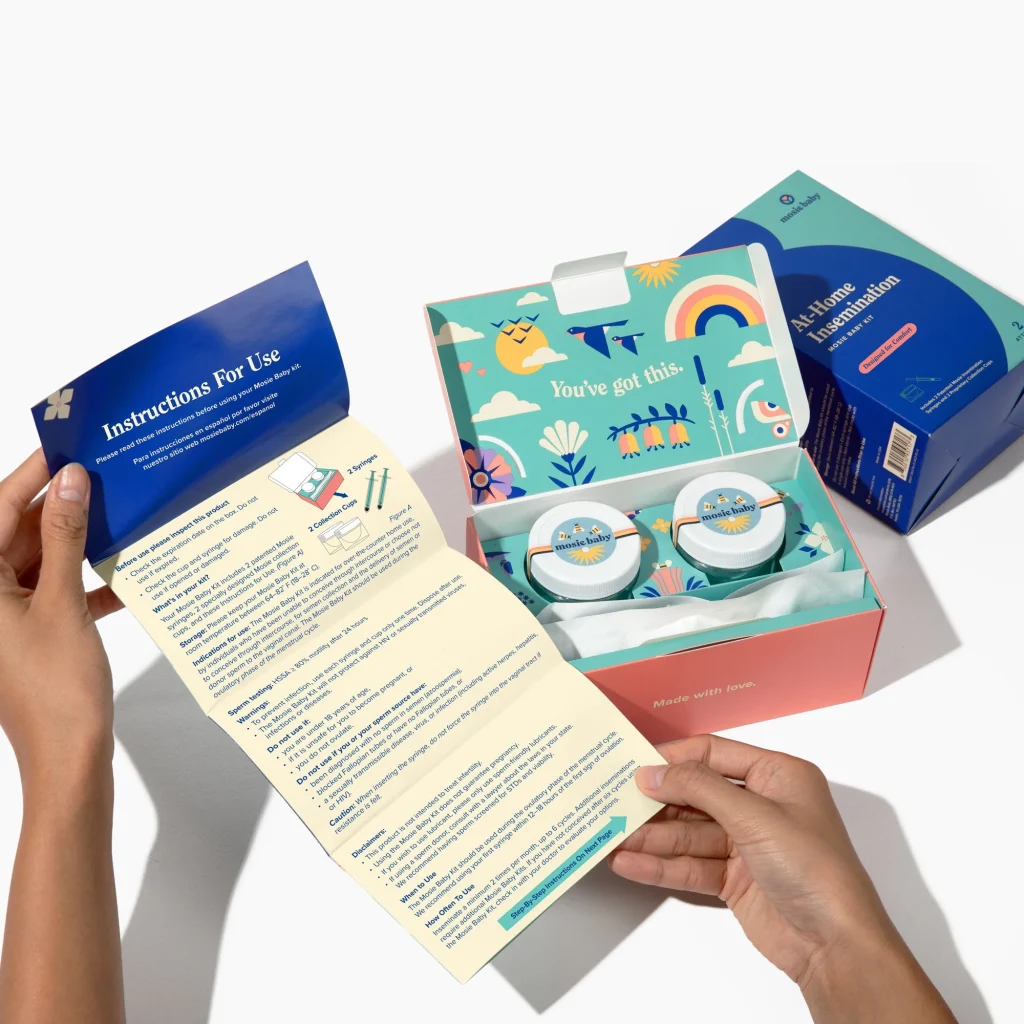
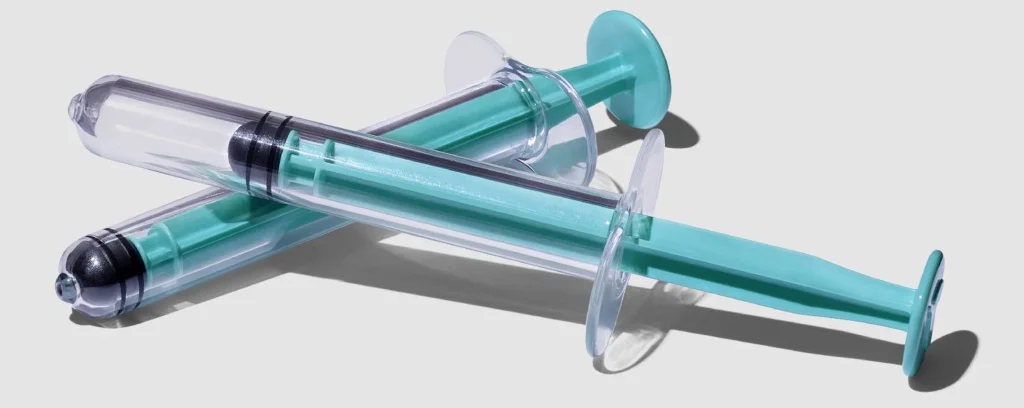
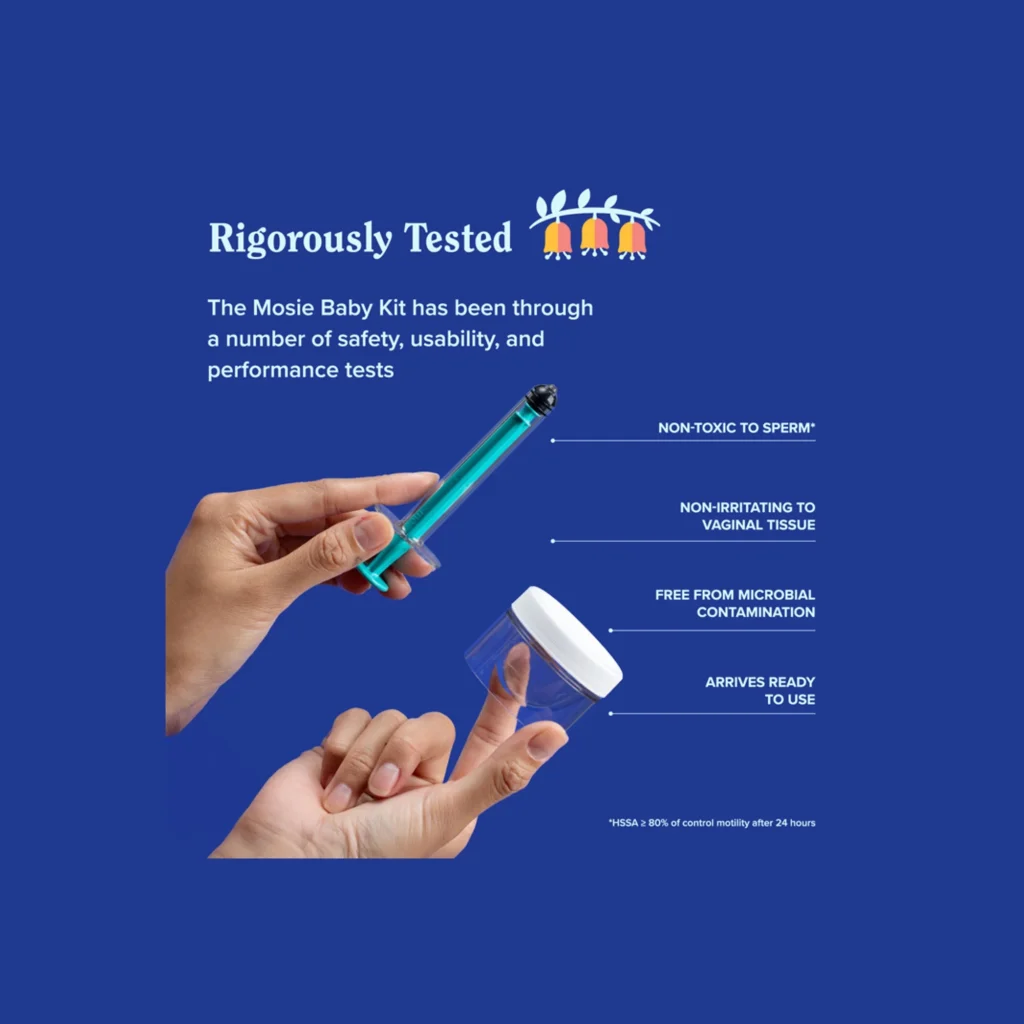
Home insemination is a method of assisted reproduction that allows couples or individuals to inseminate at home, without the assistance of a medical professional. This process involves collecting sperm from a donor or partner, and using a syringe or insemination kit to inject it into the cervix or vagina. Some people also opt for DIY insemination methods, such as using a menstrual cup or turkey baster, to achieve pregnancy.
Pros of Home Insemination:
1. Cost-effective: Home insemination kits and DIY methods are much more affordable compared to medical insemination procedures, which can cost thousands of dollars.
2. Convenience: Home insemination can be done in the comfort and privacy of your own home, without the need for multiple visits to a fertility clinic.
3. Control over the process: With home insemination, you have complete control over the timing and process of insemination, which can be beneficial for individuals with irregular cycles.
Cons of Home Insemination:
1. Risk of infection: Without proper medical supervision, there is a risk of infection during the insemination process.
2. Lower success rates: Home insemination success rates are lower compared to medical insemination, as it may be challenging to determine the exact timing of ovulation.
3. Limited donor options: Home insemination restricts your options to known donors, such as friends or family members, which may not be suitable for everyone.
What is Medical Insemination?
Medical insemination, also known as artificial insemination, is a fertility treatment performed by a medical professional. It involves the injection of sperm directly into the uterus or cervix, bypassing the natural barriers of the reproductive system.
Pros of Medical Insemination:
Home Insemination vs. Medical Insemination: Which is Right for You?
1. Higher success rates: With medical insemination, the sperm is placed directly into the uterus or cervix, increasing the chances of successful fertilization.
2. Extensive donor options: Medical insemination allows you to choose from a wide range of sperm donors, including anonymous donors, giving you more options to find the right fit for your family.
3. Medical supervision: A fertility specialist will monitor and guide you throughout the process, reducing the risk of infection or other complications.
Cons of Medical Insemination:
1. Cost: Medical insemination procedures can be expensive, and insurance coverage may not always be available.
2. Invasiveness: The process of medical insemination involves a medical procedure, which may be uncomfortable for some individuals.
3. Time-consuming: Medical insemination may require multiple visits to the fertility clinic for monitoring and procedures, which can be time-consuming and inconvenient.
Which Option is Right for You?
The decision between home insemination and medical insemination ultimately comes down to personal preference, individual circumstances, and medical advice. Some factors to consider when making this decision include:
1. Fertility issues: If you have any underlying fertility issues, medical insemination may be the recommended option to increase your chances of success.
2. Cost: If cost is a significant factor, home insemination may be a more feasible option for you.
3. Donor preferences: If you have specific preferences for the sperm donor, medical insemination may offer a wider range of options.
4. Medical supervision: If you prefer to have medical support and supervision throughout the process, medical insemination may be the better choice for you.
Summary:
In conclusion, both home insemination and medical insemination have their own set of pros and cons, and the right option for you will depend on your individual circumstances and preferences. Home insemination may be more affordable and convenient, but it comes with a higher risk of infection and lower success rates. On the other hand, medical insemination offers a higher chance of success and a wider range of donor options, but it can be costly and time-consuming. Consulting with a fertility specialist and considering all factors can help you make an informed decision about which method may be the best fit for your fertility journey.