Tag: sperm quality

  • The Syringe Method and Male Fertility: What You Need to Know

    The Syringe Method and Male Fertility: What You Need to Know

    In the world of fertility treatments, there are various methods and techniques used to help individuals and couples conceive. One of these methods, the syringe method, has gained popularity and attention in recent years for its potential to improve male fertility. This method involves using a syringe to deliver sperm directly into the cervix, bypassing any potential issues with sperm motility or morphology. In this blog post, we will explore the syringe method and its potential benefits for male fertility.

    Understanding Male Fertility

    Before diving into the syringe method, it is important to have a basic understanding of male fertility. Male fertility is determined by the quality and quantity of sperm produced by the male reproductive system. The quality of sperm refers to its ability to successfully fertilize an egg, while quantity refers to the number of sperm produced. Issues with either of these factors can lead to male infertility.

    Male infertility can be caused by a variety of factors, including hormonal imbalances, genetic disorders, and lifestyle habits such as smoking or excessive alcohol consumption. In some cases, there may be no clear cause for male infertility, making it a frustrating and challenging issue for couples trying to conceive.

    What is the Syringe Method?

    The syringe method, also known as artificial insemination, is a fertility treatment that involves injecting sperm directly into the cervix using a syringe. This method is typically used in cases where there are issues with sperm motility or morphology, as it bypasses the need for sperm to travel through the female reproductive tract.

    The syringe method can be performed at home or in a medical setting, depending on the preferences and comfort level of the couple. It is a relatively simple and non-invasive procedure, making it a popular choice for couples seeking fertility treatments.

    Two transparent syringes with teal accents positioned diagonally on a light gray background.

    The Syringe Method and Male Fertility: What You Need to Know

    How Does it Improve Male Fertility?

    There are a few ways in which the syringe method can improve male fertility. Firstly, by bypassing potential issues with sperm motility or morphology, the chances of fertilization are increased. This is especially beneficial for couples who have been struggling with fertility issues for a long time and have not had success with other methods.

    Additionally, the syringe method can also improve male fertility by increasing the number of sperm that reach the cervix. In natural conception, only a small percentage of sperm make it through the cervix and into the fallopian tubes where fertilization occurs. With the syringe method, a larger number of sperm are directly deposited into the cervix, increasing the chances of fertilization.

    Is it Effective?

    The effectiveness of the syringe method varies from case to case. For couples with no underlying fertility issues, the success rate is relatively high. However, for couples with more complex fertility issues, the success rate may be lower. It is important to consult with a fertility specialist to determine if the syringe method is the right option for your specific situation.

    Risks and Considerations

    As with any medical procedure, there are potential risks and considerations to keep in mind when considering the syringe method. These include the possibility of infection, discomfort during the procedure, and the need for multiple attempts before success is achieved. It is crucial to consult with a healthcare professional and follow all instructions carefully to minimize these risks.

    In addition, it is important to note that the syringe method does not guarantee pregnancy or a healthy pregnancy. It is just one of many options available for couples struggling with male fertility issues. It is also important to address any underlying causes of male infertility, such as lifestyle habits or medical conditions, to increase the chances of success.

    In conclusion, the syringe method can be a promising option for couples struggling with male fertility issues. It offers a simple and non-invasive solution that can potentially improve sperm quality and increase the chances of fertilization. However, it is important to consult with a healthcare professional and consider all factors before deciding if this method is right for you.


  • Revolutionize Your Conception Journey with an At-Home Conception Aid Kit

    Revolutionize Your Conception Journey with an At-Home Conception Aid Kit

    For many couples, the journey to conception can be a long and emotional one. From tracking ovulation to trying different fertility treatments, it can be a stressful and overwhelming process. However, there is a new tool on the market that aims to make the conception journey easier and more successful – the At-Home Conception Aid Kit.

    The At-Home Conception Aid Kit is a revolutionary product that combines the latest in technology and science to provide couples with a comprehensive and convenient way to increase their chances of conception. In this blog post, we will explore the benefits of using an At-Home Conception Aid Kit and how it can revolutionize your conception journey.

    Understanding the Conception Process

    Before delving into the details of the At-Home Conception Aid Kit, it is important to understand the conception process. Conception occurs when a woman’s egg is fertilized by a man’s sperm, usually through sexual intercourse. However, for some couples, conception does not happen as easily as it does for others. Factors such as age, health, and lifestyle can all affect a couple’s chances of conceiving.

    Tracking Ovulation

    One of the key factors in increasing the chances of conception is tracking ovulation. Ovulation is the process in which a woman’s body releases an egg, which can then be fertilized by sperm. However, ovulation can be unpredictable and can vary from woman to woman, making it challenging for couples to time intercourse for the most fertile days.

    The At-Home Conception Aid Kit takes the guesswork out of ovulation tracking. The kit includes an ovulation predictor that uses saliva to determine the most fertile days of a woman’s cycle. By simply placing a drop of saliva on the device and allowing it to dry, the device can accurately predict ovulation up to five days in advance. This not only helps couples time intercourse more effectively but also reduces the stress and frustration of trying to conceive.

    Home insemination kit by Mosie Baby with instructions and colorful packaging.

    Revolutionize Your Conception Journey with an At-Home Conception Aid Kit

    Boosting Sperm Quality and Quantity

    Another crucial factor in conception is the quality and quantity of sperm. Low sperm count, poor sperm motility, and abnormal sperm shape can all contribute to fertility issues. The At-Home Conception Aid Kit comes with a male fertility supplement that contains essential vitamins and minerals to improve sperm quality and quantity. This supplement is backed by scientific research and has been shown to improve sperm health in just a few months.

    In addition to the supplement, the kit also includes a semen analysis test that allows men to check their sperm count and motility in the comfort of their own home. This not only saves time and money but also provides men with a discreet way to monitor their fertility.

    Creating the Optimal Environment for Conception

    Another unique feature of the At-Home Conception Aid Kit is the fertility-friendly lubricant that comes with it. Unlike traditional lubricants, which can actually hinder sperm movement, this lubricant is specially formulated to mimic the natural cervical mucus and create a welcoming environment for sperm. This can greatly increase the chances of sperm reaching and fertilizing the egg.

    Taking Control of Your Conception Journey

    One of the most significant benefits of the At-Home Conception Aid Kit is that it puts couples in control of their conception journey. Instead of relying on expensive and time-consuming fertility treatments, couples can now take a more proactive approach to conceiving. The kit provides a comprehensive solution to the most common fertility issues, making it an excellent option for couples who are struggling to conceive.

    In addition, the At-Home Conception Aid Kit can also be used as a tool for couples who are planning to start a family in the future. By using the ovulation predictor, men’s fertility supplement, and semen analysis test, couples can monitor their fertility and make any necessary adjustments to improve their chances of conception when they are ready.

    In conclusion, the At-Home Conception Aid Kit is a game-changer for couples on their conception journey. With its ability to track ovulation, boost sperm quality and quantity, and create a fertility-friendly environment, this kit offers a comprehensive and convenient solution for couples struggling to conceive. By taking control of their fertility and using this innovative kit, couples can increase their chances of conception and start their journey to parenthood with confidence.

  • The Science Behind Insemination on Your Own Terms

    Blog Post:

    Insemination, also known as artificial insemination, is a fertility treatment that has been around for many years. Traditionally, it has been performed in a medical setting with the assistance of healthcare professionals. However, with advancements in technology and the increasing desire for people to take control of their own fertility journey, there has been a rise in self-insemination, also known as at-home insemination. This method allows individuals or couples to perform insemination on their own terms, in the comfort of their own home. But what exactly is the science behind insemination on your own terms? How does it work, and is it a safe and effective option? Let’s dive into the science behind insemination on your own terms.

    First, let’s understand what insemination is. Insemination is a process in which sperm is introduced into the female reproductive tract to fertilize an egg. In traditional medical settings, this is done through intrauterine insemination (IUI) or in-vitro fertilization (IVF). However, with self-insemination, the sperm is introduced into the cervix or vagina using a syringe or other tools.

    One of the key factors in successful self-insemination is timing. Insemination should be performed during the ovulation period, which is when the egg is released from the ovary and is most likely to be fertilized. Ovulation typically occurs around day 14 of a 28-day menstrual cycle, but this can vary from person to person. There are various ways to track ovulation, such as using ovulation predictor kits, tracking basal body temperature, or monitoring changes in cervical mucus.

    Another crucial factor in self-insemination is the quality of the sperm. Sperm quality can be affected by various factors, such as age, lifestyle, and underlying health conditions. It is essential to use fresh sperm for self-insemination, as frozen sperm may have a lower success rate. This is because frozen sperm may lose some of their mobility and viability during the freezing and thawing process. It is recommended to use sperm from a known donor, such as a partner or friend, to ensure the highest quality and safety.

    Now, let’s explore the different methods of self-insemination. The most common method is using a syringe to insert the sperm into the cervix or vagina. The syringe should be sterile and free of any air bubbles, and the sperm should be placed in the syringe immediately before use. Another method is using a menstrual cup, which is inserted into the vagina and holds the sperm near the cervix. This method can be more comfortable for some individuals and allows for the sperm to stay in the vaginal canal for a longer period. Some people also choose to use a softcup, which is a flexible cup inserted into the vagina after intercourse, to hold the sperm closer to the cervix.

    hand holding a syringe with a blue plunger against a solid blue background

    The Science Behind Insemination on Your Own Terms

    One of the advantages of self-insemination is the ability to use natural methods to increase the chances of conception. For example, some people may choose to use a fertility-friendly lubricant or elevate their hips after insemination to help the sperm reach the cervix more easily. There are also supplements and herbs that can be taken to improve sperm quality and increase chances of conception.

    But is self-insemination a safe and effective option? While there are no guarantees, self-insemination can be a successful method for individuals or couples who are struggling with fertility. However, it is crucial to understand the potential risks and limitations of this method. One risk is the possibility of introducing bacteria into the reproductive tract, which can lead to infections. To minimize this risk, it is crucial to use sterile equipment and to follow proper hygiene practices. It is also essential to have regular check-ups with a healthcare provider to monitor the pregnancy and ensure everything is progressing as it should.

    In terms of effectiveness, self-insemination can have a success rate of around 10-15% per cycle, which is similar to the success rate of IUI. However, this success rate can vary depending on various factors, such as age, sperm quality, and timing. It is essential to have realistic expectations and understand that it may take multiple cycles to achieve pregnancy.

    In conclusion, self-insemination is a viable option for individuals or couples who want to take control of their fertility journey. However, it is crucial to understand the science behind it and the potential risks and limitations. Proper timing, quality of sperm, and using natural methods to increase the chances of conception are all crucial factors in successful self-insemination. It is also essential to have regular check-ups with a healthcare provider and to follow proper hygiene practices to ensure a safe and healthy pregnancy.

    Summary:

    Insemination on your own terms, also known as self-insemination, is a fertility treatment that allows individuals or couples to perform insemination at home. The process involves introducing sperm into the cervix or vagina during the ovulation period. Timing and sperm quality are crucial factors in successful self-insemination. Methods such as using a syringe or menstrual cup can be used to insert the sperm. Natural methods, such as using fertility-friendly lubricants and supplements, can also increase the chances of conception. However, there are potential risks, such as the introduction of bacteria, and the effectiveness can vary depending on various factors. It is essential to have realistic expectations and regular check-ups with a healthcare provider.

  • Boosting Your Chances of Conception with the Catalyst Syringe Set

    Boosting Your Chances of Conception with the Catalyst Syringe Set

    Conceiving a child is a deeply personal and emotional experience for many couples. However, for some, it can also be a challenging and frustrating process. Infertility affects about 12% of women of childbearing age in the United States, and it can be caused by a variety of factors, including age, health conditions, and lifestyle choices. Fortunately, there are many options available to help boost your chances of conception, including the Catalyst Syringe Set.

    The Catalyst Syringe Set is a revolutionary tool designed to aid in the process of conception. It consists of a specially designed syringe and a unique formula that can improve the viability and motility of sperm, making it easier for couples to achieve pregnancy. In this blog post, we will explore the benefits of using the Catalyst Syringe Set and how it can increase your chances of conceiving.

    Understanding the Catalyst Syringe Set

    The Catalyst Syringe Set was created by a team of fertility experts and scientists to help couples struggling with infertility. It is a simple yet effective tool that can be used in the comfort of your own home, eliminating the need for expensive and invasive medical procedures. The set consists of a high-quality syringe that is designed with a tapered tip to facilitate easy and precise insertion into the cervix, and a unique formula that is inserted into the syringe to improve sperm quality.

    The Benefits of Using the Catalyst Syringe Set

    1. Increases Sperm Viability and Motility

    One of the biggest challenges in conception is the viability and motility of sperm. The Catalyst Syringe Set’s unique formula contains ingredients that have been scientifically proven to improve the quality of sperm, making them more viable and motile. This means that the sperm will have a better chance of reaching and fertilizing the egg, increasing the chances of pregnancy.

    2. Easy to Use

    Unlike other fertility treatments, the Catalyst Syringe Set is easy to use and can be done in the comfort and privacy of your own home. The syringe is designed to be user-friendly and can be easily inserted into the cervix without any discomfort. The unique formula also comes in a pre-filled applicator, making it convenient and mess-free.

    3. Affordable and Non-Invasive

    Many fertility treatments can be expensive and invasive, making them out of reach for many couples. The Catalyst Syringe Set, on the other hand, is affordable and non-invasive, making it accessible to a wider range of people. It also eliminates the need for multiple doctor visits and procedures, making it a stress-free option for couples trying to conceive.

    4. Can Be Used at Any Time

    hand holding a syringe with a blue plunger against a solid blue background

    Boosting Your Chances of Conception with the Catalyst Syringe Set

    Timing is crucial when it comes to conception, and the Catalyst Syringe Set allows couples to have control over when they want to try to conceive. Unlike other fertility treatments that require certain days or times to be effective, the Catalyst Syringe Set can be used at any time during the woman’s menstrual cycle.

    5. Can Be Used in Conjunction with Other Fertility Treatments

    The Catalyst Syringe Set is a complementary tool that can be used in conjunction with other fertility treatments. It can enhance the effectiveness of other methods, such as intrauterine insemination (IUI) or in vitro fertilization (IVF), by improving the quality of sperm.

    Tips for Using the Catalyst Syringe Set

    1. Read the Instructions Carefully

    Before using the Catalyst Syringe Set, it is essential to read the instructions carefully to ensure that you are using it correctly. It is also important to understand the timing and frequency of use to maximize its effectiveness.

    2. Use it During Ovulation

    To increase the chances of conception, it is best to use the Catalyst Syringe Set during ovulation. This is when the egg is released from the ovary and is ready to be fertilized.

    3. Use it Regularly

    Consistency is key when using the Catalyst Syringe Set. It is recommended to use it before and during ovulation for the best results. Using it regularly can also help improve sperm quality over time.

    4. Maintain a Healthy Lifestyle

    While the Catalyst Syringe Set can improve sperm quality, it is also essential to maintain a healthy lifestyle for optimal fertility. This includes eating a balanced diet, exercising regularly, and avoiding unhealthy habits like smoking and excessive alcohol consumption.

    Summary:

    The Catalyst Syringe Set is a revolutionary tool designed to increase the chances of conception for couples struggling with infertility. It consists of a specially designed syringe and a unique formula that can improve sperm quality, making it easier for the sperm to reach and fertilize the egg. The Catalyst Syringe Set is easy to use, affordable, and non-invasive, and can be used in conjunction with other fertility treatments. To maximize its effectiveness, it is essential to read the instructions carefully, use it during ovulation, and maintain a healthy lifestyle.

  • The Science Behind Home Insemination: Understanding Your Starter Kit

    Blog Post:

    In recent years, there has been a rise in popularity of home insemination as an alternative method of conception for couples struggling with fertility issues. This method involves using a starter kit to collect and inseminate sperm in the comfort of your own home. But what exactly is home insemination and how does it work? In this blog post, we will explore the science behind home insemination and help you understand your starter kit.

    What is Home Insemination?

    Home insemination is the process of collecting and depositing sperm into the vagina or cervix for the purpose of fertilization. It is typically used by couples who are trying to conceive but are facing difficulties due to male infertility, same-sex couples, or single women. This method allows for a more intimate and private approach to conception as it can be done in the comfort of your own home.

    Understanding Your Starter Kit:

    A starter kit for home insemination typically includes everything you need to successfully collect and deposit sperm. It usually contains a sterile collection cup, a syringe or applicator, and various instructions and materials. Let’s take a closer look at each component and understand their role in the process.

    1. Sterile Collection Cup:

    The first step in home insemination is collecting the sperm. This is where the sterile collection cup comes in. It is important to use a sterile cup to avoid any contamination that could affect the quality of the sperm. The cup should be placed in a warm and dark place, such as under your arm or between your legs, to maintain the temperature of the sperm.

    2. Syringe or Applicator:

    Once the sperm is collected, it needs to be deposited into the vagina or cervix. This is where the syringe or applicator comes in. The syringe is used to transfer the sperm from the collection cup into the vagina, while the applicator is inserted into the cervix for direct deposit of the sperm. Both options are effective, and it is a matter of personal preference which one to use.

    Home insemination kit by Mosie Baby with instructions and colorful packaging.

    The Science Behind Home Insemination: Understanding Your Starter Kit

    3. Instructions and Materials:

    Most starter kits also come with detailed instructions on how to use the kit, as well as other materials such as ovulation predictor kits, pregnancy tests, and fertility supplements. These materials can help you track your ovulation and increase your chances of conception.

    The Science Behind Home Insemination:

    Now that we understand the components of a starter kit, let’s dive into the science behind home insemination. The main goal of home insemination is to get the sperm as close to the cervix as possible, where it can easily reach and fertilize the egg. This is why timing is crucial in home insemination. It is recommended to perform the insemination during ovulation, which is when the egg is released from the ovary and travels through the fallopian tubes.

    One of the major benefits of home insemination is that it eliminates the natural barriers that sperm face during intercourse, such as acidic vaginal pH, vaginal secretions, and cervical mucus. By depositing the sperm directly into the vagina or cervix, it has a higher chance of reaching the egg and fertilizing it.

    Another important aspect of home insemination is sperm quality. It is crucial to use high-quality sperm for successful conception. This includes not only the number of sperm, but also their motility (ability to move) and morphology (shape and size). This is why it is important to follow the instructions of the starter kit carefully and to use fresh sperm for the best results.

    Safety and Precautions:

    While home insemination may seem like a simple and safe process, it is important to take certain precautions to ensure the safety of both the person inseminating and the person being inseminated. It is recommended to use sperm from a known donor who has been tested for sexually transmitted infections and to follow proper hygiene practices during the process. It is also important to note that home insemination does not provide any protection against sexually transmitted infections, so it is important to get tested regularly and practice safe sex.

    In conclusion, home insemination is a scientifically-backed method of conception that offers a more private and intimate approach for couples facing fertility issues. Understanding the components of your starter kit and the science behind the process can increase your chances of successful conception. However, it is important to consult with a healthcare professional before starting home insemination to ensure it is the right method for you.

    Summary:

    Home insemination is a method of conception that involves using a starter kit to collect and deposit sperm in the comfort of your own home. The starter kit typically includes a sterile collection cup, a syringe or applicator, and various instructions and materials. The science behind home insemination involves timing the insemination during ovulation, eliminating barriers that sperm face during intercourse, and using high-quality sperm. It is important to take precautions and consult with a healthcare professional before starting home insemination.

  • Maximizing Your Chances of Conceiving: The Home Insemination Starter Kit

    Maximizing Your Chances of Conceiving: The Home Insemination Starter Kit

    Conceiving a child is a precious and life-changing experience for any couple. However, for some couples, it may not come as easily as they expected. This can be a frustrating and emotional journey, but with the right tools and techniques, you can increase your chances of conceiving. One method that has gained popularity among couples trying to conceive is home insemination. In this blog post, we will discuss the home insemination starter kit and how it can help maximize your chances of conceiving.

    What is Home Insemination?

    Home insemination is a method of artificial insemination that can be done in the comfort of your own home. It involves placing sperm into the female reproductive system in hopes of fertilization and pregnancy. This can be done using a variety of techniques such as a syringe, cervical cap, or a home insemination kit.

    Why Choose Home Insemination?

    There are several reasons why couples may choose home insemination as their method of conception. For some, it may be due to fertility issues or a medical condition that prevents them from conceiving naturally. Others may choose home insemination for personal or religious reasons. No matter the reason, home insemination can offer a more intimate and private experience for couples trying to conceive.

    Maximizing Your Chances of Conceiving

    For couples using home insemination as their method of conception, there are a few key factors to keep in mind to maximize their chances of conceiving. These include timing, sperm quality, and technique. Let’s explore each of these factors in more detail.

    Timing: Timing is crucial when it comes to home insemination. It is important to track your ovulation cycle and have intercourse or insemination during your fertile window. This will increase the chances of sperm reaching the egg and fertilizing it. There are various methods for tracking ovulation, such as using ovulation predictor kits or monitoring your basal body temperature.

    Sperm Quality: The quality of sperm used in home insemination is also a crucial factor in conception. It is essential to ensure that the sperm is healthy, motile, and has a high enough sperm count. This can be done by obtaining sperm from a sperm donor or using a sperm bank. It is recommended to have the sperm tested and frozen to ensure its quality and viability.

    Technique: The technique used for home insemination is also vital in maximizing your chances of conceiving. It is essential to follow the instructions provided by the home insemination kit carefully. This may include using a syringe or cervical cap to place the sperm near the cervix or using a specially designed syringe to inject the sperm into the uterus. Proper technique will help ensure that the sperm reaches the egg for fertilization.

    Introducing the Home Insemination Starter Kit

    For couples who are new to home insemination, the process may seem daunting and overwhelming. This is where the home insemination starter kit comes in. This kit contains all the essential tools and instructions needed for a successful home insemination. Here are some of the key components of a home insemination starter kit:

    1. Syringe: A syringe is one of the most common tools used for home insemination. It is a small plastic tube with a plunger at one end and a nozzle at the other. The syringe is used to collect and insert the sperm into the female reproductive system.

    hands using a blue syringe to extract contents from a clear container for a home insemination kit

    Maximizing Your Chances of Conceiving: The Home Insemination Starter Kit

    2. Cervical Cap: A cervical cap is a small silicone cup that is placed over the cervix to hold the sperm in place. This can be a useful tool for couples who have a hard time keeping the sperm near the cervix during home insemination.

    3. Sperm Collection Cup: This cup is used to collect the sperm from the donor or sperm bank. It is essential to use a clean and sterile cup to ensure the quality of the sperm.

    4. Instructions: A home insemination starter kit usually comes with detailed instructions on how to use the kit properly. It is crucial to follow these instructions carefully to maximize your chances of conceiving.

    5. Lubricant: Using a sperm-friendly lubricant can also help increase the chances of sperm reaching the egg. It is important to avoid lubricants that may harm sperm, such as those with spermicidal properties.

    6. Pregnancy Tests: Some home insemination starter kits also include pregnancy tests to help you track your progress and confirm if conception has occurred.

    Tips for Using the Home Insemination Starter Kit

    While the home insemination starter kit comes with everything you need, there are a few additional tips to keep in mind to increase your chances of conceiving:

    1. Keep the sperm at room temperature: Before using the sperm, it is important to let it reach room temperature. This helps maintain the viability of the sperm.

    2. Use a comfortable position: Finding a comfortable position for home insemination can help reduce discomfort and increase the chances of sperm reaching the cervix.

    3. Stay relaxed: Stress and tension can hinder the success of home insemination. It is important to stay relaxed and calm during the process.

    4. Consider seeking professional help: If you have been trying to conceive for a while without success, it may be beneficial to seek help from a fertility specialist. They can provide guidance and assistance on home insemination and other fertility treatments.

    Conclusion

    Home insemination can be an effective and intimate method of conception for couples trying to conceive. By carefully tracking ovulation, using high-quality sperm, and following proper technique and using the home insemination starter kit, couples can maximize their chances of conceiving. Remember to stay relaxed and seek professional help if needed, and with patience and perseverance, you may just achieve your dream of starting a family.

    In summary, home insemination is a method of artificial insemination that can be done in the comfort of your own home. It offers a more intimate and private experience for couples trying to conceive and can be a great option for those with fertility issues or personal reasons. To maximize your chances of conceiving, it is essential to track ovulation, use high-quality sperm, and follow proper technique. The home insemination starter kit is a helpful tool that contains all the necessary components for a successful home insemination. By keeping these tips in mind and staying relaxed, you can increase your chances of conceiving and starting your journey to parenthood.

  • The Impact of Insemination Sets on Fertility: What the Research Says

    Blog Post:

    In today’s world, many couples struggle with fertility issues. For some, the solution may come in the form of insemination sets. These sets, also known as artificial insemination kits, are a popular method of assisted reproduction that can help couples conceive. However, there is often confusion and misinformation surrounding these sets and their impact on fertility. In this blog post, we will take a closer look at the research surrounding insemination sets and their impact on fertility.

    What are Insemination Sets?

    Insemination sets are kits that contain all the necessary tools and materials for artificial insemination. This process involves placing sperm directly into a woman’s reproductive tract to increase the chances of fertilization. Insemination sets typically include a syringe, a speculum, a catheter, and a collection cup for the sperm. These kits are widely available and can be used at home or in a medical setting.

    The Impact of Insemination Sets on Fertility

    The use of insemination sets has been a topic of debate and controversy in the medical community. Some experts argue that these sets can increase the chances of pregnancy, while others suggest that they may not be as effective as other fertility treatments. To better understand the impact of insemination sets on fertility, let’s take a look at some of the recent research on the topic.

    1. Success Rates

    One of the biggest concerns with insemination sets is their success rates. According to recent studies, the success rates of insemination sets vary greatly. Some studies have shown success rates as high as 25%, while others have reported rates as low as 5%. These discrepancies may be due to various factors such as the age and health of the couple, the quality of the sperm, and the timing of the insemination.

    2. Timing of Insemination

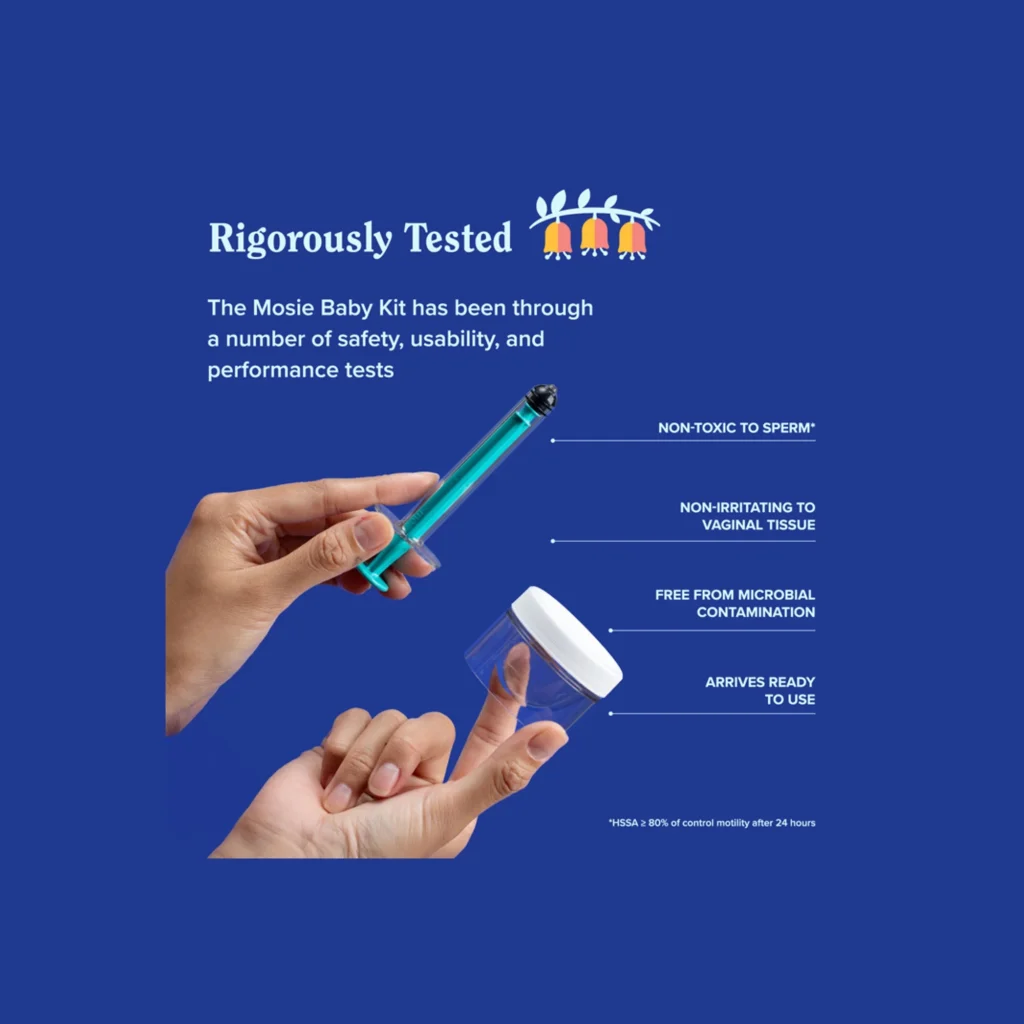
    Mosie Baby Kit features a syringe and container, highlighting safety and usability tests on a blue background.

    The Impact of Insemination Sets on Fertility: What the Research Says

    Timing plays a crucial role in the effectiveness of insemination sets. Research suggests that the success rates of insemination sets are higher when performed within 24 hours of ovulation. This is because the egg has a limited lifespan, and if insemination is not done at the right time, the sperm may not have a chance to fertilize the egg. It is important to track ovulation carefully and perform insemination at the optimal time for the best chances of success.

    3. Sperm Quality

    Another important factor that can impact the success of insemination sets is the quality of the sperm. Studies have shown that the use of fresh, washed sperm can significantly increase the chances of pregnancy compared to using frozen or unwashed sperm. This is because fresh sperm is more mobile and has a higher concentration, making it easier for them to reach and fertilize the egg.

    4. Medical vs. Home Insemination

    One of the biggest debates surrounding insemination sets is whether they should be used in a medical setting or at home. Some couples prefer the convenience and privacy of using the kits at home, while others believe that medical insemination is more effective. Research suggests that the success rates of home insemination are comparable to those of medical insemination. However, medical insemination may offer additional benefits such as the use of more advanced techniques and the expertise of medical professionals.

    5. Risks and Side Effects

    Like any medical procedure, there are risks and potential side effects associated with the use of insemination sets. These can include infection, discomfort, and even allergic reactions. It is essential to carefully follow the instructions provided with the kit and consult with a medical professional if you experience any adverse effects.

    In summary, the impact of insemination sets on fertility is a complex and individualized matter. While the success rates may vary, research suggests that when used correctly, these sets can be an effective option for couples struggling with fertility issues. However, it is crucial to carefully consider factors such as timing, sperm quality, and the potential risks before deciding to use insemination sets.

    In conclusion, the use of insemination sets can be a helpful tool for couples trying to conceive. However, it is important to do thorough research and consult with a medical professional before using these kits. Factors such as timing, sperm quality, and the potential risks should be carefully considered. With the right approach and proper use, insemination sets can be a valuable option for couples on their fertility journey.

    SEO Metadata:

  • The Science Behind Fertility Boosting Insemination Sets

    Blog Post Title: The Science Behind Fertility Boosting Insemination Sets: Understanding How They Work

    Fertility is a complex process that involves various factors, and for some couples, conceiving a child can be a challenging journey. Insemination sets, also known as at-home insemination kits, have become popular among couples trying to conceive. These kits provide a more affordable and convenient option for artificial insemination compared to traditional medical procedures. But how exactly do these insemination sets work and what is the science behind their effectiveness? In this blog post, we will delve into the science behind fertility boosting insemination sets and how they can increase the chances of conceiving.

    Understanding Fertility and Insemination

    Before we dive into the science behind insemination sets, it’s essential to understand how fertility and insemination work. Fertility is the ability to conceive and carry a child to full term. Insemination, on the other hand, refers to the process of introducing sperm into the female reproductive system. In traditional medical procedures, insemination is typically done in a clinical setting, where a doctor will insert sperm directly into the uterus or cervix. However, with the advancement of technology, at-home insemination kits have become available, making the process more accessible and affordable for couples.

    The Role of Sperm in Fertility

    Sperm plays a crucial role in the process of conception. During sexual intercourse, millions of sperm are ejaculated into the female reproductive system. These sperm then swim through the cervix and into the fallopian tubes, where they meet the egg. Only one sperm can fertilize the egg, and this fertilized egg then implants itself in the uterus, resulting in pregnancy.

    Factors Affecting Fertility

    Several factors can affect fertility, including age, health conditions, and lifestyle choices. As a woman ages, her fertility declines due to a decrease in the number and quality of eggs. Health conditions such as endometriosis, polycystic ovary syndrome (PCOS), and sexually transmitted infections (STIs) can also affect fertility. Lifestyle choices such as smoking, excessive alcohol consumption, and poor nutrition can also decrease fertility.

    How Insemination Sets Work

    Insemination sets work by providing a method for introducing sperm into the female reproductive system, bypassing the need for sexual intercourse. These kits typically come with a syringe or a soft cup, along with a vial of sperm. The sperm can either be fresh or frozen and is often provided by a sperm bank. The couple can then use the syringe or soft cup to deposit the sperm near the cervix, increasing the chances of fertilization.

    The Science Behind Fertility Boosting Insemination Sets

    Now that we understand the basics of fertility and insemination let’s delve into the science behind how insemination sets can boost fertility. There are two main ways in which insemination sets can increase the chances of conceiving.

    1. Timing is Everything

    Mosie Baby Kit features a syringe and container, highlighting safety and usability tests on a blue background.

    The Science Behind Fertility Boosting Insemination Sets

    For conception to occur, sperm must be present in the female reproductive system when the egg is released from the ovary. This is known as the fertile window, which is typically five days before ovulation and on the day of ovulation itself. Insemination sets can help couples time intercourse more accurately by depositing sperm directly near the cervix, increasing the chances of fertilization during the fertile window.

    2. Increasing Sperm Count

    For conception to occur, an adequate number of sperm must reach the egg. Insemination kits can help increase sperm count by providing a concentrated dose of sperm near the cervix. This is especially beneficial for men with a low sperm count, as the concentrated dose increases the chances of one sperm reaching and fertilizing the egg.

    Additional Factors to Consider

    While insemination sets can be an effective method for increasing fertility, there are a few additional factors to consider.

    1. Sperm Quality

    The success of insemination sets also depends on the quality of the sperm being used. Sperm quality can be affected by various factors, such as age, health, and lifestyle choices. It’s essential to ensure that the sperm being used is of good quality to increase the chances of conception.

    2. Medical Conditions

    Insemination sets may not be suitable for couples with certain medical conditions that can affect fertility. It’s crucial to consult with a doctor before using these kits, especially if you or your partner have any underlying health conditions.

    3. Success Rates

    The success rates of insemination sets vary and can depend on various factors, such as age and sperm quality. While it can be a more affordable option compared to traditional medical procedures, it’s essential to manage expectations and be prepared for multiple attempts.

    In conclusion, fertility boosting insemination sets can be an effective option for couples trying to conceive. By understanding the science behind how they work, couples can make informed decisions and increase their chances of conceiving. However, it’s essential to consult with a doctor and consider all factors before using these kits. With the right timing, sperm quality, and expectations, insemination sets can be a valuable tool in the journey towards parenthood.

    Summary:

    Fertility is a complex process, and for some couples, conceiving a child can be a challenging journey. Insemination sets, also known as at-home insemination kits, have become a popular option for artificial insemination. These kits provide a more affordable and convenient option compared to traditional medical procedures. The science behind how these kits work lies in their ability to time intercourse accurately and increase sperm count, ultimately boosting fertility. However, it’s crucial to consider factors such as sperm quality, medical conditions, and success rates before using insemination sets.

  • and Dealing with Male Infertility? Non-Invasive Insemination Offers a Solution

    Blog Post:

    Male infertility is a common issue that affects approximately 8-12% of couples trying to conceive. While there are many different factors that can contribute to male infertility, one of the most common is a low sperm count or poor sperm quality. For many couples, this can be a devastating diagnosis, as it can greatly reduce their chances of conceiving naturally. However, thanks to advancements in reproductive technology, there are now solutions available for male infertility, including non-invasive insemination.

    What is Male Infertility?

    Male infertility is defined as the inability to impregnate a female partner after one year of unprotected sexual intercourse. This can be caused by a variety of factors, including low sperm count, poor sperm motility (movement), or abnormal sperm morphology (shape). Other potential causes of male infertility include hormonal imbalances, genetic disorders, and physical blockages in the reproductive tract.

    Dealing with Male Infertility

    Being diagnosed with male infertility can be a difficult and emotional experience for both partners. Many men may feel a sense of shame or inadequacy, while women may struggle with feelings of guilt or disappointment. However, it’s important to remember that male infertility is a medical condition and there are solutions available to help couples conceive.

    The first step in dealing with male infertility is to seek out a professional evaluation from a fertility specialist. The specialist will conduct a thorough physical examination and take a detailed medical history to determine the cause of the infertility. They may also order additional tests, such as a semen analysis, to assess sperm count, motility, and morphology.

    Non-Invasive Insemination

    For couples struggling with male infertility, non-invasive insemination offers a less invasive and more affordable option compared to other fertility treatments such as in vitro fertilization (IVF). Non-invasive insemination involves placing washed and concentrated sperm into the female partner’s uterus near the time of ovulation. This can be done through intrauterine insemination (IUI) or intracervical insemination (ICI) methods.

    Mosie Baby pregnancy test kit with two tests and packaging, featuring a mint green color scheme.

    and Dealing with Male Infertility? Non-Invasive Insemination Offers a Solution

    IUI is the most common form of non-invasive insemination and involves inserting a thin catheter through the cervix and into the uterus to deposit the sperm. This method is often recommended for couples with male infertility due to low sperm count or poor sperm motility. On the other hand, ICI involves placing the sperm near the cervix, allowing it to swim into the uterus on its own. This method is typically used for couples with unexplained infertility or mild male infertility.

    Benefits of Non-Invasive Insemination

    Non-invasive insemination offers several benefits for couples struggling with male infertility. Firstly, it is a less invasive and less expensive treatment option compared to other fertility treatments. IUI and ICI can be done in a doctor’s office without the need for anesthesia or surgery, making it a more comfortable experience for both partners.

    Additionally, non-invasive insemination can be combined with fertility drugs to increase the chances of success. These drugs can help stimulate ovulation and thicken the lining of the uterus, providing a more favorable environment for the sperm to fertilize the egg.

    Success Rates of Non-Invasive Insemination

    The success rates of non-invasive insemination vary depending on the cause of male infertility and other factors such as age and overall health. On average, IUI has a success rate of 10-20% per cycle, while ICI has a success rate of 5-10% per cycle. However, the success rates can increase significantly when combined with fertility drugs and multiple cycles of insemination.

    In cases where non-invasive insemination is not successful, couples can explore other options such as IVF or donor sperm. However, non-invasive insemination can be a great starting point for couples with male infertility, as it is less invasive and less expensive.

    In conclusion, male infertility can be a challenging and emotional experience for couples trying to conceive. However, non-invasive insemination offers a solution that is less invasive, more affordable, and can greatly increase the chances of pregnancy. If you are struggling with male infertility, don’t lose hope. Seek professional help and explore the option of non-invasive insemination.

    Summary:

    Male infertility affects 8-12% of couples trying to conceive and is often caused by low sperm count, poor sperm quality, or physical blockages. Dealing with this diagnosis can be emotional, but non-invasive insemination offers a solution that is less invasive, more affordable, and can greatly increase the chances of pregnancy. This method involves placing washed and concentrated sperm into the female partner’s uterus through IUI or ICI. Non-invasive insemination can be combined with fertility drugs and has a success rate of 10-20% per cycle. If this method is not successful, couples can explore other options such as IVF or donor sperm.

  • Non-Invasive Insemination: A Cost-Effective Fertility Solution

    Summary:

    Non-invasive insemination, also known as artificial insemination, is a fertility treatment that involves placing sperm directly into the uterus or cervix to increase the chances of conception. This procedure is often used as a first-line treatment for couples struggling with infertility or same-sex couples who want to have a biological child. Non-invasive insemination is a cost-effective and less invasive alternative to other fertility treatments, such as in-vitro fertilization (IVF). In this blog post, we will explore the process of non-invasive insemination, its benefits and risks, and why it is a popular choice for couples seeking fertility solutions.

    The Process of Non-Invasive Insemination:

    Non-invasive insemination is a simple and painless procedure that can be done in a fertility clinic or at home with the help of a fertility specialist. The process involves collecting semen from a male partner or a sperm donor and preparing it for insemination. The semen is washed and concentrated to increase the number of viable sperm. Then, a thin tube called a catheter is inserted into the vagina and guided through the cervix into the uterus. The prepared sperm is then injected into the uterus through the catheter, increasing the chances of fertilization.

    Benefits of Non-Invasive Insemination:

    comparison of Mosie syringe opening versus standard syringe opening with text highlighting benefits

    Non-Invasive Insemination: A Cost-Effective Fertility Solution

    One of the most significant advantages of non-invasive insemination is its cost-effectiveness. Compared to other fertility treatments, such as IVF, which can cost thousands of dollars, non-invasive insemination is a much more affordable option. It is also a less invasive procedure, meaning it has fewer risks and complications. The procedure can be done in a fertility clinic or at home, making it a convenient option for couples who want to try it in the comfort of their own home. Additionally, non-invasive insemination can be performed using a male partner’s sperm, allowing for a more natural conception process.

    Risks of Non-Invasive Insemination:

    While non-invasive insemination is generally a safe procedure, there are some potential risks to consider. The most common risk is infection, which can occur if proper hygiene and sterilization protocols are not followed during the procedure. There is also a small risk of damage to the cervix or uterus during the insertion of the catheter, but this is rare. It is essential to discuss any potential risks with a fertility specialist before undergoing the procedure.

    Who Can Benefit from Non-Invasive Insemination?

    Non-invasive insemination is a suitable option for couples who are struggling with male factor infertility, meaning the male partner has a low sperm count or poor sperm quality. It is also a popular choice for same-sex couples who want to have a biological child. Women who have trouble conceiving due to ovulation issues, cervical problems, or unexplained infertility may also benefit from this procedure. It is essential to consult with a fertility specialist to determine if non-invasive insemination is the right option for you.

    In conclusion, non-invasive insemination is a cost-effective and less invasive fertility treatment that can help couples achieve their dream of having a child. It is a simple and safe procedure with a high success rate, making it a popular choice for couples seeking fertility solutions. While there are potential risks to consider, they are rare, and the benefits of non-invasive insemination make it a viable option for many couples struggling with infertility. If you are considering this procedure, it is crucial to consult with a fertility specialist to determine if it is the right option for you.