Tag: artificial insemination

  • From DIY to Professional: Choosing the Right Insemination Syringe System for You

    Summary:

    When it comes to artificial insemination, choosing the right syringe system is crucial for success. This process can be done at home with a DIY approach or with the help of a professional. In this blog post, we will discuss the different types of insemination syringe systems available, their pros and cons, and which one may be the best fit for you.

    First, we will delve into the DIY approach. This method involves using a disposable plastic syringe, which can be easily purchased at a pharmacy or online. These syringes are affordable and readily available, making them a popular choice for at-home insemination. However, they may not be the most effective option as they are not specifically designed for this purpose. The lack of precision and control in the measurements can lead to inaccurate insemination, reducing the chances of success.

    On the other hand, professional insemination syringe systems are specifically designed for this purpose and offer more precision and control. These systems usually consist of a syringe, a catheter, and a speculum. The syringe is designed to accurately measure and deliver the sperm into the cervix, while the catheter helps guide the sperm to the desired location. The speculum allows for better visualization and access to the cervix, making the process easier.

    There are two types of professional insemination syringe systems: intrauterine insemination (IUI) and intracervical insemination (ICI). IUI involves placing the sperm directly into the uterus, while ICI involves placing the sperm into the cervix. Both methods have their own advantages and disadvantages.
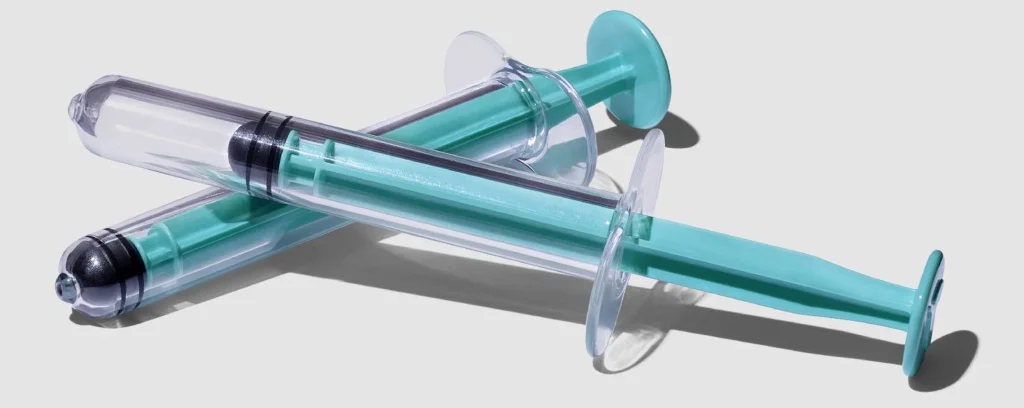
    Two transparent syringes with teal accents positioned diagonally on a light gray background.

    From DIY to Professional: Choosing the Right Insemination Syringe System for You

    IUI is more commonly used by fertility clinics and has a higher success rate compared to ICI. This is because the sperm is placed closer to the egg, increasing the chances of fertilization. However, IUI requires a trained medical professional to perform the procedure, making it a more expensive option.

    On the other hand, ICI can be done at home with the help of a partner or a donor. It is a more affordable option and does not require any special training. However, the success rate of ICI is lower compared to IUI, as the sperm has to travel a longer distance to reach the egg.

    In addition to these factors, there are also different types of catheters and syringes within each professional system. The most common types of catheters are the soft catheter and the rigid catheter. Soft catheters are more flexible and are usually used for IUI, while rigid catheters are stiffer and are typically used for ICI. The type of catheter used depends on personal preference and what works best for the individual’s body.

    When it comes to syringes, there are different sizes and designs available. Some syringes have a curved tip, making it easier to reach the cervix, while others have a plunger that can be easily pulled back for accurate measurement. It is important to choose a syringe that feels comfortable and easy to use for the individual.

    In conclusion, choosing the right insemination syringe system depends on personal preference, budget, and the individual’s body. DIY syringes may be a more affordable option, but they may not offer the precision and control needed for successful insemination. Professional systems, on the other hand, offer more accurate measurements and guidance, but they may come at a higher cost. It is important to research and consider all factors before making a decision.

    SEO Metadata:

  • Insemination Syringe Systems 101: Everything You Need to Know

    Insemination Syringe Systems 101: Everything You Need to Know

    Insemination is the process of introducing sperm into the female reproductive tract to fertilize an egg and achieve pregnancy. It can be done through natural intercourse or through assisted reproductive techniques such as artificial insemination. One method of artificial insemination that is gaining popularity is the use of insemination syringe systems. In this blog post, we will discuss everything you need to know about this method, including what it is, how it works, and its benefits and limitations.

    What is an Insemination Syringe System?

    An insemination syringe system is a simple and affordable device used to deliver sperm into the female reproductive tract for the purpose of fertilization. It consists of a syringe, a catheter, and a collection cup. The syringe is used to collect the semen, which is then transferred into the catheter. The catheter has a flexible tip that allows for easy insertion into the cervix. The collection cup is used to catch any excess semen that may be left in the syringe after insemination.

    How Does it Work?

    The first step in using an insemination syringe system is to collect the semen. This can be done through masturbation or by using a special condom during intercourse. Once the semen is collected, it is transferred into the syringe. The catheter is then inserted into the vagina and guided through the cervix into the uterus. The sperm is then injected into the uterus using the syringe. The entire process is quick and can be done at home without the need for medical assistance.

    Benefits of Insemination Syringe Systems

    1. Cost-effective: Insemination syringe systems are relatively inexpensive compared to other assisted reproductive techniques such as in vitro fertilization (IVF). This makes it a more accessible option for couples who are trying to conceive.

    2. Convenience: Insemination syringe systems can be used in the comfort of your own home, eliminating the need for frequent visits to a fertility clinic. This also gives couples more control over the timing of insemination, making it easier to plan around ovulation.

    3. Non-invasive: Unlike other assisted reproductive techniques, insemination syringe systems do not require any invasive procedures or medications. This makes it a more natural and less stressful option for couples.

    At-home insemination kit with syringes and collection cups on a teal background.

    Insemination Syringe Systems 101: Everything You Need to Know

    4. Suitable for low sperm count: Insemination syringe systems are a viable option for couples with male factor infertility, where the male partner has a low sperm count. The concentrated sperm can be directly injected into the uterus, increasing the chances of fertilization.

    5. Can be used with donor sperm: Insemination syringe systems can also be used with donor sperm, making it an option for single women or same-sex couples who want to start a family.

    Limitations of Insemination Syringe Systems

    1. Lower success rates: The success rates of insemination syringe systems are lower compared to other assisted reproductive techniques, such as IVF. This is because the sperm has to travel a longer distance to reach the egg, and there is no guarantee that it will fertilize the egg.

    2. Requires accurate timing: Insemination syringe systems must be done at the right time, around the time of ovulation. If the timing is off, it may decrease the chances of fertilization.

    3. Limited to certain fertility issues: Insemination syringe systems are most effective for couples with minor fertility issues, such as low sperm count or cervical mucus problems. It may not be suitable for more complex fertility issues.

    4. No control over the quality of sperm: Unlike IVF, where the quality of sperm can be assessed and selected, insemination syringe systems use the sperm as it is, without any control over its quality.

    In Conclusion

    Insemination syringe systems are a simple and affordable option for couples trying to conceive. It is a convenient and non-invasive method that can be done at home without the need for medical assistance. However, it may not be suitable for all fertility issues, and success rates may be lower compared to other assisted reproductive techniques. It is important to consult with a fertility specialist to determine if this method is right for you.

    In summary, insemination syringe systems are a cost-effective, convenient, and non-invasive method of artificial insemination. It involves using a syringe, catheter, and collection cup to deliver sperm into the female reproductive tract. While it may have limitations, it is a viable option for couples with minor fertility issues and can also be used with donor sperm. Overall, it provides an accessible and natural way for couples to achieve pregnancy.

  • Insemination Syringe Systems vs Traditional Methods: Which Is Right for You?

    Blog Post: Insemination Syringe Systems vs Traditional Methods: Which Is Right for You?

    Artificial insemination is a popular method for people who are struggling with fertility issues or who are in same-sex relationships. It involves inserting sperm into the uterus to increase the chances of fertilization. However, there are different methods of artificial insemination, with the most common being traditional insemination and insemination syringe systems. In this blog post, we will discuss the differences between these two methods and help you determine which one is right for you.

    Traditional Insemination:

    Traditional insemination, also known as intracervical insemination (ICI), has been used for decades and involves a healthcare professional inserting prepared sperm into the cervix. The process typically takes place in a doctor’s office or fertility clinic, and the sperm used is usually washed and concentrated to increase the chances of fertilization.

    Pros of Traditional Insemination:

    1. Performed by a professional: One of the main advantages of traditional insemination is that it is performed by a healthcare professional, ensuring that the sperm is inserted into the correct location for optimal results.

    2. Suitable for couples with fertility issues: Traditional insemination is a suitable option for couples who are struggling with fertility issues, as it bypasses any potential obstacles in the reproductive system.

    3. Available in medical settings: Since traditional insemination is performed in a medical setting, it is a more accessible option for individuals who may not feel comfortable performing the process at home.

    Cons of Traditional Insemination:

    1. Costly: Traditional insemination can be expensive, especially if multiple treatments are needed.

    2. Time-consuming: The process of traditional insemination can be time-consuming, as it requires multiple visits to a doctor’s office or fertility clinic.

    3. Limited privacy: For some individuals, the lack of privacy in a medical setting can be uncomfortable and may affect the success of the insemination process.

    Insemination Syringe Systems:

    Insemination syringe systems, also known as at-home insemination or intracervical insemination (ICI), are gaining popularity as a more convenient and cost-effective alternative to traditional insemination. This method involves using a sterile syringe to insert sperm into the cervix at home.

    At-home insemination kit with syringes and collection cups on a teal background.

    Insemination Syringe Systems vs Traditional Methods: Which Is Right for You?

    Pros of Insemination Syringe Systems:

    1. Cost-effective: Insemination syringe systems are more affordable than traditional insemination, making it a more accessible option for individuals or couples who cannot afford expensive medical treatments.

    2. Convenient: Since the process can be done at home, it eliminates the need for multiple visits to a doctor’s office or fertility clinic, saving time and effort.

    3. Increased privacy: Insemination syringe systems allow for more privacy and intimacy during the insemination process, which can be beneficial for some individuals or couples.

    Cons of Insemination Syringe Systems:

    1. Requires preparation: Unlike traditional insemination, which is performed by a healthcare professional, insemination syringe systems require the individual or couple to prepare the sperm themselves. This may be a challenge for some individuals or couples.

    2. Increased risk of infection: If not done correctly, at-home insemination can increase the risk of infection. It is essential to follow proper hygiene and safety procedures when using insemination syringe systems.

    3. Not suitable for all fertility issues: Insemination syringe systems may not be the best option for individuals or couples with certain fertility issues, as it does not bypass any potential obstacles in the reproductive system.

    Which Method is Right for You?

    Choosing the right method of artificial insemination depends on your individual circumstances and preferences. If you are comfortable with the cost and the process of traditional insemination and have fertility issues, it may be the best option for you. However, if cost and convenience are a concern and you do not have any fertility issues, insemination syringe systems may be a more suitable option.

    It is essential to consult with a healthcare professional to determine which method is right for you and to ensure that you follow proper safety procedures when using insemination syringe systems.

    In conclusion, both traditional insemination and insemination syringe systems have their pros and cons, and the right method for you will depend on your individual needs and preferences. It is crucial to weigh these factors and consult with a healthcare professional before making a decision. With the advancements in technology and the increasing popularity of at-home insemination, more options are available for individuals or couples looking to start or expand their families.

    Summary:

    Insemination syringe systems and traditional insemination are two methods of artificial insemination. Traditional insemination is performed by a healthcare professional in a medical setting, while insemination syringe systems can be done at home. Traditional insemination is suitable for couples with fertility issues, while insemination syringe systems are more cost-effective and convenient. The right method for an individual or couple will depend on their personal circumstances and preferences, and it is essential to consult with a healthcare professional before making a decision.

  • Navigating the World of Insemination: Tips and Tricks for Successful Pregnancy Planning

    Navigating the World of Insemination: Tips and Tricks for Successful Pregnancy Planning

    Insemination, also known as artificial insemination, is a method of achieving pregnancy by introducing sperm into a woman’s reproductive tract. While it is a commonly used method for couples struggling with fertility, it can also be a viable option for single individuals or same-sex couples looking to start a family. However, navigating the world of insemination can be overwhelming and confusing, especially for first-timers. In this blog post, we will discuss the process of insemination, the different types, and provide tips and tricks for successful pregnancy planning.

    The Process of Insemination

    The first step in insemination is to visit a fertility specialist or a reproductive endocrinologist. They will conduct a series of tests to determine the best course of action for achieving pregnancy. These tests may include blood work, ultrasounds, and a semen analysis for the male partner or donor.

    Once the fertility specialist has determined that insemination is the best option for you, they will discuss the different types of insemination available. The two most common types are intrauterine insemination (IUI) and intracervical insemination (ICI). IUI involves placing the sperm directly into the uterus, while ICI involves placing the sperm at the opening of the cervix.

    Depending on your specific situation, your fertility specialist may recommend using fertility drugs to stimulate ovulation. This can increase the chances of a successful pregnancy. It is important to follow your doctor’s instructions carefully when taking these medications.

    Choosing a Donor

    If you are a single individual or a same-sex couple, you will need to choose a sperm donor for the insemination process. There are several options for selecting a donor, including using a known donor (such as a friend or family member) or using a sperm bank.

    If you choose to use a known donor, it is important to have a legal agreement in place to protect all parties involved. This agreement should outline the rights and responsibilities of each party, including parental rights.

    Using a sperm bank allows you to select a donor based on specific criteria, such as physical characteristics, educational background, and medical history. It is important to thoroughly research the sperm bank and their screening process before making a decision.

    Timing is Key

    logo of mosie baby featuring a heart and leaf design in blue, pink, and green colors

    Navigating the World of Insemination: Tips and Tricks for Successful Pregnancy Planning

    Timing is crucial when it comes to insemination. The sperm needs to be placed in the woman’s reproductive tract at the right time for pregnancy to occur. This is typically determined by tracking ovulation, either through at-home ovulation kits or ultrasounds at the fertility clinic.

    It is important to have sex or undergo insemination during the woman’s fertile window, which is typically the five days leading up to ovulation and the day of ovulation itself. This can increase the chances of the sperm fertilizing the egg.

    Lifestyle Factors

    Maintaining a healthy lifestyle can also increase the chances of a successful pregnancy through insemination. This includes eating a balanced and nutritious diet, exercising regularly, and avoiding unhealthy habits such as smoking and excessive alcohol consumption.

    It is also recommended to avoid using lubricants during the insemination process, as they can interfere with the sperm’s journey to the egg. If necessary, use a fertility-friendly lubricant recommended by your fertility specialist.

    Managing Stress

    Trying to conceive can be a stressful and emotional journey, and it is important to manage this stress during the insemination process. Consider seeking support from a therapist or joining a support group for individuals or couples going through the same experience.

    Practicing relaxation techniques, such as meditation or yoga, can also help reduce stress and increase chances of conception. It is also important to communicate openly with your partner or support system about your feelings and concerns.

    Insemination can be an effective method for achieving pregnancy, but it is not a guarantee. It may take multiple attempts before a successful pregnancy occurs, and it is important to be patient and stay positive throughout the process.

    In conclusion, navigating the world of insemination can be a daunting task. However, by understanding the process, choosing the right donor, timing intercourse or insemination correctly, maintaining a healthy lifestyle, and managing stress, you can increase the chances of a successful pregnancy. Remember to consult with your fertility specialist for personalized advice and support throughout the journey.

    Summary:

    Insemination is a method of achieving pregnancy by introducing sperm into a woman’s reproductive tract. It is commonly used for couples struggling with fertility and can also be an option for single individuals or same-sex couples. The process involves visiting a fertility specialist, choosing a donor, timing intercourse or insemination correctly, and maintaining a healthy lifestyle. Managing stress and seeking support are also important. It may take multiple attempts before a successful pregnancy occurs, so patience and positivity are key.

  • Making Your Dream of Parenthood a Reality: The Power of Insemination Syringe Systems

    Parenthood is a dream for many individuals and couples. However, for some, conceiving a child may not be as easy as they had hoped. Insemination syringe systems have become a popular and effective method for making parenthood a reality. In this blog post, we will explore the power of insemination syringe systems and how they can help individuals and couples achieve their dream of parenthood.

    First, let’s understand what an insemination syringe system is. It is a simple and non-invasive method of artificial insemination that can be done at home. The system consists of a syringe, a catheter, and a vial of sperm. The sperm is placed into the syringe, and the catheter is used to insert the sperm into the cervix. This method can be used for both intrauterine insemination (IUI) and intracervical insemination (ICI).

    One of the main benefits of using an insemination syringe system is that it can be done at home, eliminating the need for expensive and time-consuming visits to a fertility clinic. This is particularly beneficial for those who live in remote areas or have busy schedules. It also allows for a more intimate and comfortable environment for the insemination process, which can be a significant factor for some individuals and couples.

    Insemination syringe systems are also a cost-effective option compared to other fertility treatments. Fertility treatments such as in vitro fertilization (IVF) can cost tens of thousands of dollars, while an insemination syringe system typically costs a few hundred dollars. This makes it a more accessible option for those who may not have the financial means to pursue other fertility treatments.

    Another advantage of using an insemination syringe system is that it can be used with donor sperm. This is particularly useful for same-sex couples or single individuals who wish to have a biological child. With the increasing acceptance of non-traditional families, the use of donor sperm has become more widespread, and insemination syringe systems provide a convenient and discreet way to use donor sperm.

    Insemination syringe systems also offer a higher success rate compared to other at-home insemination methods, such as using a turkey baster or a menstrual cup. The syringe allows for more precise and controlled placement of sperm, increasing the chances of conception. It also eliminates the risk of air bubbles, which can damage the sperm, and ensures that the sperm is inserted directly into the cervix, where it has the best chance of reaching the egg.

    guide and materials for using Mosie Baby fertility kit on a textured surface

    Making Your Dream of Parenthood a Reality: The Power of Insemination Syringe Systems

    It is important to note that insemination syringe systems should only be used after consulting with a doctor or fertility specialist. They can provide guidance on the best timing for insemination based on ovulation cycles and can also conduct tests to ensure that the sperm used is of good quality.

    Insemination syringe systems have also been found to be particularly effective for individuals and couples with certain fertility issues. For example, those with low sperm count or motility may benefit from using an insemination syringe system, as it can increase the chances of sperm reaching the egg compared to natural conception.

    Furthermore, using an insemination syringe system can also be a more emotionally fulfilling experience for individuals and couples. It allows them to take a more active role in the conception process and feel more connected to their journey towards parenthood. This can be especially important for those who may feel a sense of loss of control or disconnection when going through fertility treatments.

    Insemination syringe systems have also been praised for their simplicity and ease of use. The system typically comes with clear instructions, and the process can be done in the comfort of one’s own home. This can alleviate some of the stress and anxiety that may come with fertility treatments, as individuals and couples have more control over the process.

    In conclusion, insemination syringe systems have been a game-changer for many individuals and couples struggling with fertility issues. They offer a convenient, cost-effective, and effective option for achieving the dream of parenthood. With their increasing popularity and success rates, insemination syringe systems are proving to be a powerful tool in helping individuals and couples make their dream of parenthood a reality.

    In summary, insemination syringe systems are a non-invasive and cost-effective method of artificial insemination that can be done at home. They offer many benefits such as a higher success rate, the use of donor sperm, and a more intimate and comfortable environment for the insemination process. However, it is important to consult with a doctor or fertility specialist before using an insemination syringe system. With their simplicity and effectiveness, these systems are providing hope and making the dream of parenthood a reality for many.

  • Overcoming Infertility: The Role of Insemination Syringe Systems

    Blog Post:

    Infertility is a common and heartbreaking struggle for many couples around the world. It affects approximately 1 in 8 couples, and the emotional, physical, and financial toll can be overwhelming. However, with advancements in technology and medical procedures, there are now more options available for couples struggling with infertility. One such option is the use of insemination syringe systems, which have been proven to be an effective method for overcoming infertility.

    Insemination syringe systems, also known as artificial insemination or intrauterine insemination, involve the direct insertion of sperm into the cervix or uterus of a woman. This method is often used by couples who have been trying to conceive for a significant amount of time without success, or for those with certain fertility issues such as low sperm count or cervical mucus problems. It is also a popular choice for same-sex couples and single women who want to become pregnant.

    The Role of Insemination Syringe Systems in Overcoming Infertility

    Insemination syringe systems play a crucial role in overcoming infertility by increasing the chances of fertilization. The process begins with the collection of semen from the male partner or a donor. The semen is then processed in a laboratory to separate the sperm from the rest of the seminal fluid. This process, known as sperm washing, helps to eliminate any potential toxins or bacteria that may be present in the semen.

    Once the sperm is washed and prepared, it is then loaded into a sterile syringe and inserted into the cervix or uterus of the woman. The timing of the insemination is crucial, and it is usually done around the time of ovulation to increase the chances of fertilization. In some cases, fertility medications may be prescribed to stimulate ovulation and increase the number of eggs released, further improving the chances of successful insemination.

    The Benefits of Insemination Syringe Systems

    Insemination syringe systems offer several benefits for couples struggling with infertility. One of the main advantages is that it is a relatively simple and non-invasive procedure compared to other fertility treatments such as in vitro fertilization (IVF). It does not require any surgical procedures or anesthesia, making it a more comfortable option for many couples.

    Another significant benefit is that it is a cost-effective approach to fertility treatment. IVF can be very expensive, and many insurance plans do not cover the procedure. Insemination syringe systems, on the other hand, are much more affordable and can be done in a doctor’s office without the need for hospitalization.

    At-home insemination kit with ovulation and pregnancy tests, promoting fertility and family planning.

    Overcoming Infertility: The Role of Insemination Syringe Systems

    Additionally, insemination syringe systems also have a higher success rate compared to other methods such as timed intercourse or using fertility medications alone. The direct placement of sperm into the reproductive tract increases the chances of fertilization, bypassing any potential obstacles that may prevent natural conception.

    Factors to Consider When Choosing an Insemination Syringe System

    Before undergoing insemination with a syringe system, it is essential to consider certain factors to ensure the best possible outcome. Firstly, it is crucial to choose a reputable and experienced doctor or fertility clinic that specializes in this procedure. They will be able to guide you through the process and provide you with all the necessary information and support.

    It is also important to discuss and understand the potential risks and side effects of the procedure. While insemination syringe systems are generally safe, there is a small risk of infection or damage to the reproductive organs. Your doctor will discuss these risks with you and monitor your progress throughout the treatment.

    Another factor to consider is the source of the sperm. If using a donor, it is essential to follow all the necessary legal and medical protocols to ensure the safety and health of both the recipient and the donor. If using the male partner’s sperm, a thorough evaluation of his fertility will be necessary to determine the success of the procedure.

    Final Thoughts

    Infertility can be a challenging and emotional journey for couples, but with the help of modern technology and medical advancements, there is hope for those struggling to conceive. Insemination syringe systems offer a simple, cost-effective, and successful approach to overcoming infertility. With the right support and guidance from a reputable fertility specialist, many couples have been able to start or expand their families through this method.

    Summary:

    Infertility is a common and difficult struggle for many couples, but advancements in technology have provided new options for overcoming it. Insemination syringe systems, also known as artificial insemination, involve the direct insertion of sperm into the cervix or uterus of a woman. This method has been proven to be effective in increasing the chances of fertilization and offers several benefits, including being non-invasive, cost-effective, and having a higher success rate compared to other treatments. Factors to consider when choosing this method include finding a reputable doctor, understanding the potential risks, and evaluating the source of the sperm. With the right support and guidance, many couples have been able to overcome their infertility and start or expand their families through insemination syringe systems.

  • The Ins and Outs of Using an Insemination Syringe for Pregnancy Planning

    Title: The Ins and Outs of Using an Insemination Syringe for Pregnancy Planning

    Are you and your partner considering using an insemination syringe for pregnancy planning? While it may seem like a daunting process, using an insemination syringe can actually be an effective and convenient method for conceiving. In this blog post, we will discuss the ins and outs of using an insemination syringe for pregnancy planning, including what it is, how to use it, and its effectiveness.

    What is an Insemination Syringe?

    An insemination syringe, also known as an artificial insemination syringe or a turkey baster, is a medical instrument used for depositing semen into the vagina. It is typically a small, flexible syringe with a long, narrow tip and a bulb at the end for suction. Insemination syringes can be purchased at most drugstores or online, and they come in various sizes and shapes.

    How to Use an Insemination Syringe for Pregnancy Planning

    Using an insemination syringe for pregnancy planning is a relatively simple process. Here are the steps to follow:

    1. Determine your ovulation window: Before using an insemination syringe, it is essential to know when you are most fertile. This is usually within a 12-24 hour window during your ovulation period. You can use an ovulation predictor kit or track your basal body temperature to determine when you are ovulating.

    2. Collect semen: The first step is to collect semen from the male partner. This can be done through masturbation or with a condom during intercourse.

    3. Prepare the syringe: Once you have collected the semen, you will need to prepare the insemination syringe. Remove the plunger from the syringe and fill it with the semen using the bulb at the end to create suction.

    4. Insert the syringe: Lie down with your hips slightly elevated and insert the syringe into the vagina, aiming towards the cervix. Slowly push the plunger to deposit the semen into the vagina.

    5. Remain in a lying position: After depositing the semen, remain lying down for at least 20 minutes to allow the sperm to travel towards the cervix. This will increase the chances of fertilization.

    6. Repeat if necessary: If you have a second dose of semen, you can repeat the process after 12-24 hours to increase the chances of conception.

    Effectiveness of Insemination Syringe for Pregnancy Planning

    Using an insemination syringe for pregnancy planning can be an effective method for conceiving, but it is not a guarantee. The success rate depends on various factors, such as the quality of the semen, timing, and overall fertility of the individuals involved. It is estimated that the success rate of using an insemination syringe is around 10-15%, which is comparable to the success rate of natural conception.

    Mosie Baby At-Home Insemination Kit instructions and storage guidelines on a blue background.

    The Ins and Outs of Using an Insemination Syringe for Pregnancy Planning

    Benefits of Using an Insemination Syringe

    There are several benefits to using an insemination syringe for pregnancy planning:

    1. Can be done at home: One of the most significant advantages of using an insemination syringe is that it can be done at home without the need for medical assistance. This makes it a more convenient and private option for couples.

    2. Cost-effective: Insemination syringes are relatively inexpensive, making them a cost-effective option for couples who cannot afford expensive fertility treatments.

    3. Natural process: Insemination syringe is a non-invasive and natural process that does not involve any drugs or hormonal treatments.

    4. Can be used by same-sex couples: Insemination syringes are a great option for same-sex couples who want to conceive and do not have access to sperm from a male partner.

    Things to Consider Before Using an Insemination Syringe

    While using an insemination syringe for pregnancy planning can be a viable option for many couples, there are a few things to consider before trying it:

    1. Fertility issues: Insemination syringes may not be effective for couples who have underlying fertility issues. It is essential to consult with a fertility specialist before trying this method.

    2. Risk of infection: As with any medical instrument, there is a risk of infection when using an insemination syringe. It is crucial to sterilize the syringe before and after use to reduce this risk.

    3. It may take multiple attempts: As mentioned earlier, the success rate of using an insemination syringe is around 10-15%. This means that it may take multiple attempts before achieving a pregnancy.

    4. Emotional readiness: Using an insemination syringe can be an emotional process for couples. It is essential to be emotionally prepared for the possibility of multiple attempts before achieving a pregnancy.

    In conclusion, using an insemination syringe for pregnancy planning is a simple and convenient method that can be effective for many couples. However, it is essential to consider all factors, including success rates and potential risks, before trying this method. Consult with a fertility specialist if you have any concerns or questions about using an insemination syringe. Good luck on your journey towards parenthood!

    Summary:

    Using an insemination syringe for pregnancy planning can be an effective and convenient method for conceiving. It is a non-invasive and natural process that can be done at home without the need for medical assistance. The success rate of using an insemination syringe is around 10-15%, and it is a cost-effective option for couples. However, it is essential to consider factors such as underlying fertility issues and the risk of infection before using an insemination syringe.

  • From Conception to Birth: The Role of Insemination Syringe Systems

    From Conception to Birth: The Role of Insemination Syringe Systems

    The journey from conception to birth is a miraculous and complex process that involves many factors. One of the crucial components of this process is the use of insemination syringe systems. These systems play a significant role in the success of artificial insemination and are instrumental in helping couples achieve their dream of starting a family. In this blog post, we will explore the various aspects of insemination syringe systems and their role in the conception and birth process.

    What are Insemination Syringe Systems?

    Insemination syringe systems are medical devices that are used in artificial insemination procedures to deliver sperm into the female reproductive tract. These systems consist of a syringe, a catheter, and a sperm sample. The syringe is used to collect the sperm sample, and the catheter is used to transfer the sperm into the vagina, cervix, or uterus, depending on the type of insemination being performed.

    Types of Insemination Syringe Systems

    There are two main types of insemination syringe systems: intracervical insemination (ICI) and intrauterine insemination (IUI). In ICI, the sperm is placed in the cervix, while in IUI, the sperm is inserted directly into the uterus. Both methods have their advantages and are used depending on the individual’s specific needs and circumstances.

    Importance of Insemination Syringe Systems in Conception

    Insemination syringe systems are essential in artificial insemination procedures as they help in delivering the sperm to the desired location in the female reproductive tract. The success of artificial insemination greatly depends on the accuracy and effectiveness of these systems. With the help of these systems, the sperm is directly deposited closer to the egg, increasing the chances of fertilization.

    Furthermore, insemination syringe systems are also crucial in cases where male infertility is a factor. In such cases, the sperm may not be able to reach the egg naturally, and the use of insemination syringe systems can bypass this hurdle and increase the likelihood of conception.

    Factors Affecting the Success of Insemination Syringe Systems

    Mosie Baby pregnancy test kit with two tests and packaging, featuring a mint green color scheme.

    From Conception to Birth: The Role of Insemination Syringe Systems

    While insemination syringe systems play a significant role in the conception process, there are certain factors that can affect their success rate. These include the quality and quantity of the sperm sample, the timing of the procedure, and the health of the female reproductive organs. It is essential to carefully monitor these factors and make necessary adjustments to increase the chances of successful conception.

    Benefits of Using Insemination Syringe Systems

    There are numerous benefits of using insemination syringe systems in artificial insemination procedures. Firstly, they are a cost-effective option compared to other fertility treatments. They also have a lower risk of infection and complications, making them a safer alternative. In addition, insemination syringe systems also offer a more natural and less invasive approach to fertility treatments, making them a preferred choice for many couples.

    Another significant benefit of using insemination syringe systems is that they can be used in the comfort of one’s own home. This allows couples to have more control over the process and eliminates the need for frequent visits to a fertility clinic.

    The Role of Insemination Syringe Systems in Pregnancy

    Once fertilization occurs, the fertilized egg travels down the fallopian tubes and implants itself in the lining of the uterus, resulting in pregnancy. Insemination syringe systems play a crucial role in this process by delivering the sperm to the desired location for fertilization to occur. Without the use of these systems, the sperm may not be able to reach the egg, and pregnancy may not be possible.

    In addition, insemination syringe systems also play a role in the ongoing monitoring of pregnancy. Insemination syringe systems can be used for subsequent insemination procedures if needed, and they can also be used to collect samples for pregnancy tests.

    The Importance of Proper Usage of Insemination Syringe Systems

    While insemination syringe systems are an essential part of the conception and birth process, it is crucial to use them correctly. Improper usage can result in a lower success rate and may even cause harm to the female reproductive organs. It is essential to carefully follow the instructions provided by a healthcare professional and ensure that the syringe and catheter are properly sterilized before use.

    In conclusion, insemination syringe systems play a significant role in the journey from conception to birth. They offer a safe, cost-effective, and non-invasive option for couples struggling with infertility. With proper usage and monitoring, these systems can greatly increase the chances of successful conception and help couples achieve their dream of starting a family.

    Summary: Insemination syringe systems are essential medical devices used in artificial insemination procedures to deliver sperm into the female reproductive tract. They come in two main types: intracervical insemination and intrauterine insemination. These systems play a crucial role in the conception and pregnancy process by increasing the chances of fertilization and providing ongoing monitoring. However, proper usage and monitoring are essential for their success.

  • Breaking Down Barriers: Insemination Syringe Systems for Same-Sex Couples

    Breaking Down Barriers: Insemination Syringe Systems for Same-Sex Couples

    In recent years, there has been a significant increase in acceptance and recognition of same-sex relationships and marriages. However, despite the progress made, there are still many barriers that same-sex couples face when it comes to starting a family. One particular barrier is the limited options available for fertility treatments, especially for couples who want to conceive at home. Insemination syringe systems have emerged as a breakthrough technology that is breaking down barriers for same-sex couples on their journey to parenthood.

    What are Insemination Syringe Systems?

    Insemination syringe systems, also known as at-home insemination kits, are devices specifically designed for couples who want to conceive at home through artificial insemination. These kits typically include a syringe, a catheter, and sometimes a cervical cap or a speculum. The syringe is used to collect the semen sample from the donor, while the catheter is used to deposit the semen into the recipient’s vagina. The cervical cap or speculum helps to keep the semen in place and increase the chances of conception.

    Breaking Barriers for Same-Sex Couples

    For many same-sex couples, the traditional route of conceiving through sexual intercourse is not an option. This is where insemination syringe systems come in. These kits allow same-sex couples to bypass the need for sexual intercourse and conceive through artificial insemination. This means that same-sex couples can now have a more active role in the conception process and have a higher level of control over their family planning.

    Furthermore, insemination syringe systems also eliminate the need for expensive and invasive fertility treatments, such as intrauterine insemination (IUI) or in vitro fertilization (IVF). These treatments can be costly and may not be covered by insurance, making it difficult for many same-sex couples to afford. Insemination syringe systems offer a more affordable and accessible option for couples who want to conceive at home.

    In addition to breaking financial barriers, insemination syringe systems also break down geographical and legal barriers. Same-sex couples may face challenges when trying to access fertility treatments in certain countries or states where laws or regulations restrict access for LGBTQ+ individuals. With insemination syringe systems, couples can now conceive in the comfort and privacy of their own homes, without having to worry about the legality of their relationship or the restrictions of their location.

    Home insemination kit by Mosie Baby with instructions and colorful packaging.

    Breaking Down Barriers: Insemination Syringe Systems for Same-Sex Couples

    Empowering Same-Sex Couples on their Fertility Journey

    The process of trying to conceive can be overwhelming and stressful for any couple, but for same-sex couples, it can be even more challenging. Insemination syringe systems not only offer a more accessible and affordable option for fertility treatment but also empower same-sex couples to take control of their own fertility journey. These kits allow couples to be more involved and hands-on in the conception process, which can be a meaningful and rewarding experience for many.

    Moreover, the use of insemination syringe systems can also help to strengthen the bond between same-sex partners. It allows them to work together towards a common goal and creates a deeper sense of intimacy and connection.

    The Future of Insemination Syringe Systems

    Insemination syringe systems have come a long way since their inception and are continuously evolving and improving. Some companies now offer customizable kits, where couples can choose the donor sperm and even track the ovulation cycle. These advancements not only make the process more convenient but also increase the chances of successful conception.

    However, there is still room for improvement and further research in this area. As the use of insemination syringe systems becomes more widespread, it is essential to ensure that the devices are safe and effective for use. More studies and clinical trials are needed to provide evidence-based guidelines and protocols for same-sex couples using these kits.

    In conclusion, insemination syringe systems have broken down many barriers for same-sex couples on their journey to parenthood. These kits offer a more accessible, affordable, and empowering option for couples who want to conceive at home. With their continuous advancements, insemination syringe systems are paving the way for a more inclusive and supportive approach to family planning for same-sex couples.

    SEO metadata:

  • The Science Behind Insemination: How It Can Help You Get Pregnant

    Blog Post:

    Insemination, also known as artificial insemination, is a popular assisted reproductive technology that has helped many couples and individuals achieve their dream of parenthood. But what exactly is insemination and how does it work? In this blog post, we will dive into the science behind insemination and how it can help you get pregnant.

    What is Insemination?

    Insemination is a fertility treatment that involves placing sperm directly into a woman’s reproductive tract, bypassing the need for natural conception through sexual intercourse. This method is usually recommended when a couple has been trying to conceive for a year or more without success, or when there are known fertility issues such as low sperm count or cervical mucus problems.

    There are two types of insemination: intrauterine insemination (IUI) and intracervical insemination (ICI). IUI involves placing washed and prepared sperm directly into the woman’s uterus, while ICI involves placing sperm into the cervix using a soft catheter. Both procedures can be done at a fertility clinic or at home with the help of a donor sperm kit.

    The Science Behind Insemination:

    The goal of insemination is to increase the chances of fertilization by placing sperm closer to the woman’s reproductive tract. This method is particularly useful for couples who have difficulty conceiving due to issues such as low sperm count, cervical mucus problems, or unexplained infertility.

    During natural conception, sperm has to travel through the woman’s cervix and into the uterus to reach the fallopian tubes where fertilization takes place. This journey can be hindered by various factors, such as low sperm count or hostile cervical mucus. Insemination bypasses these obstacles by placing the sperm directly into the reproductive tract, increasing the chances of fertilization.

    Insemination also allows for the use of washed and prepared sperm, which can increase the chances of fertilization even further. Sperm washing involves separating the healthy and motile sperm from the semen, removing any impurities or dead sperm. This process not only increases the concentration of healthy sperm but also reduces the risk of infections or allergic reactions.

    Mosie Baby pregnancy test kit with two tests and packaging, featuring a mint green color scheme.

    The Science Behind Insemination: How It Can Help You Get Pregnant

    Insemination is often combined with ovulation induction, which involves taking medication to stimulate the ovaries to produce more eggs. This increases the chances of fertilization by providing more eggs for the sperm to fertilize.

    Who Can Benefit from Insemination?

    Insemination can be a beneficial option for many individuals and couples struggling with infertility. It is often recommended for those with unexplained infertility, mild male factor infertility, or cervical mucus problems. It is also a popular choice for same-sex couples or single individuals who wish to conceive with the help of a donor sperm.

    Insemination can also be a good option for couples who have been trying to conceive for a year or more without success. It is a less invasive and more affordable option compared to other assisted reproductive technologies such as in vitro fertilization (IVF).

    Risks and Success Rates:

    Like any medical procedure, insemination does carry some risks. These include cramping, infection, and spotting. However, these risks are minimal and can be reduced by choosing a reputable fertility clinic and following all instructions carefully.

    The success rates of insemination vary depending on factors such as age, overall health, and underlying fertility issues. On average, the success rates for IUI range from 10-20% per cycle, while ICI has a success rate of around 5-10%. It is important to discuss your specific chances of success with your fertility specialist.

    Summary:

    Insemination is an assisted reproductive technology that involves placing sperm directly into a woman’s reproductive tract to increase the chances of fertilization. It is particularly beneficial for individuals and couples with unexplained infertility, mild male factor infertility, or cervical mucus problems. Insemination is a less invasive and more affordable option compared to other fertility treatments and can be combined with ovulation induction for better success rates.

    Insemination is a well-studied and effective fertility treatment, but it is important to consult with a fertility specialist to determine if it is the right option for you. With the help of modern science and technology, insemination can help you achieve your dream of parenthood.